On the 25th March I saw a Facebook post from Mosetlha Bush Camp and Eco Lodge in the Madikwe Game Reserve saying that they had availability for the Easter weekend. Ever since I visited there in November 2025 I have been hankering to go back, so quick as a flash, I booked my room.
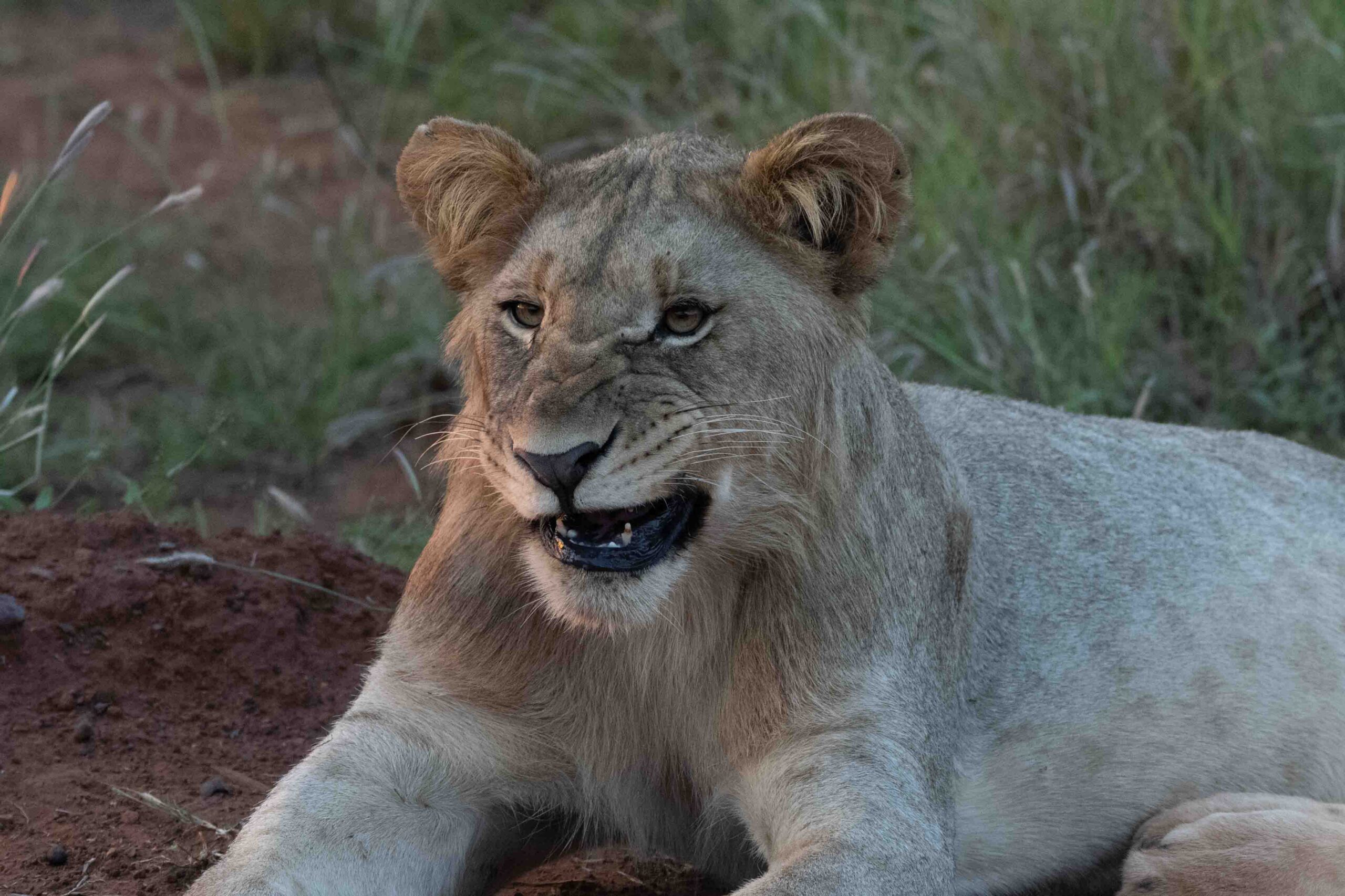
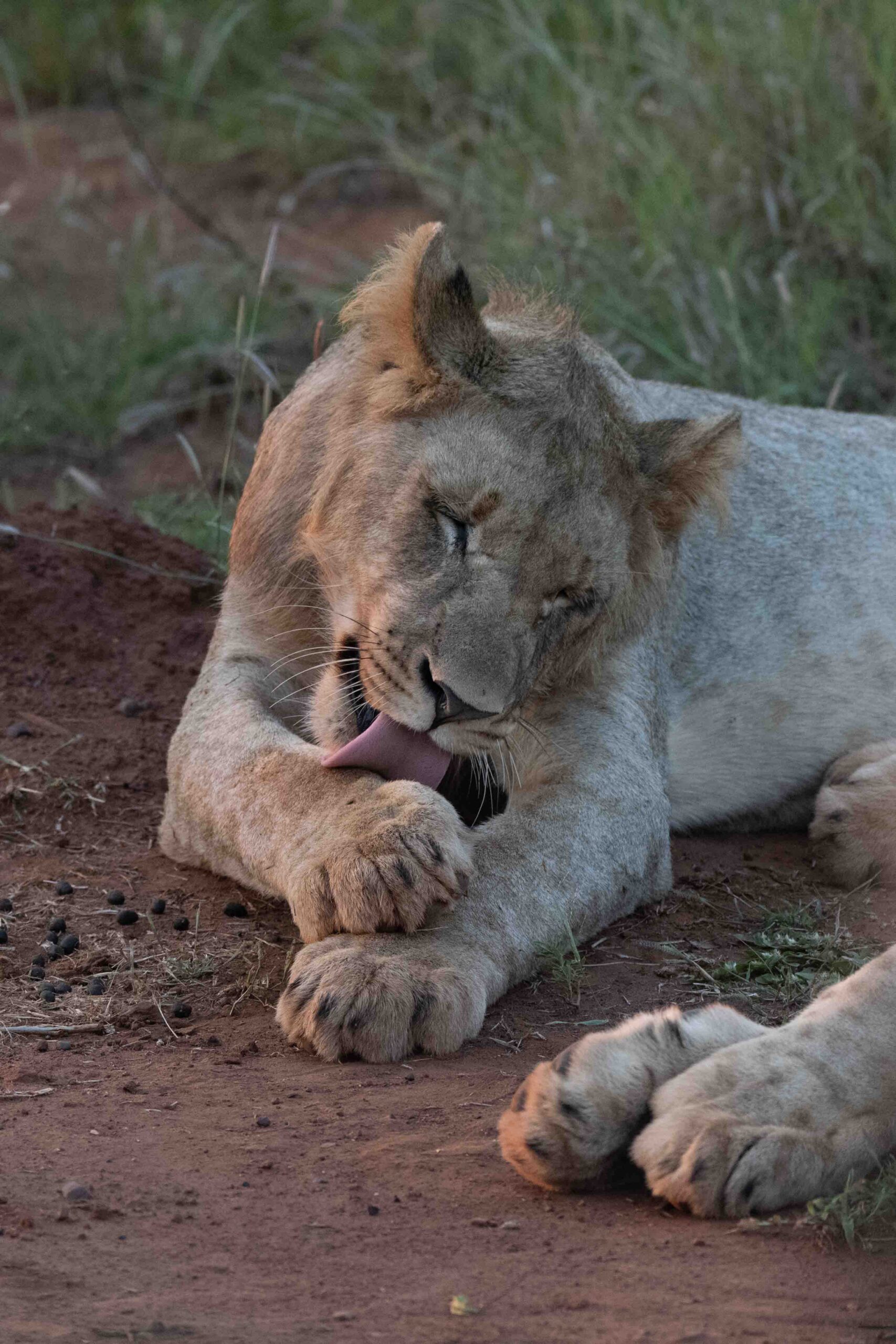
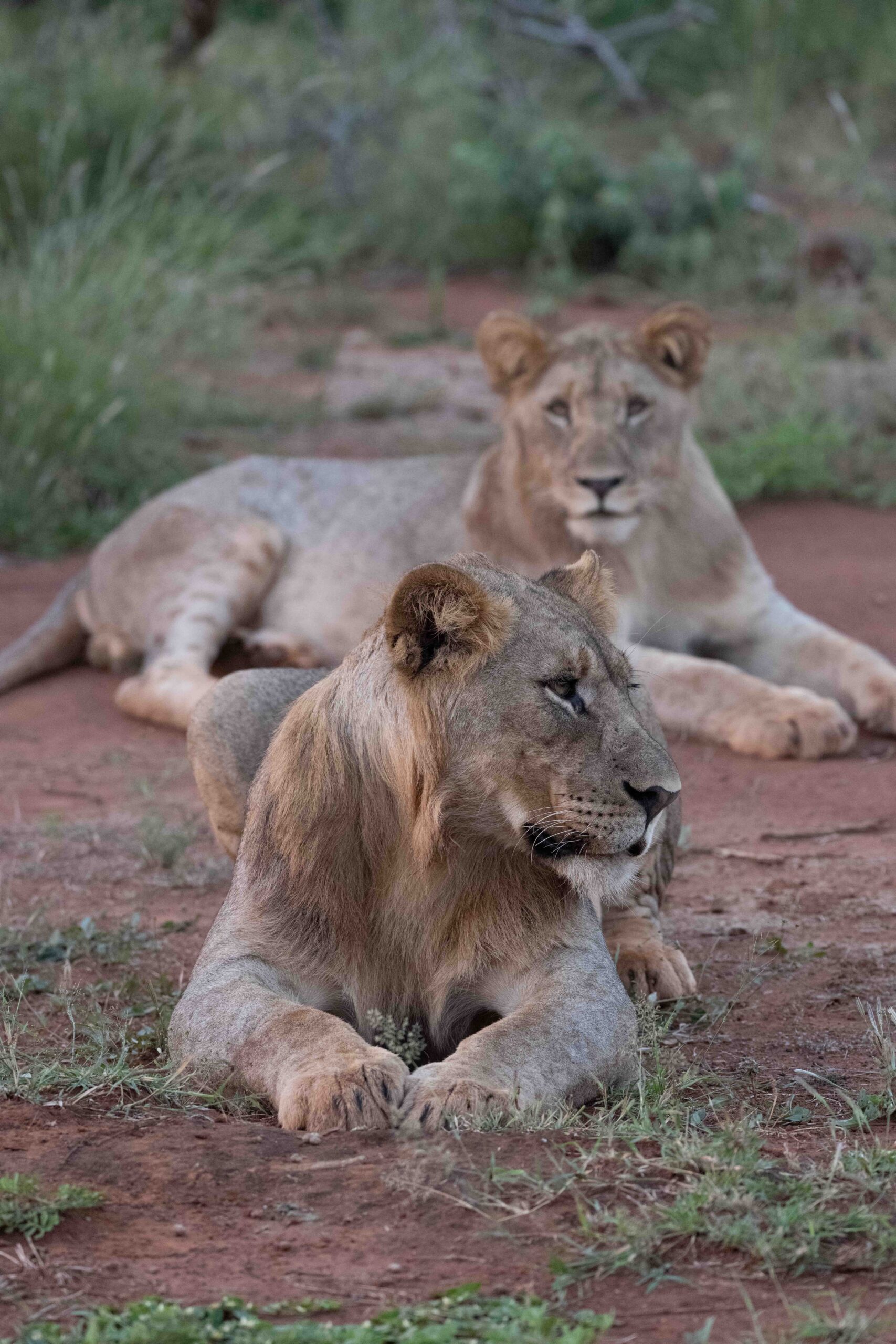
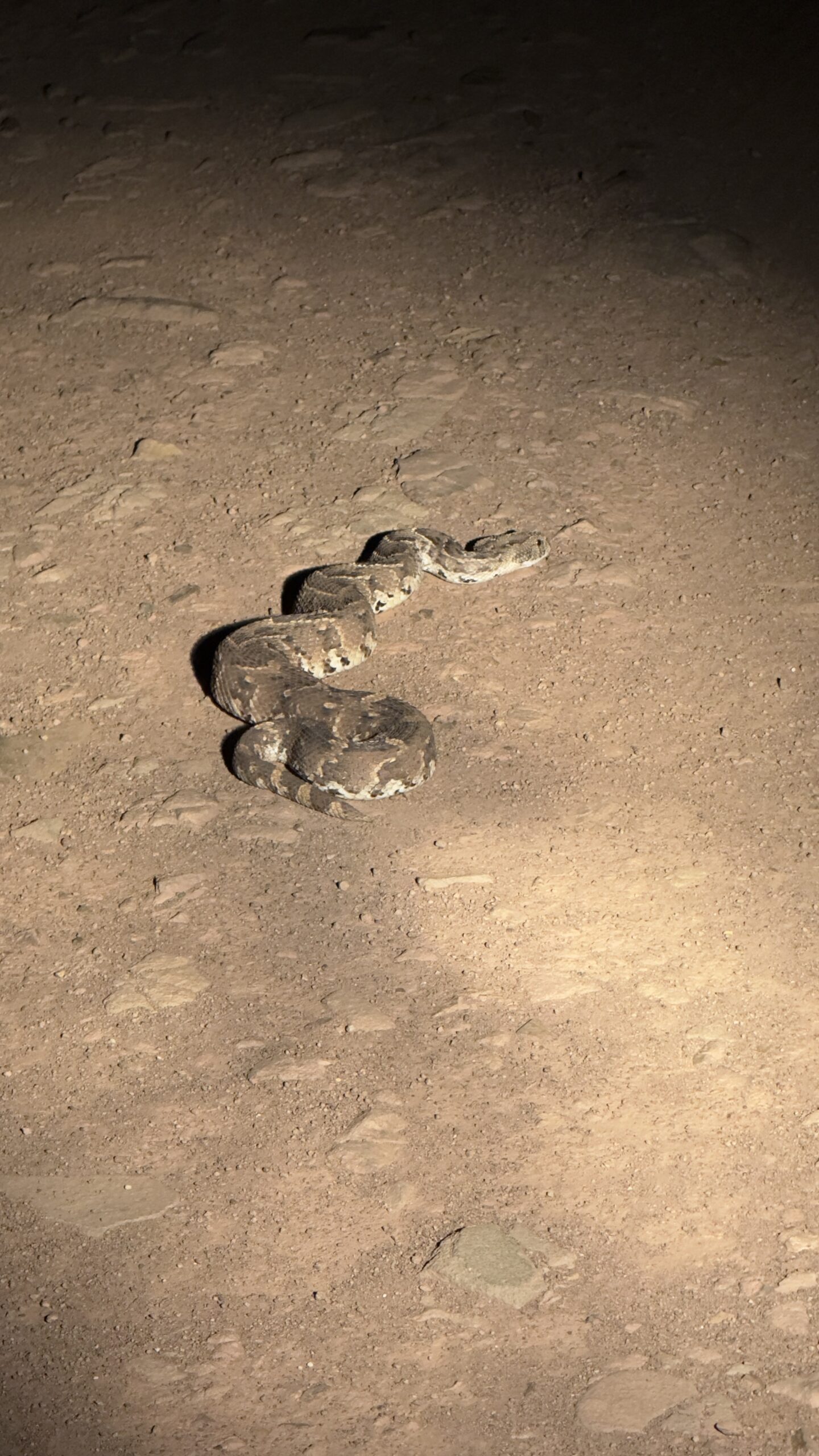
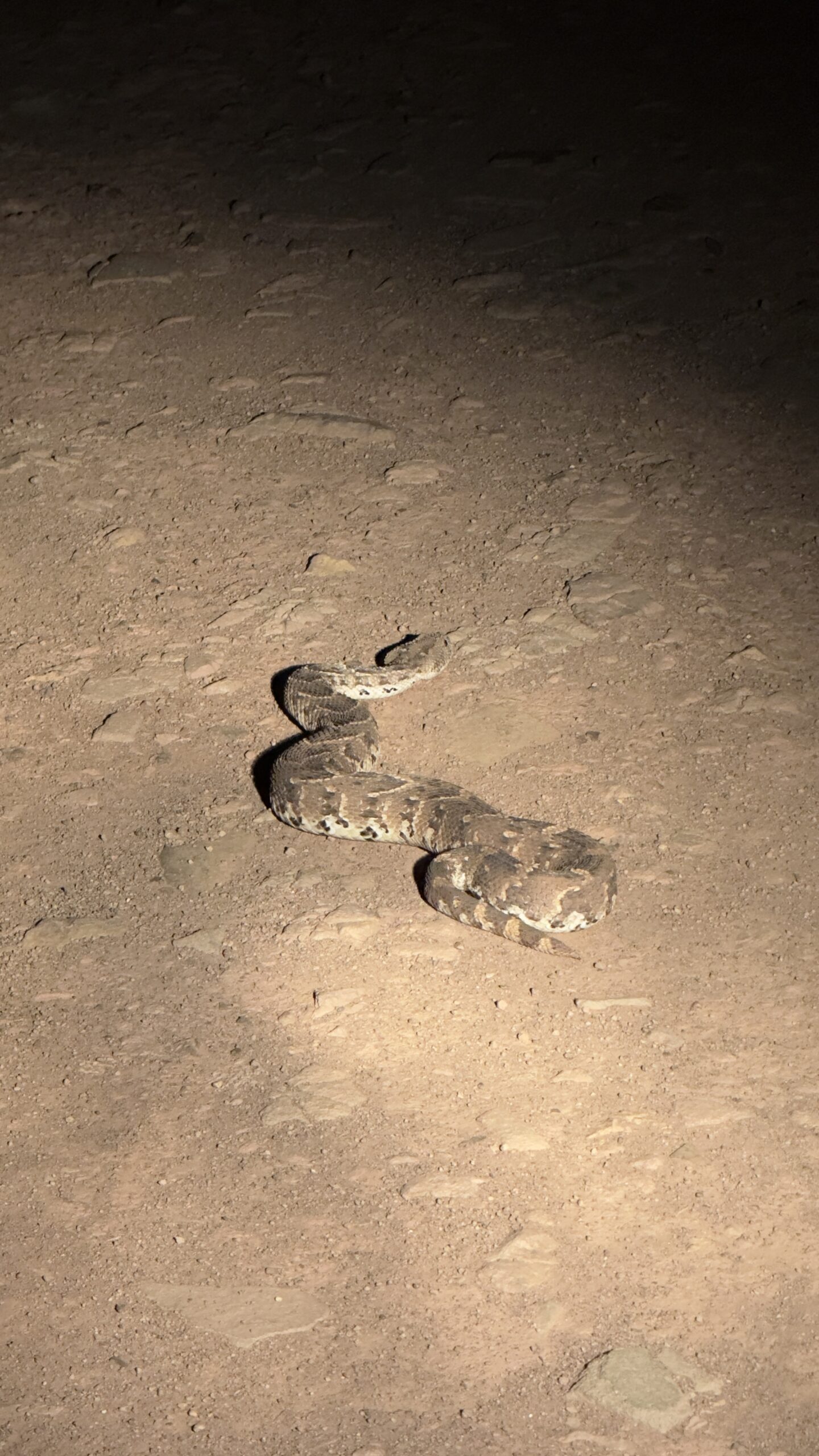
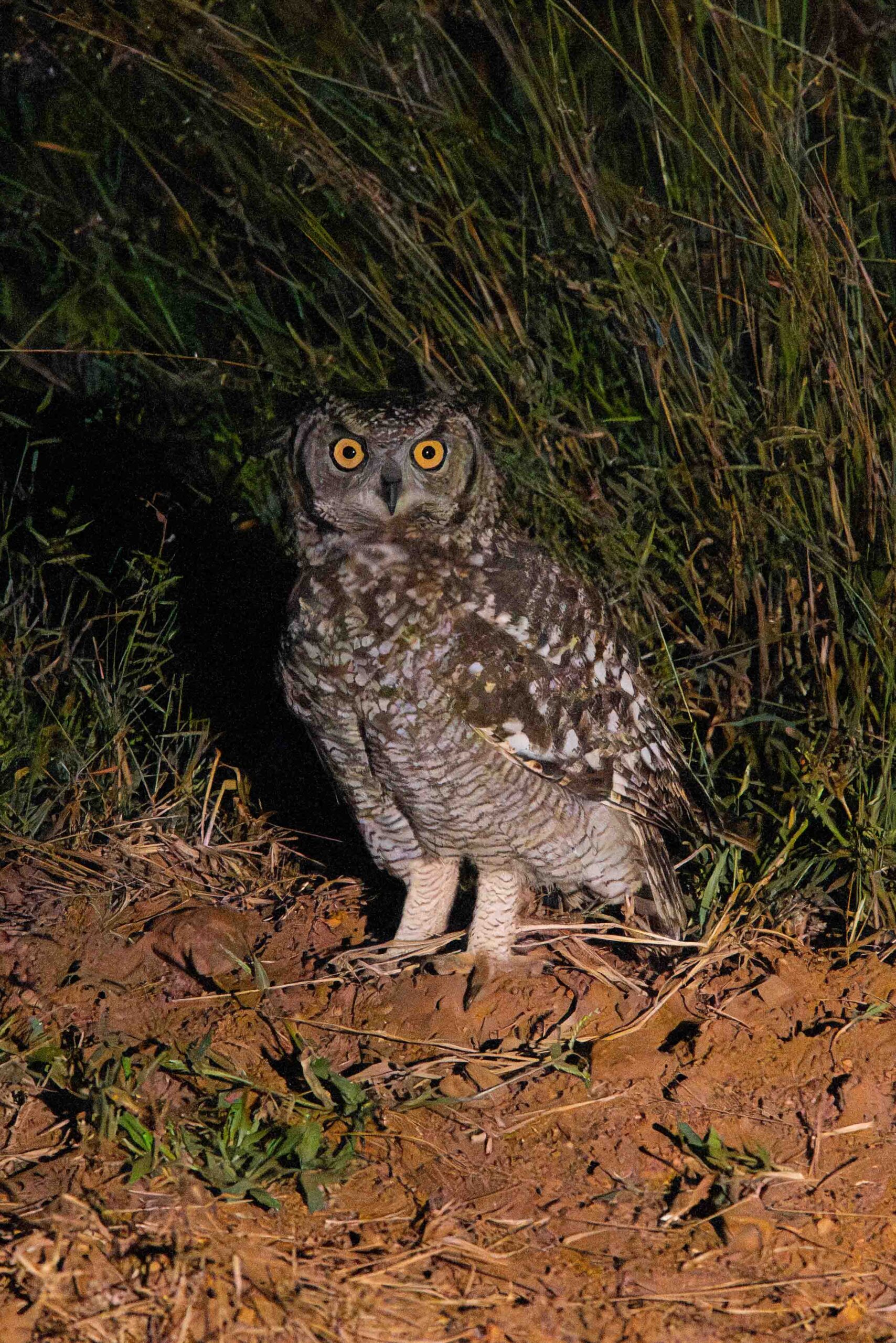
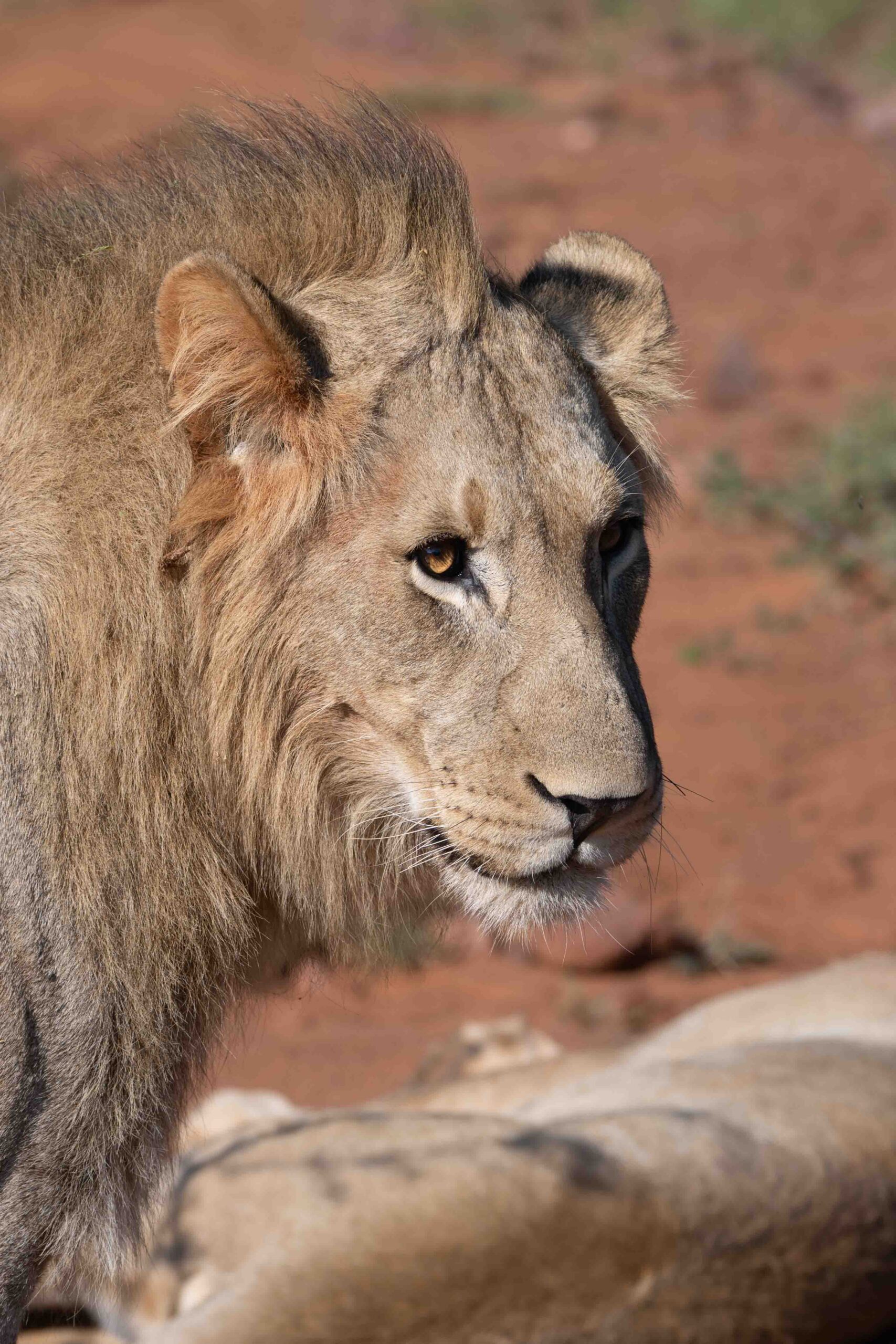
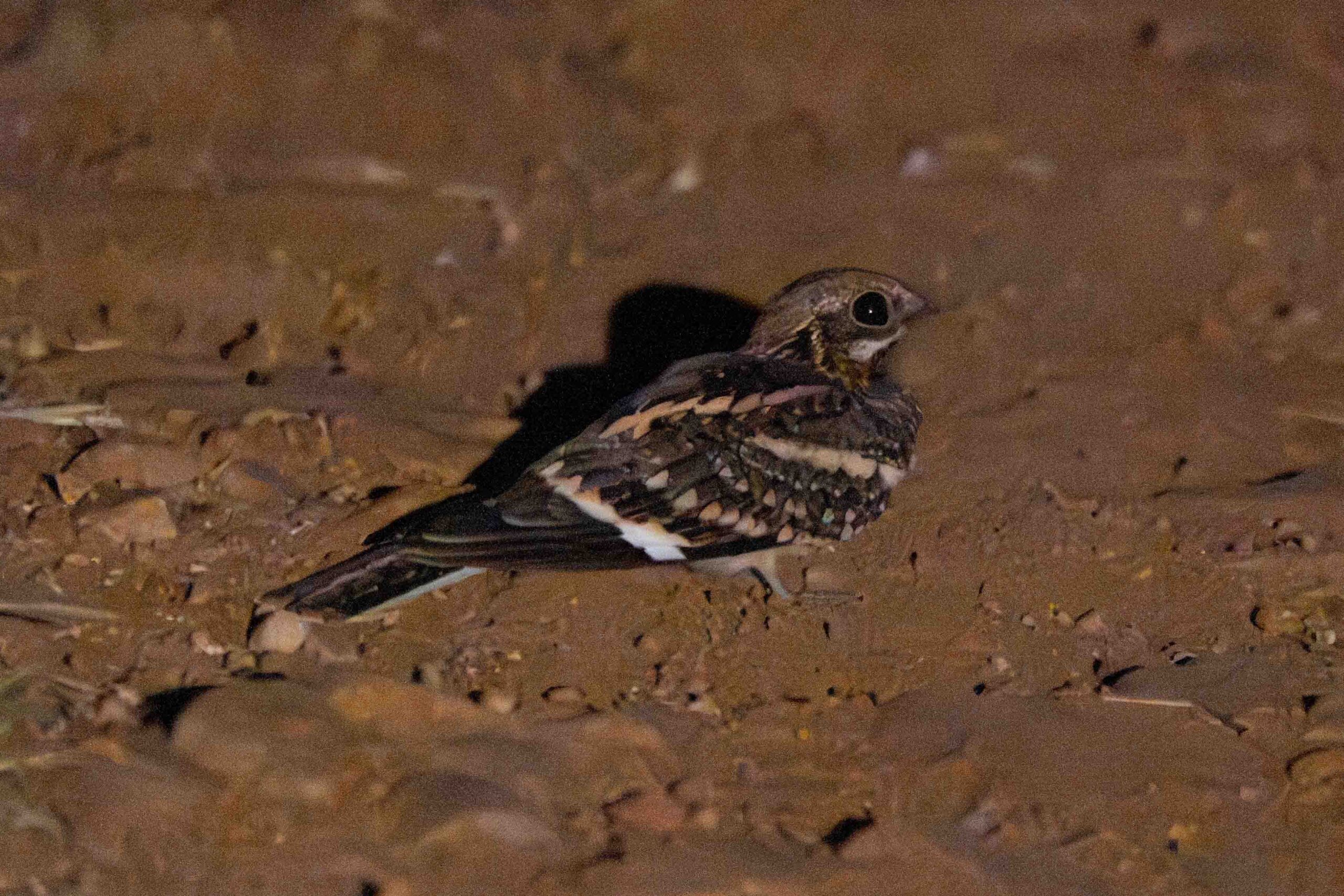
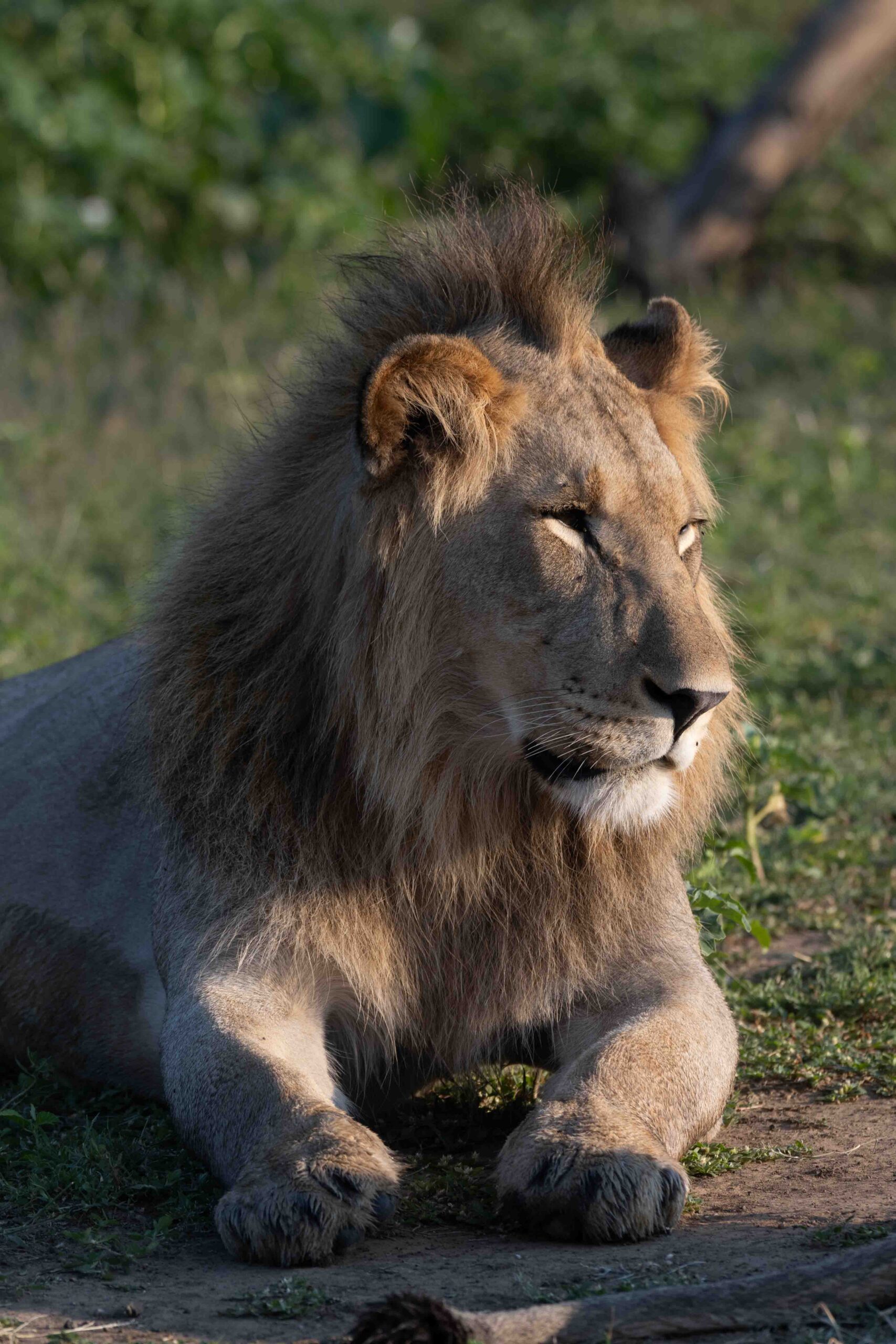
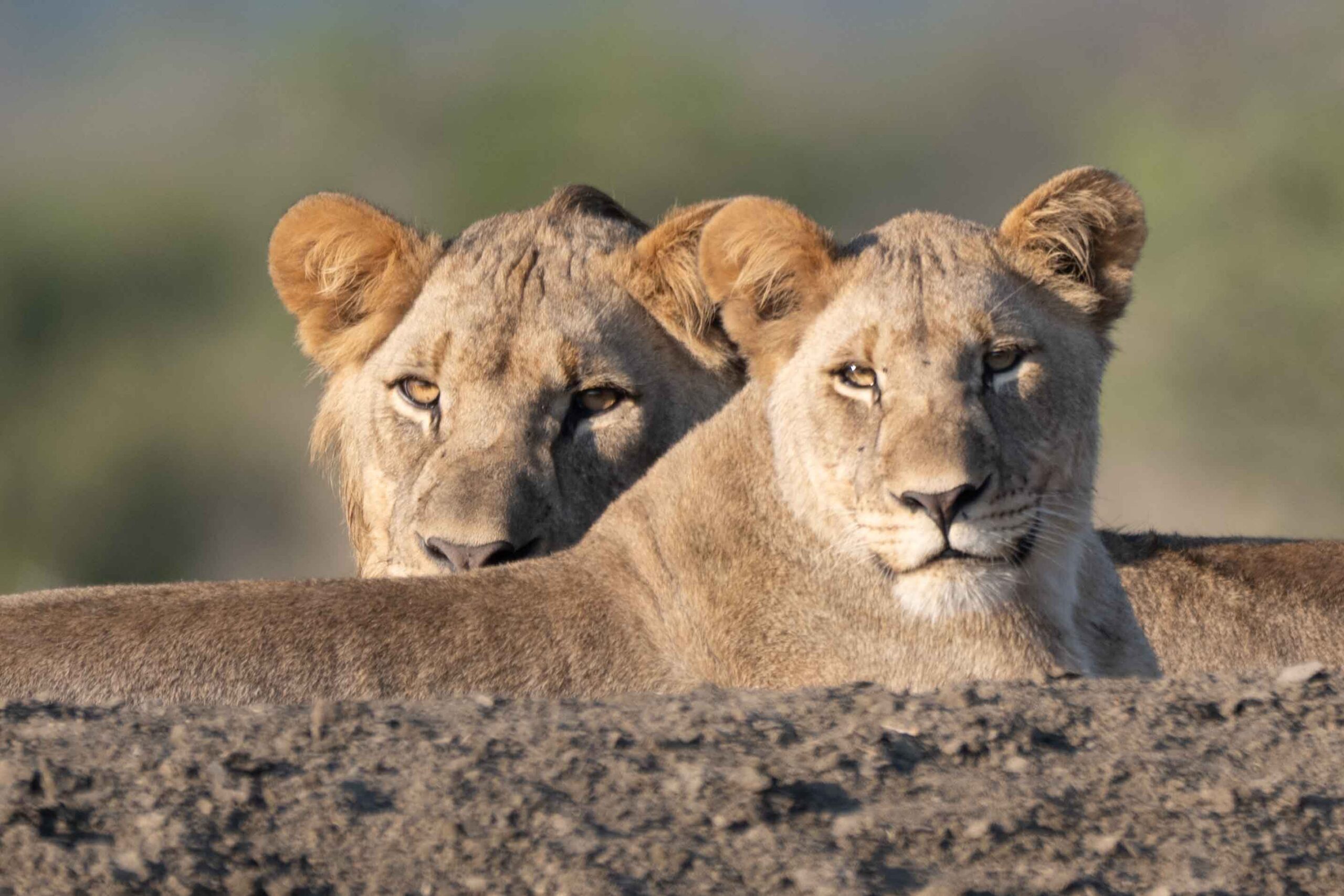
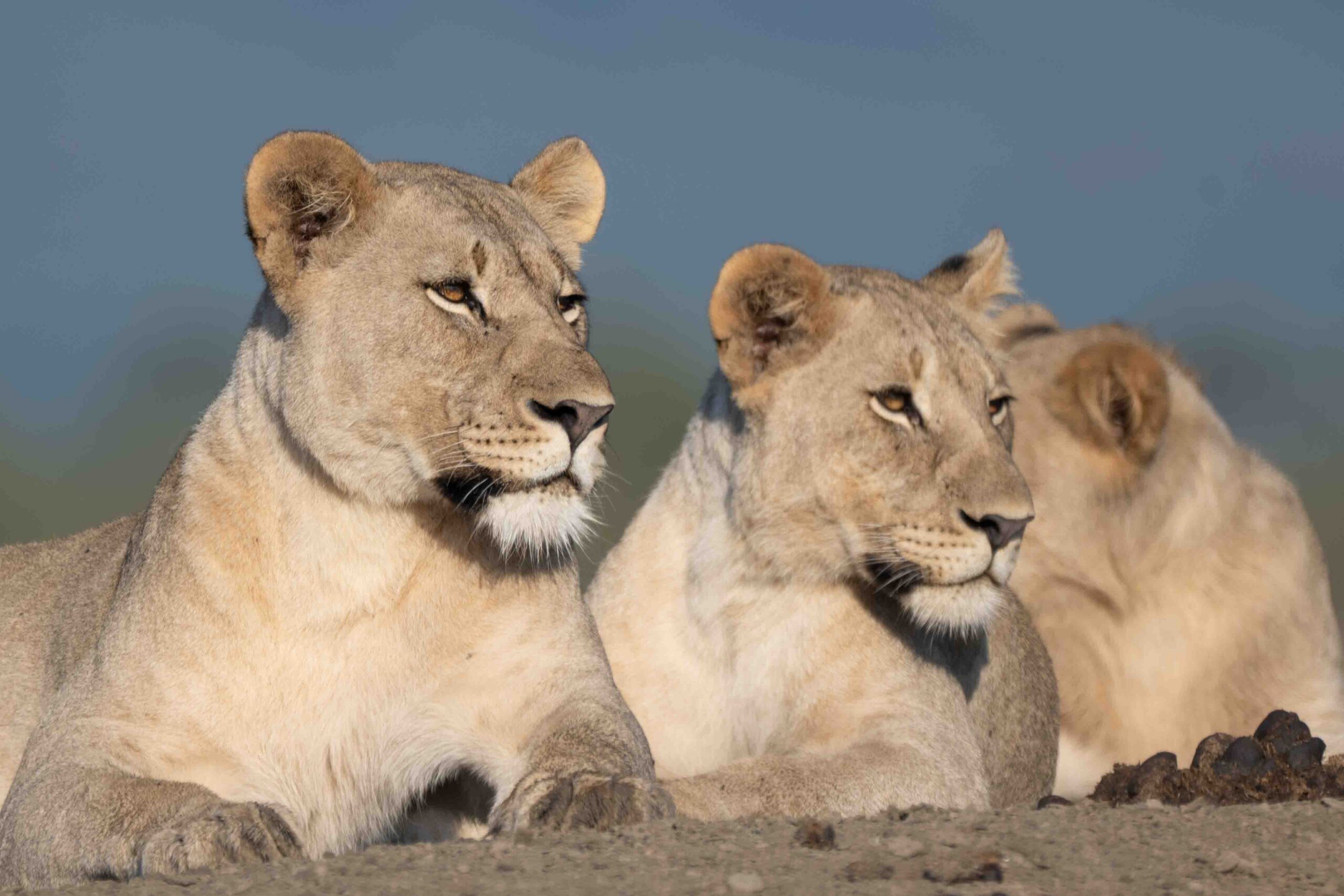
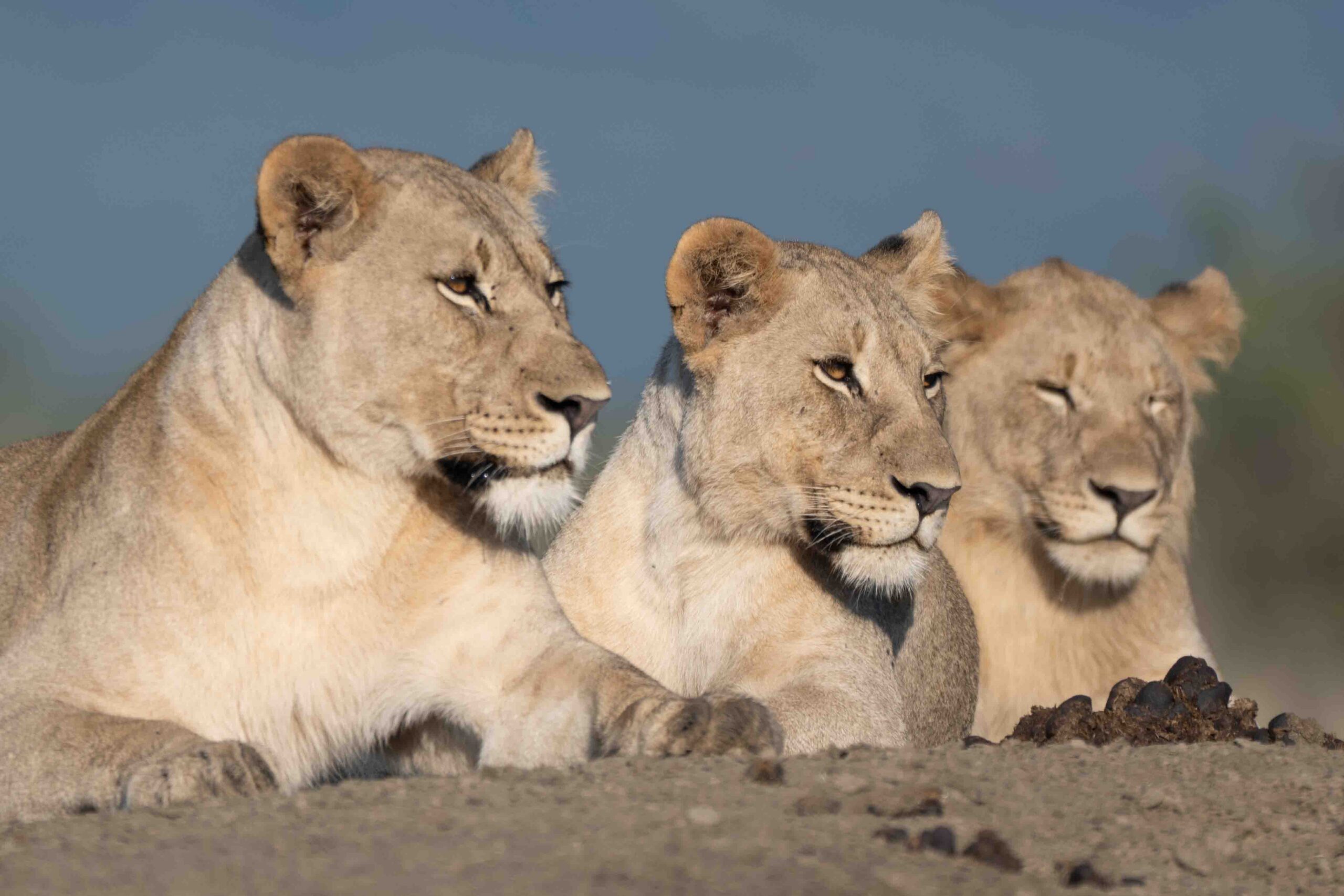
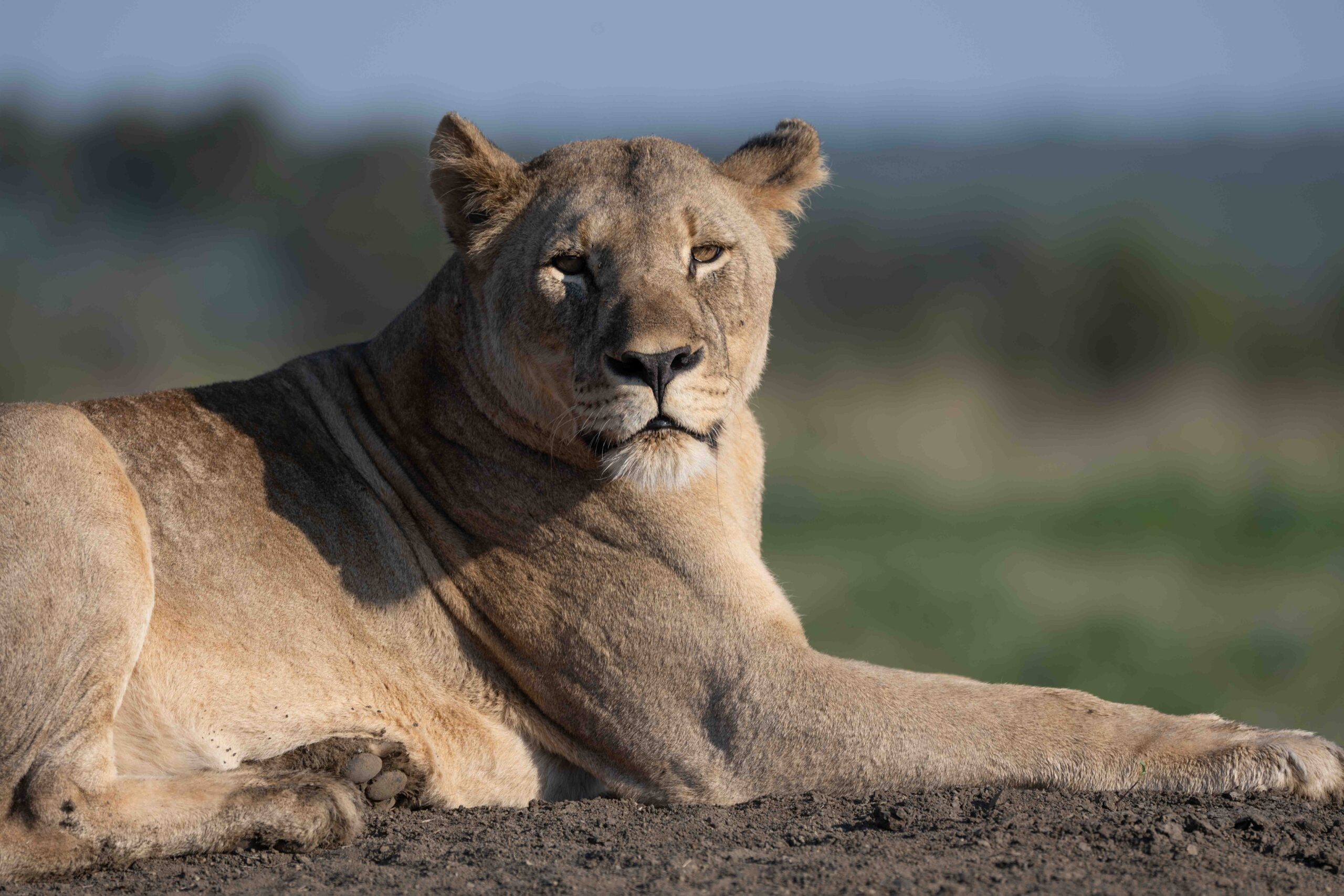
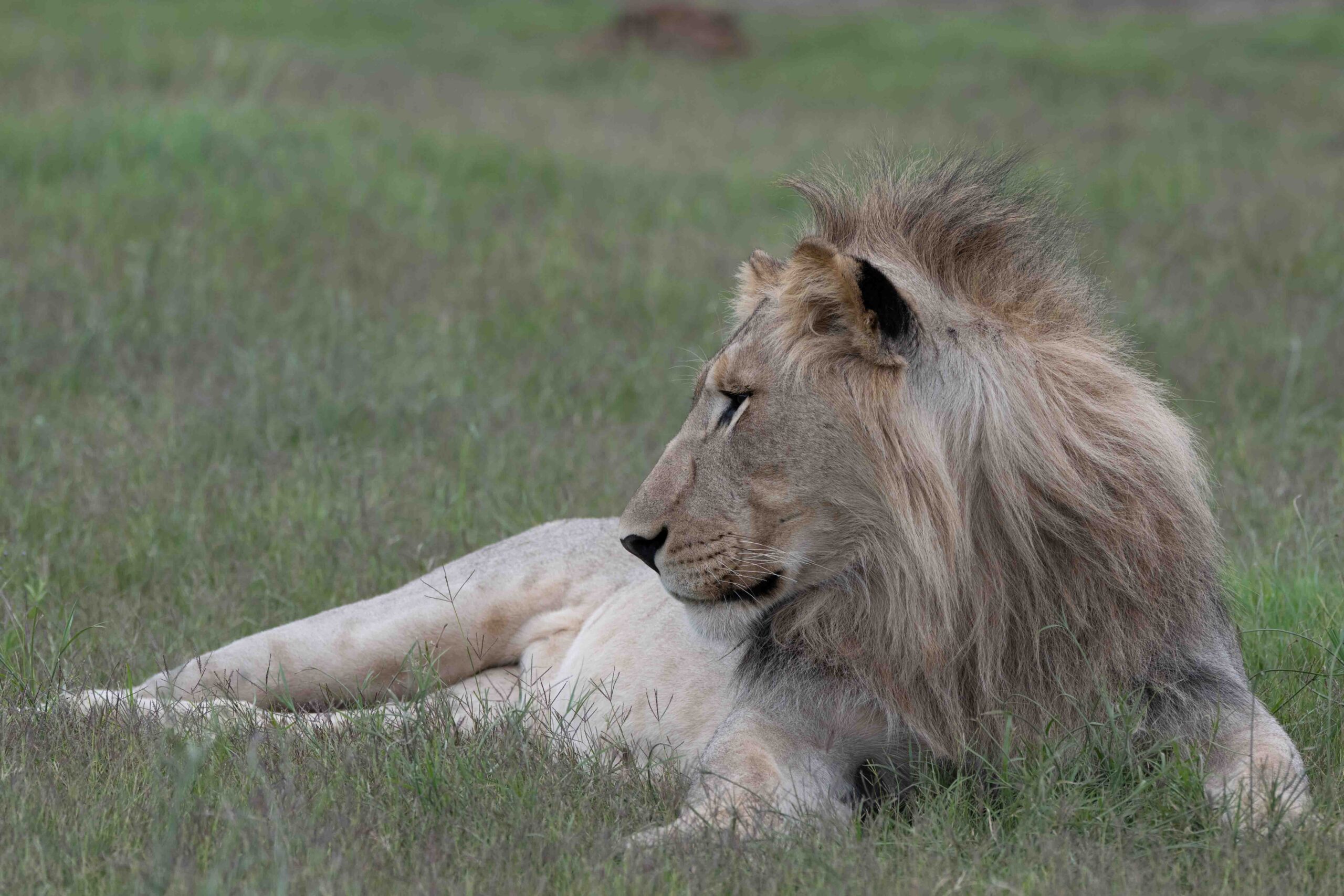
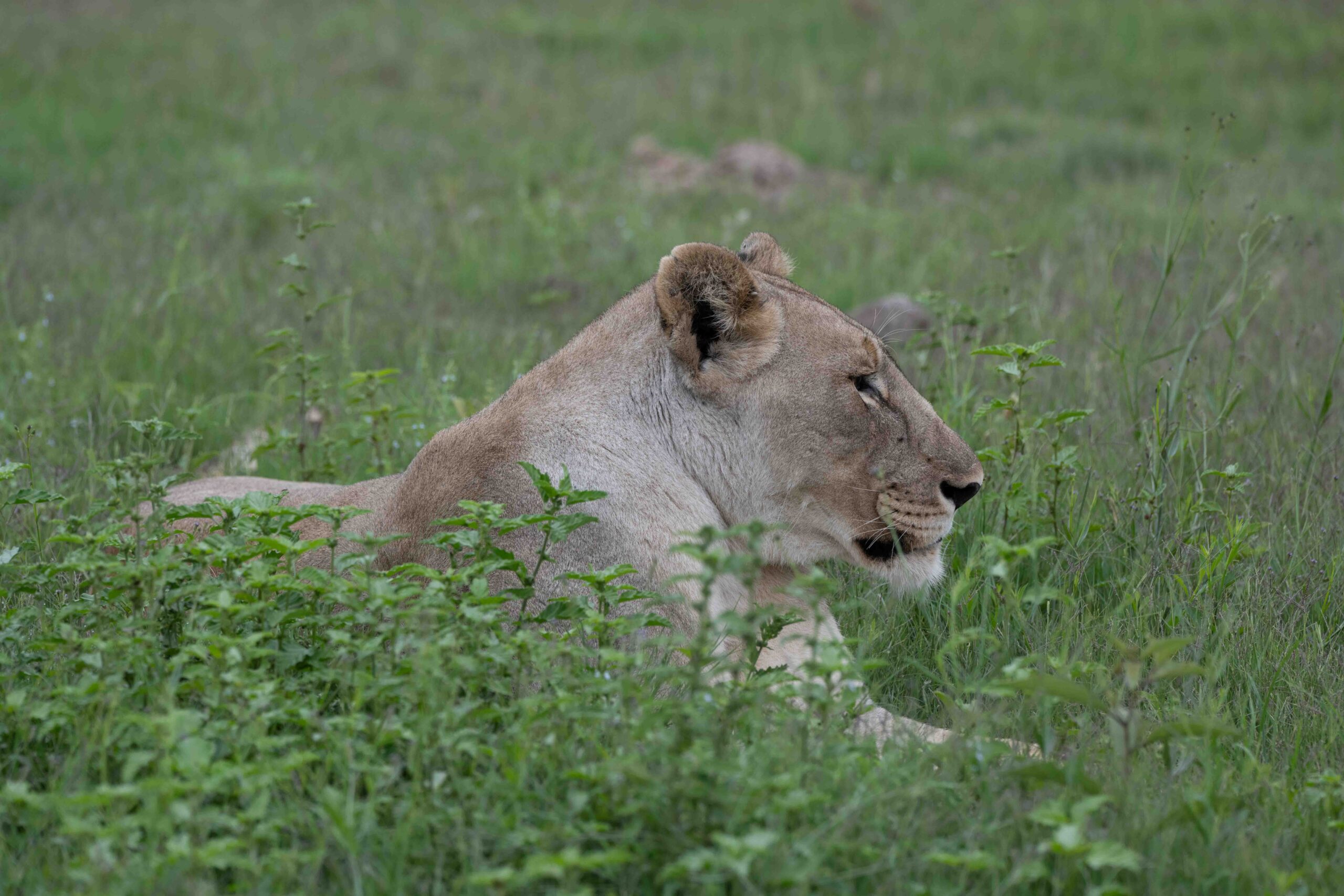
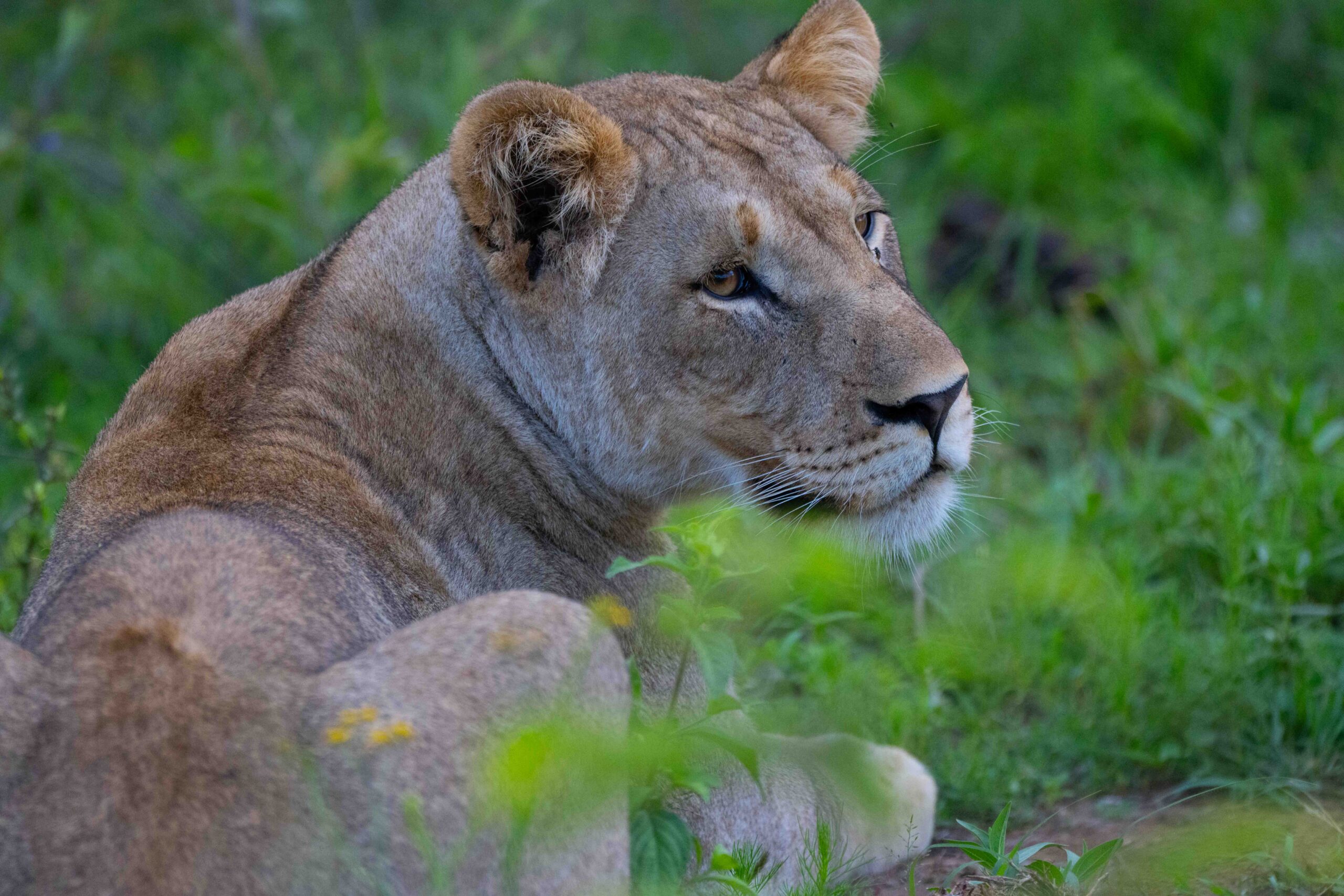
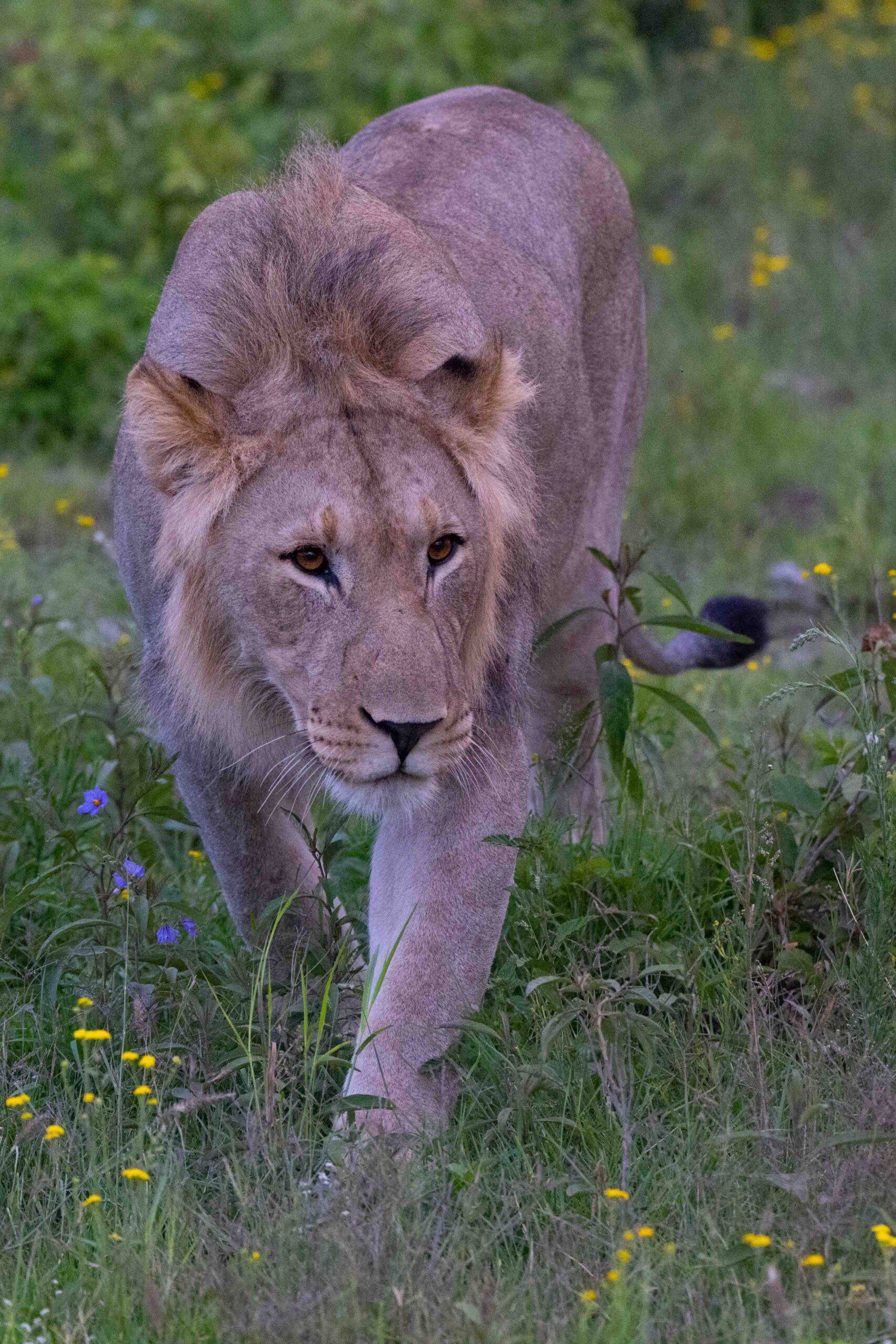
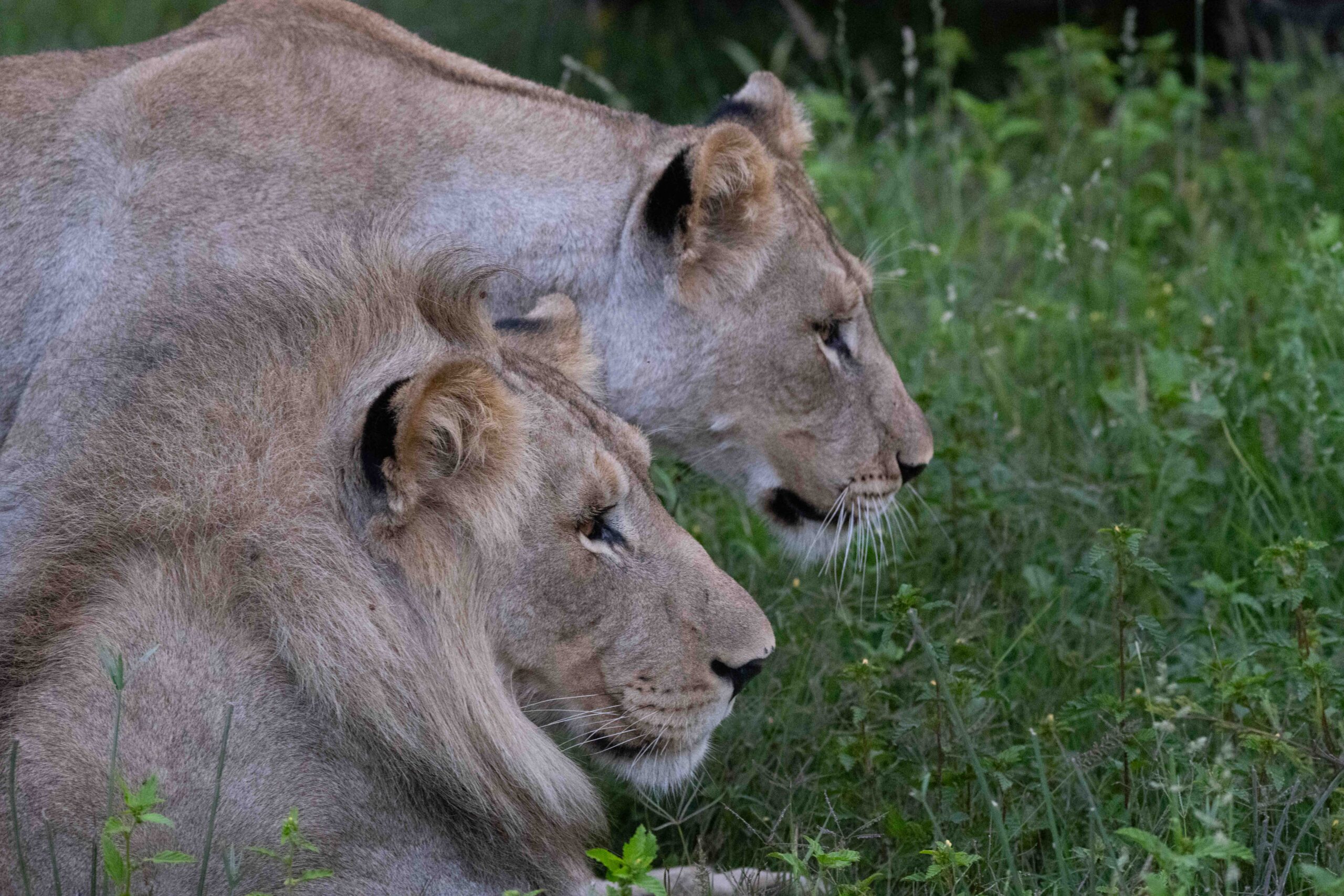
I arrived on Friday the 3rd of April, and after the “grand tour” and a lunch of their wonderful hamburgers, we set off on our first game drive. This is what we saw: many lilac-breasted and purple rollers, an elephant in musth who didn’t enjoy our presence and charged us, both brown and spotted hyena, a small pride of mom lioness with her two male and two female subadults, and in the evening after a lovely sundowner we saw about 5 spotted Eagle Owl and 4 Puff Adders slithering across the road.
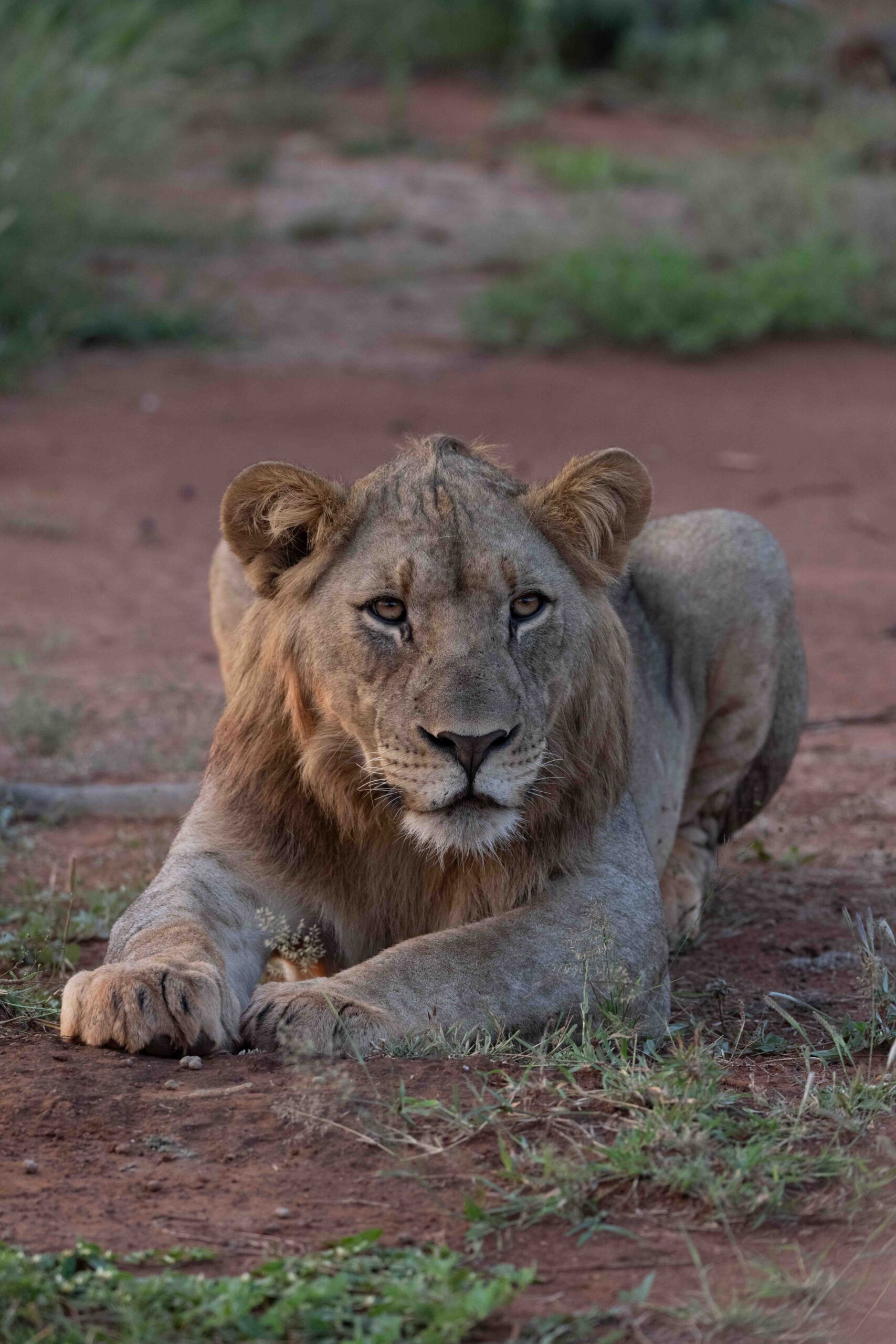
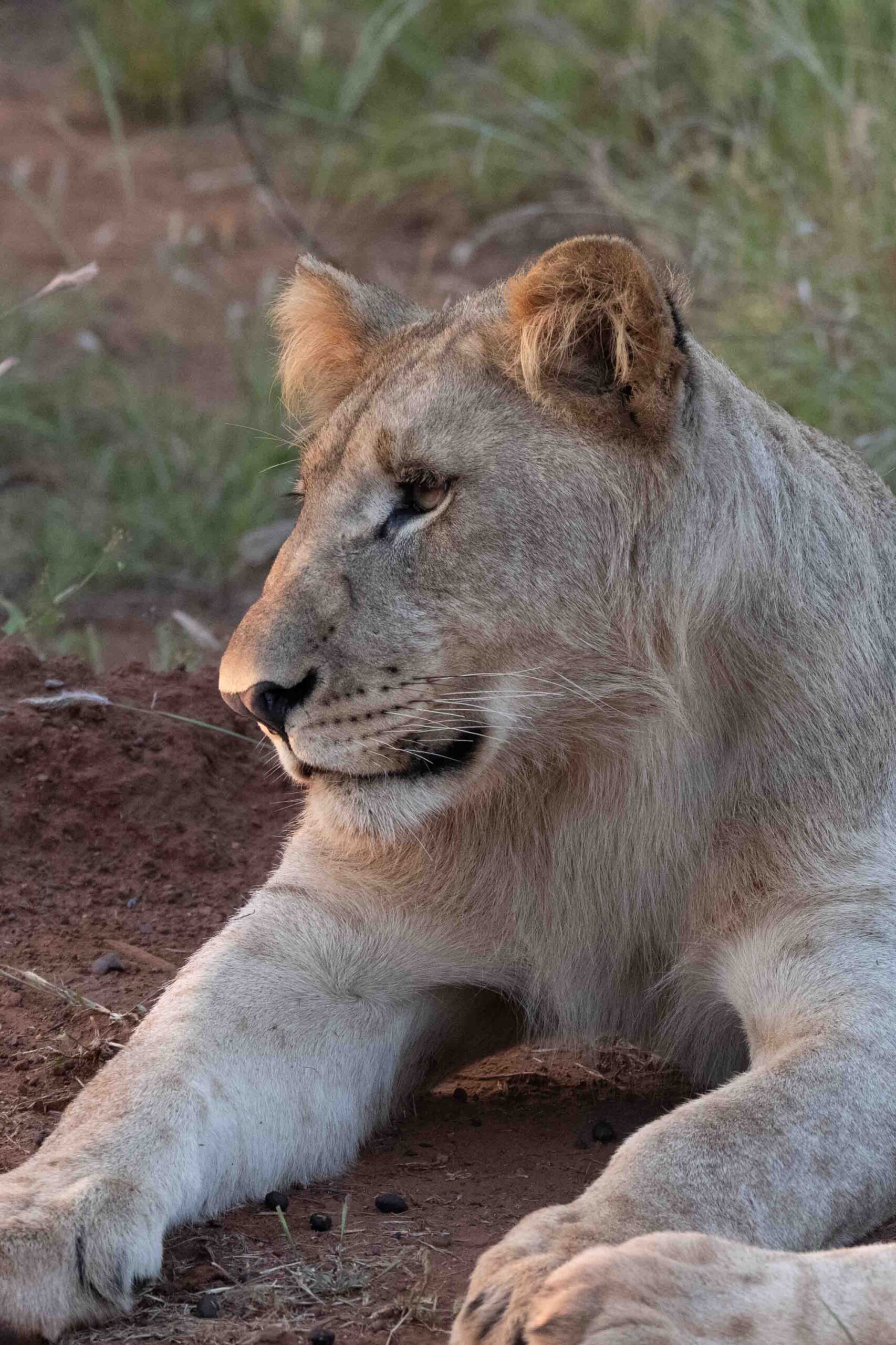
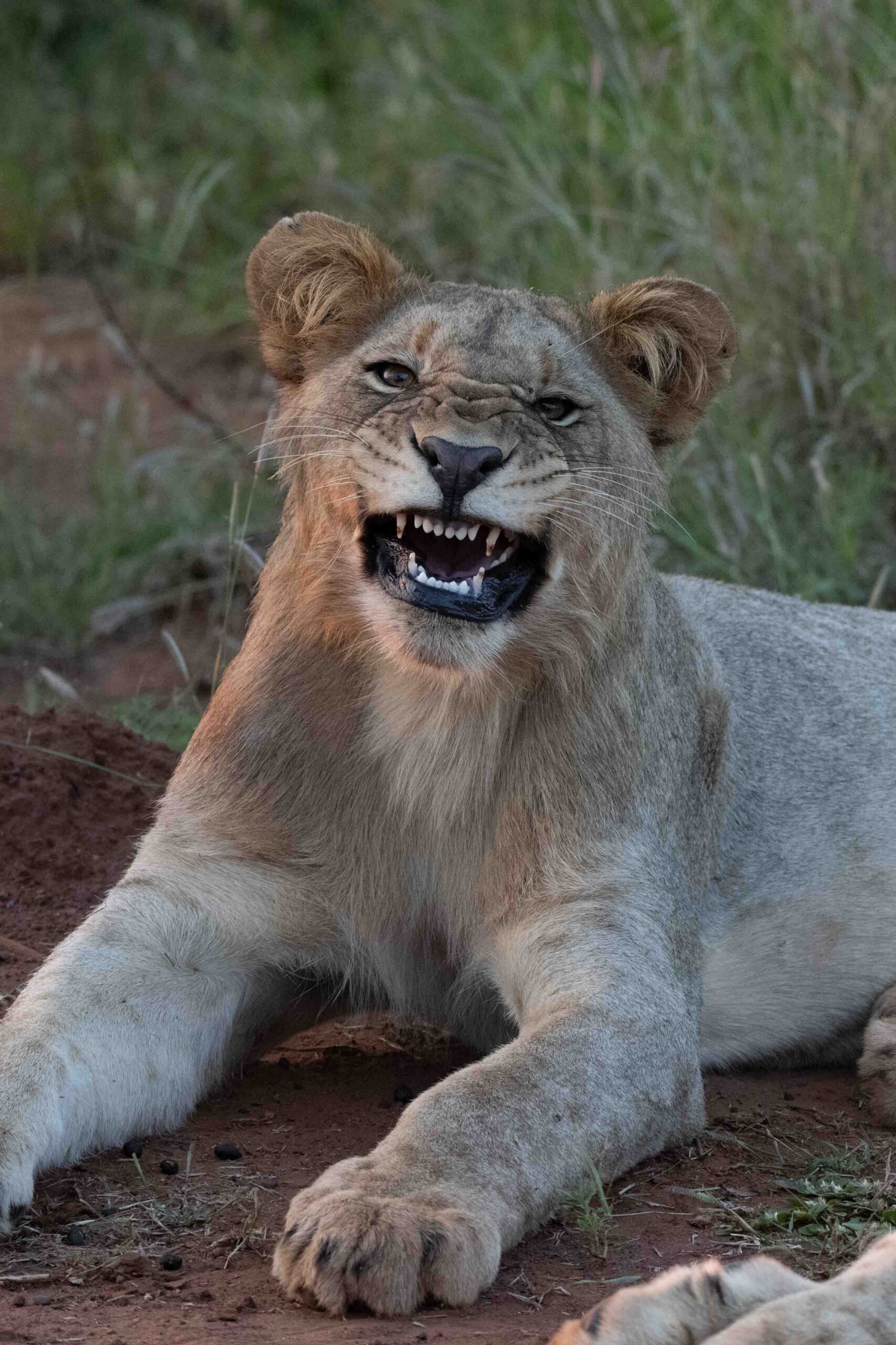
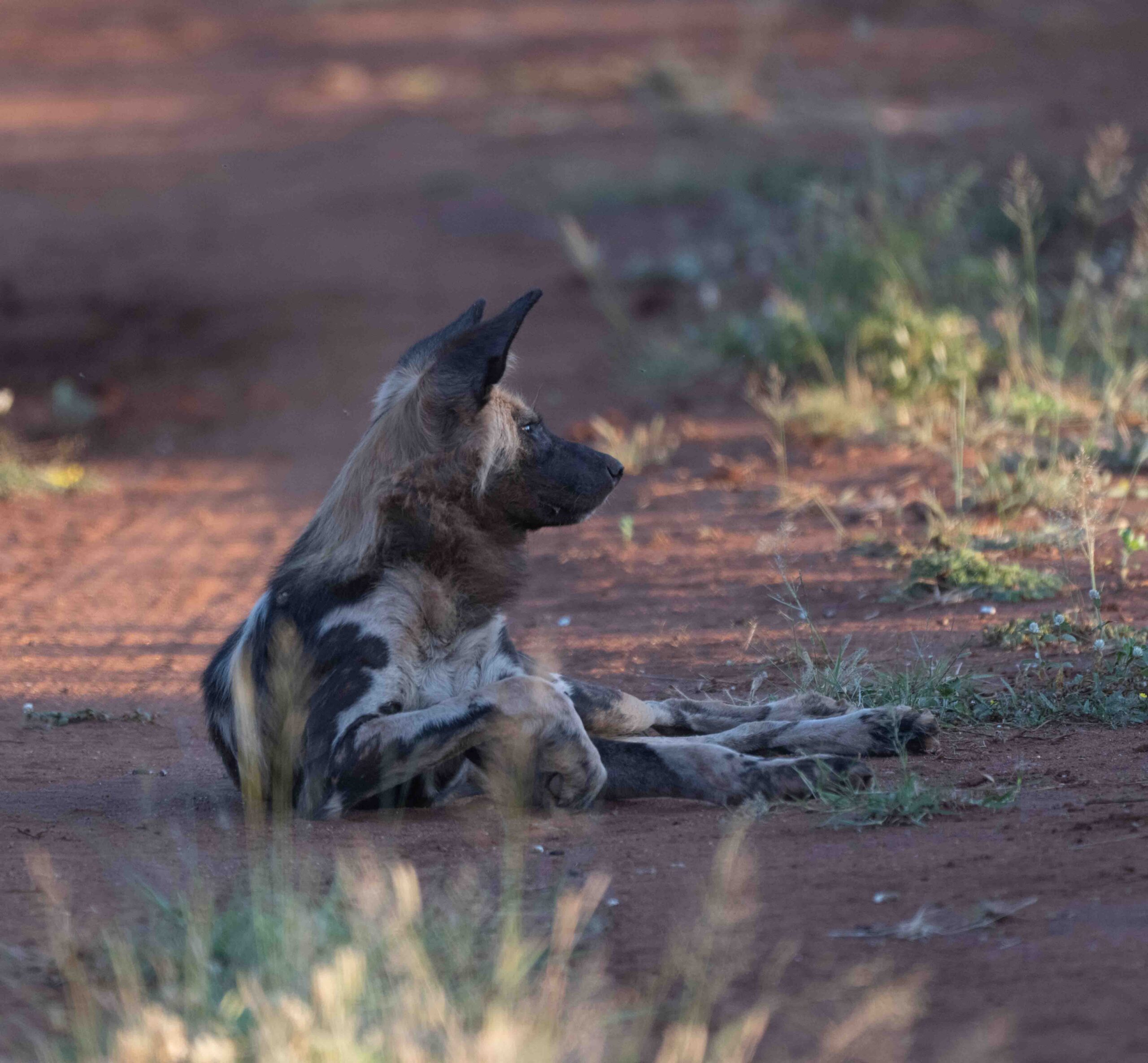
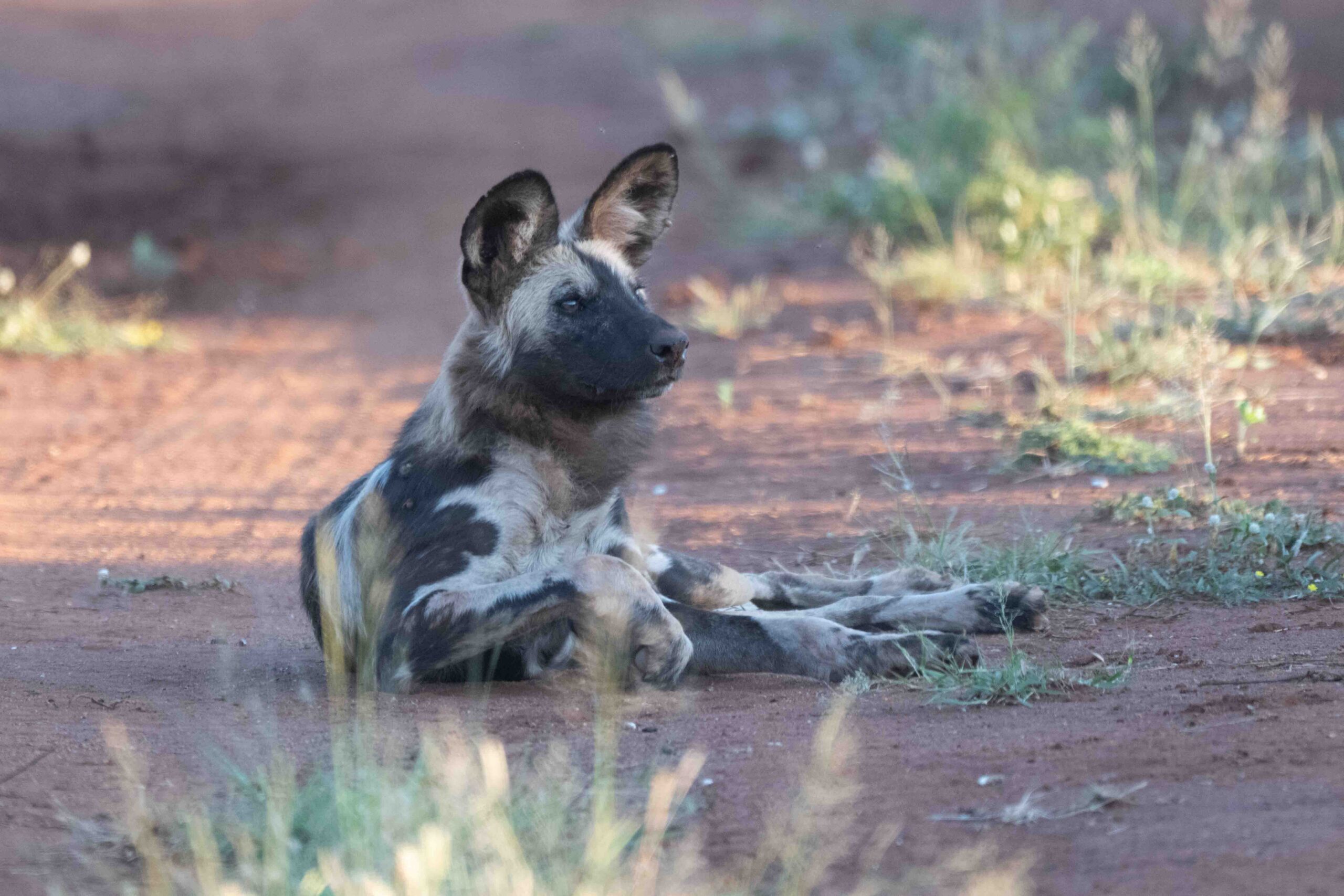
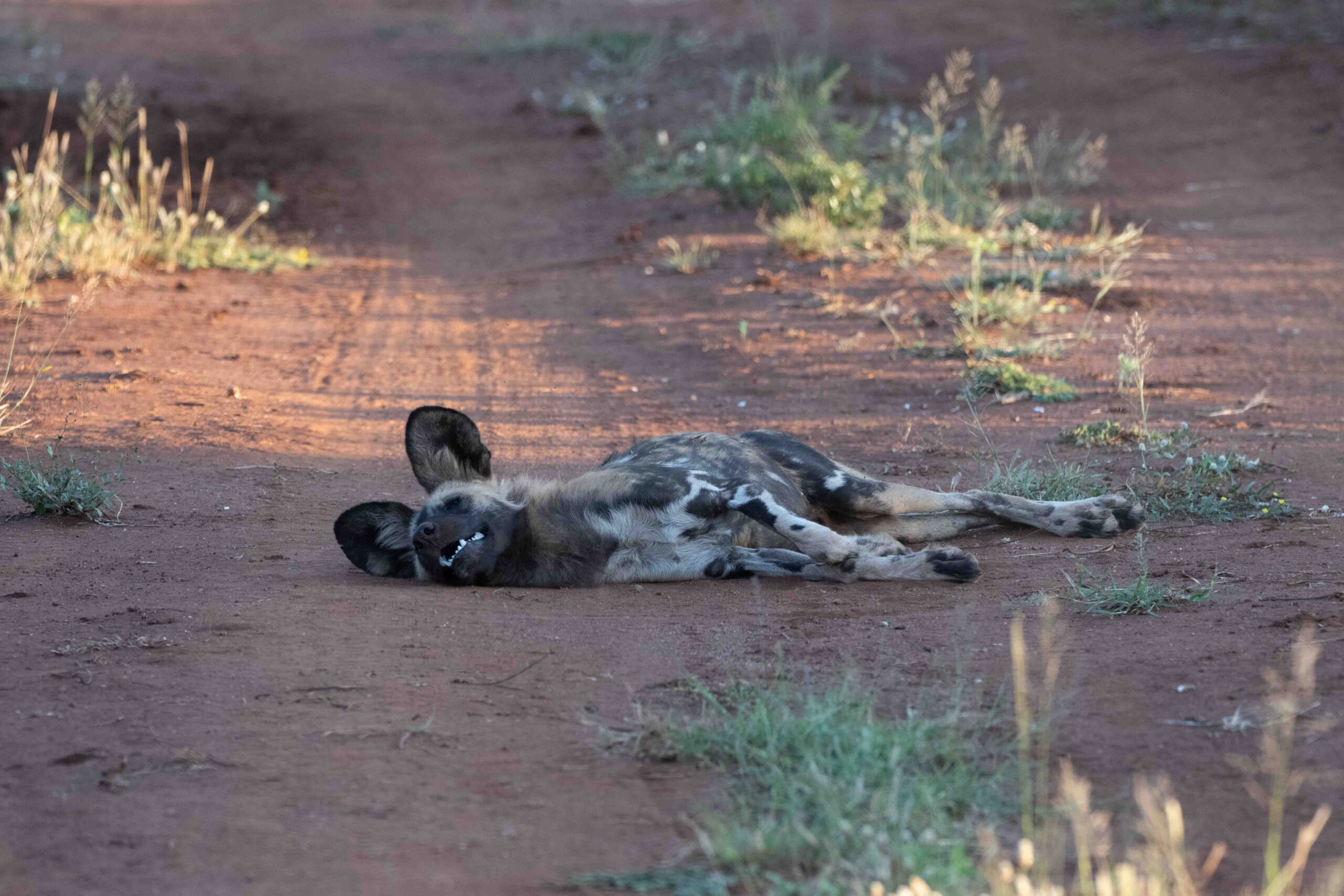
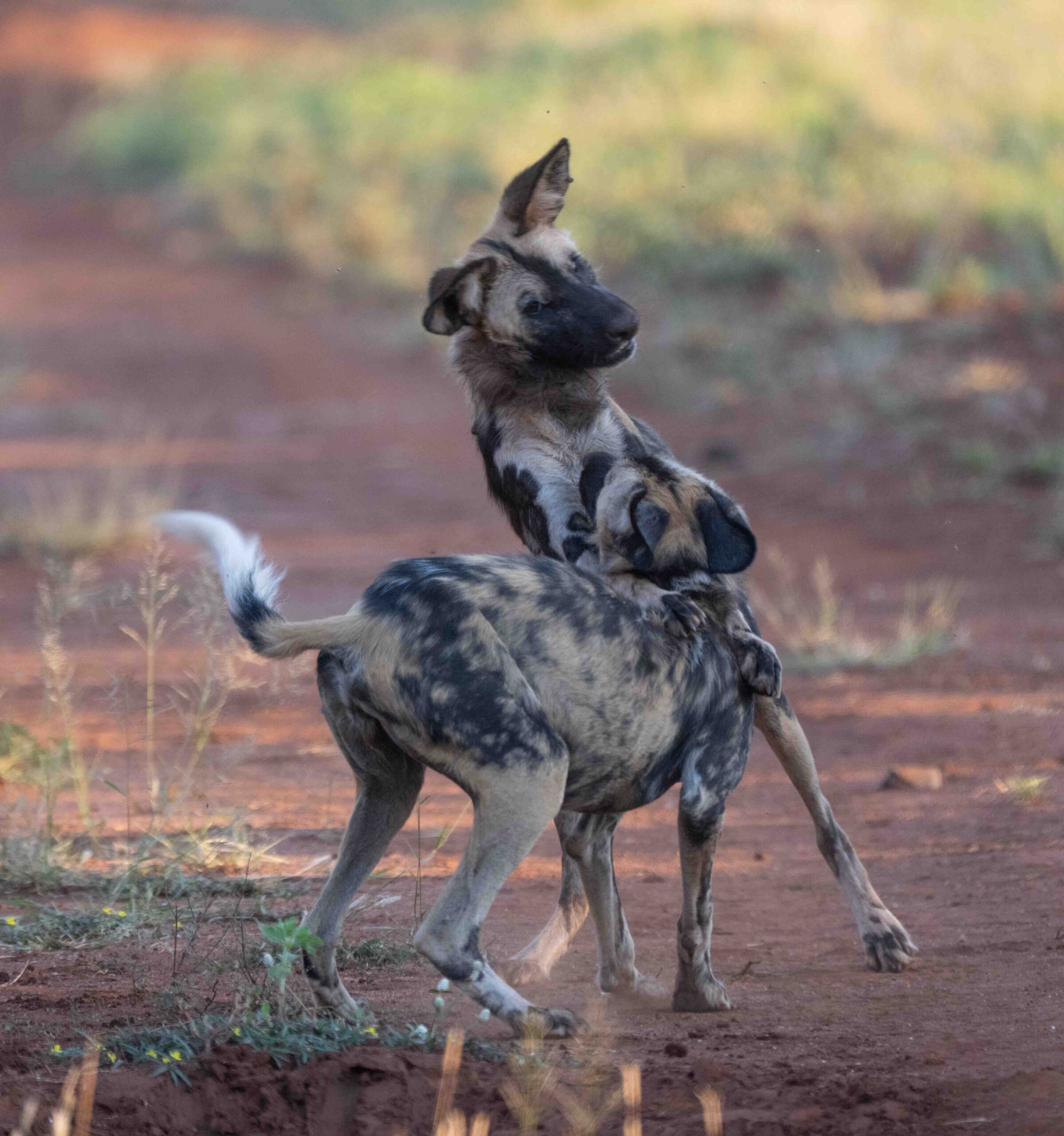
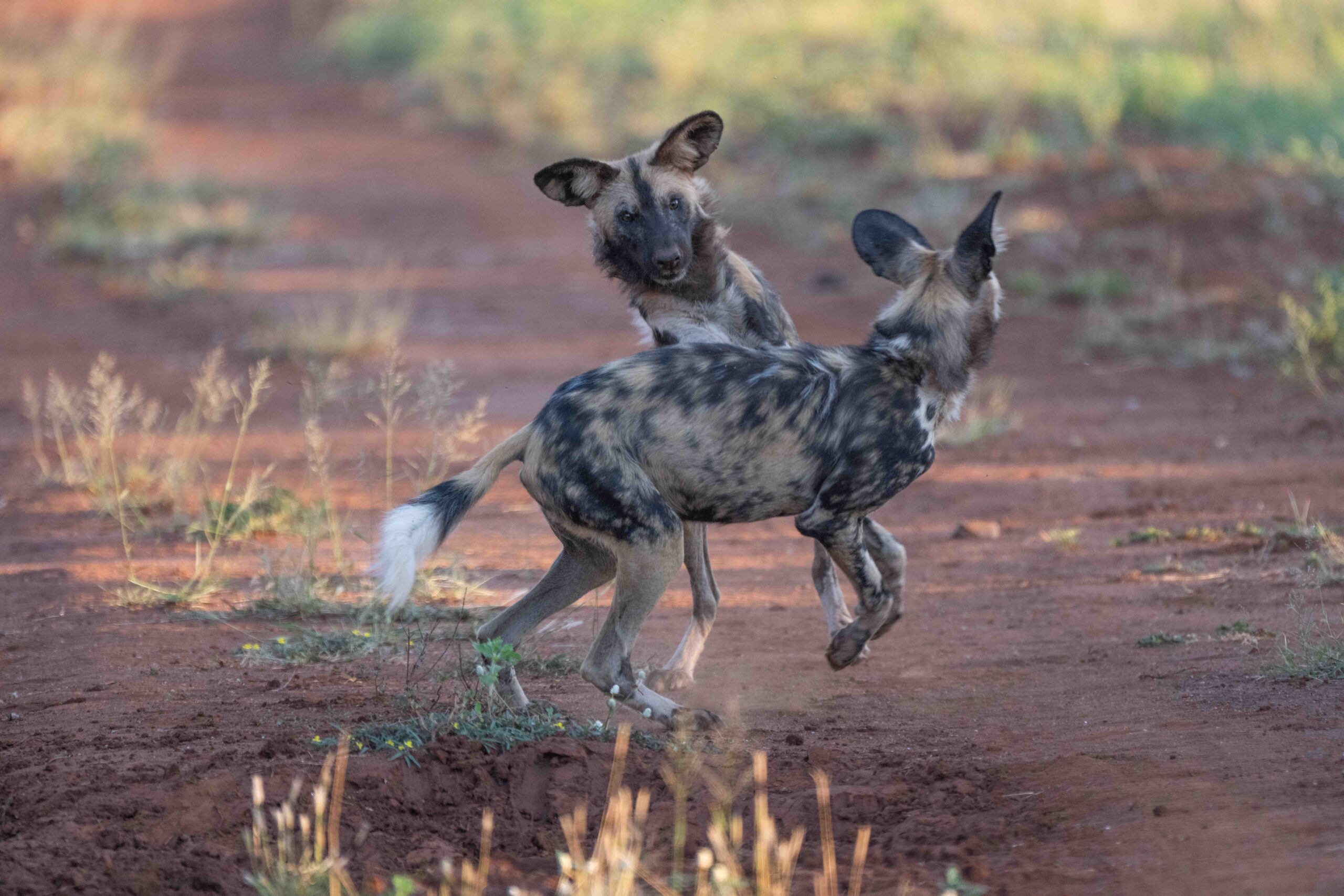
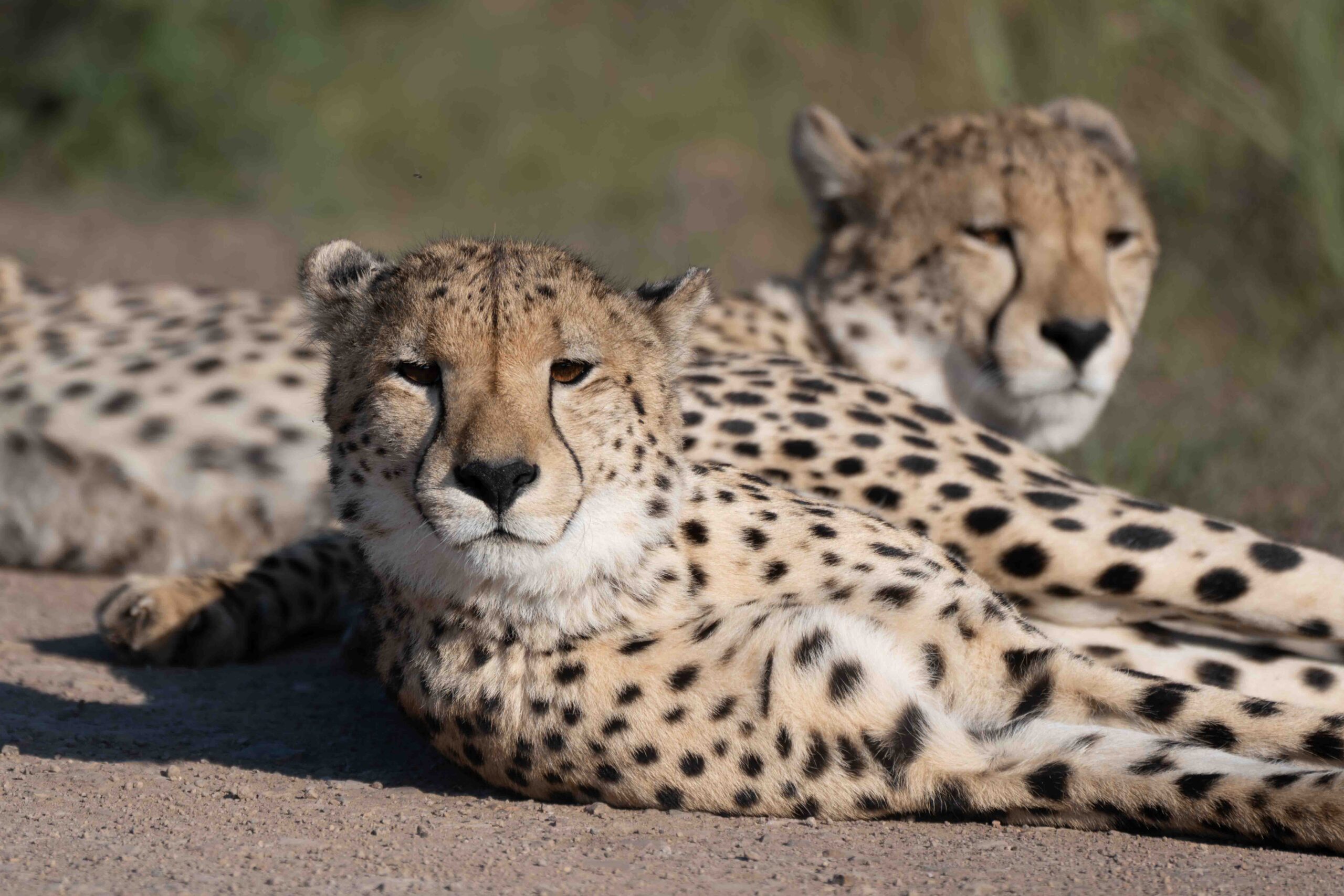
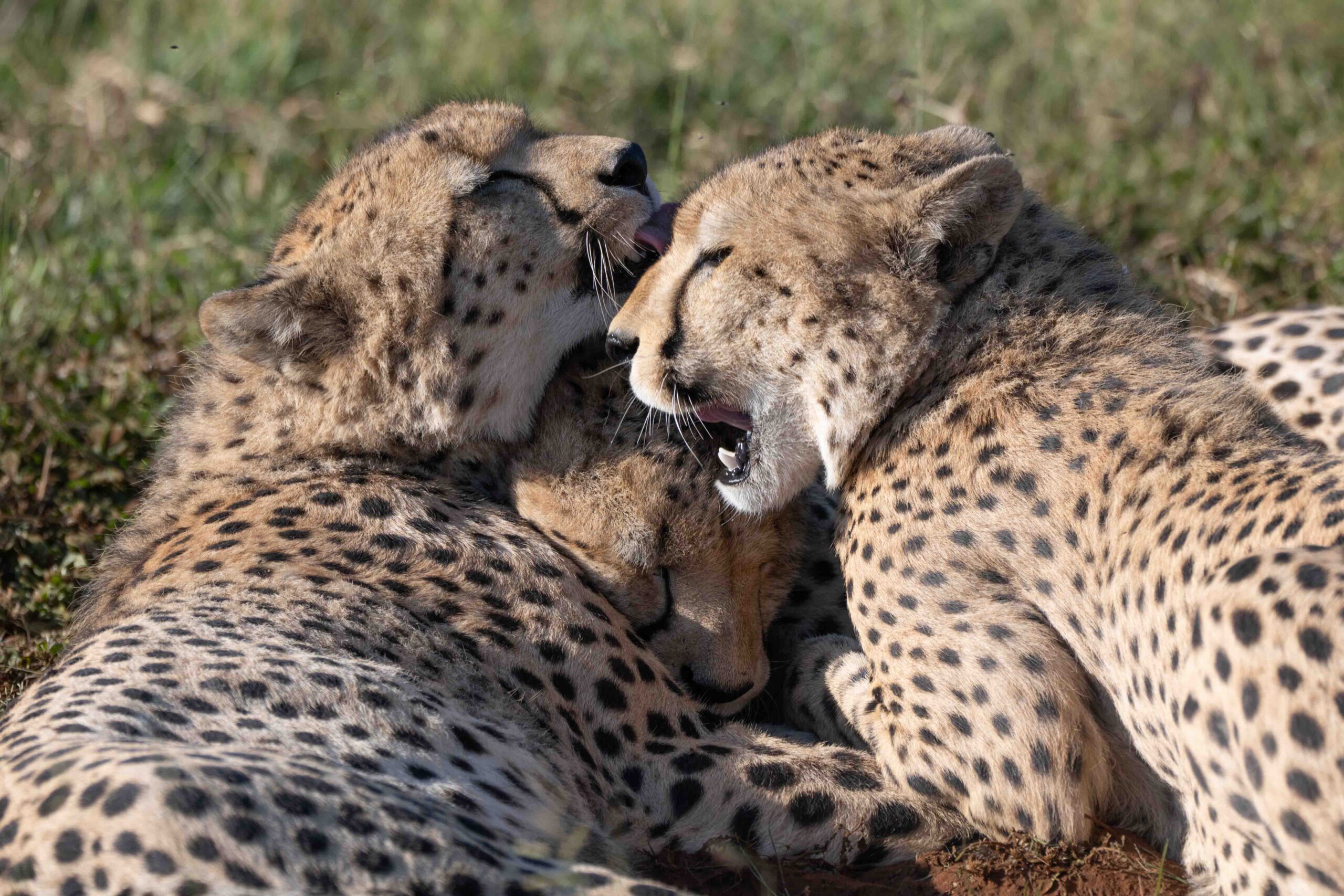
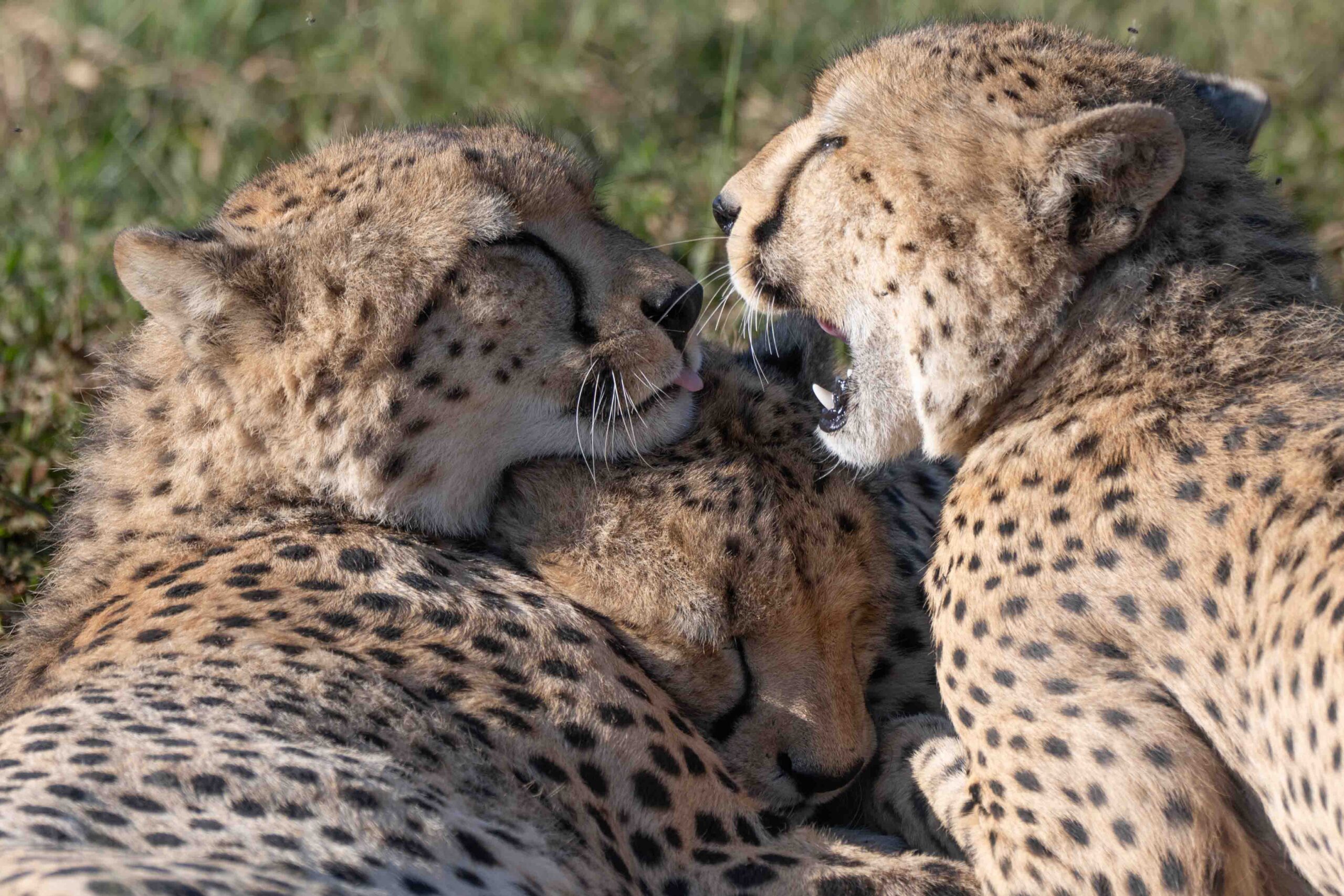
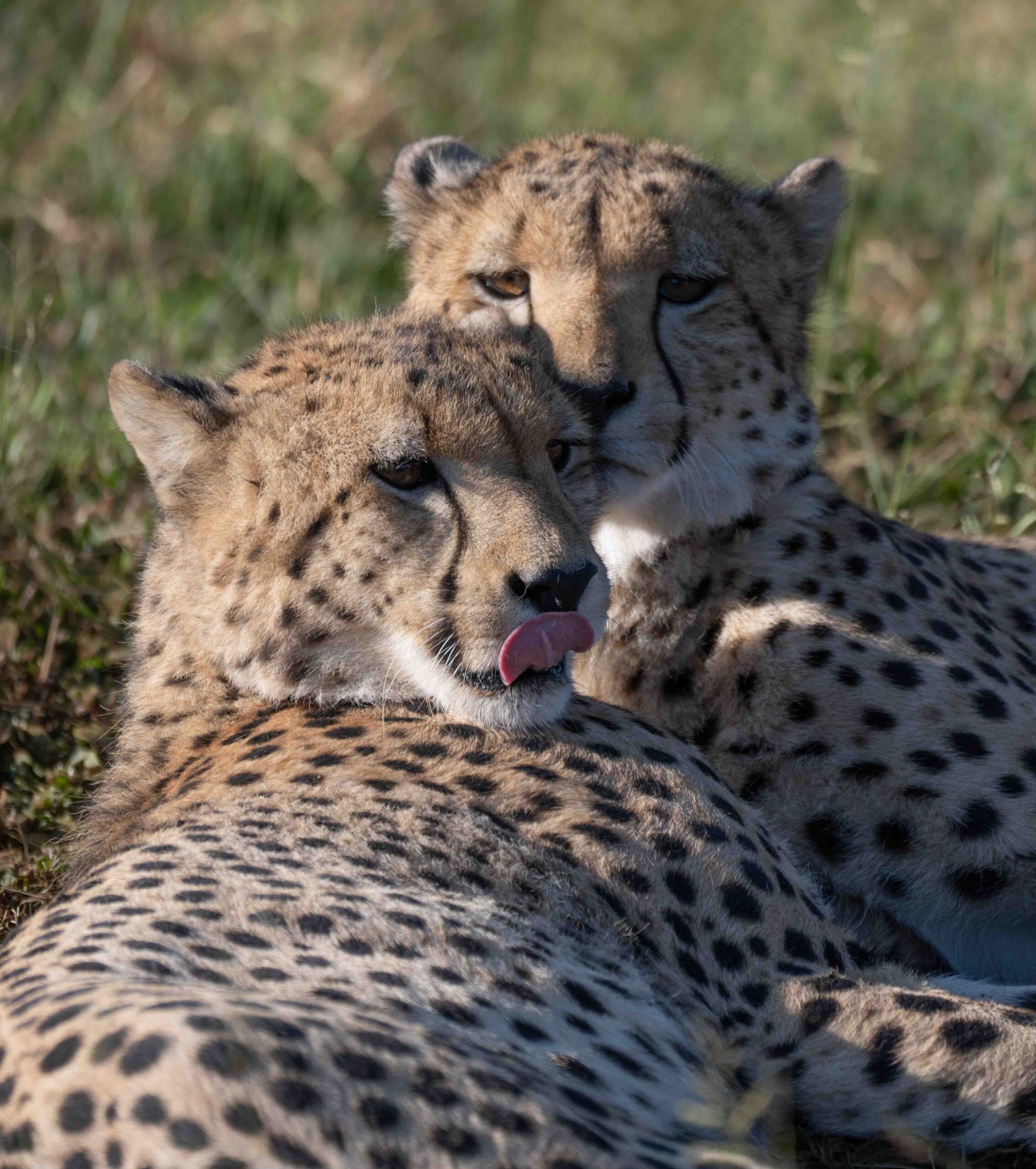
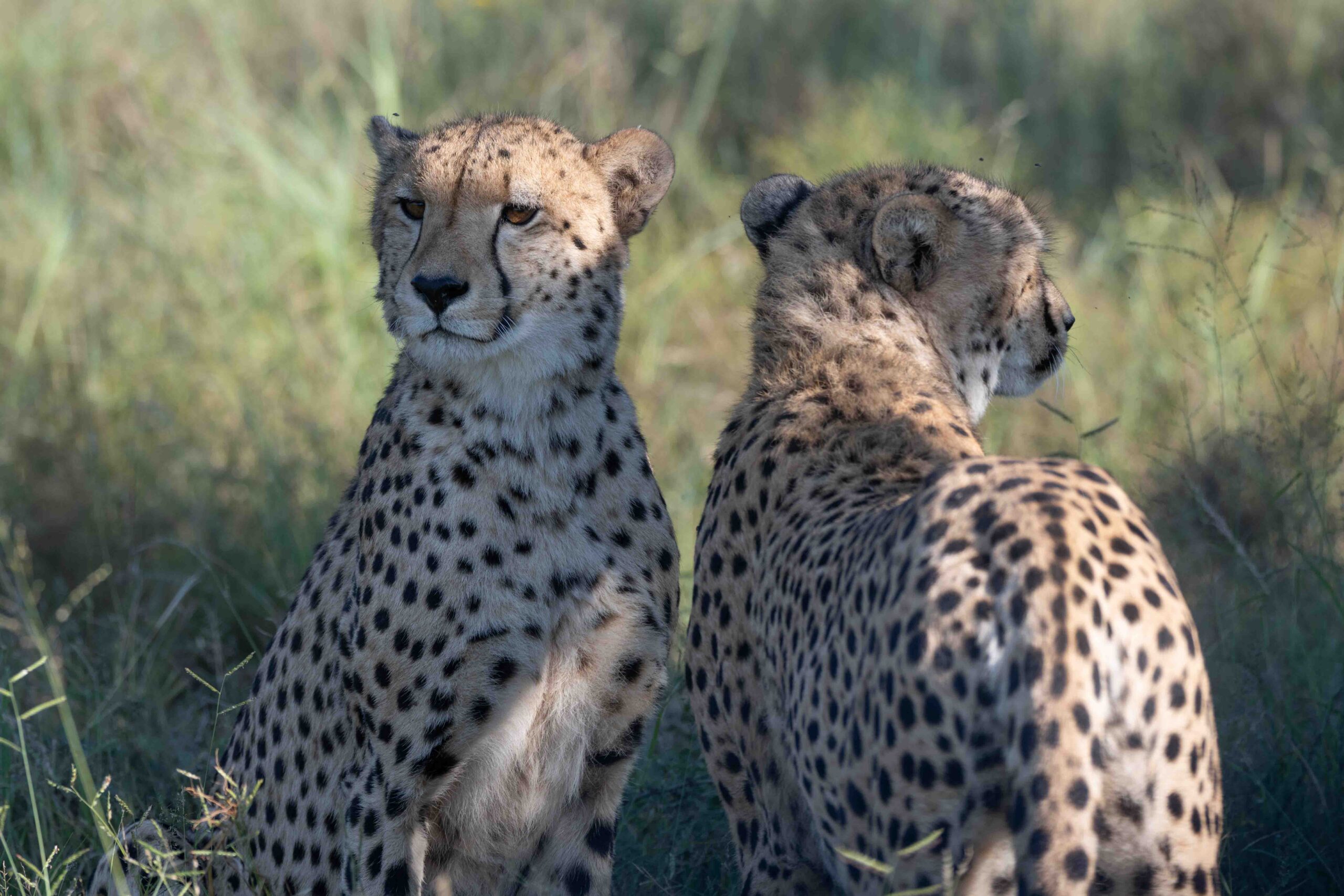
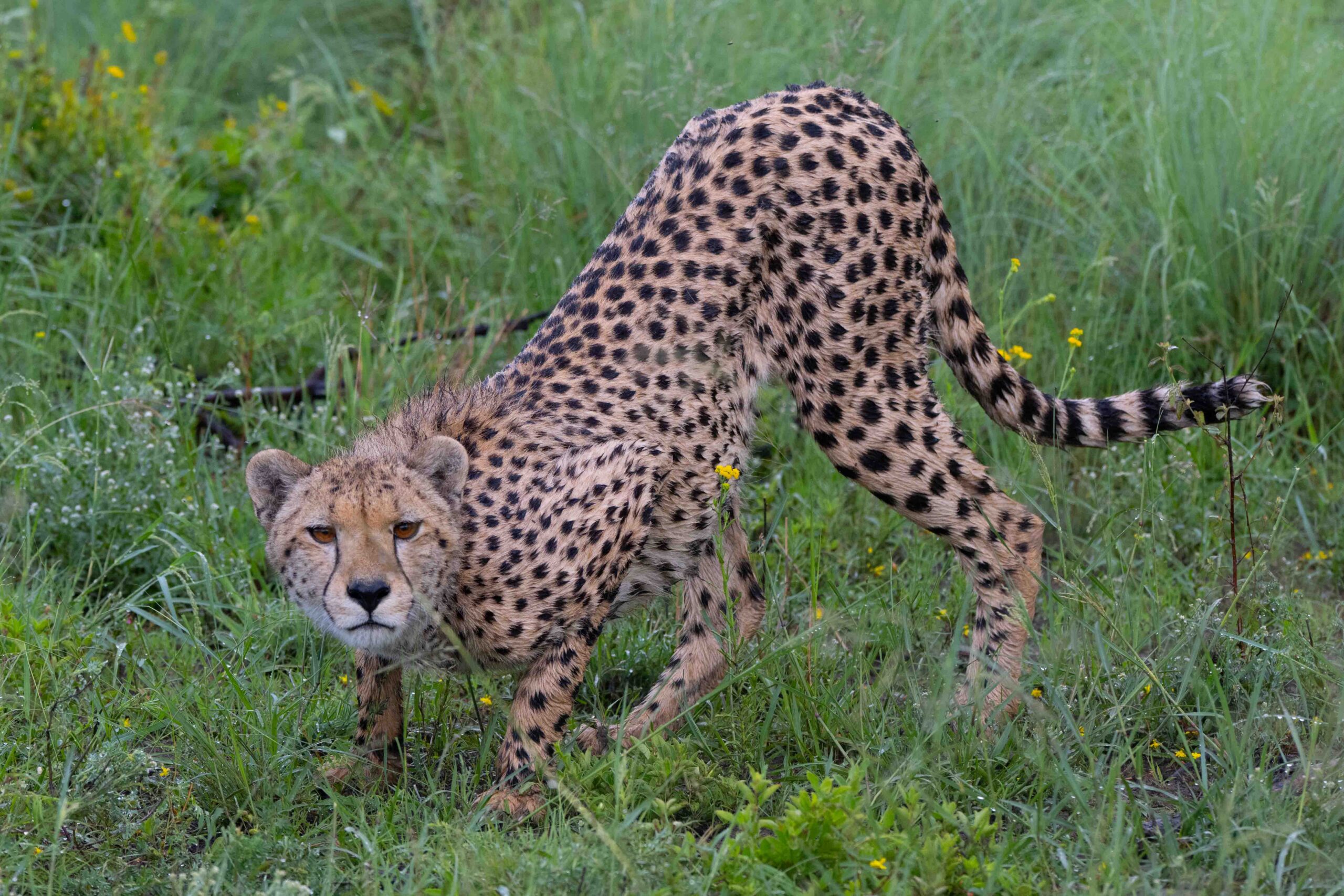
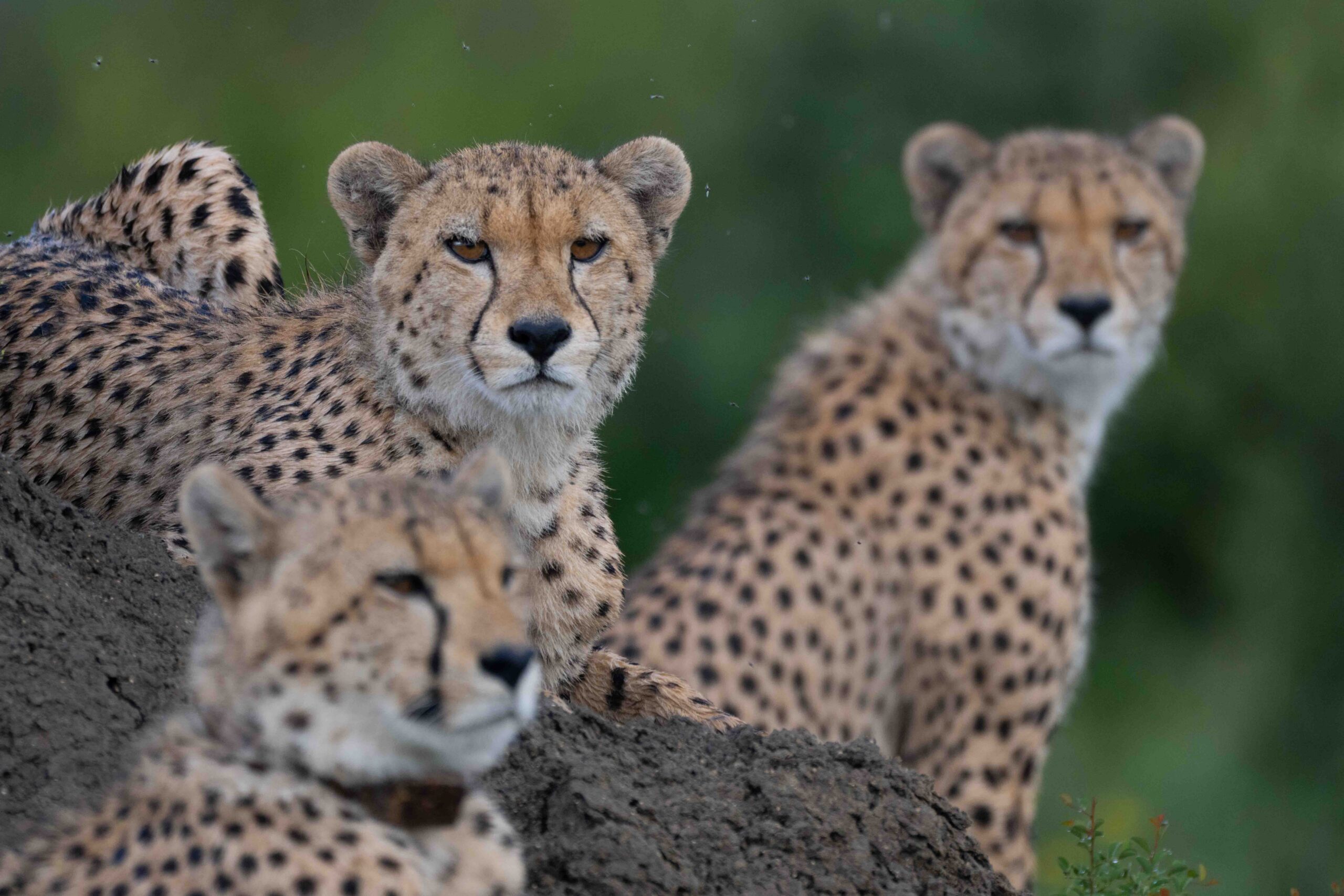
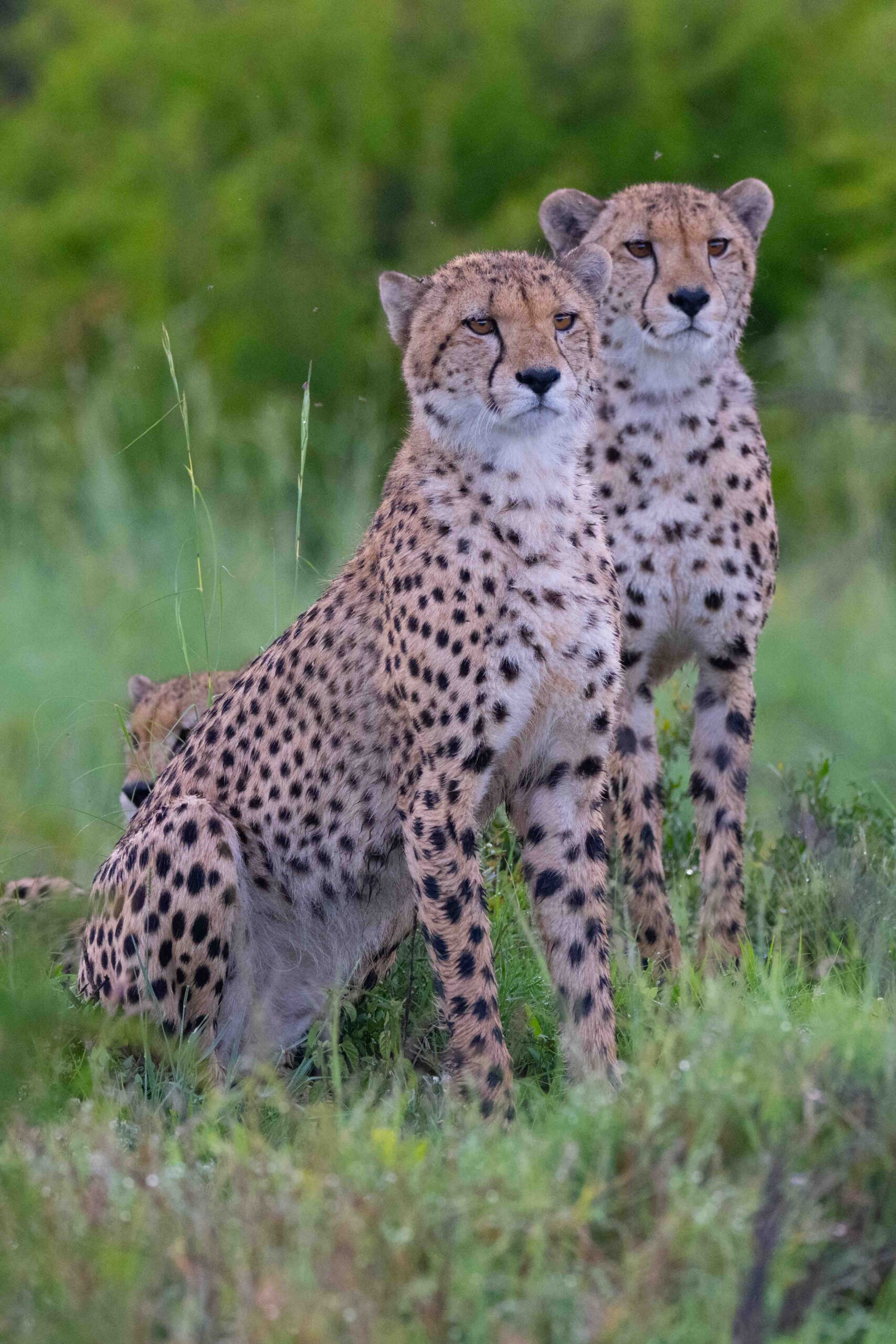
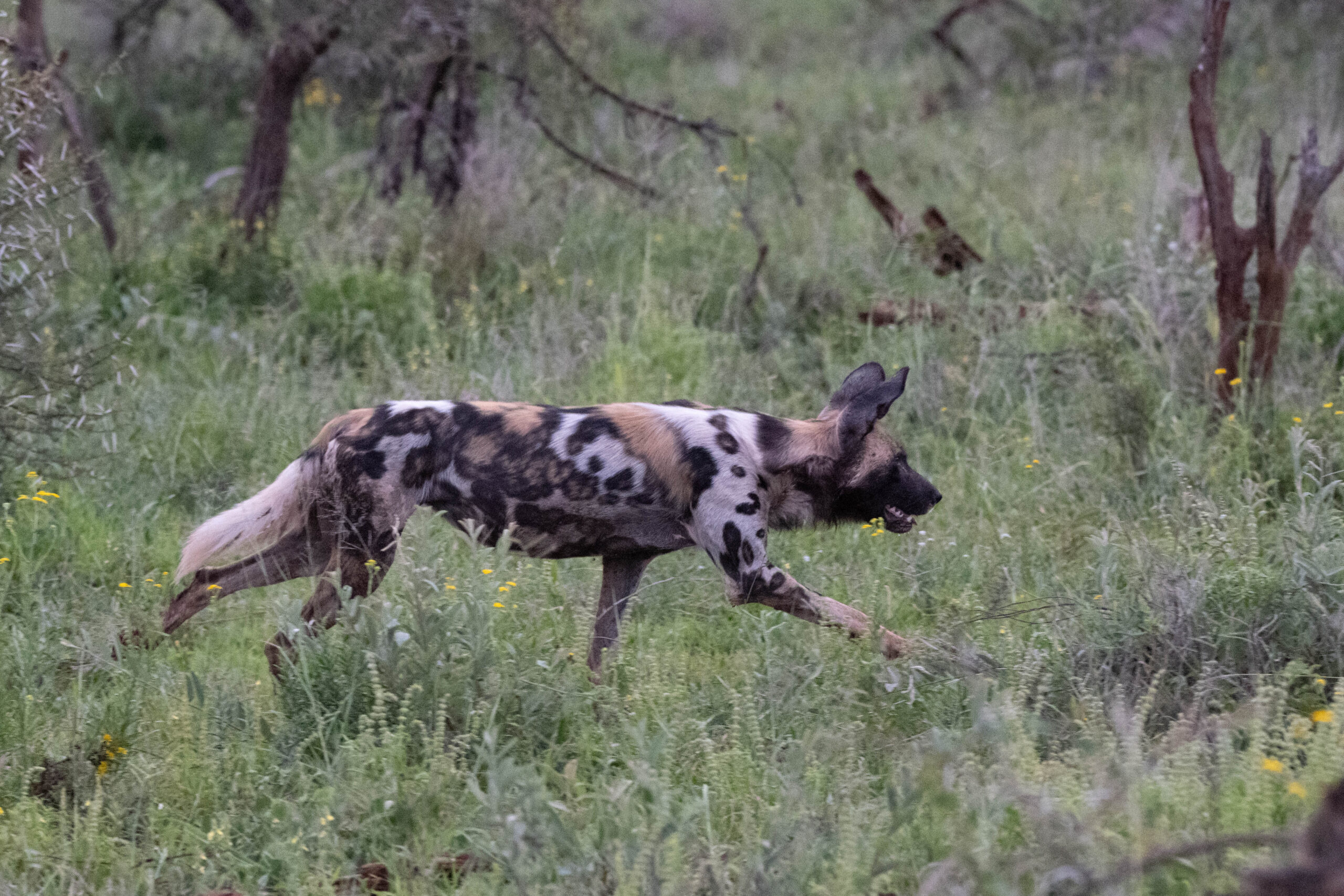
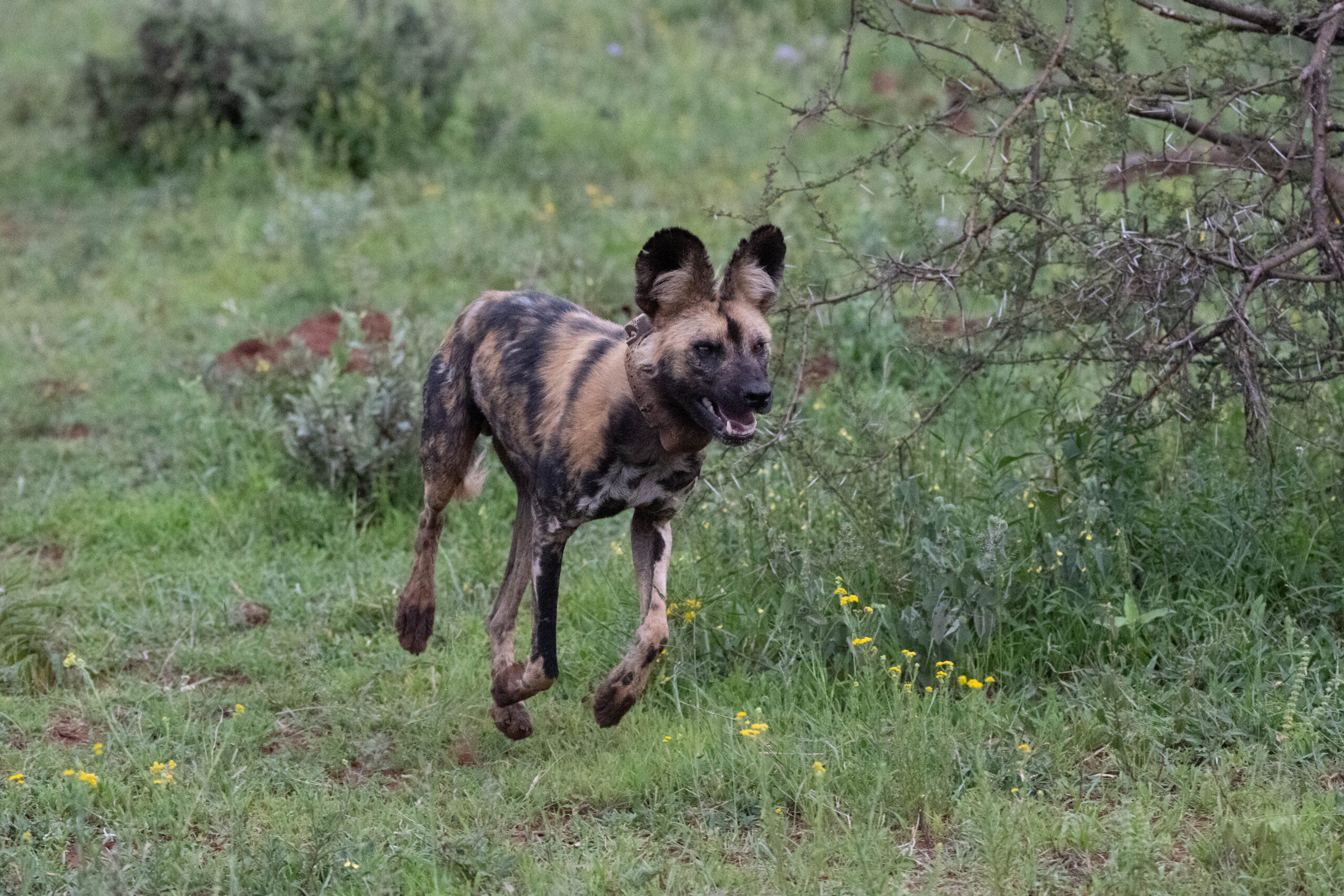
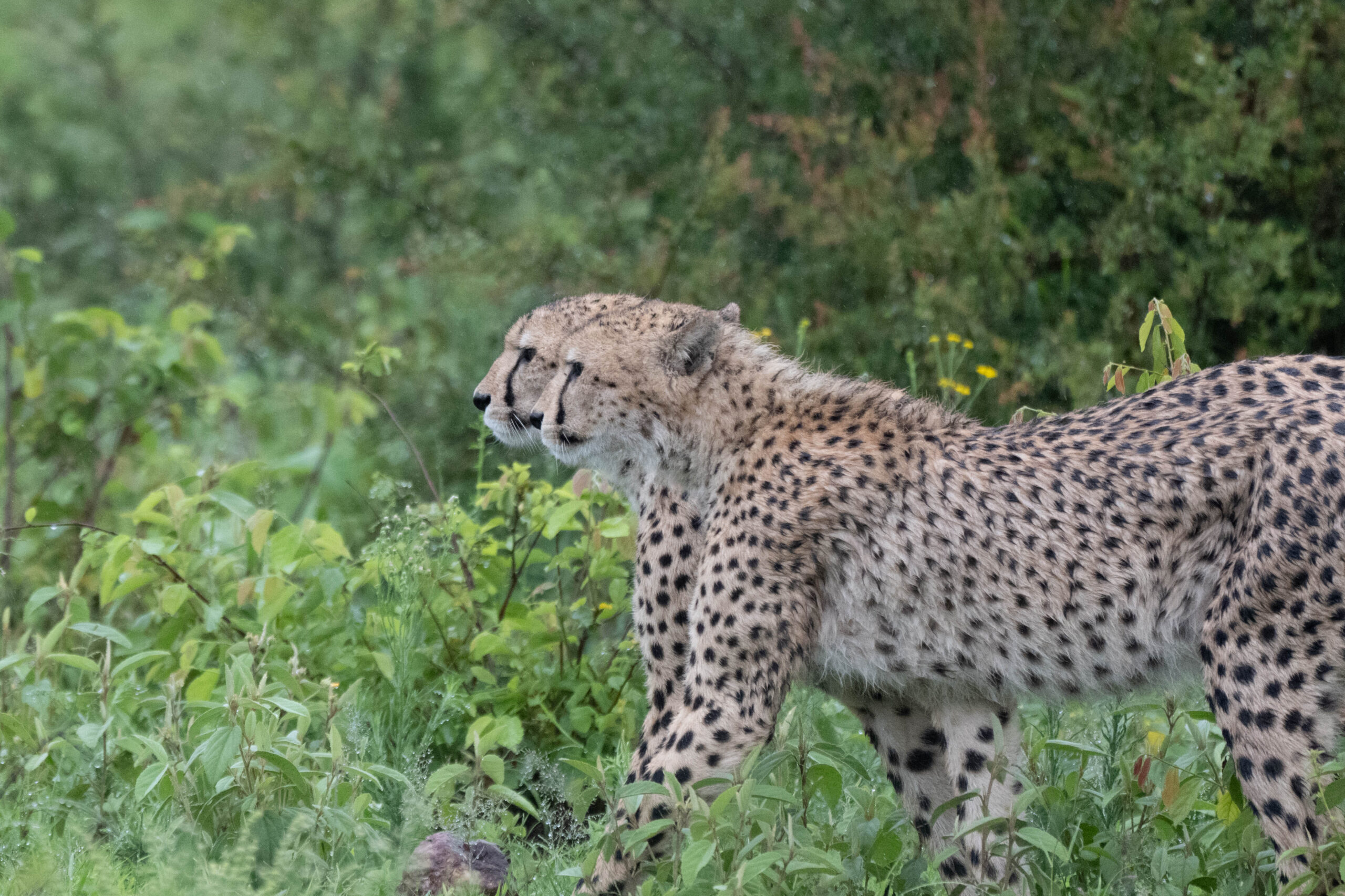
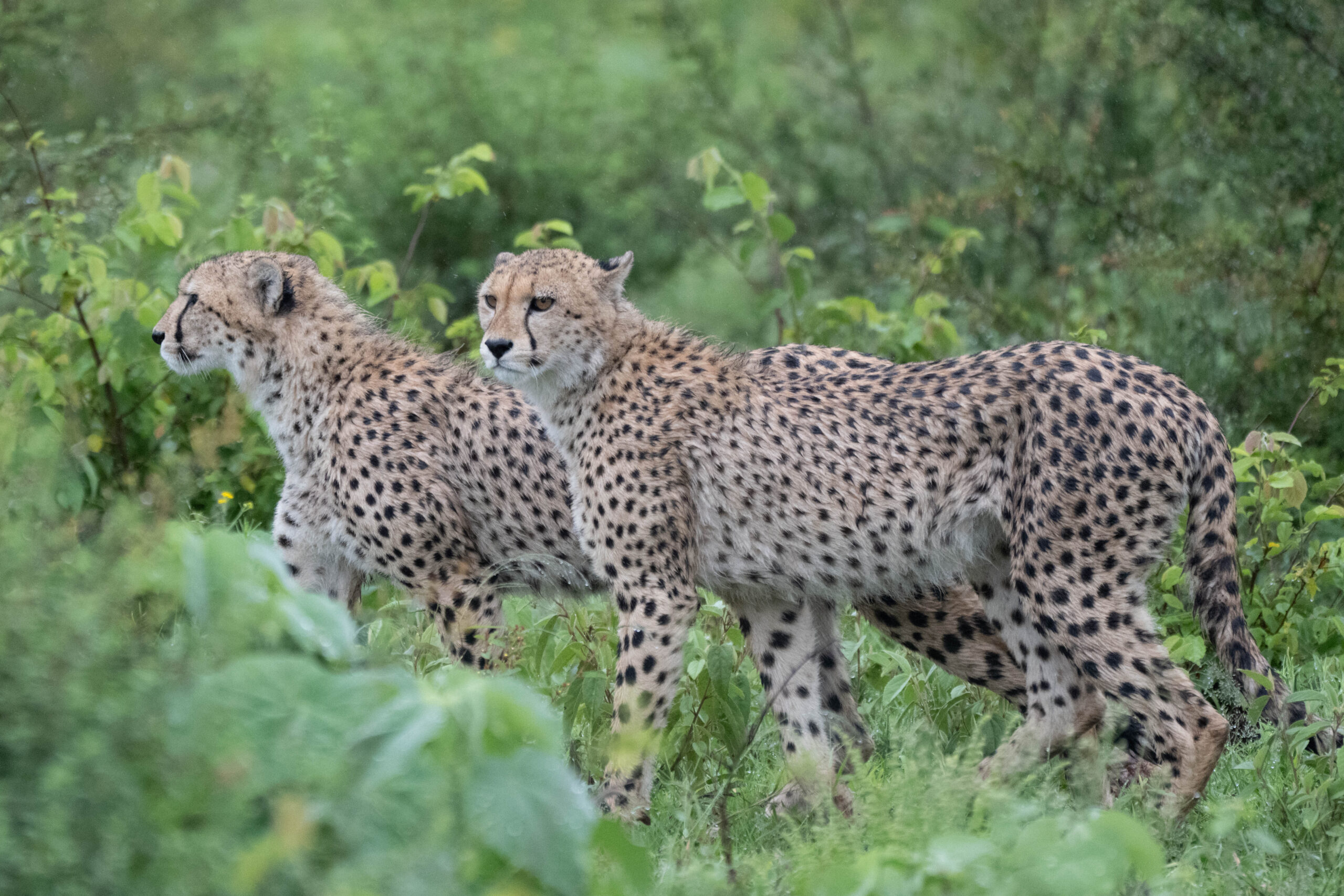
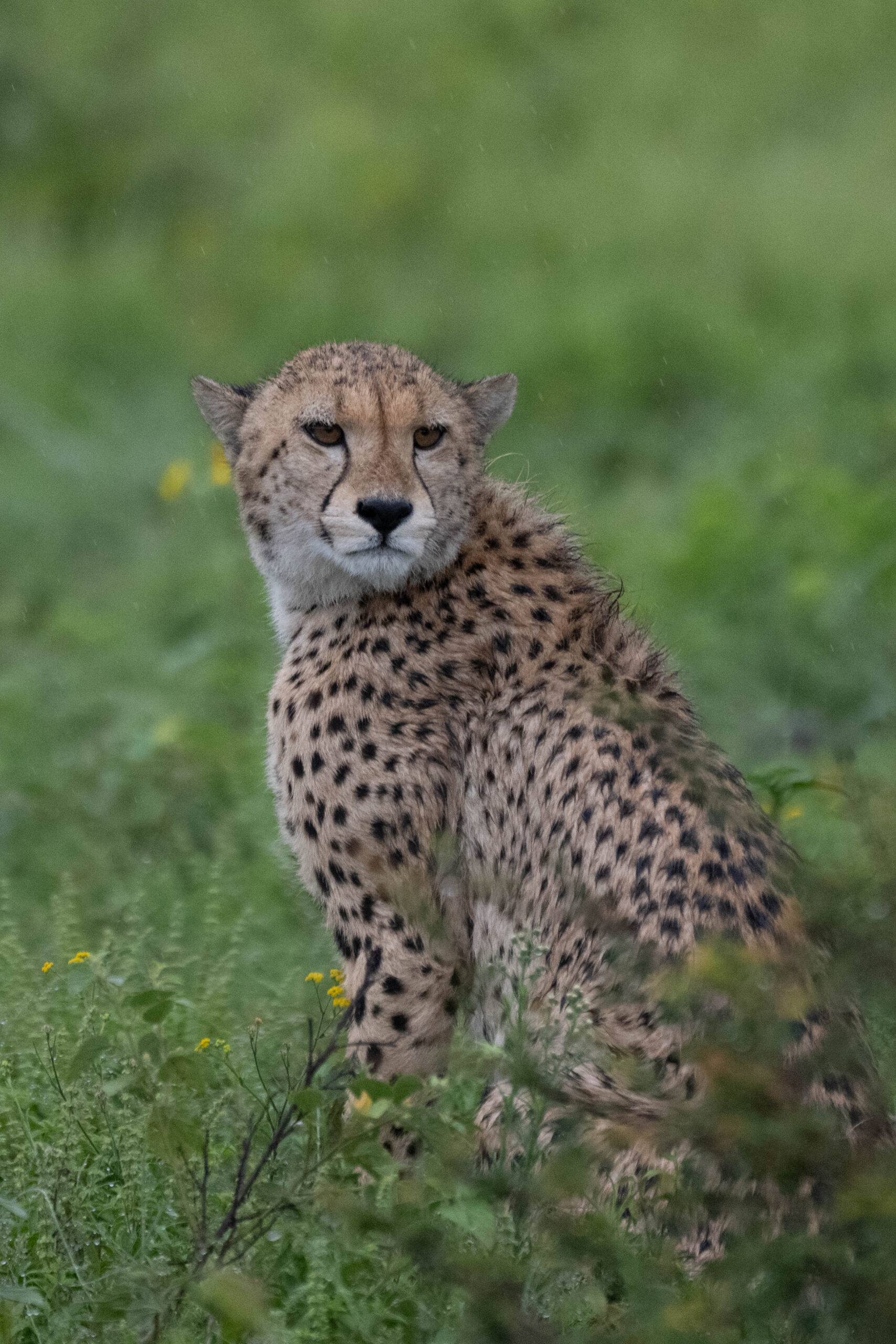
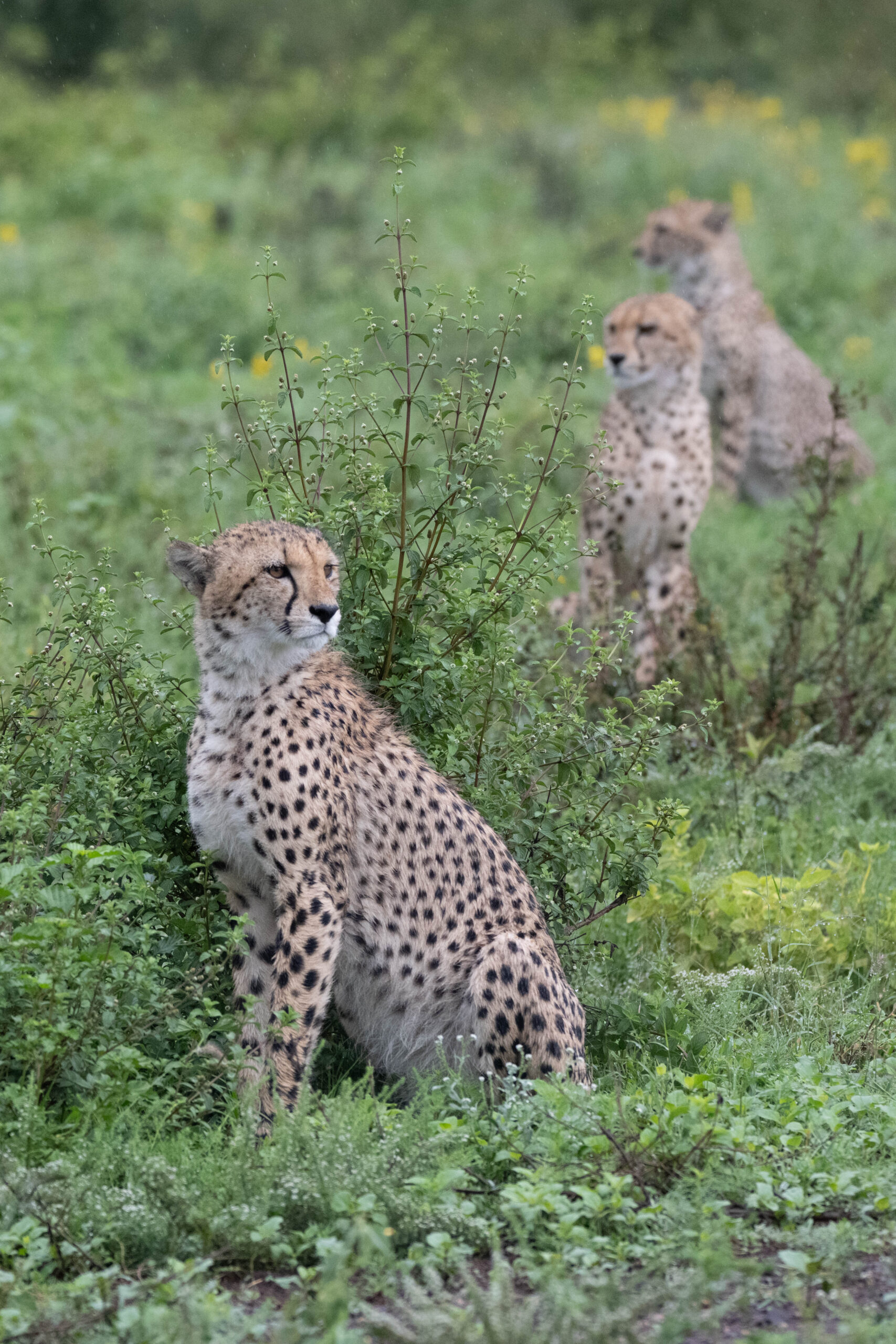
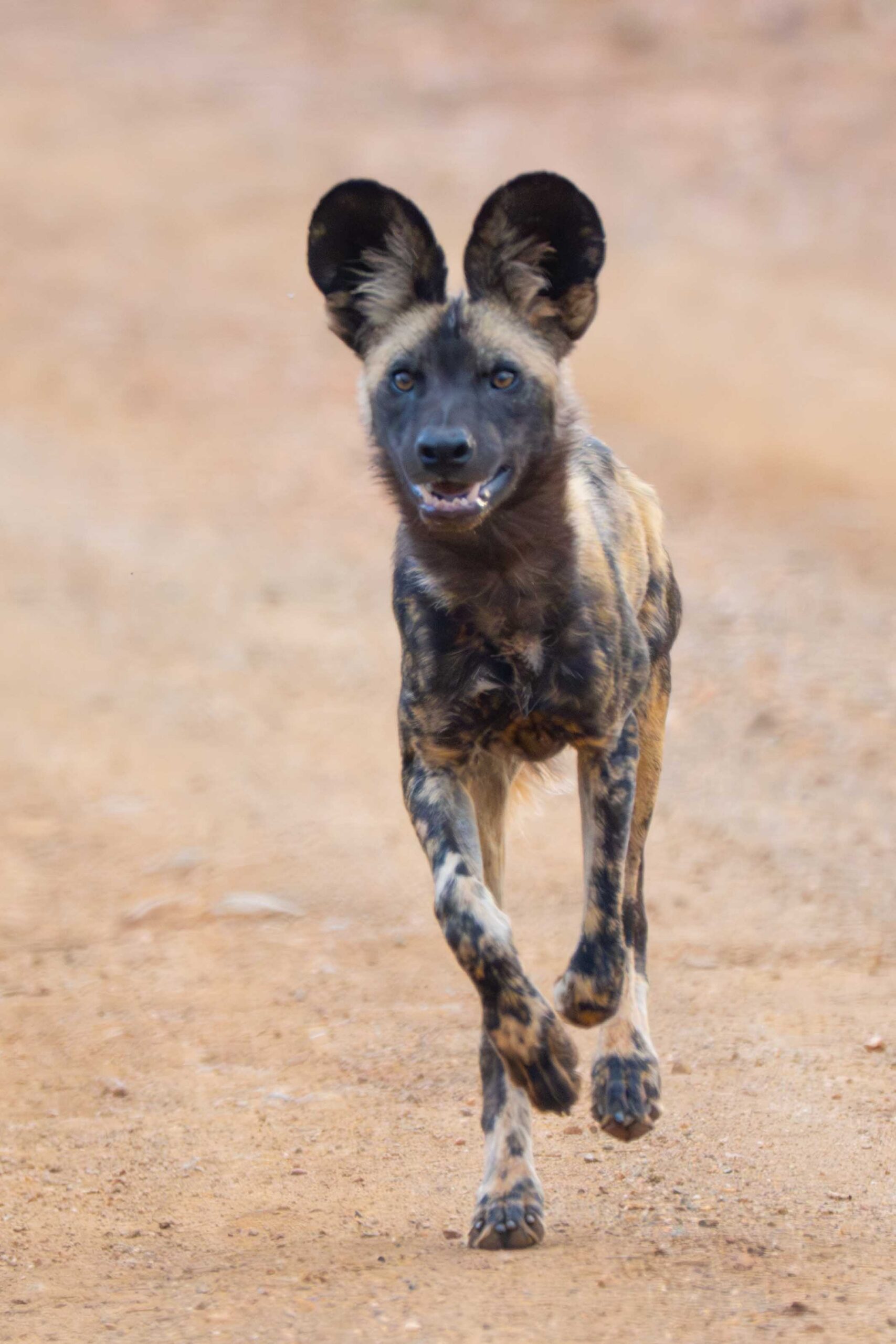
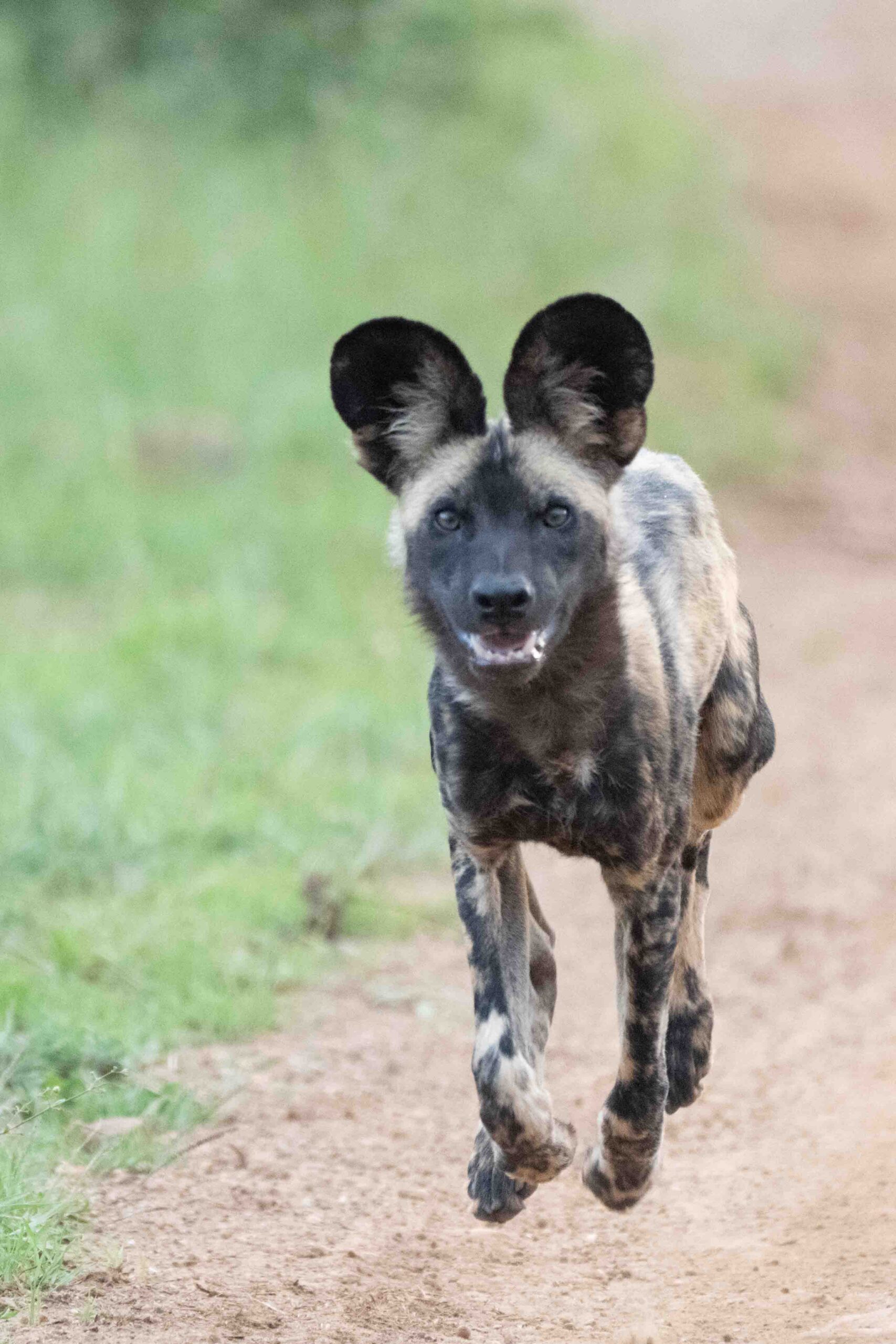
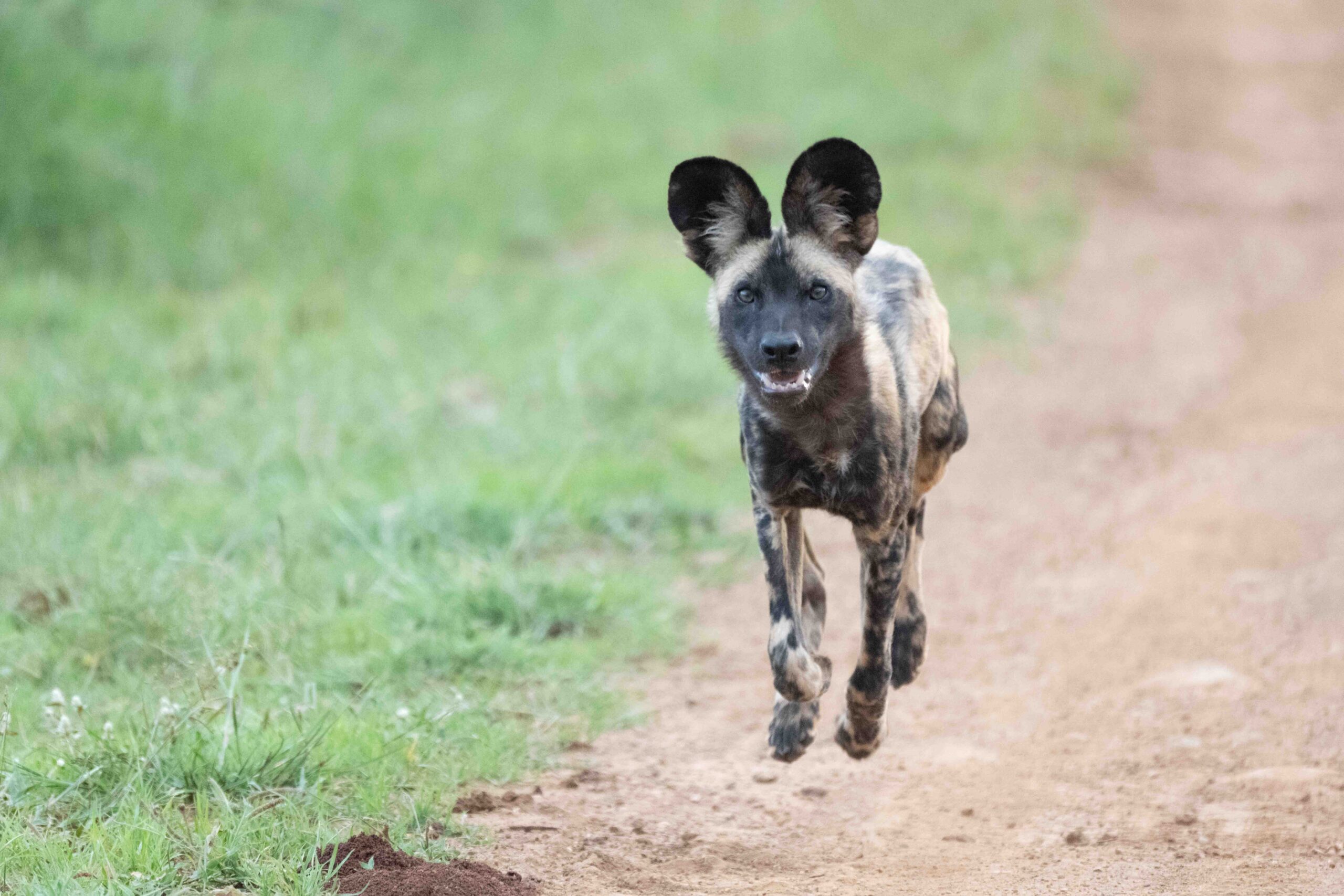
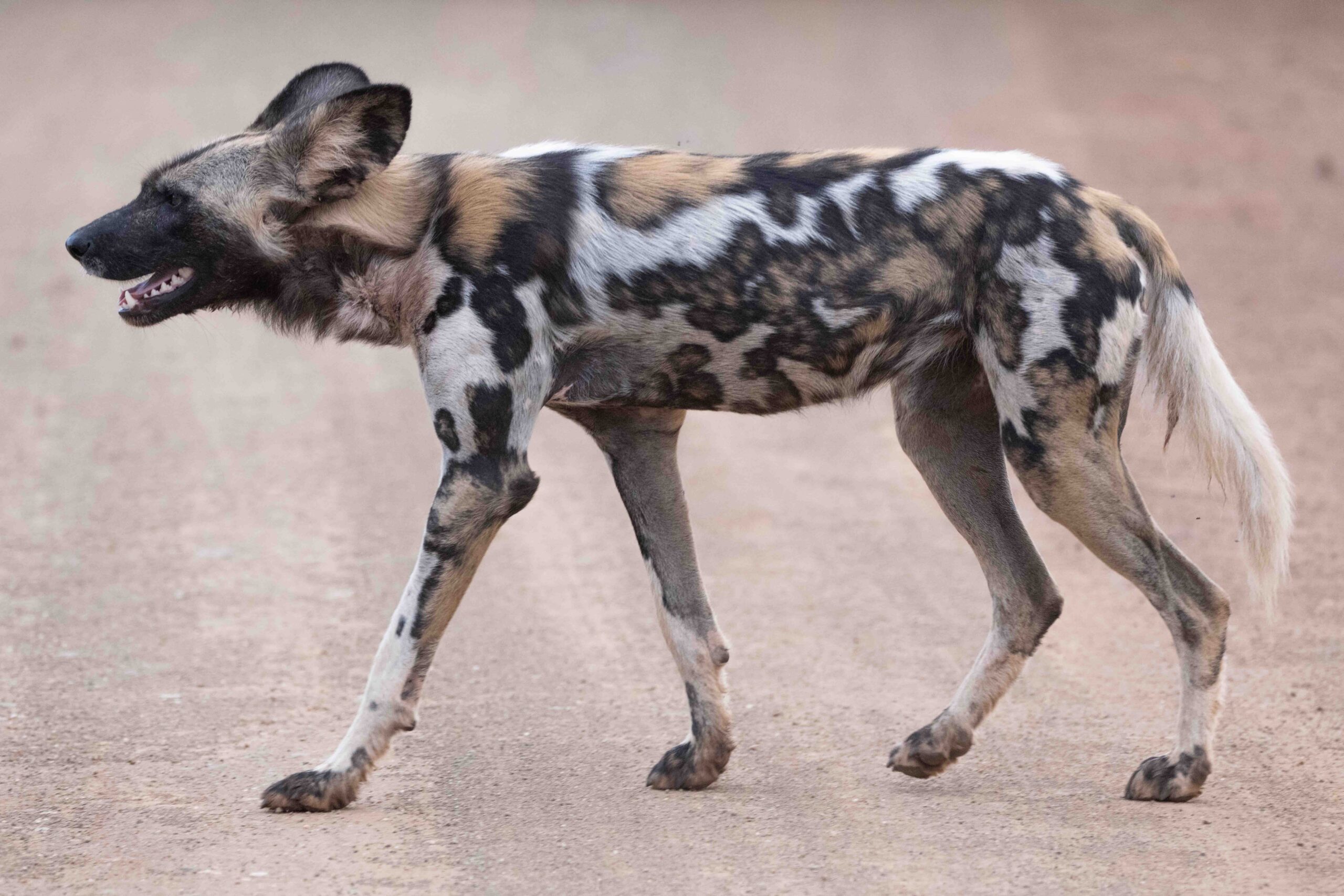
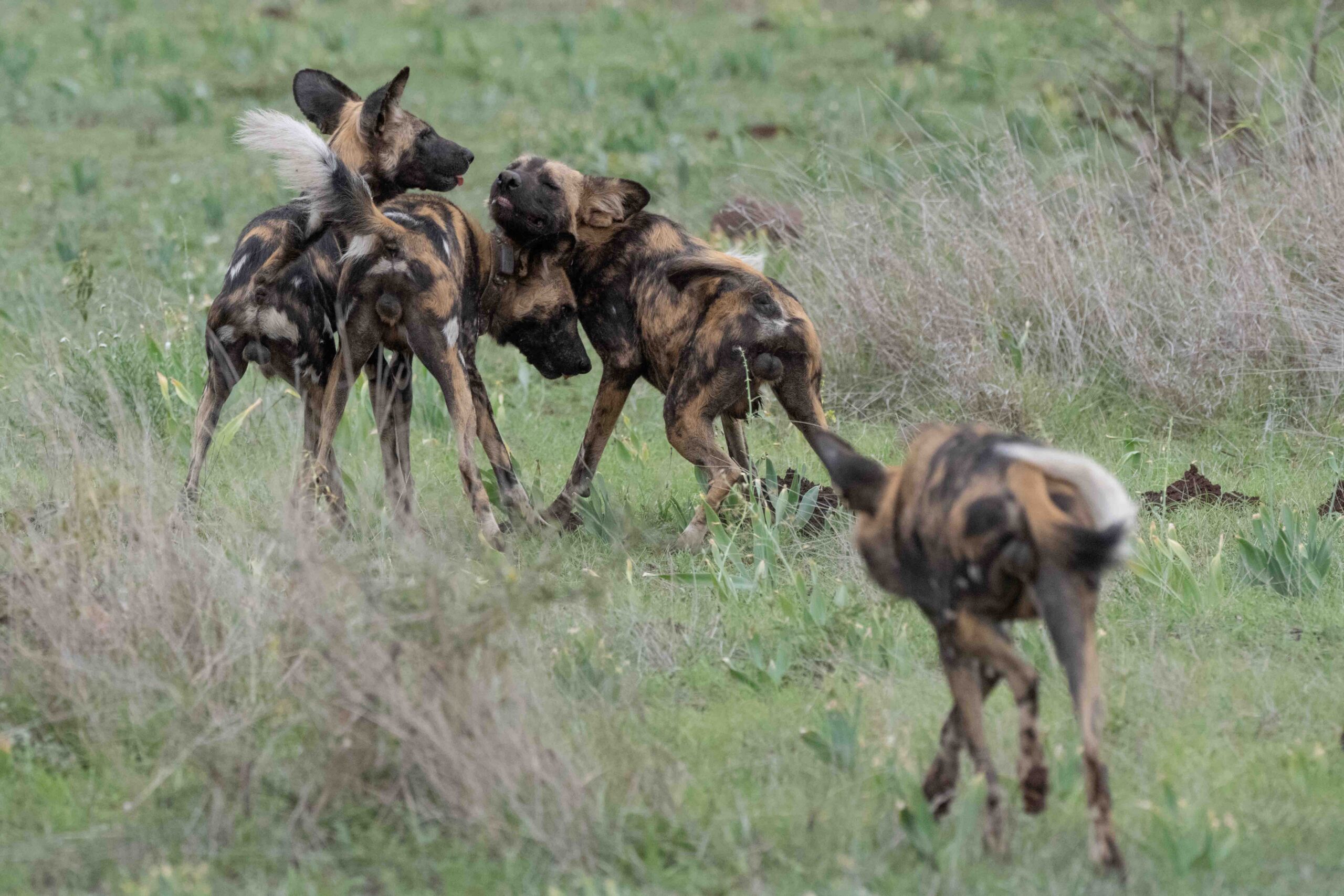
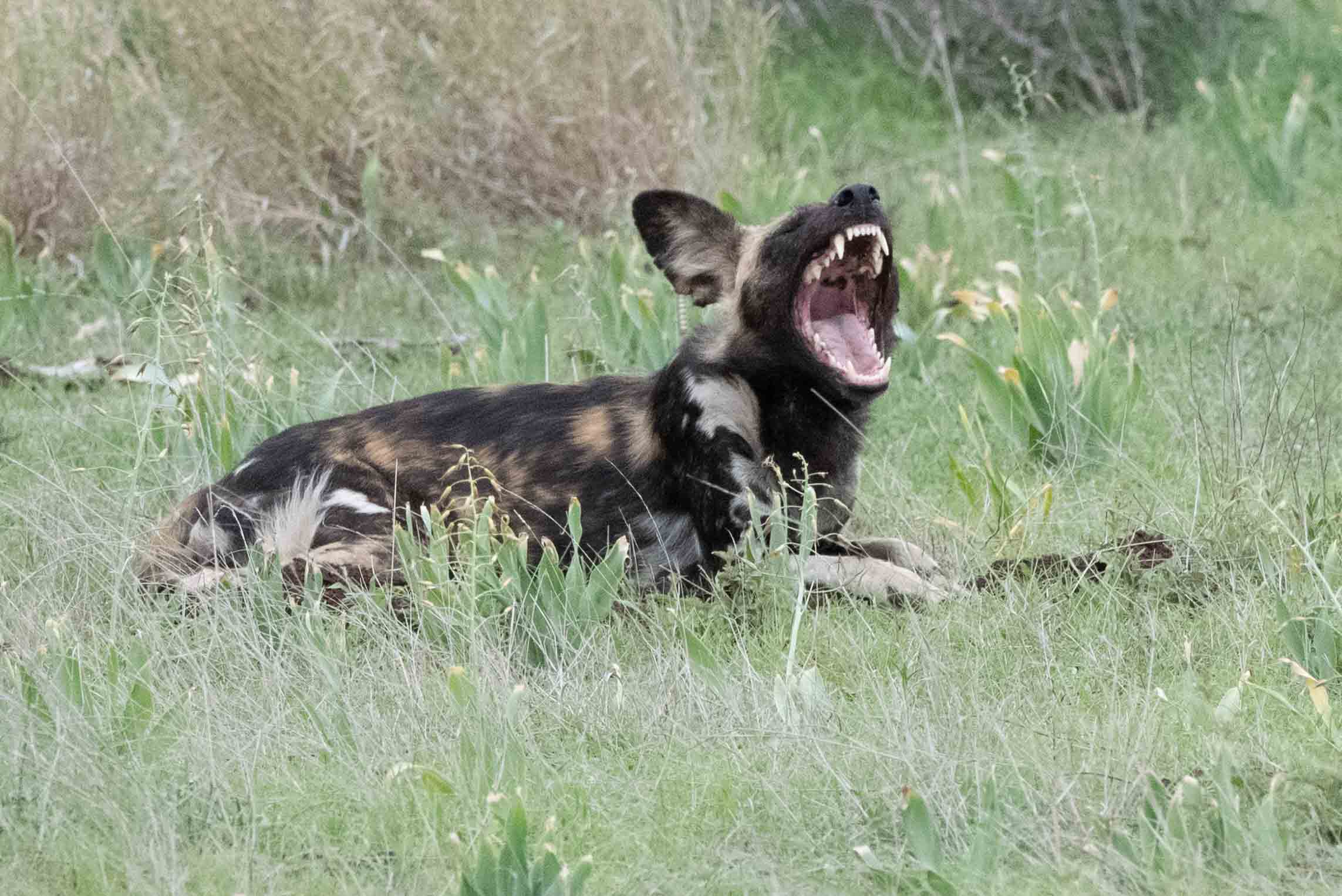
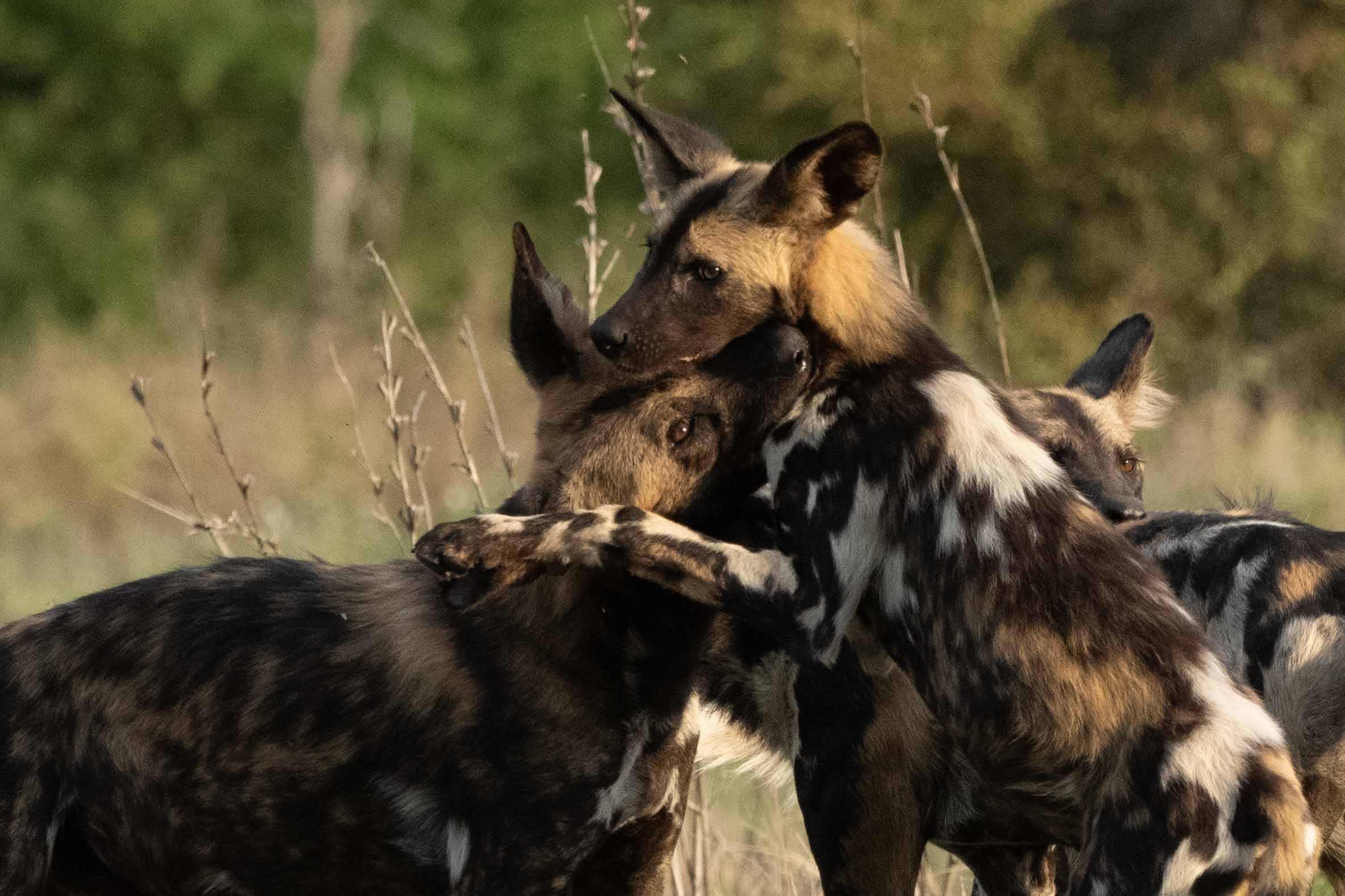
Over the next couple of days we saw the pride of 5 cheetah brothers, a couple of prides of lions, and two packs of African wild dog. The wild dogs start getting active at about sundown, and they run around and yip at each other and play like real puppies. Of course, being a dog lover, I was enthralled by this!
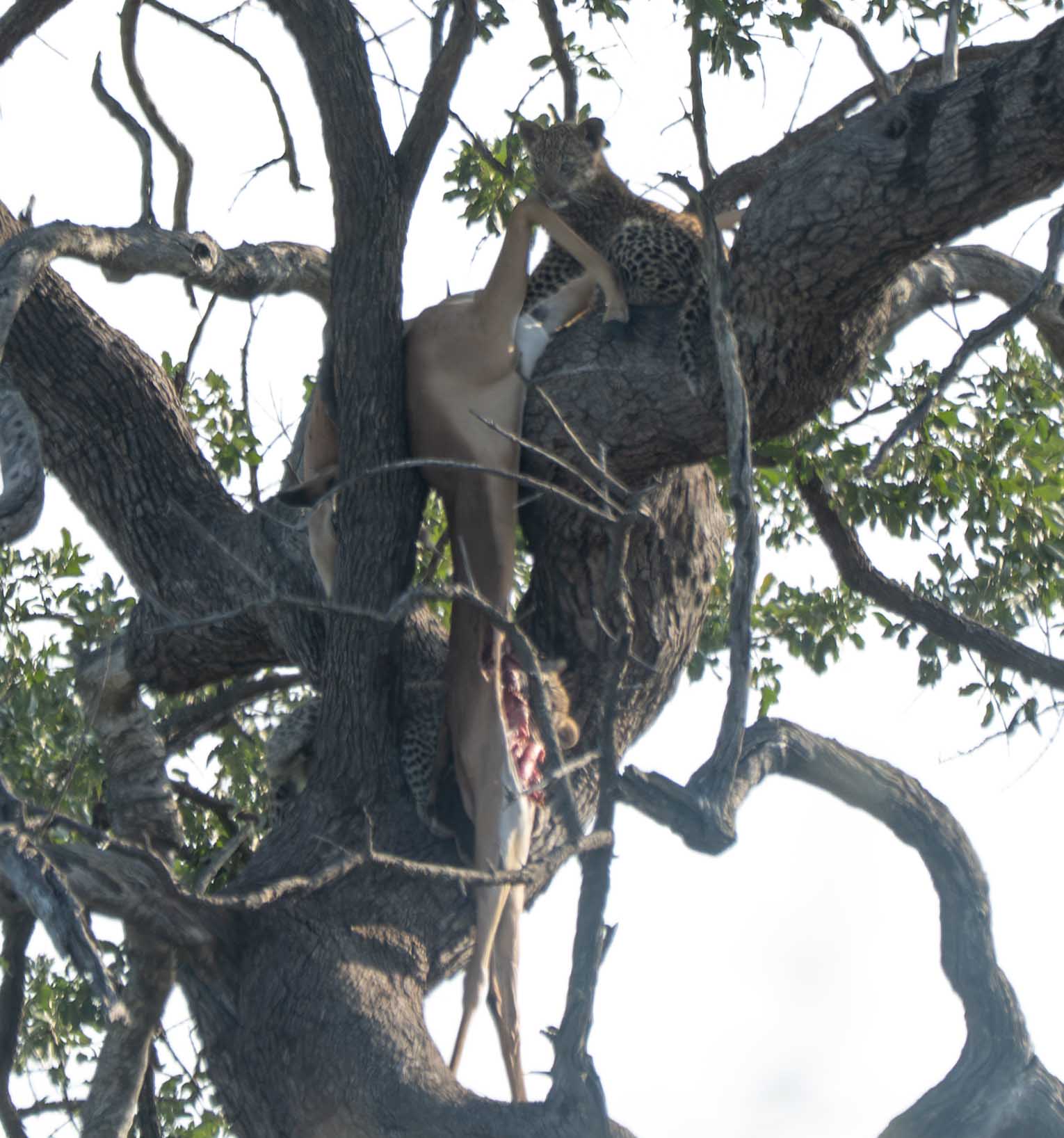
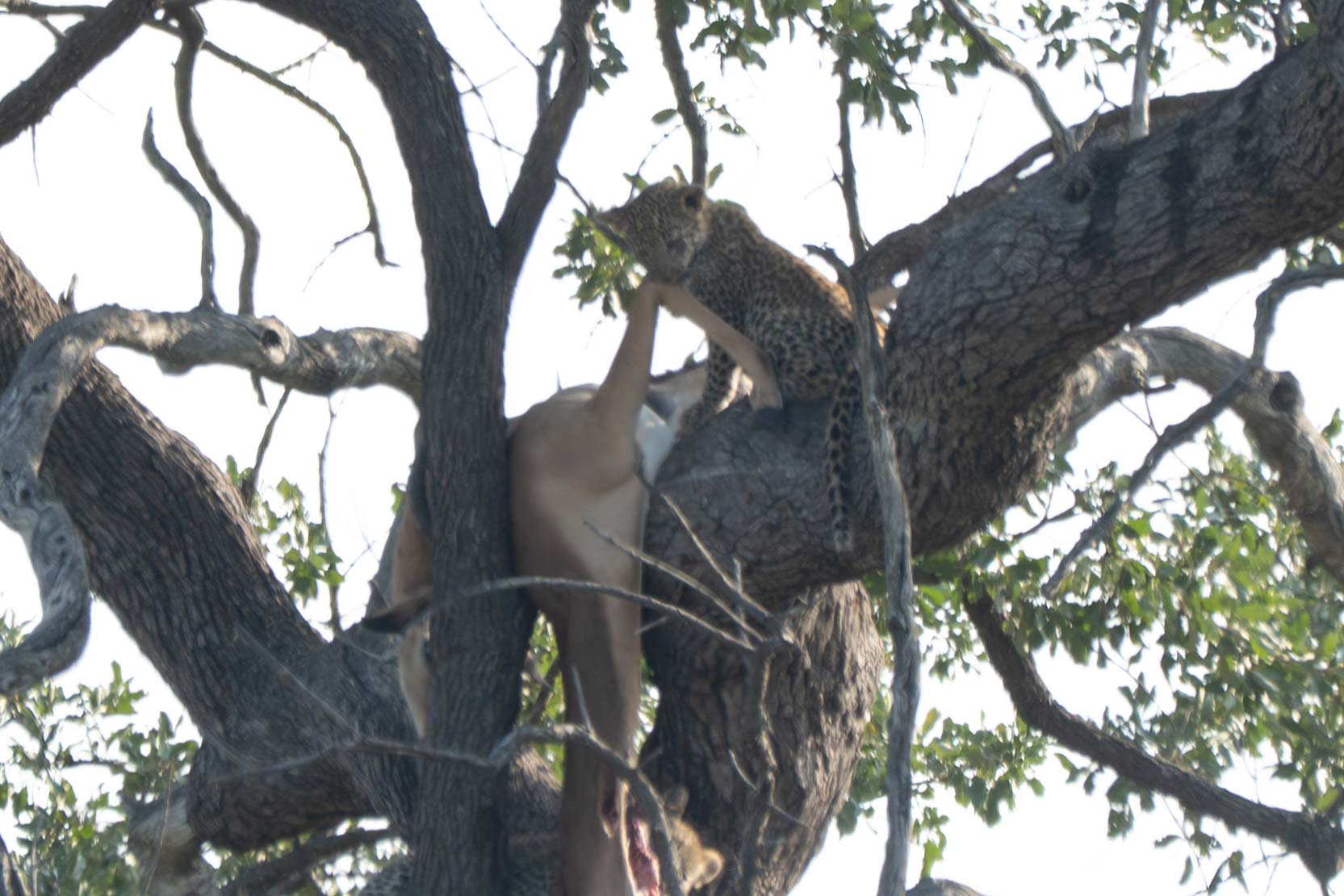
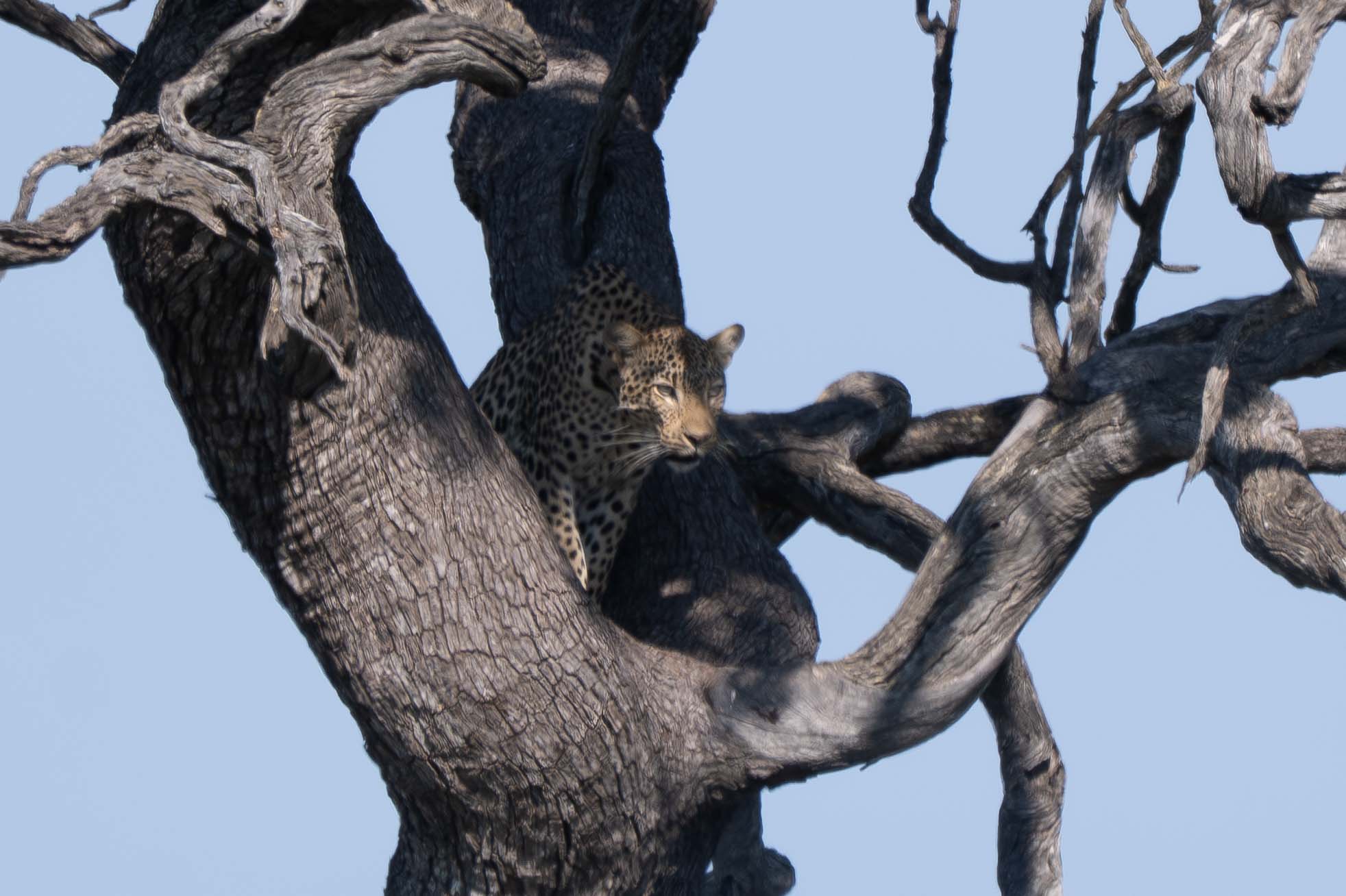
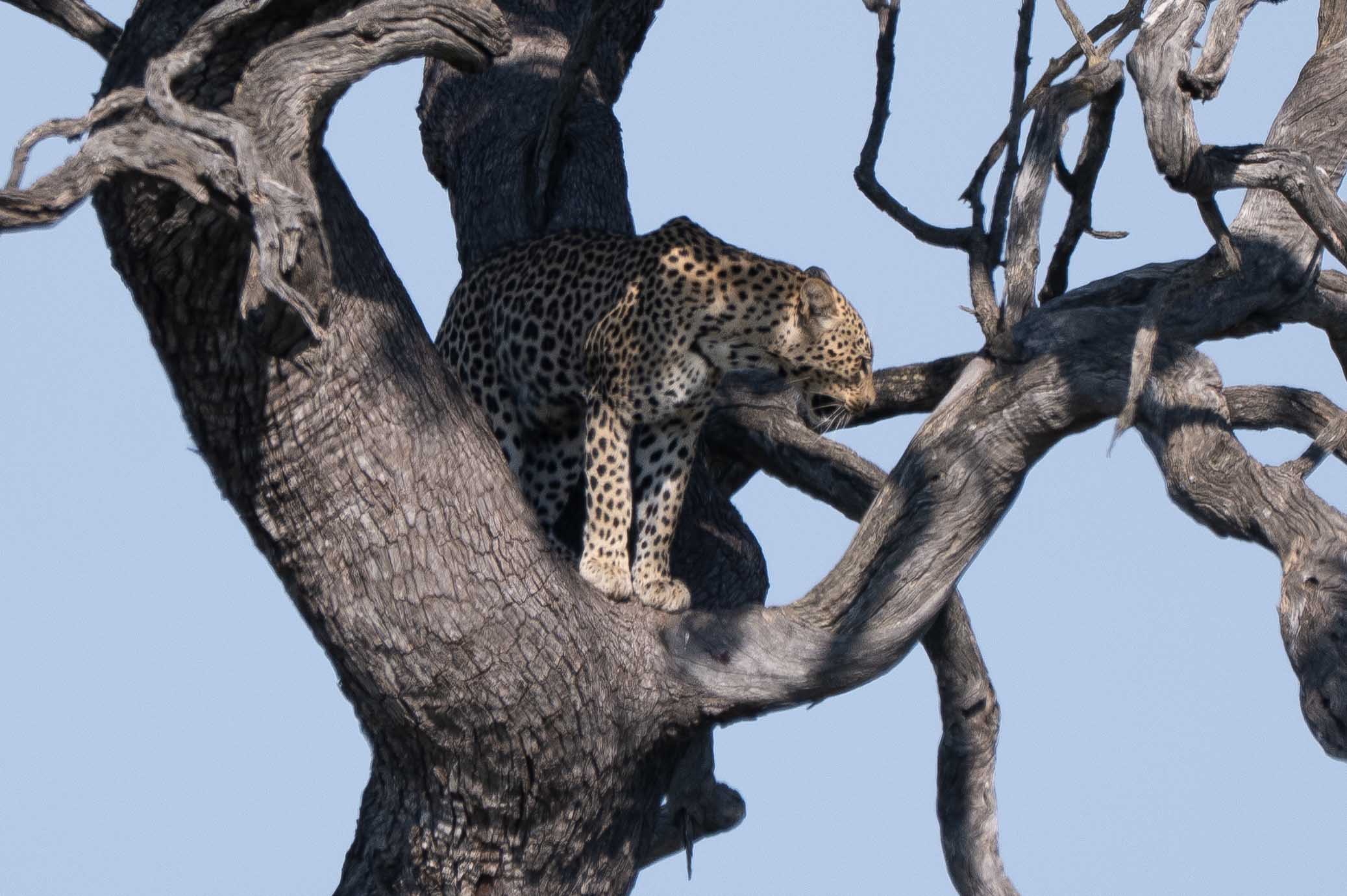
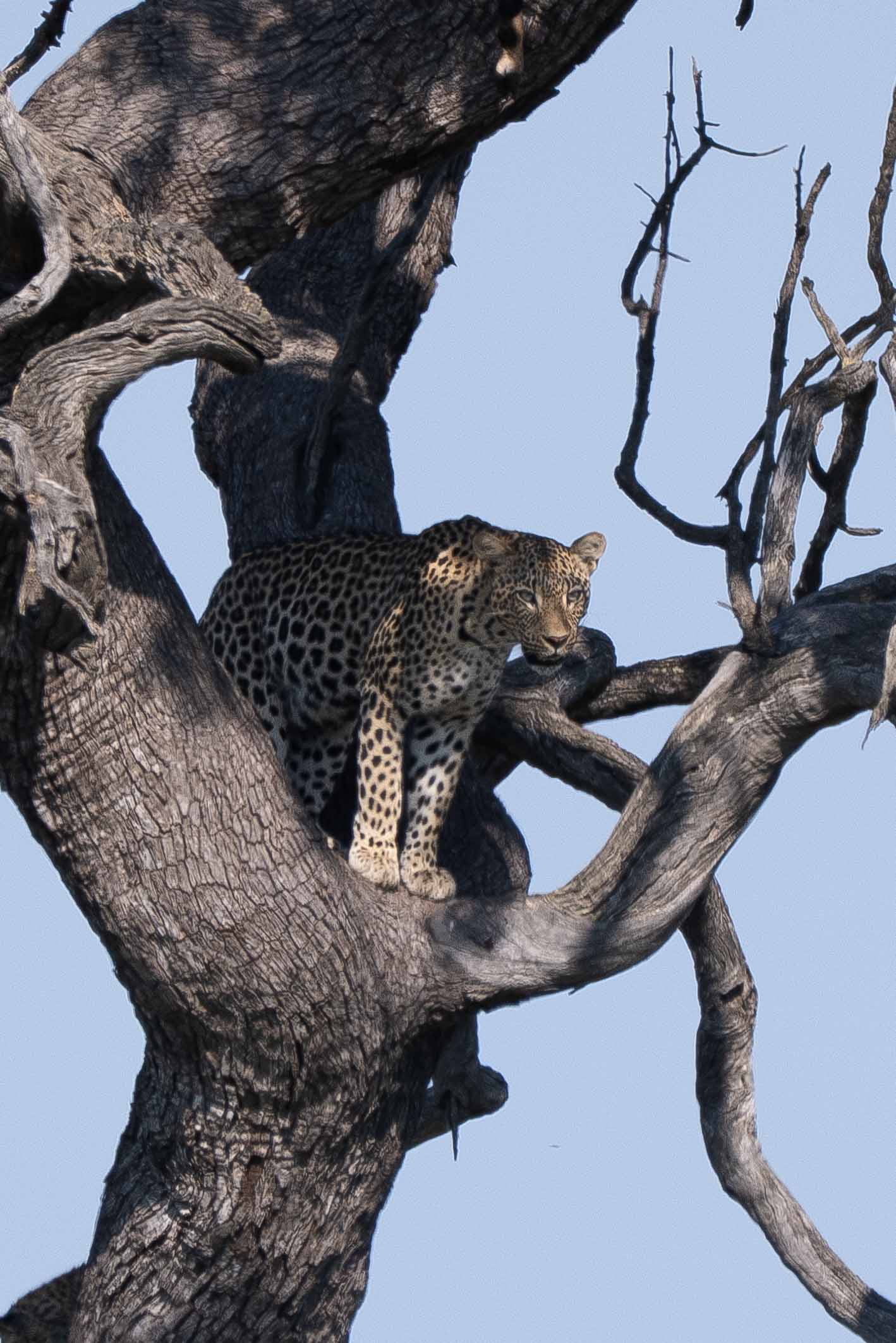
We also were privileged to see two leopard cubs up a tree gnawing on an impala that mom had killed and dragged up and wedged into the branches of the tree. Unfortunately we were quite far away so the photos aren’t great, but you can get the gist of it.
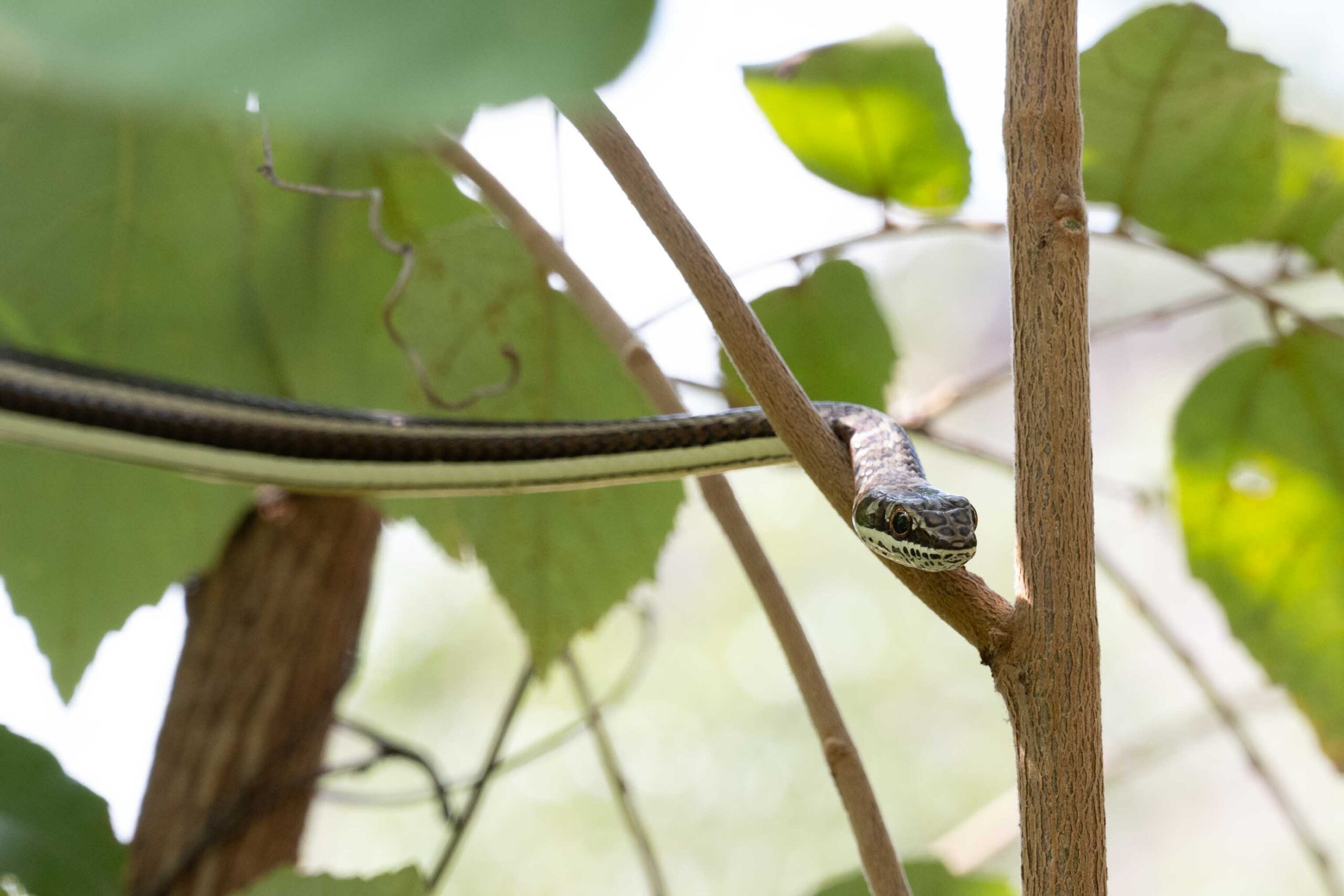
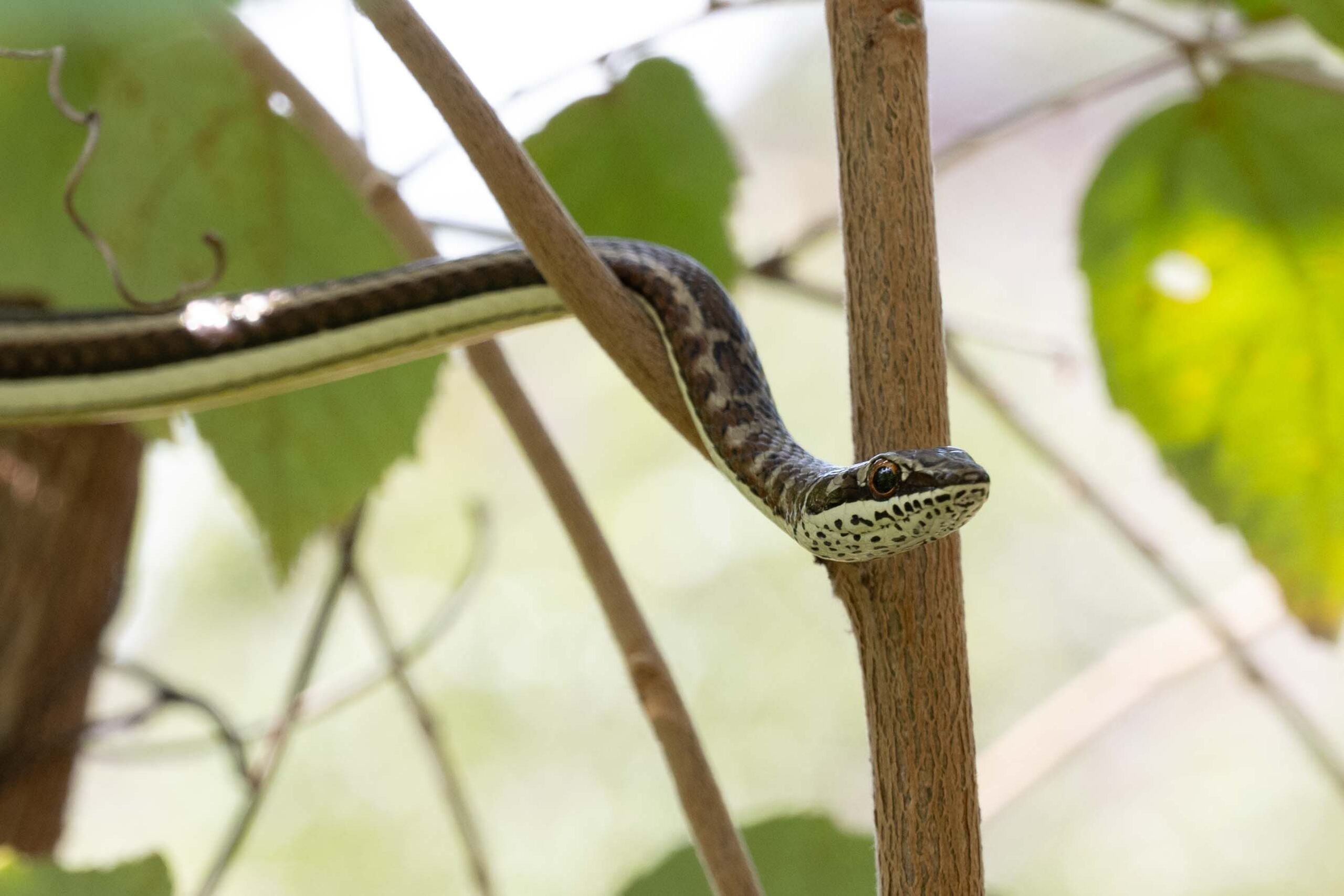
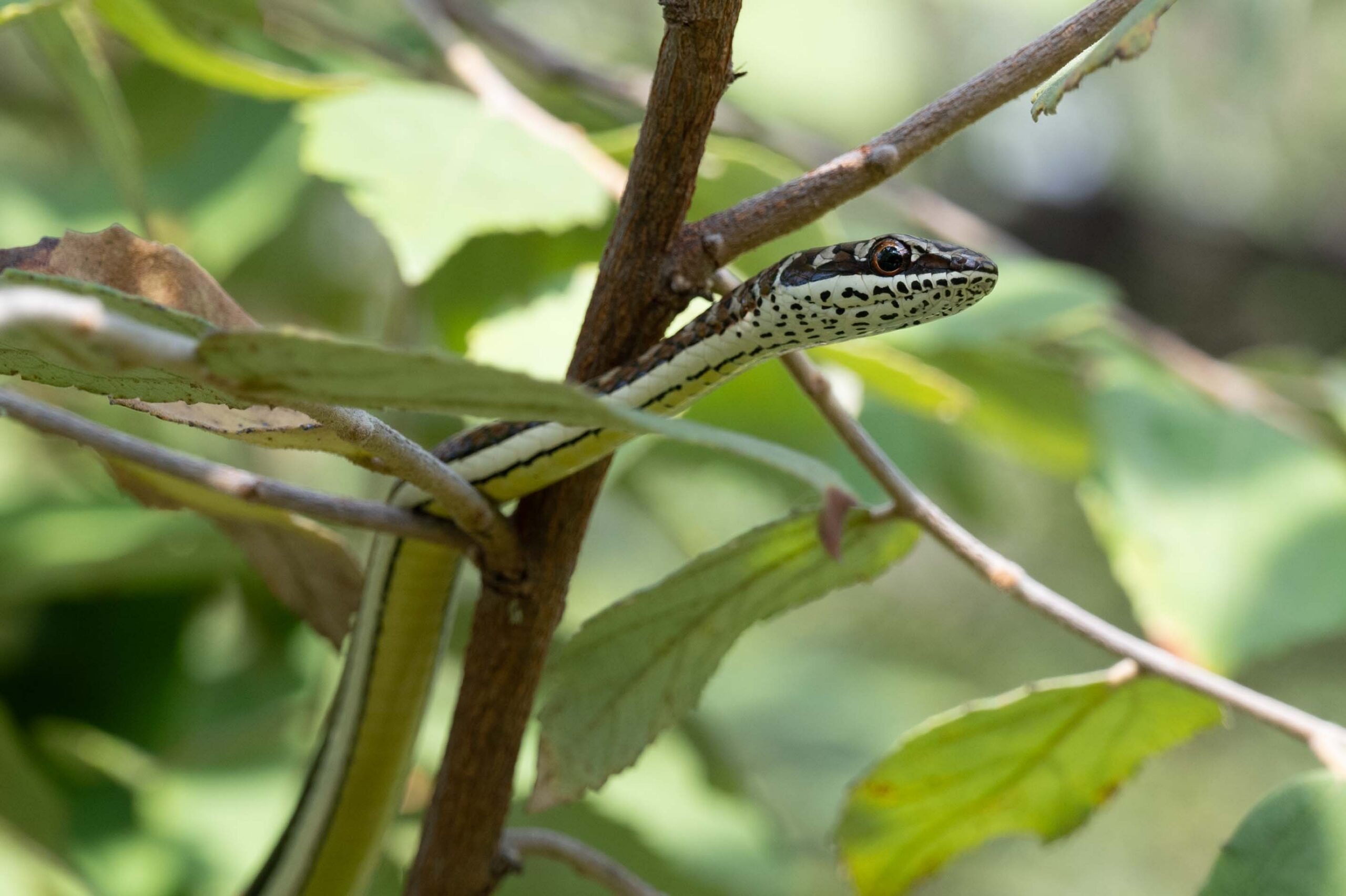
Western Yellow-bellied Sand Snake – we had just arrived in camp and completed the “tour” when our host noticed this snake slithering up a tree.
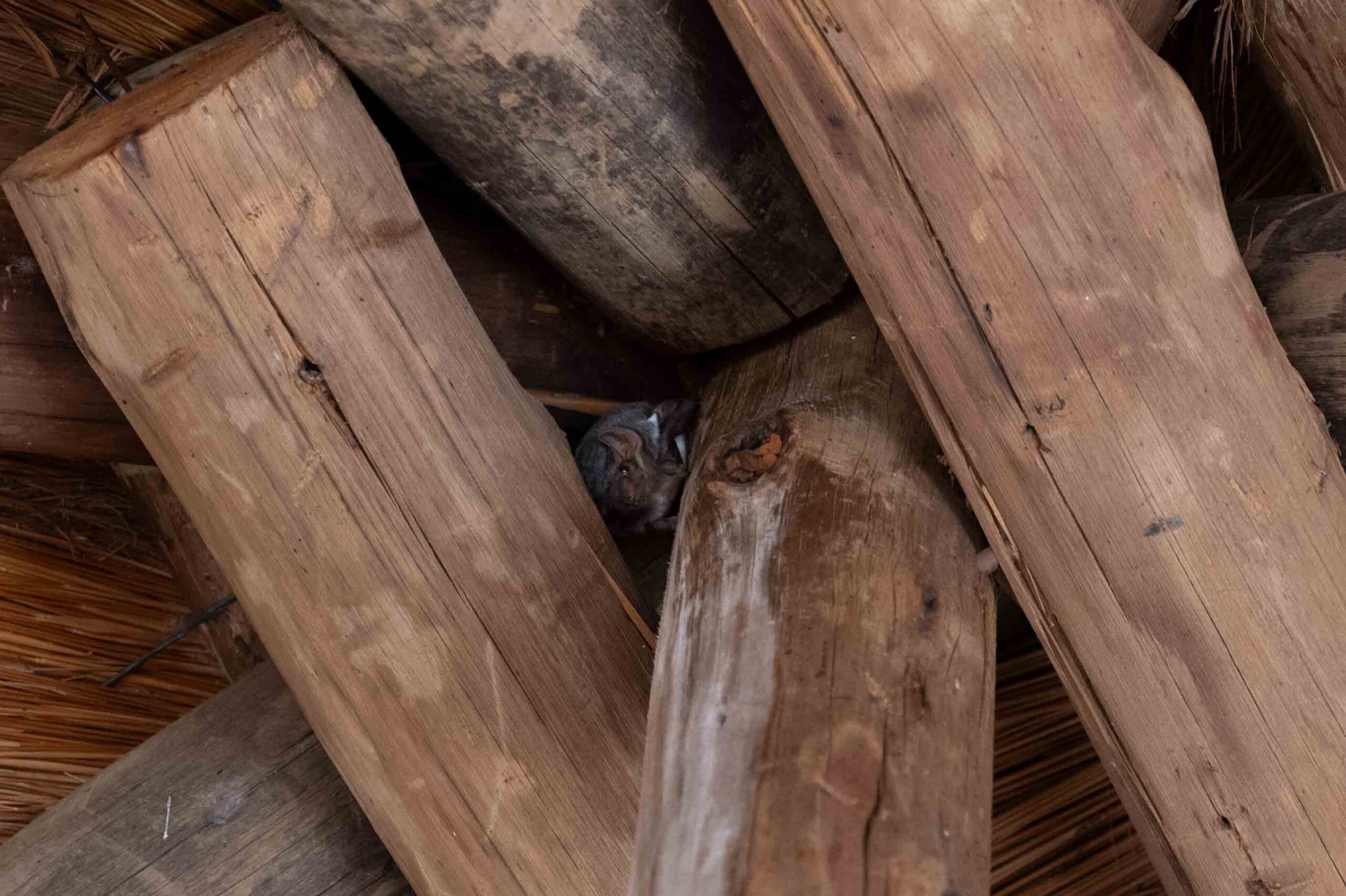
Mauritian Tomb Bat – this little male bat nests in the roof of the lounge area at Mosetlha Bush Camp. I didn’t hear a single mozzie, so I think he is doing his job! But the poop on the coffee table is a bit of a turn-off. Read more here: Mauritian Tomb Bat
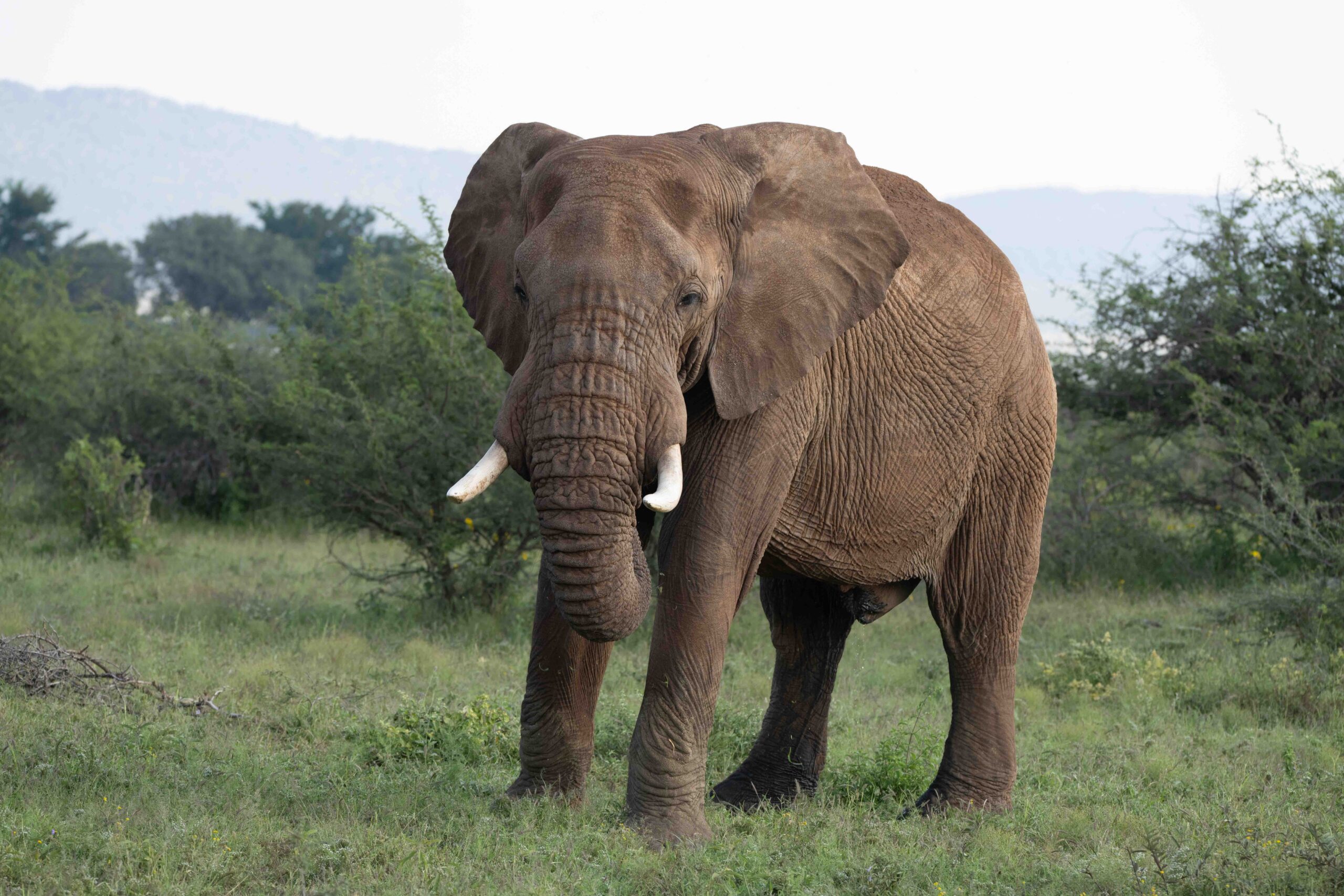
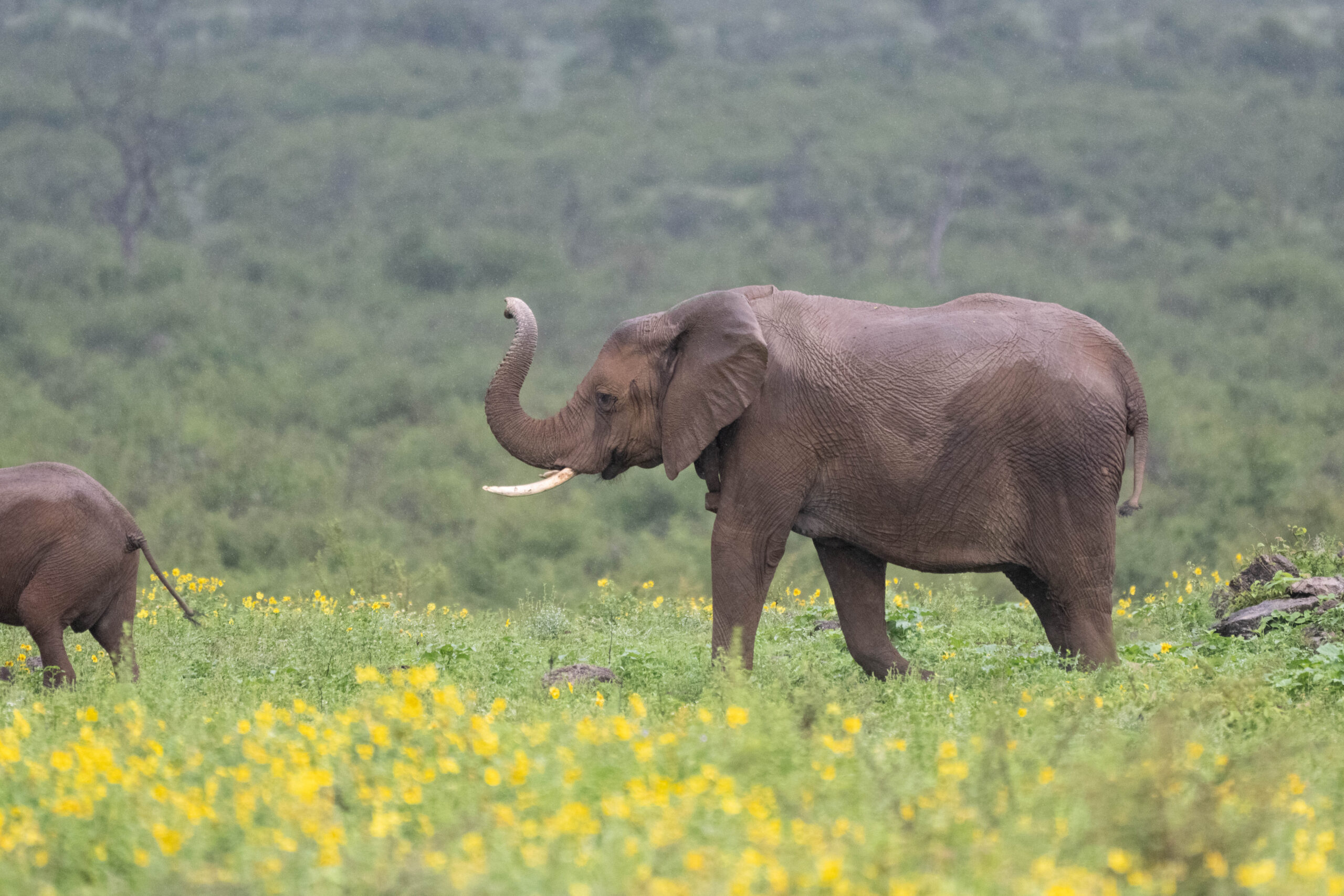
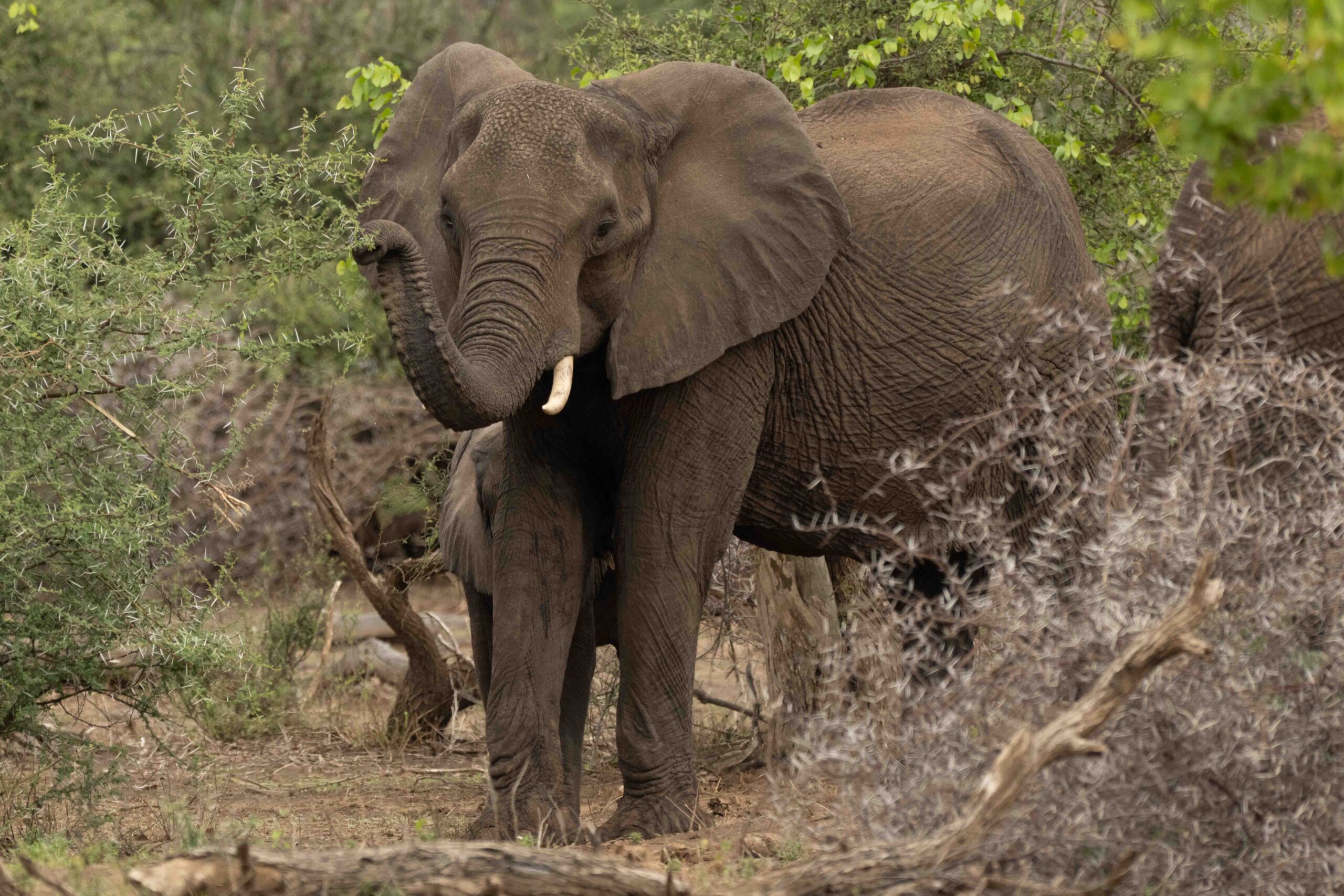
A huge bull elephant in musth. When you read the description in Wikipedia, this male displayed all the traits – temporal gland secretions, constant urination, and aggression. He wasn’t happy that we were in the same hemisphere as he was! Read more here: Musth
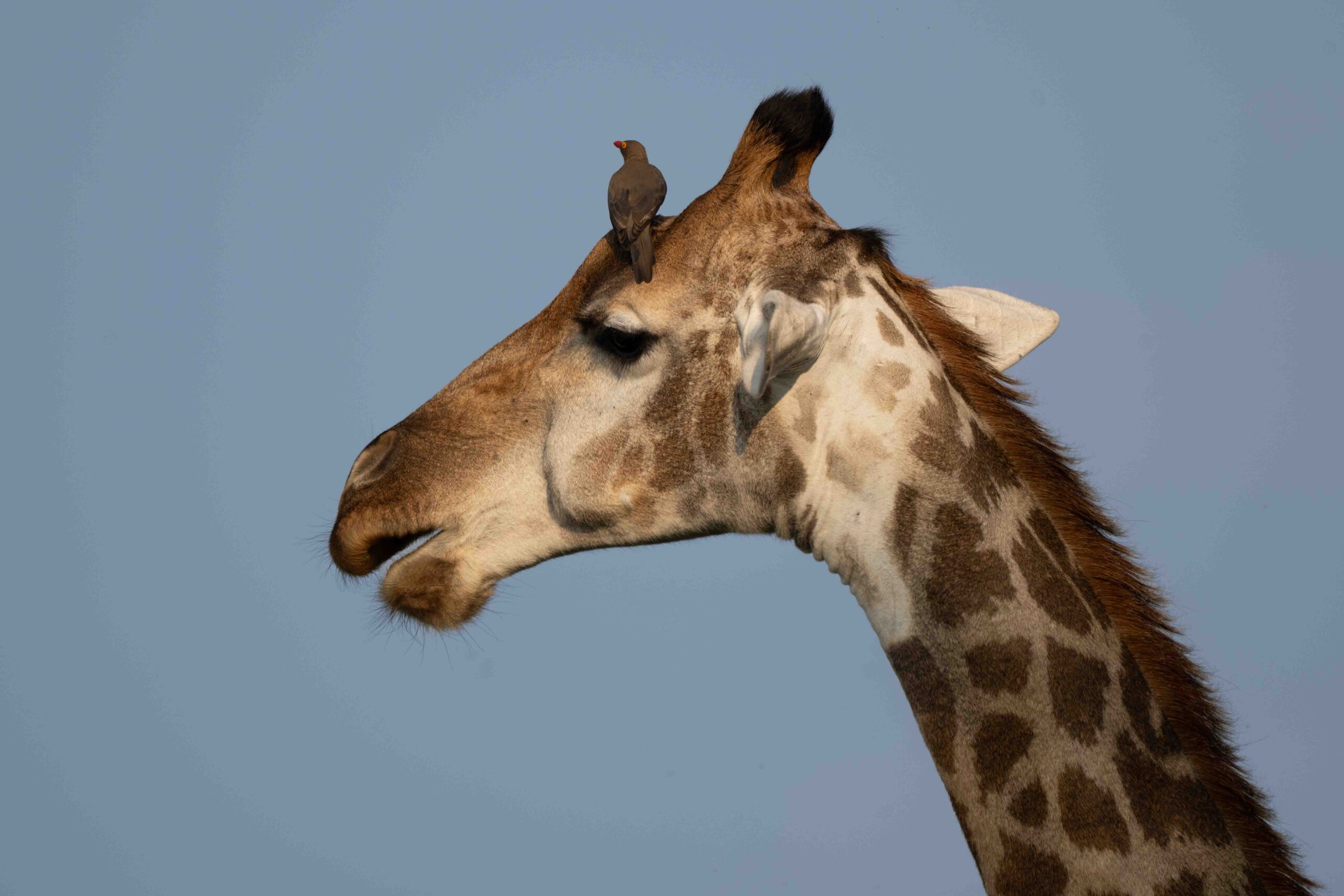
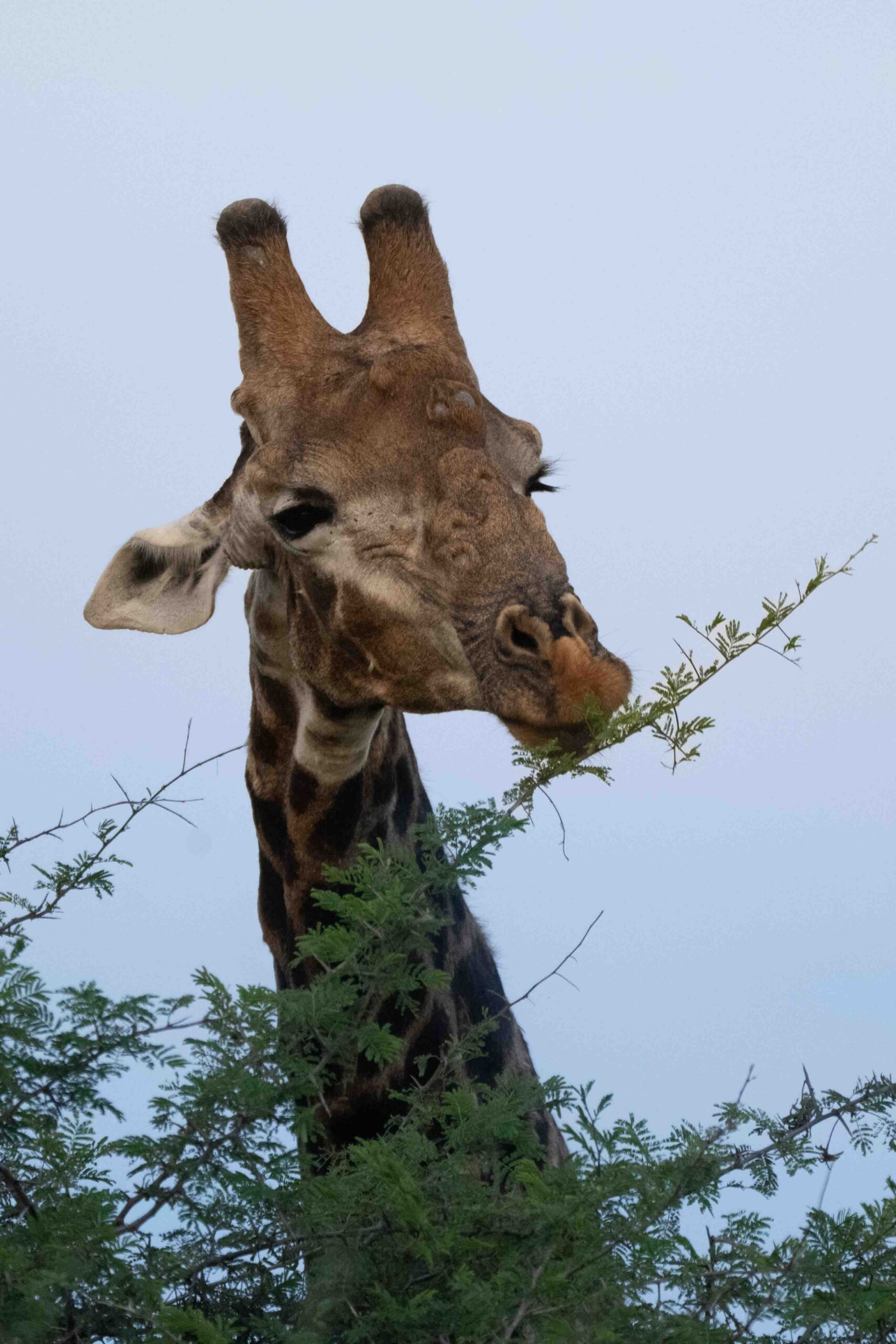
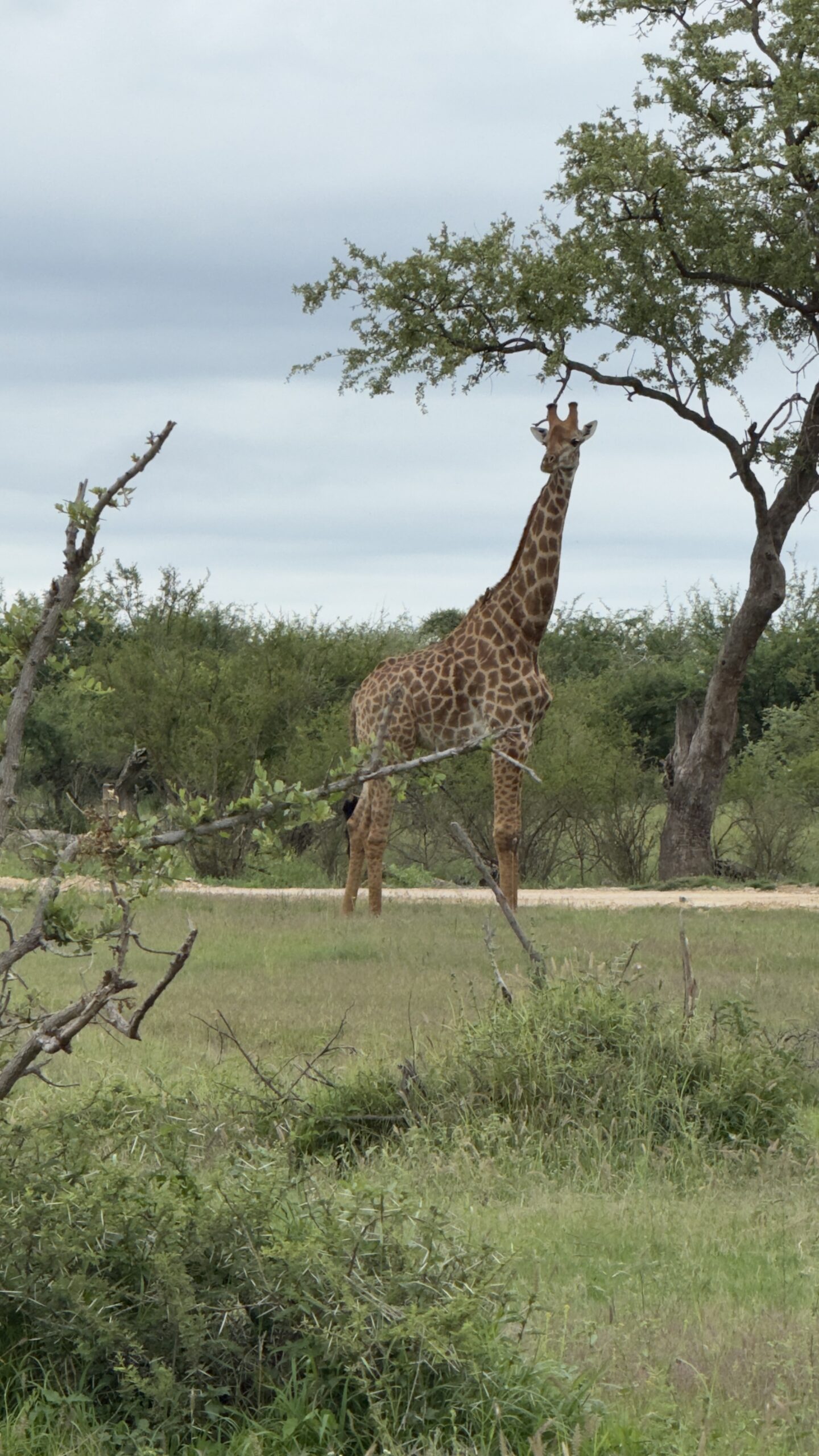
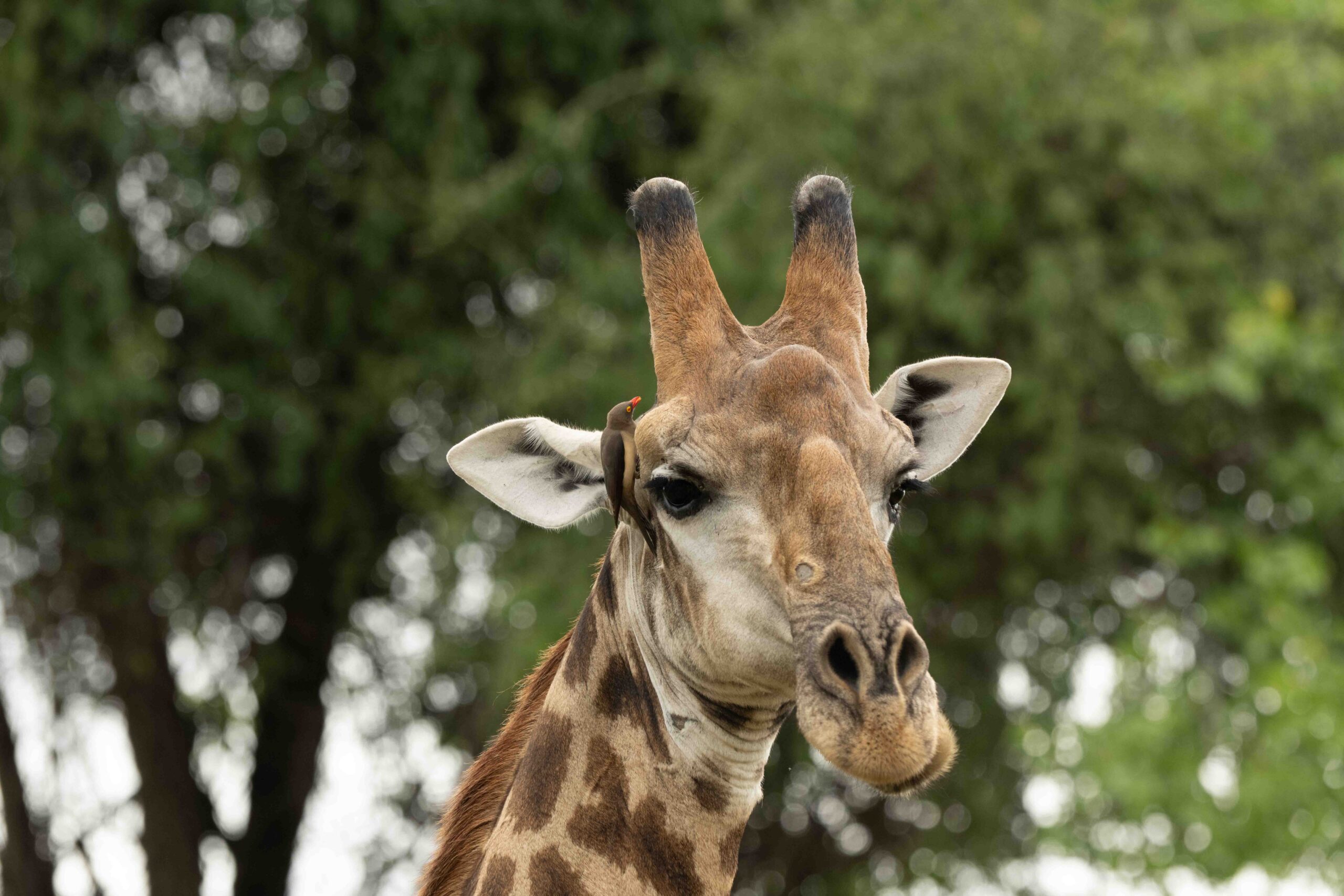
The usual suspect, the Red-billed Oxpecker, sitting on the giraffe’s head.
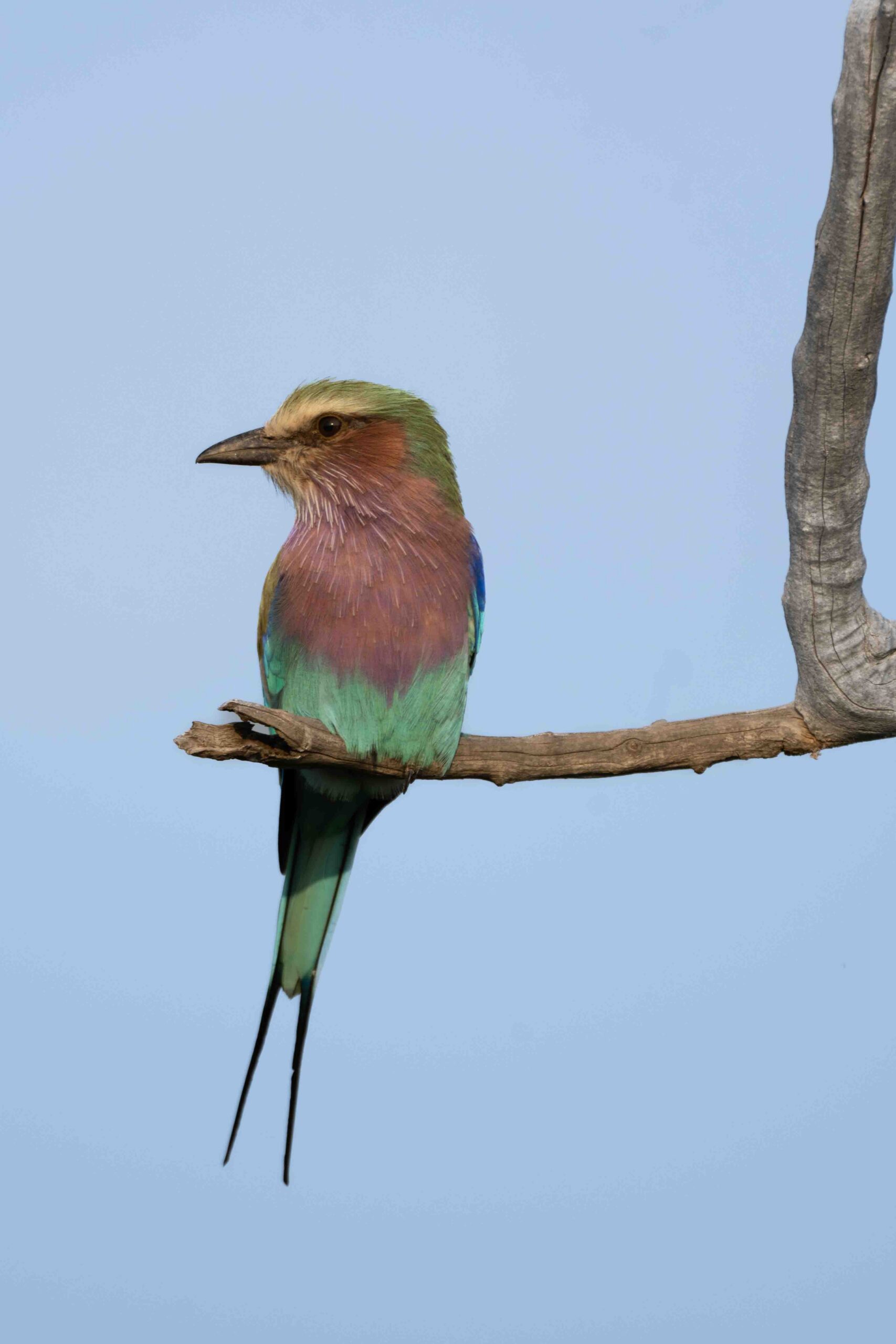
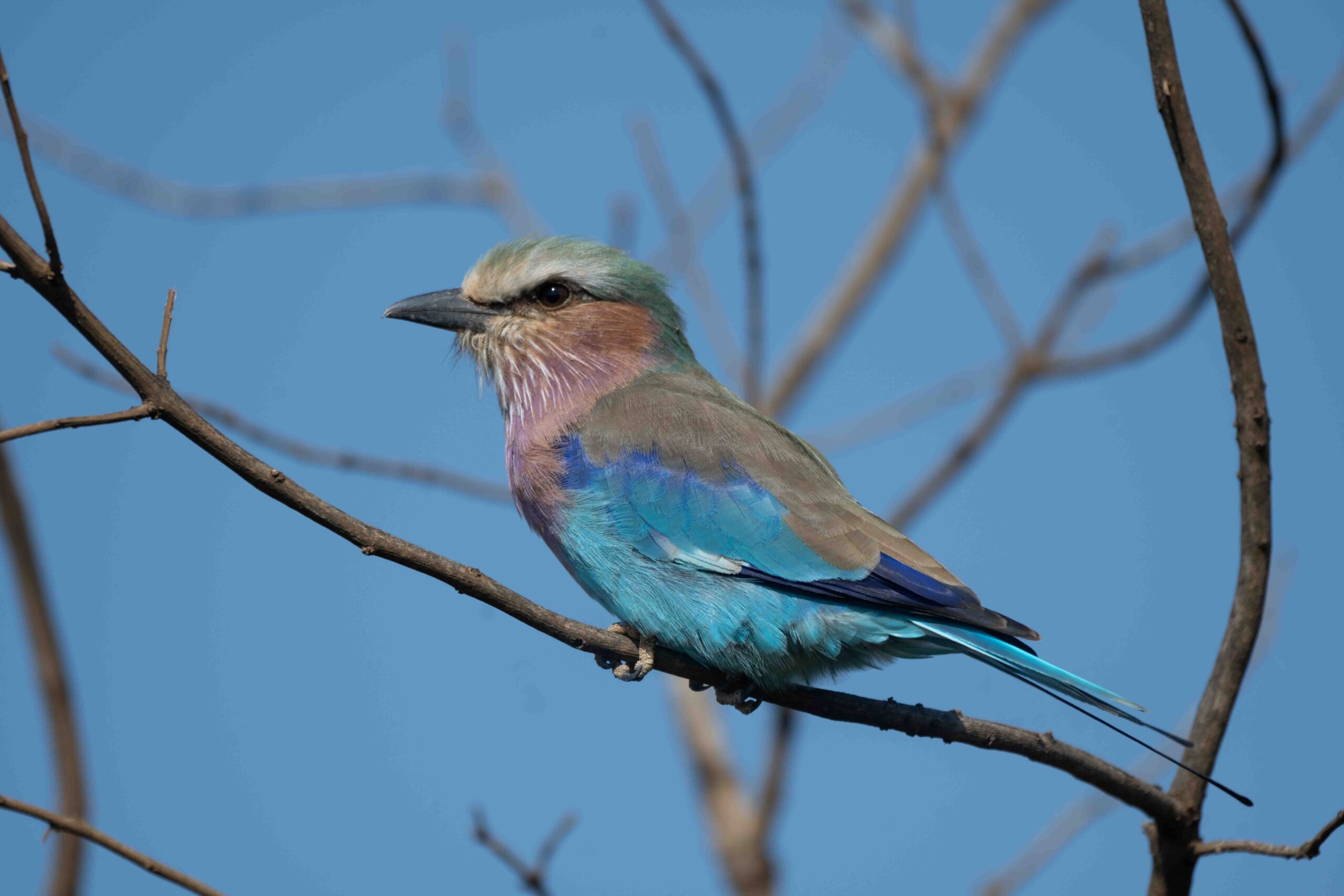
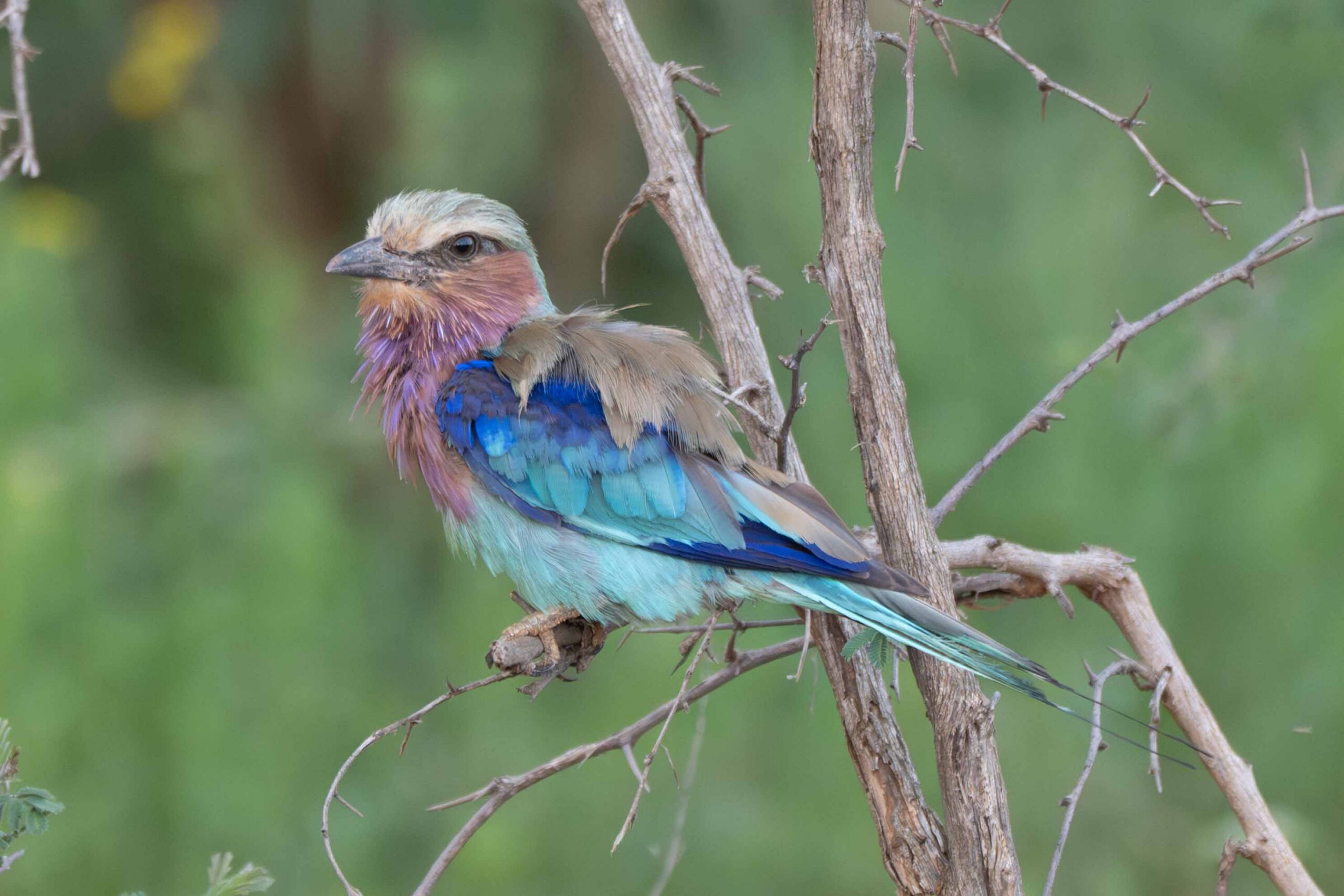
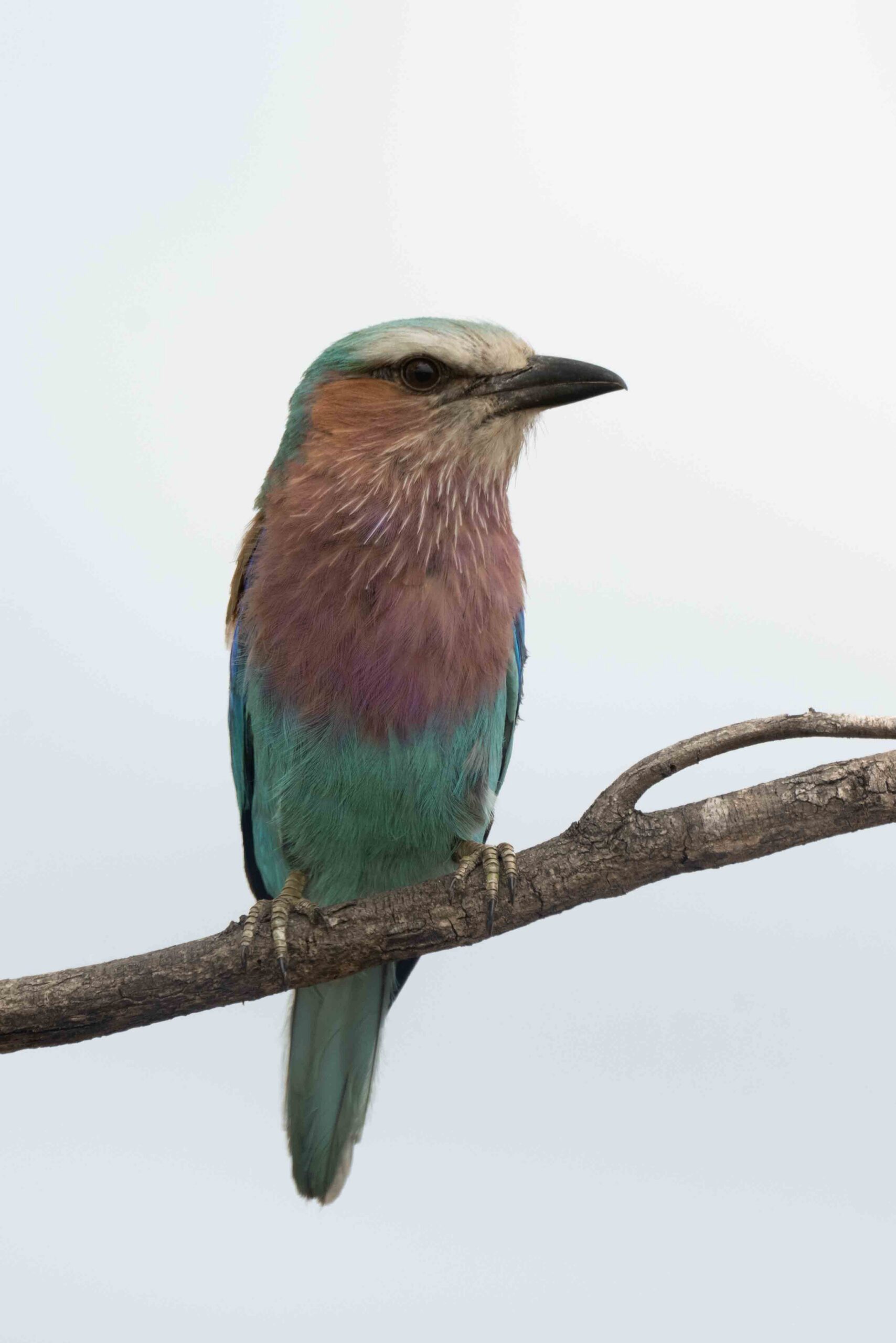
Lilac-breasted Roller
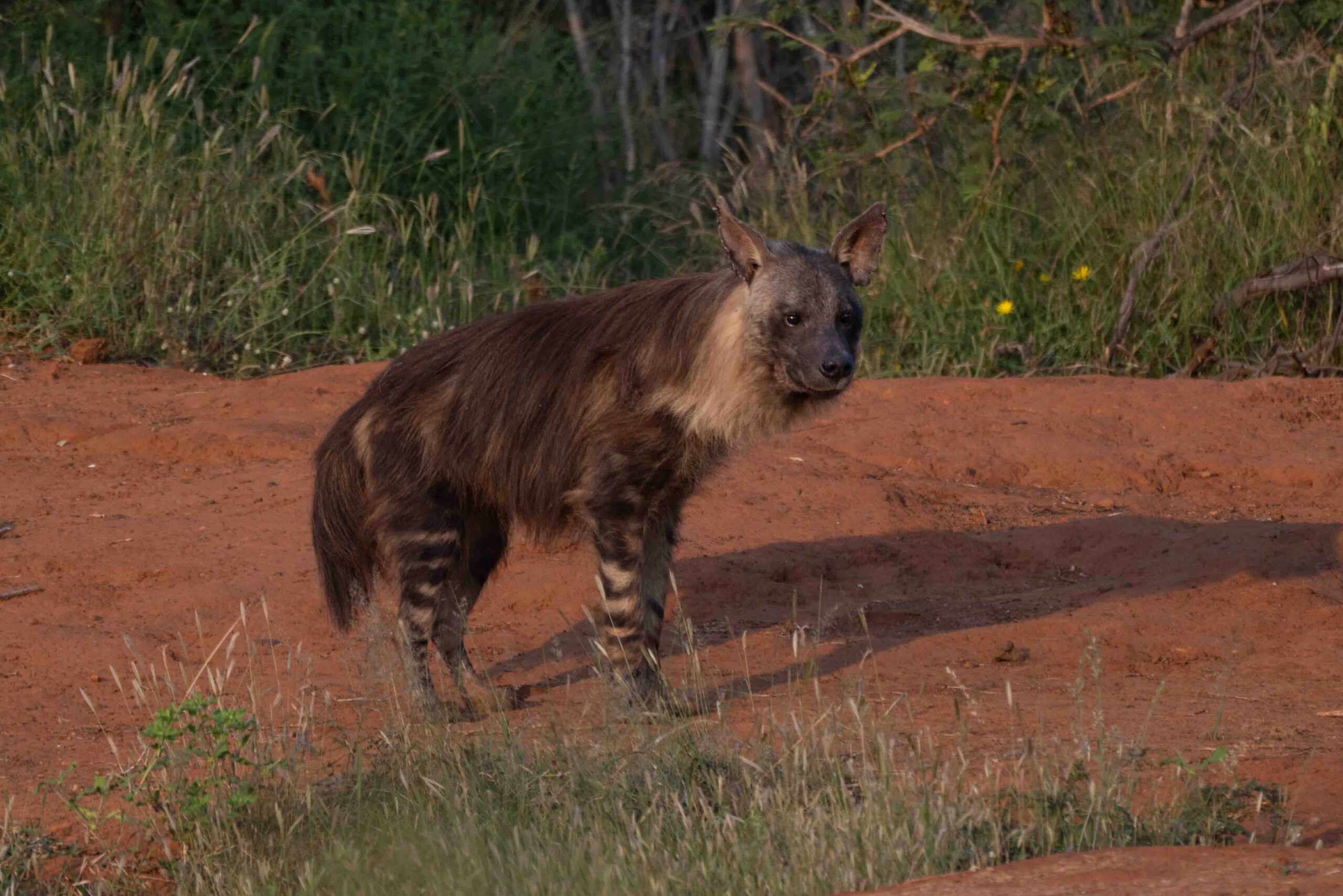
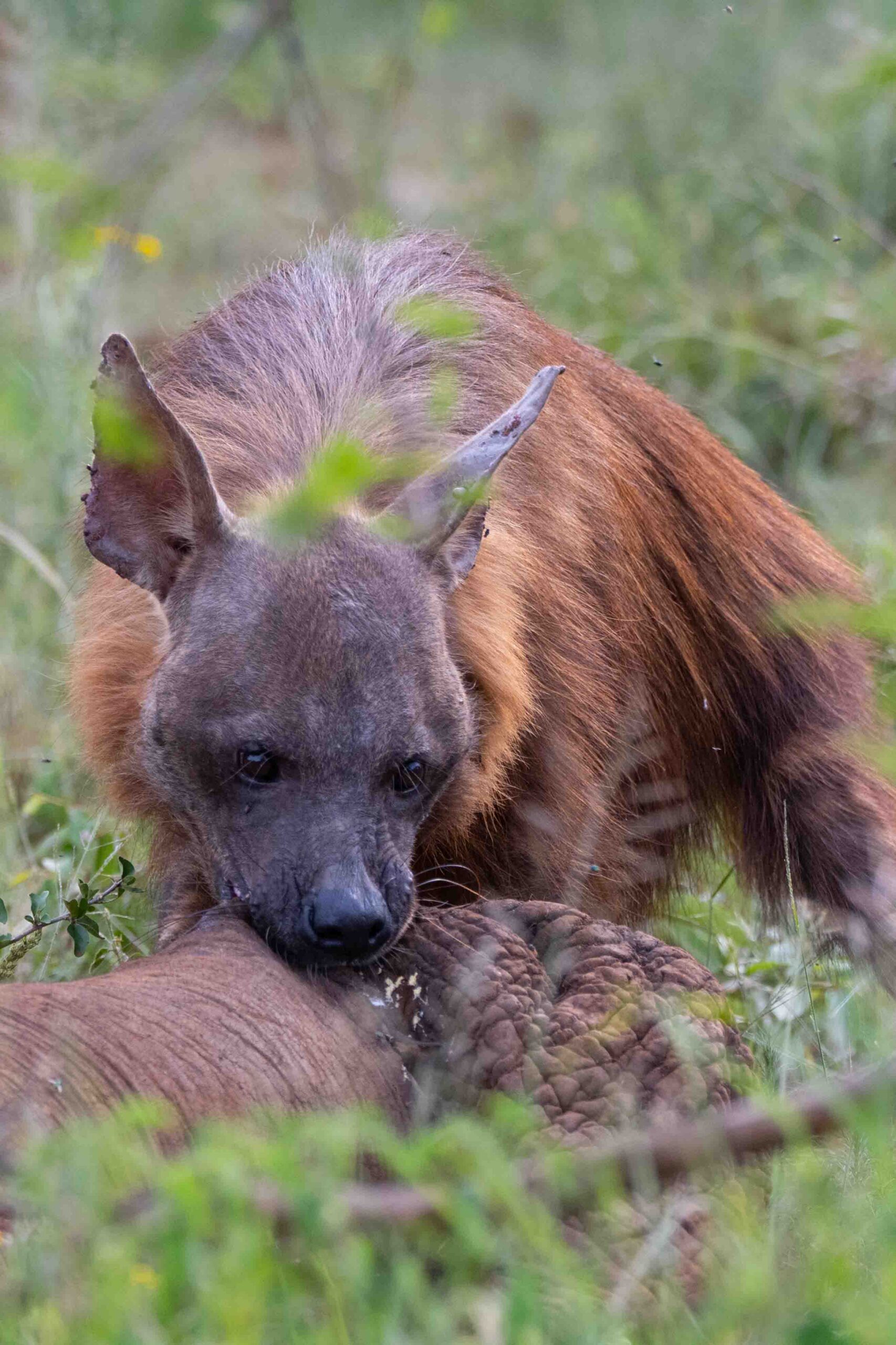
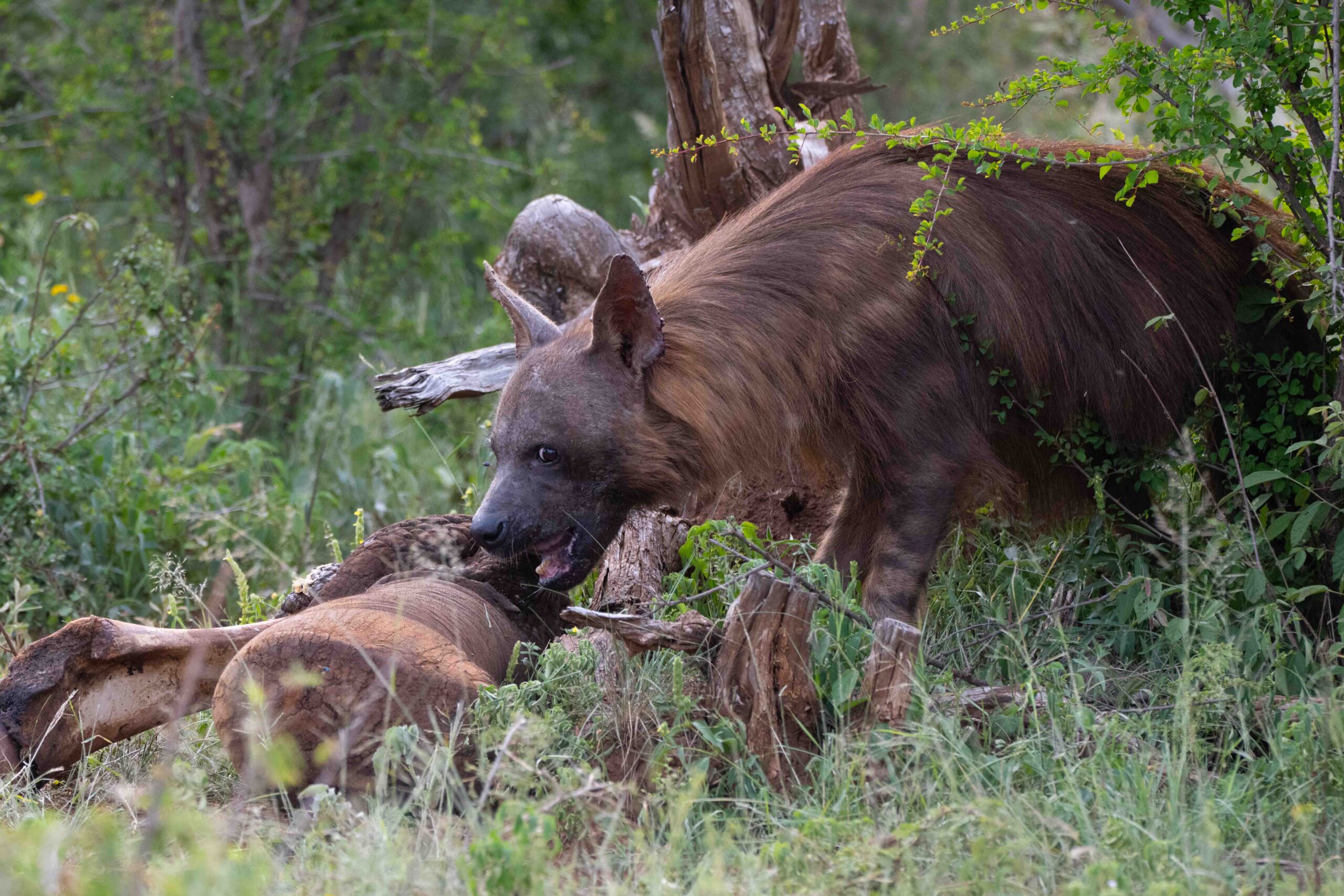
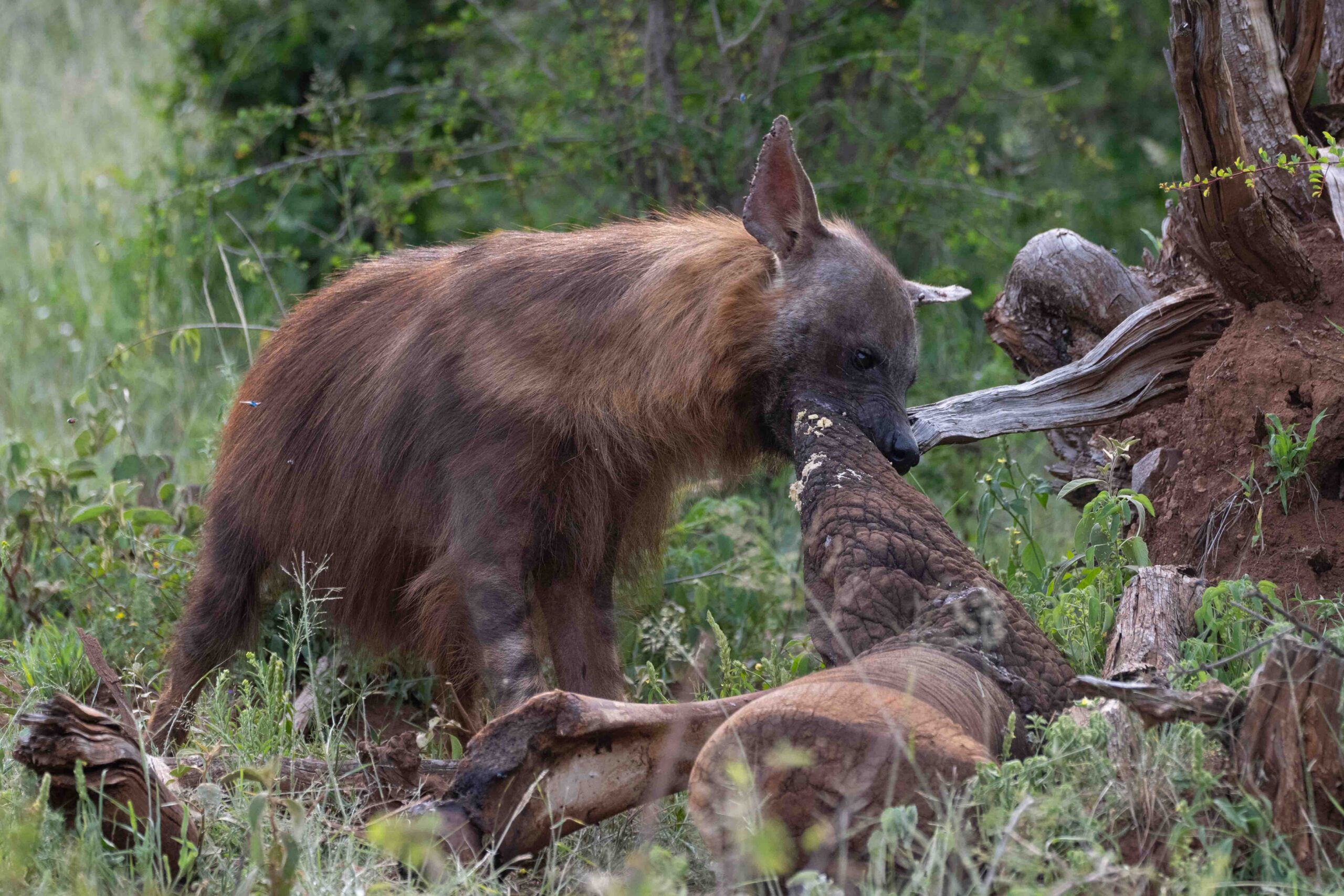
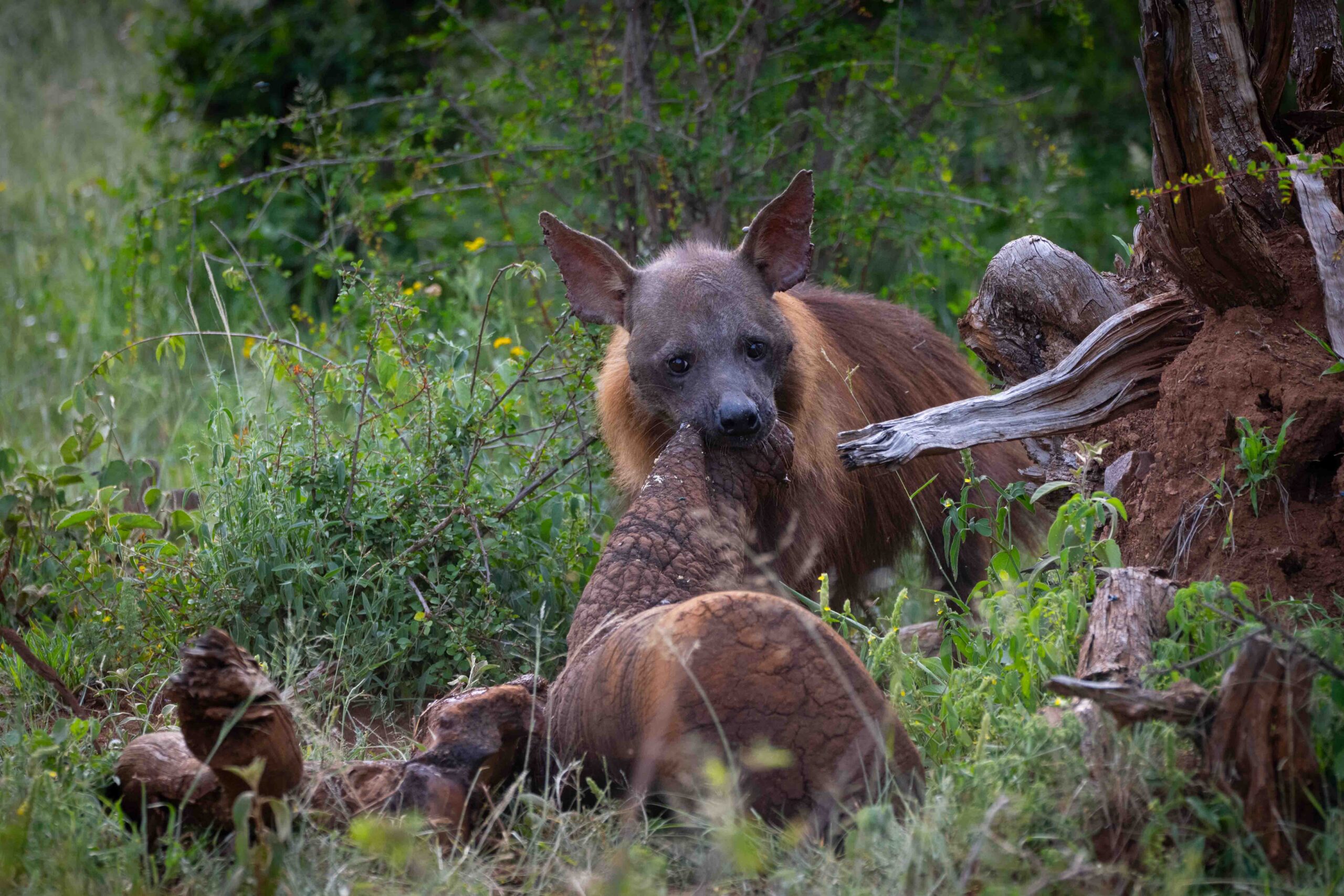
Brown Hyena – considered the rarest species of hyena and is marked as is marked as near threatened in the IUCN Red List. Read more here: Brown Hyena
He he he, that is a good joke!!
Puff adder crossing the road
Spotted Eagle-Owl
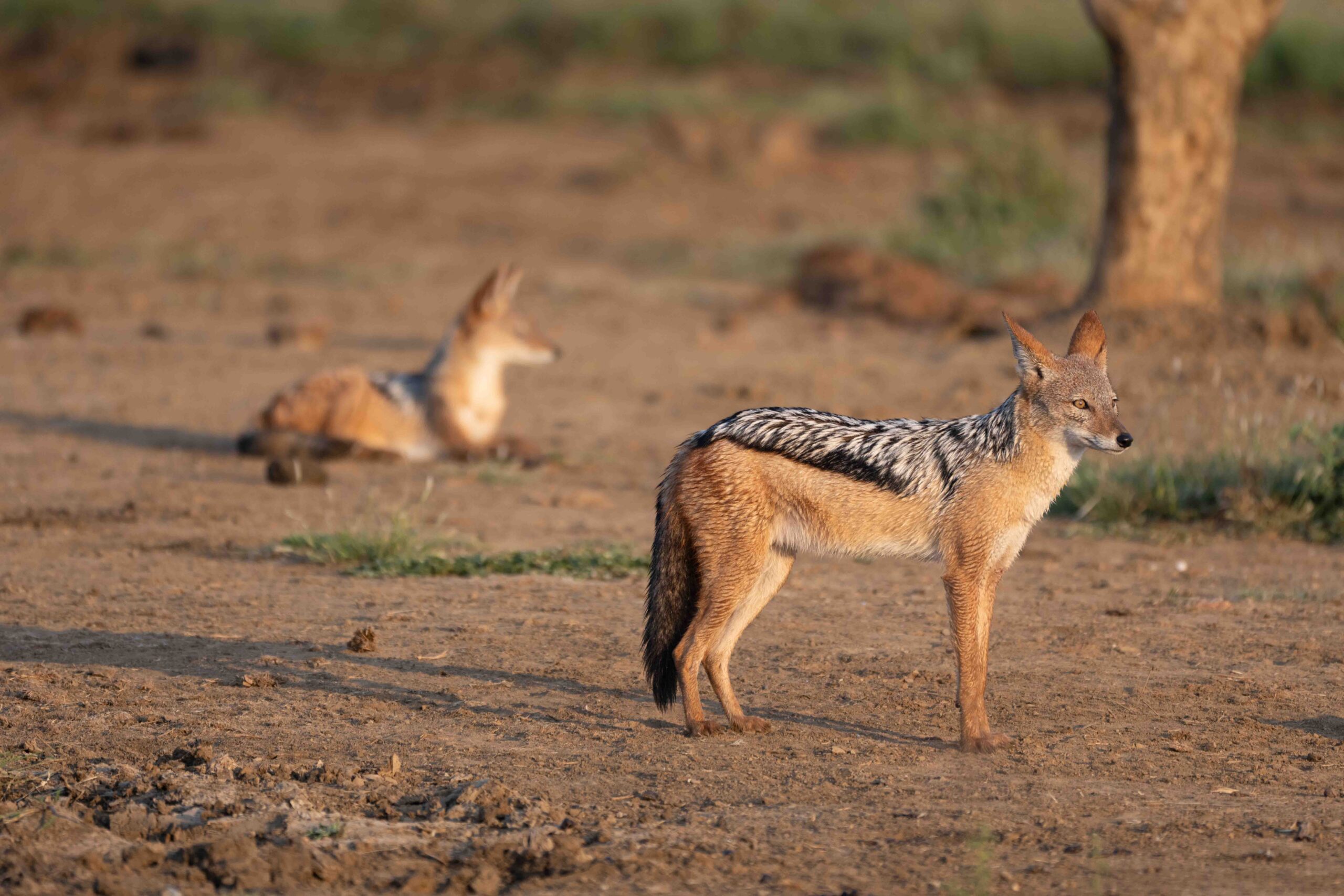
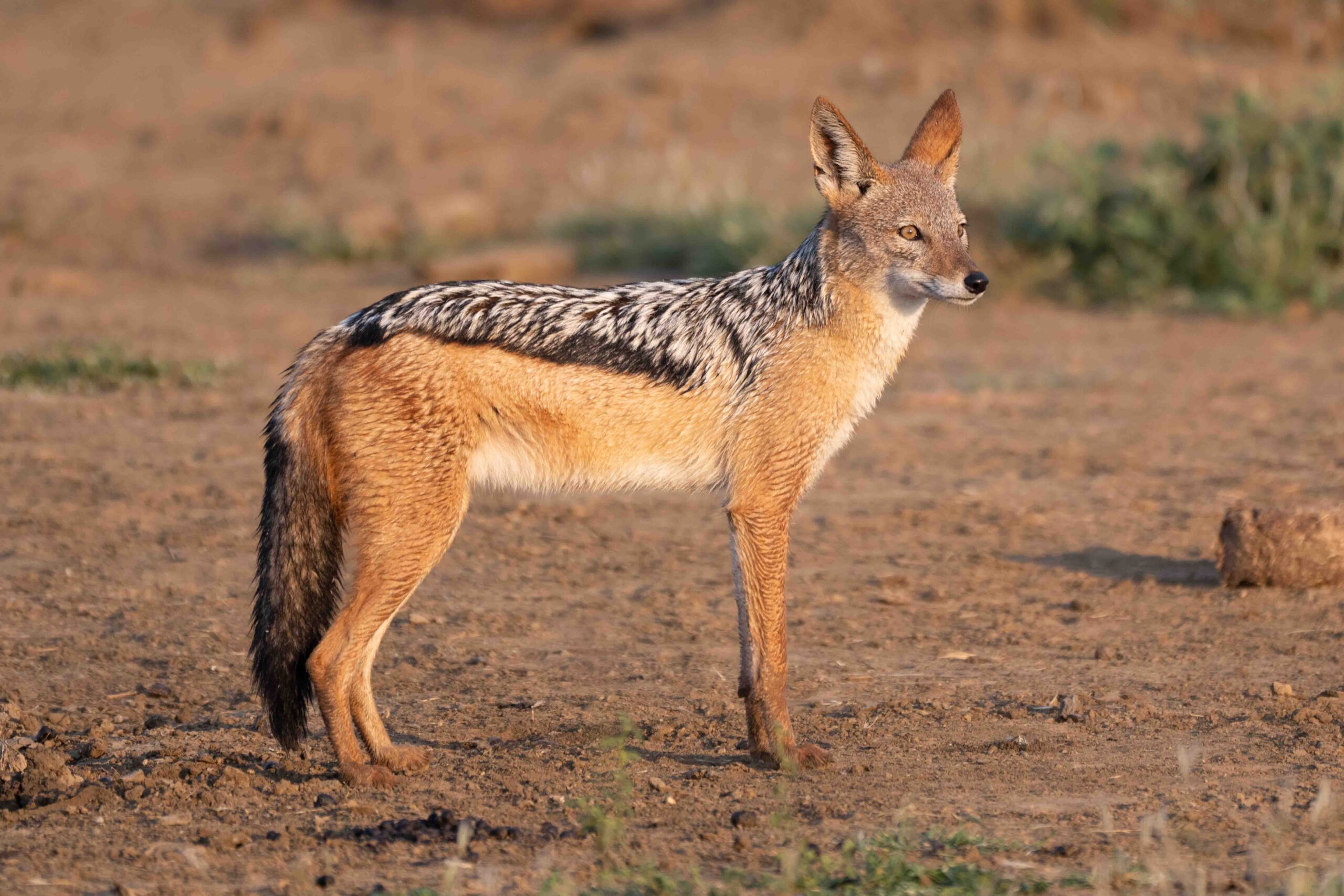
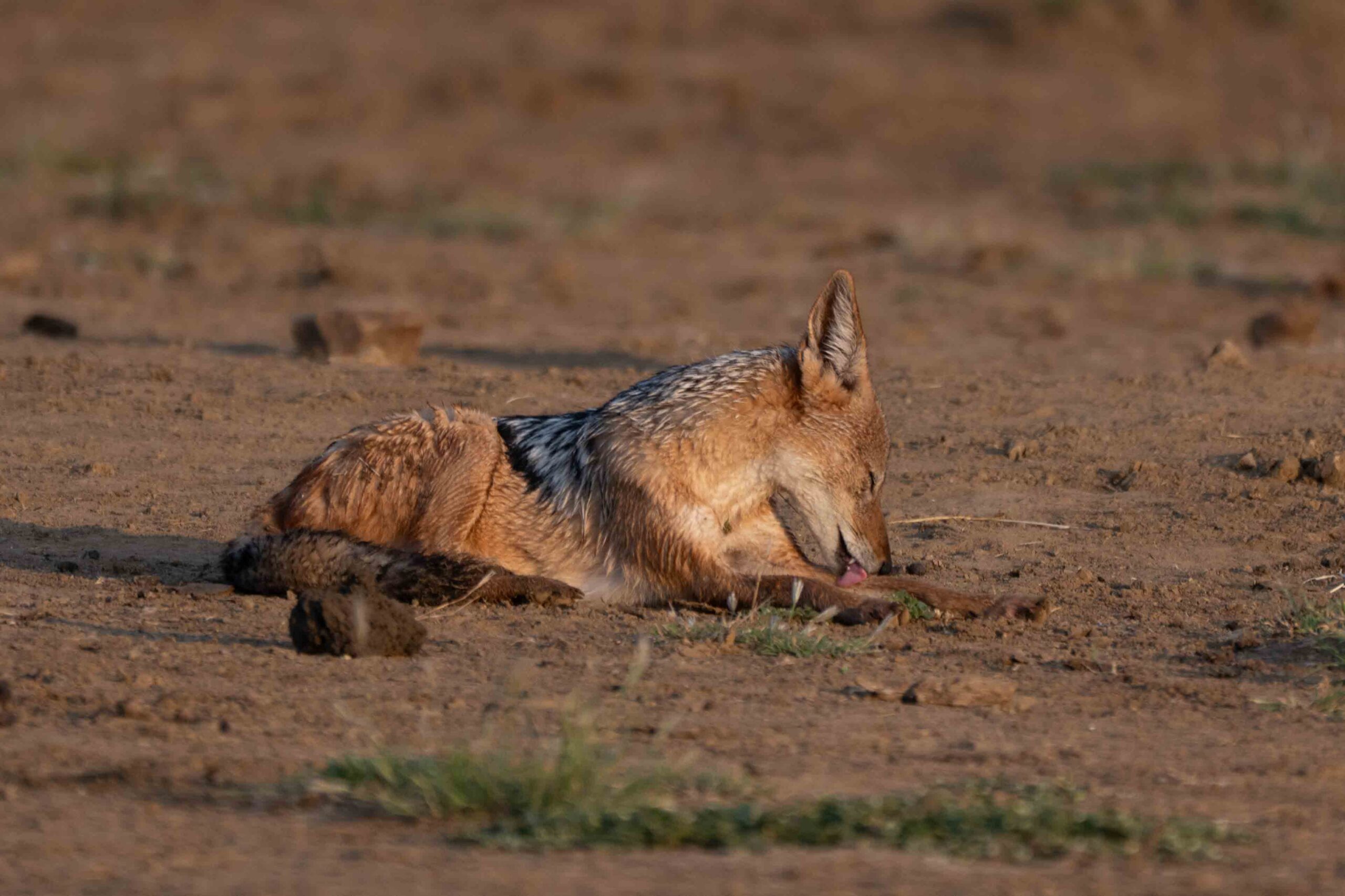
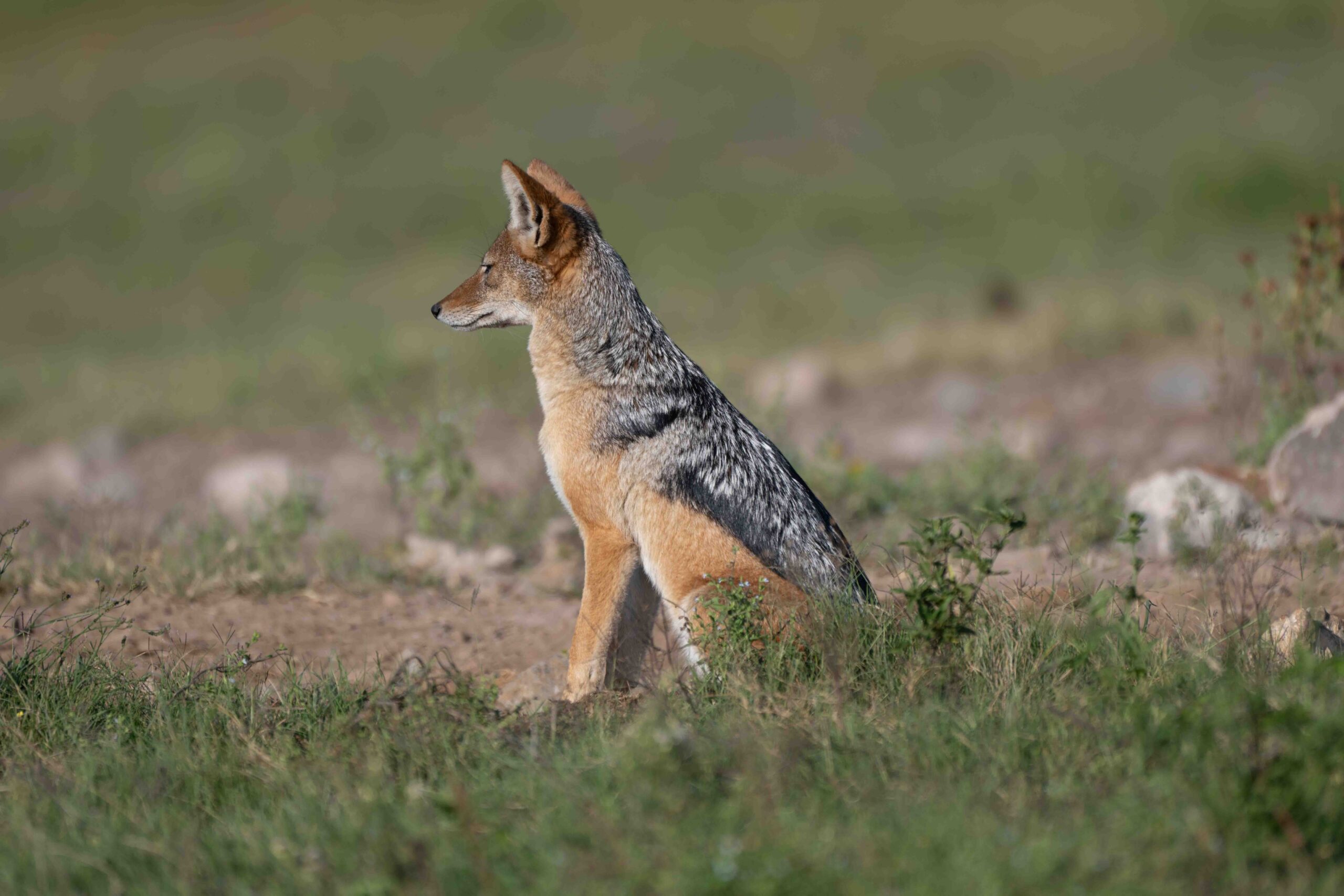
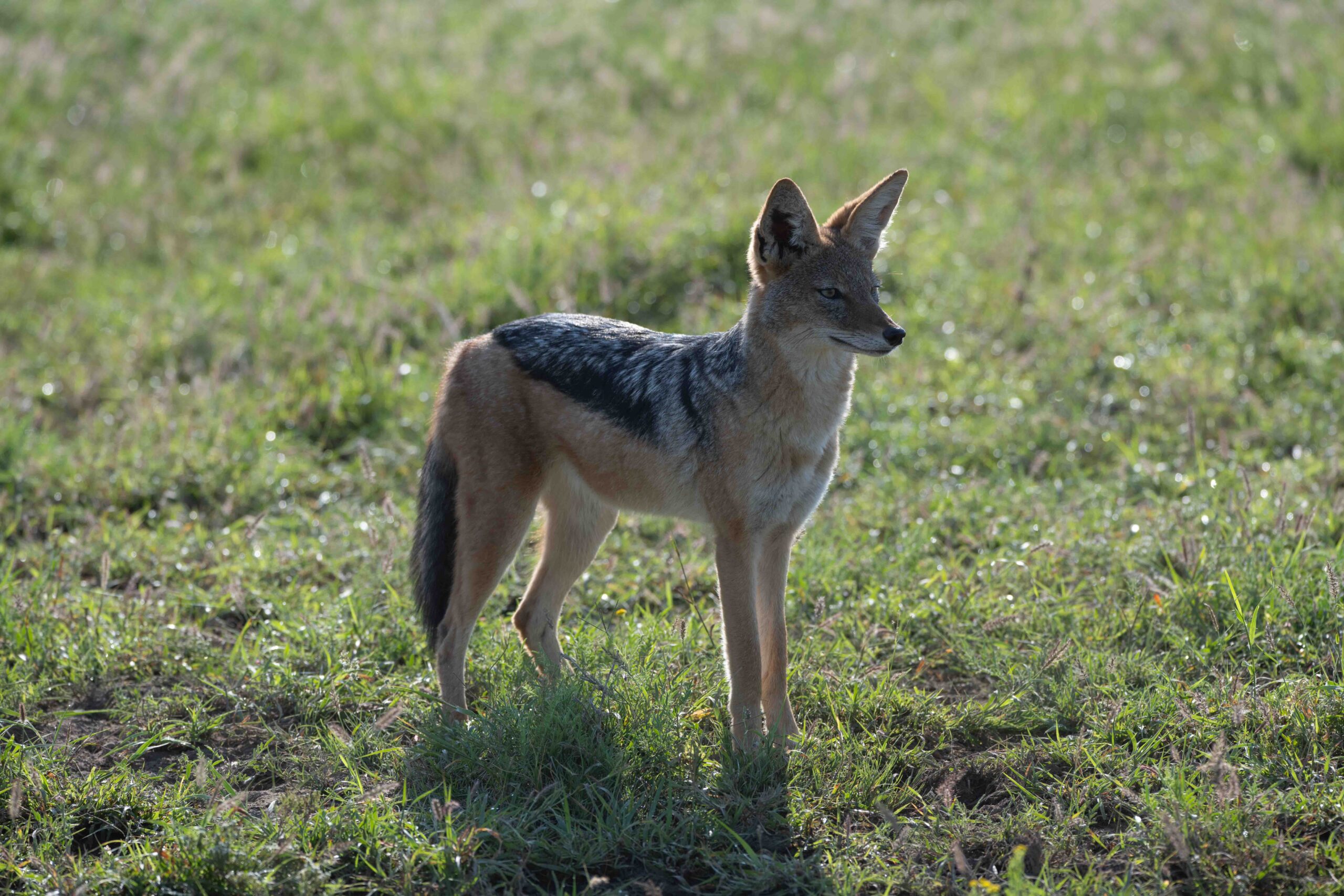
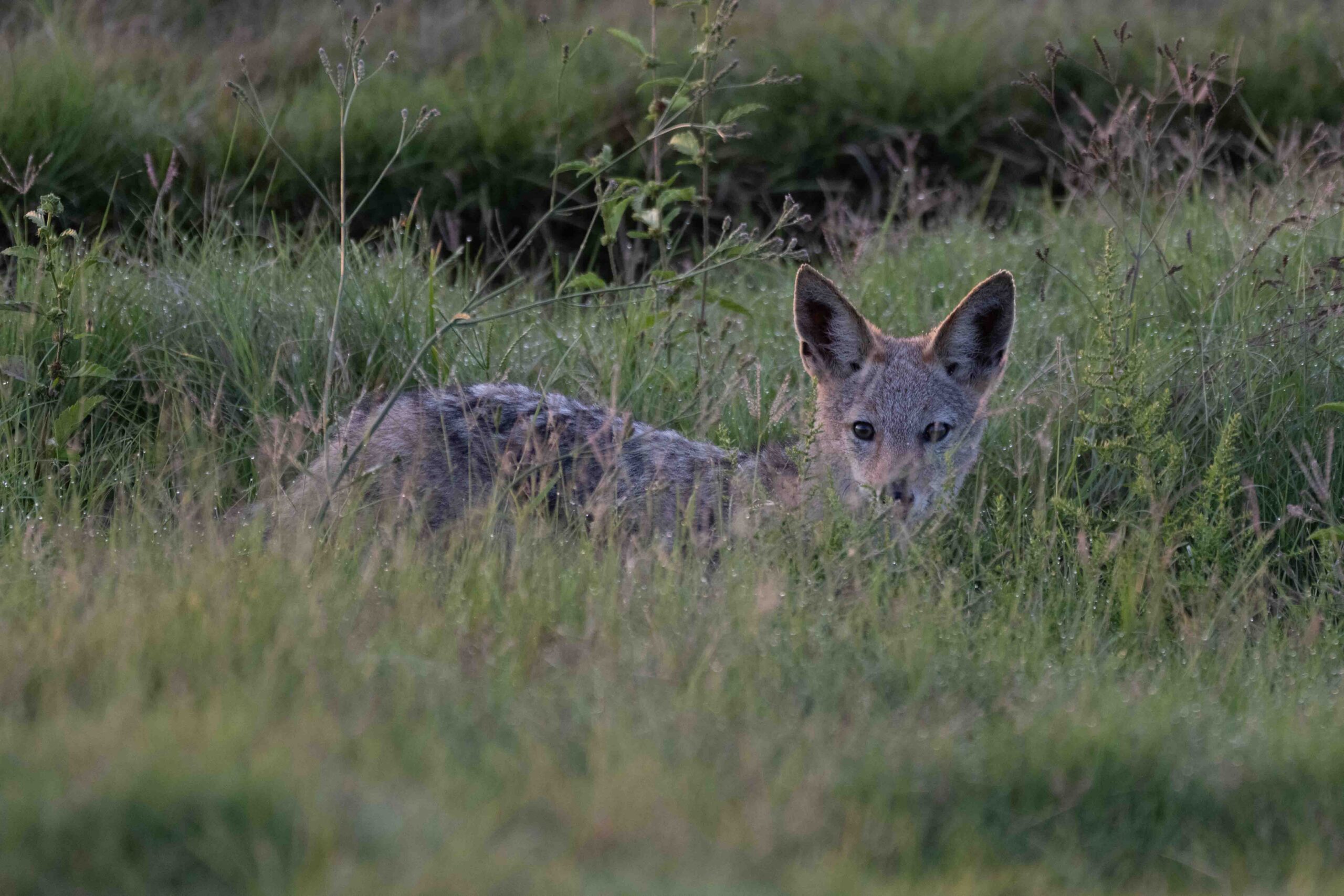
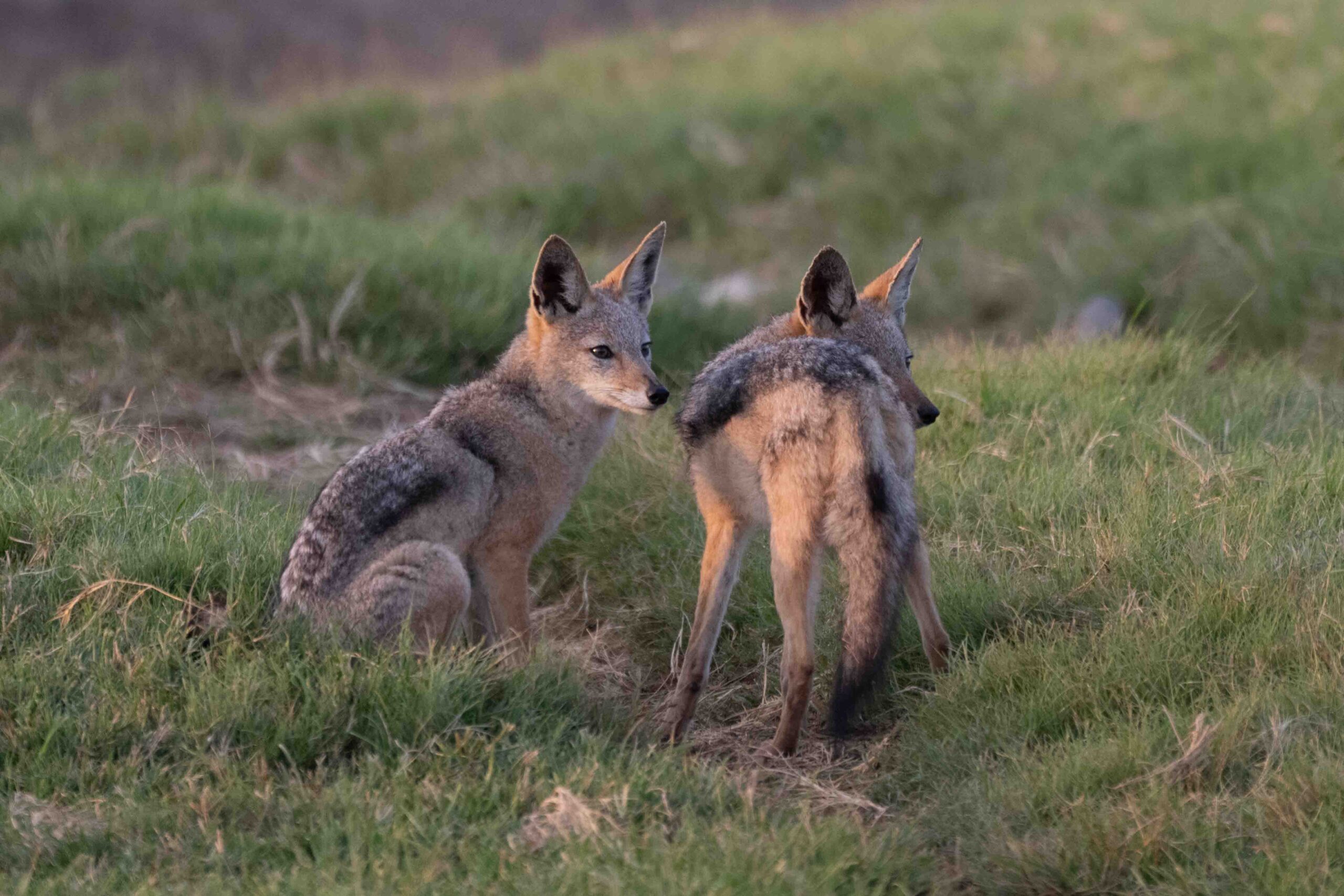
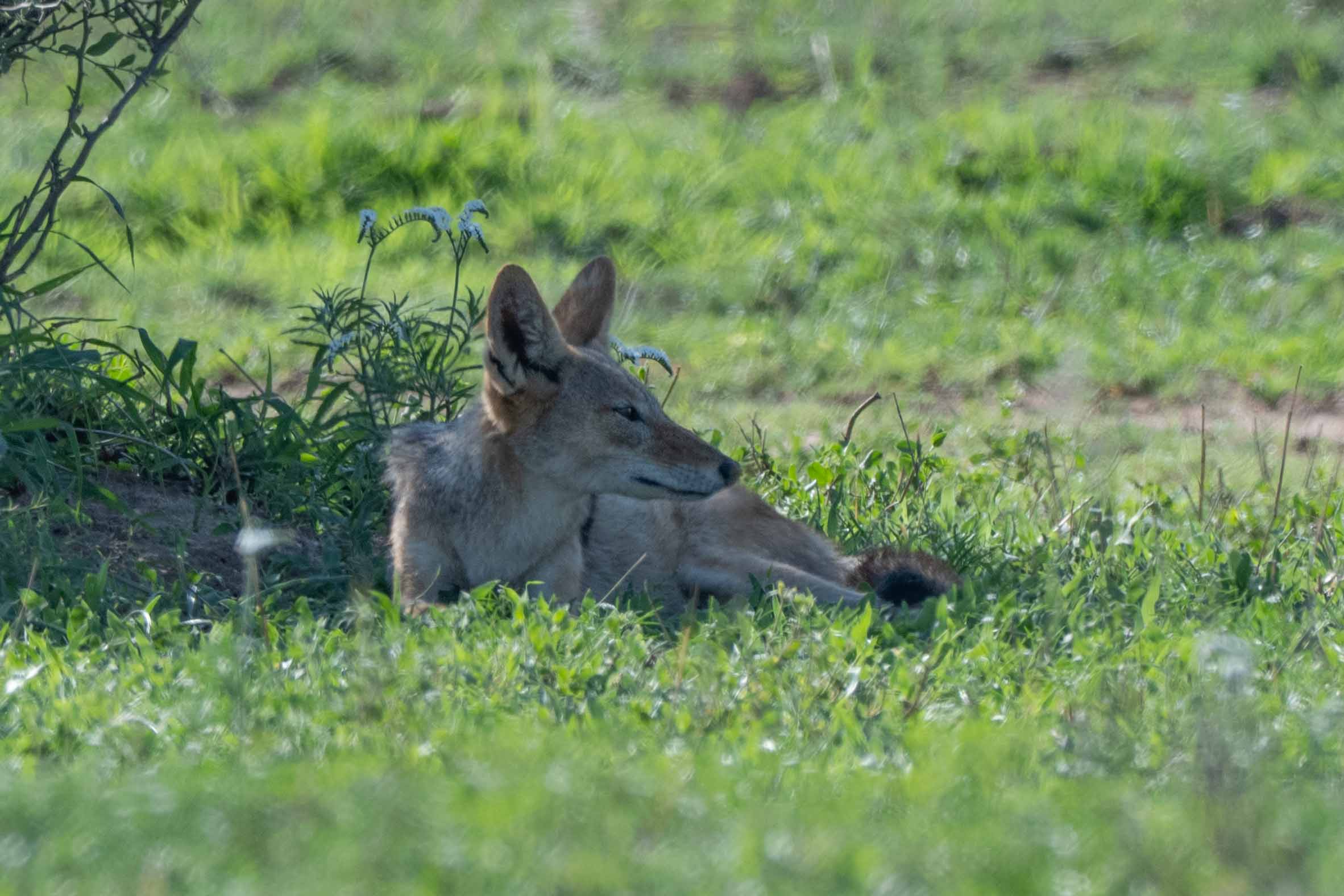
Black-backed Jackal pair
Two leopard cubs on an impala kill that their mother dragged up a tree
The leopard mom came back to see what the cubs had left her
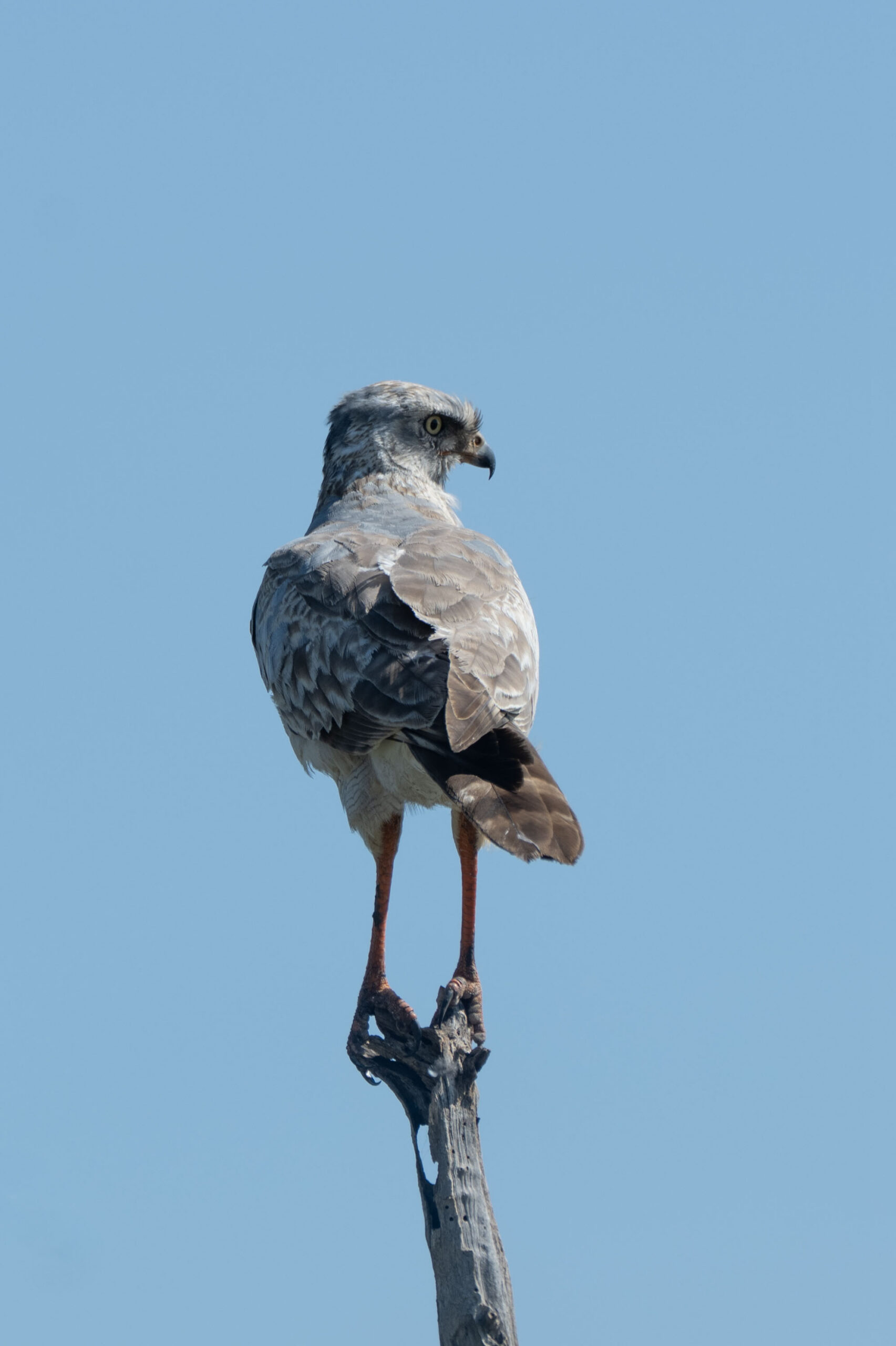
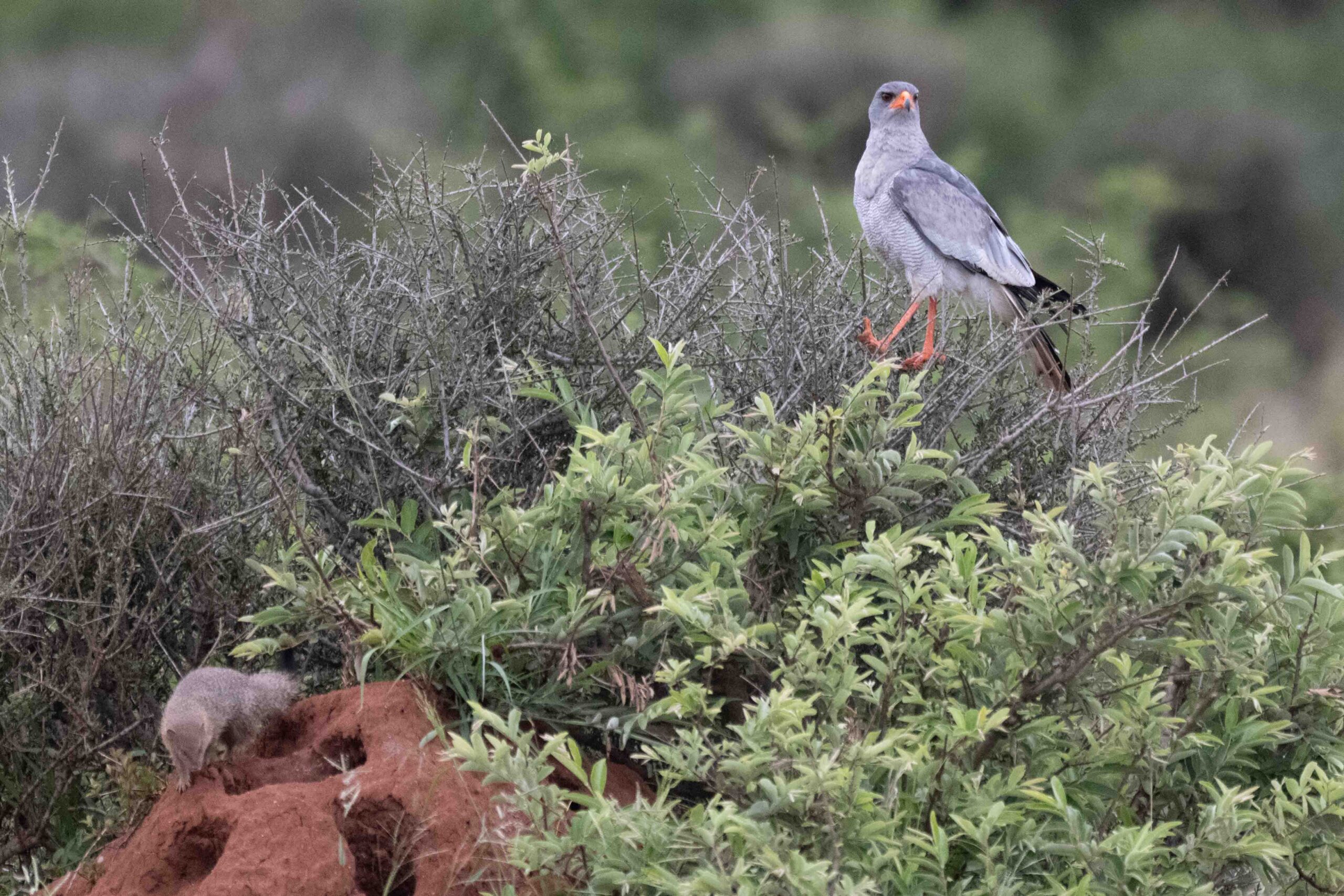
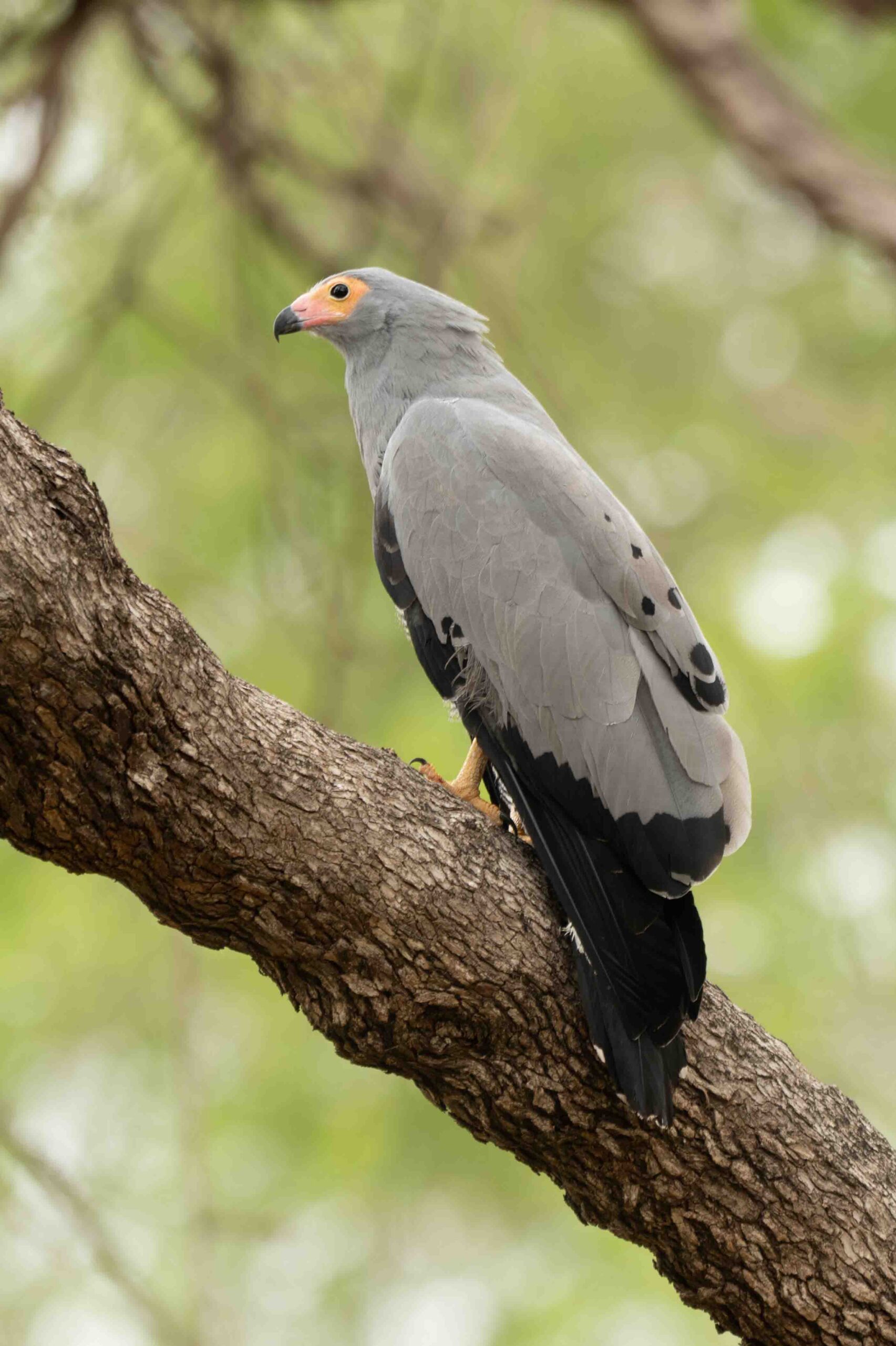
Immature Pale Chanting Goshawk
Wildebeest baby drinking from mommy
Lilac-breasted Roller
Lilac-breasted Roller
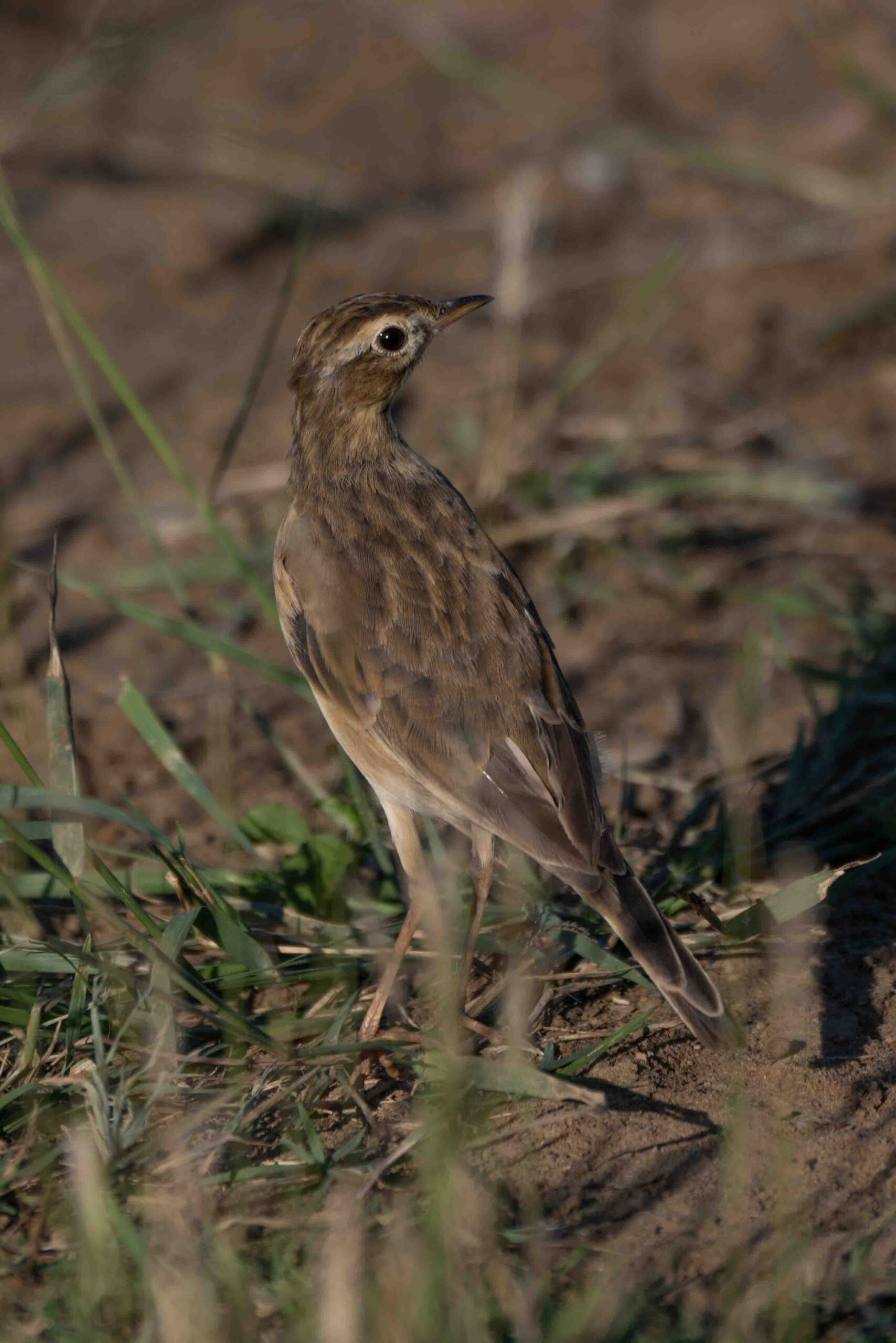
African Pipit
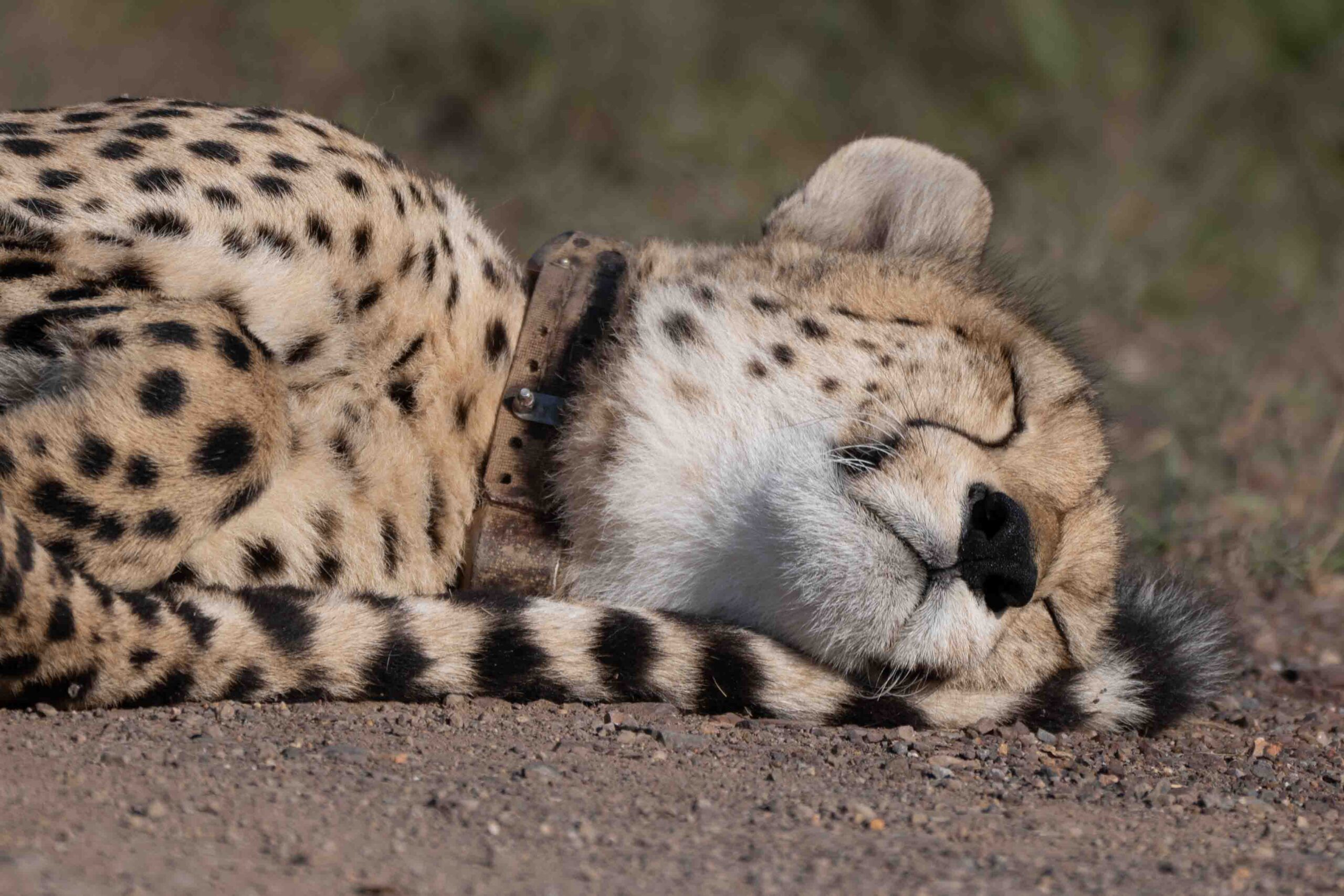
I really don’t like photographing collared animals, but this photo is too endearing to pass up
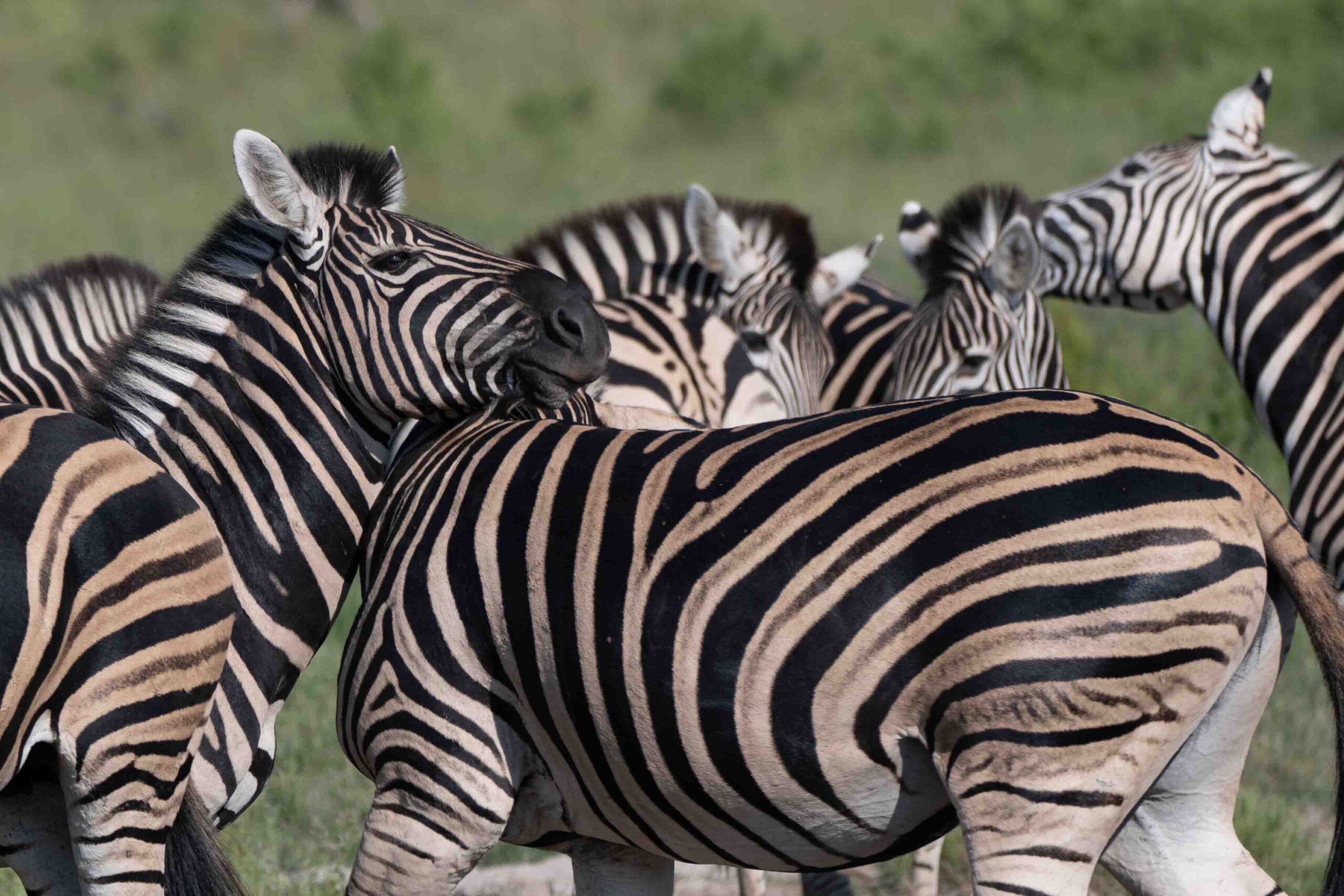
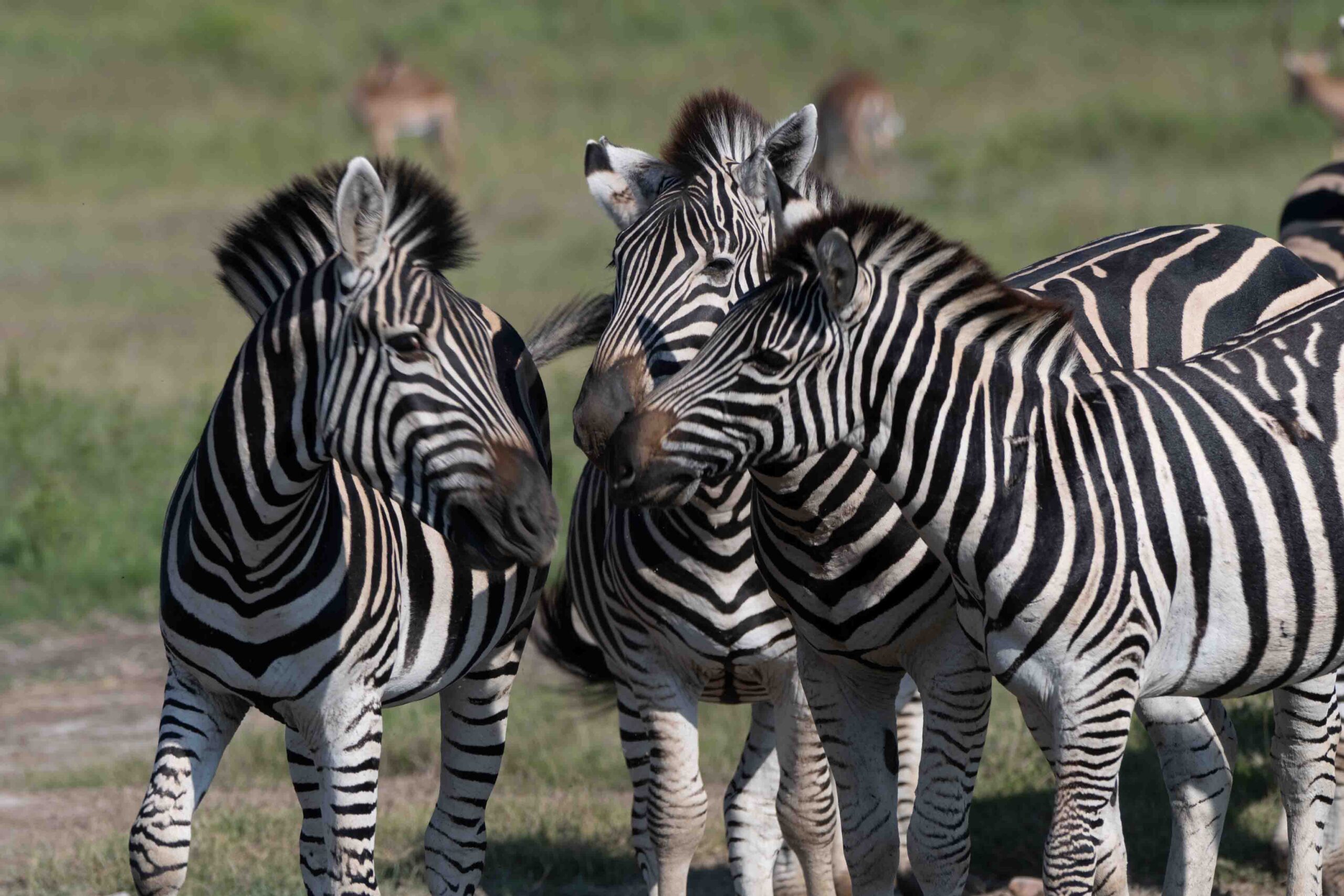
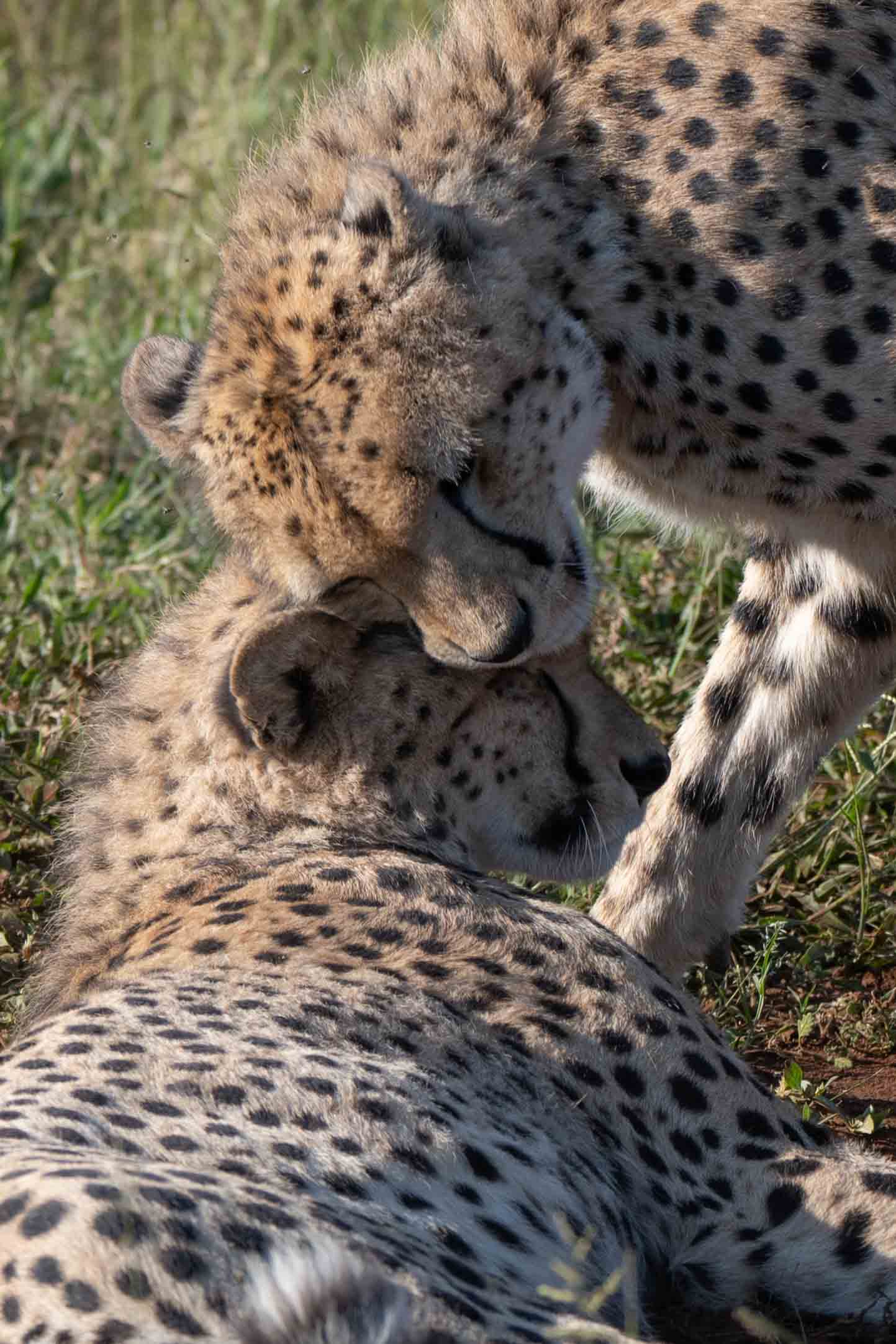
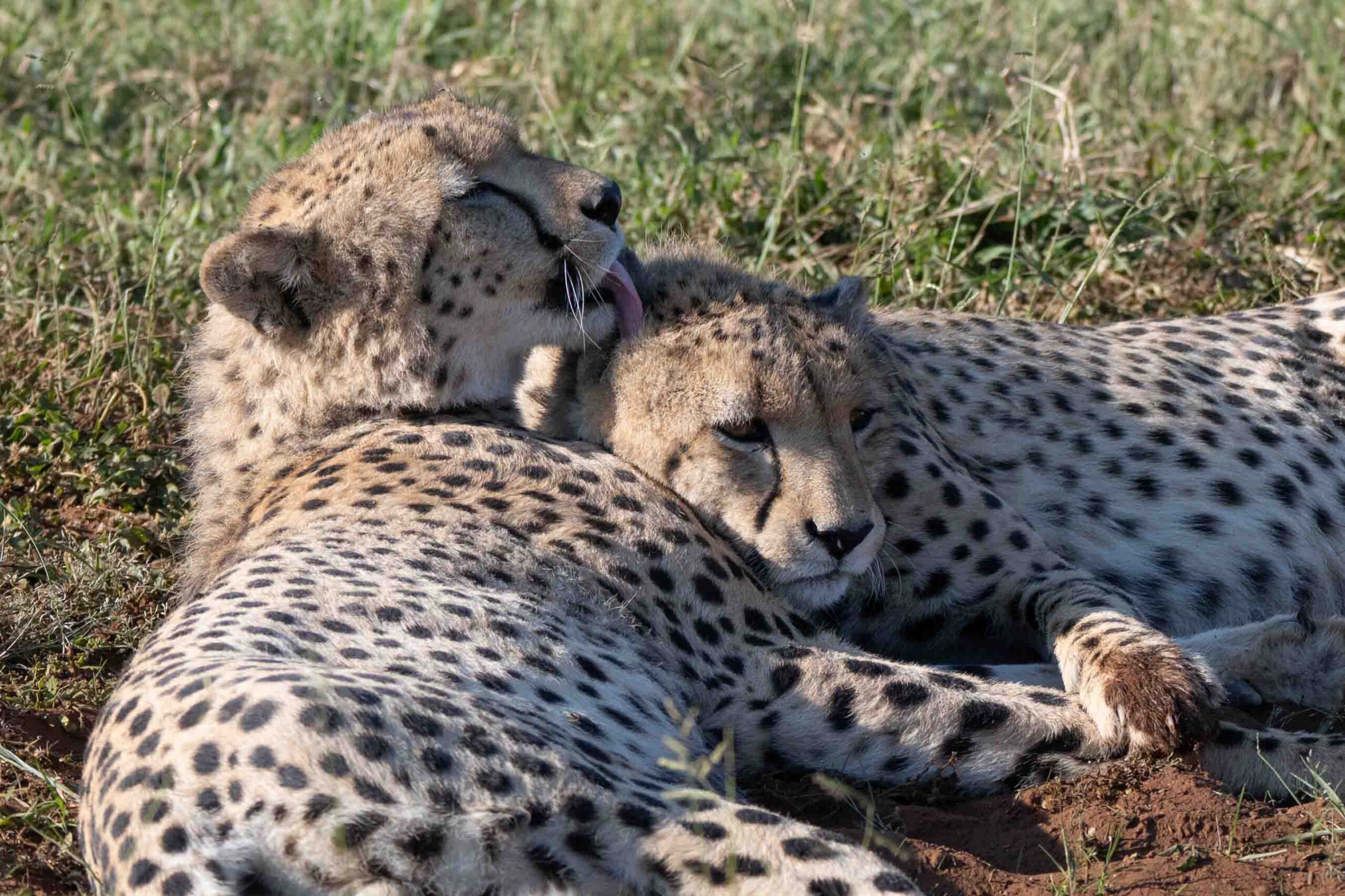
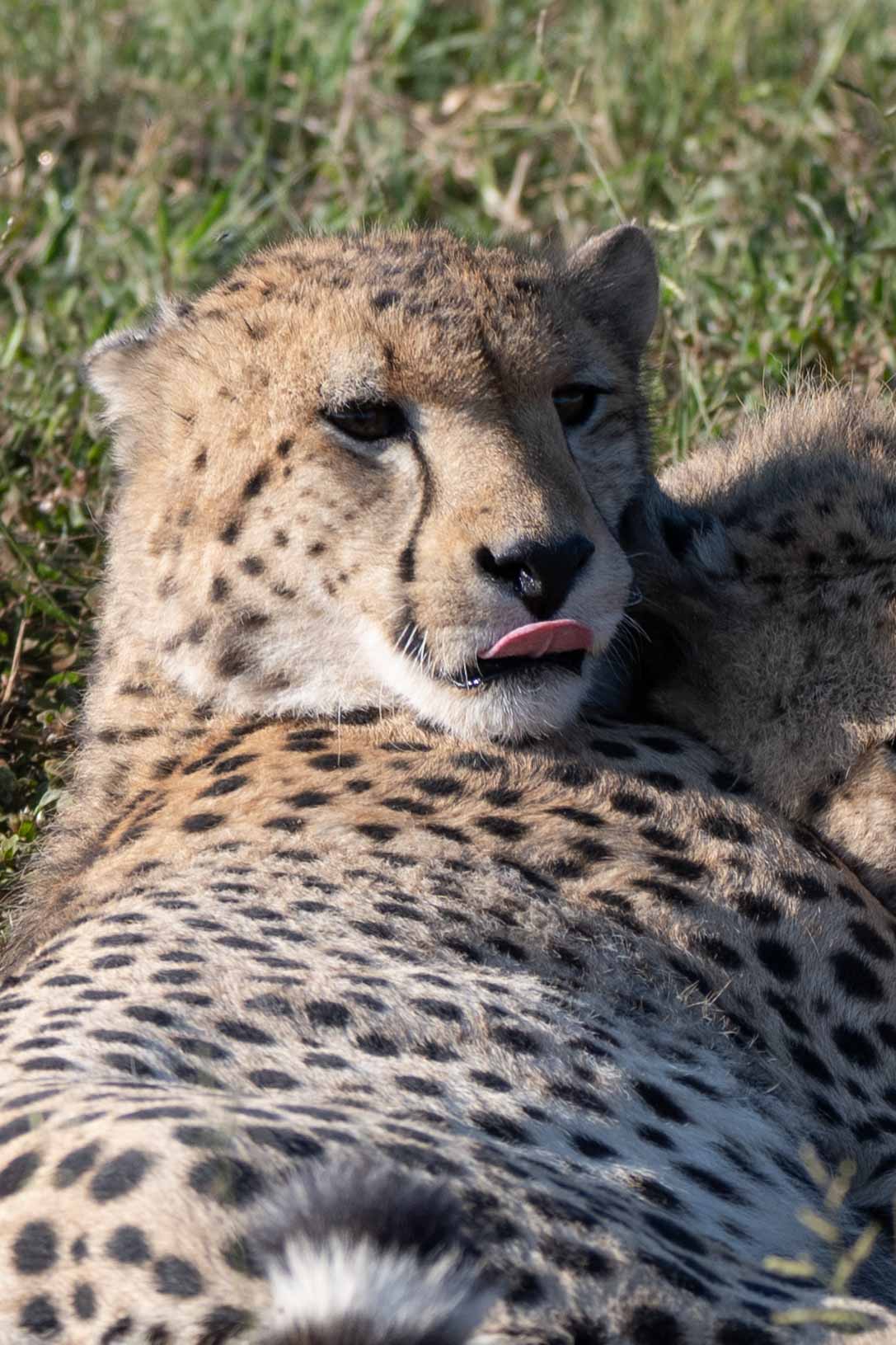
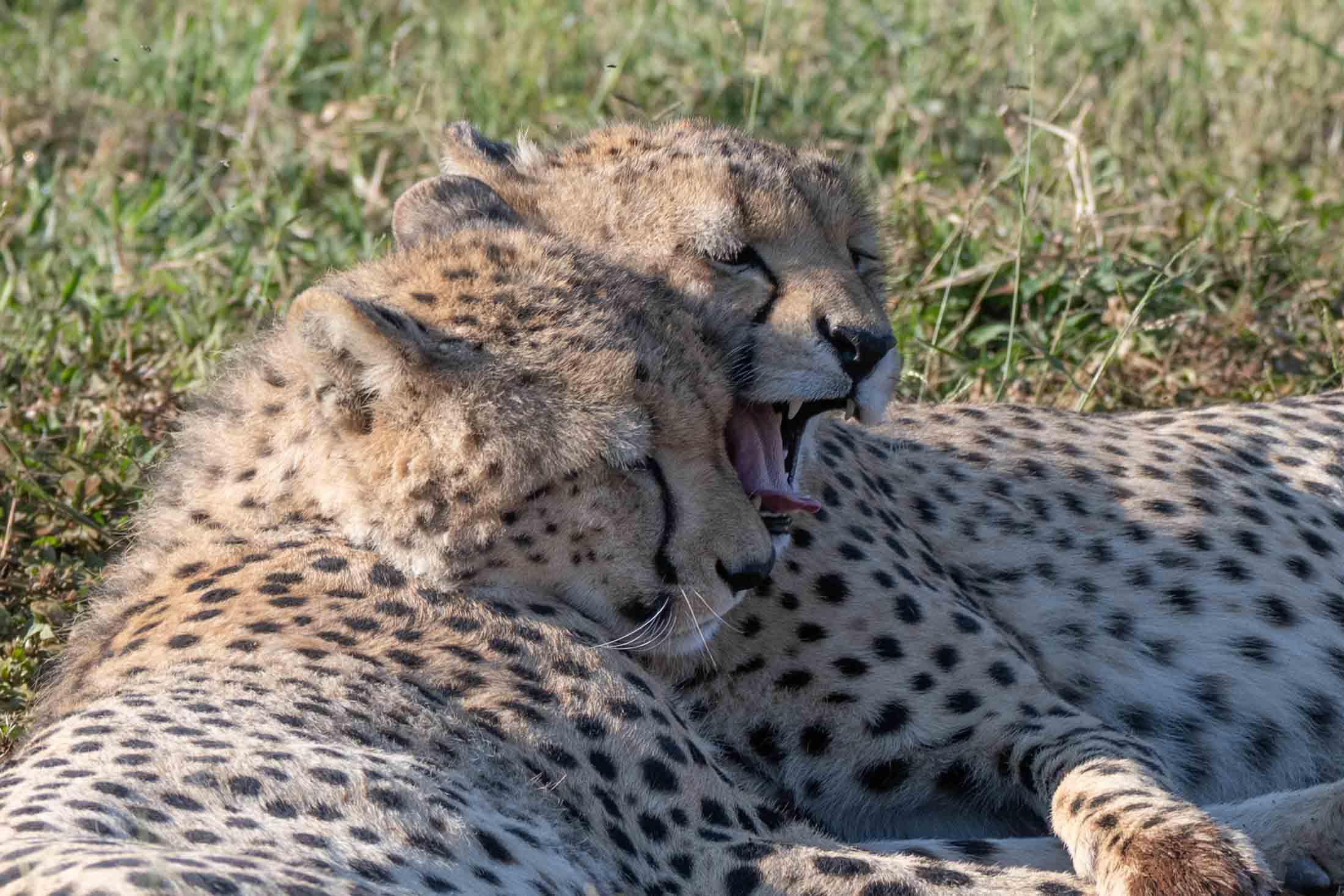
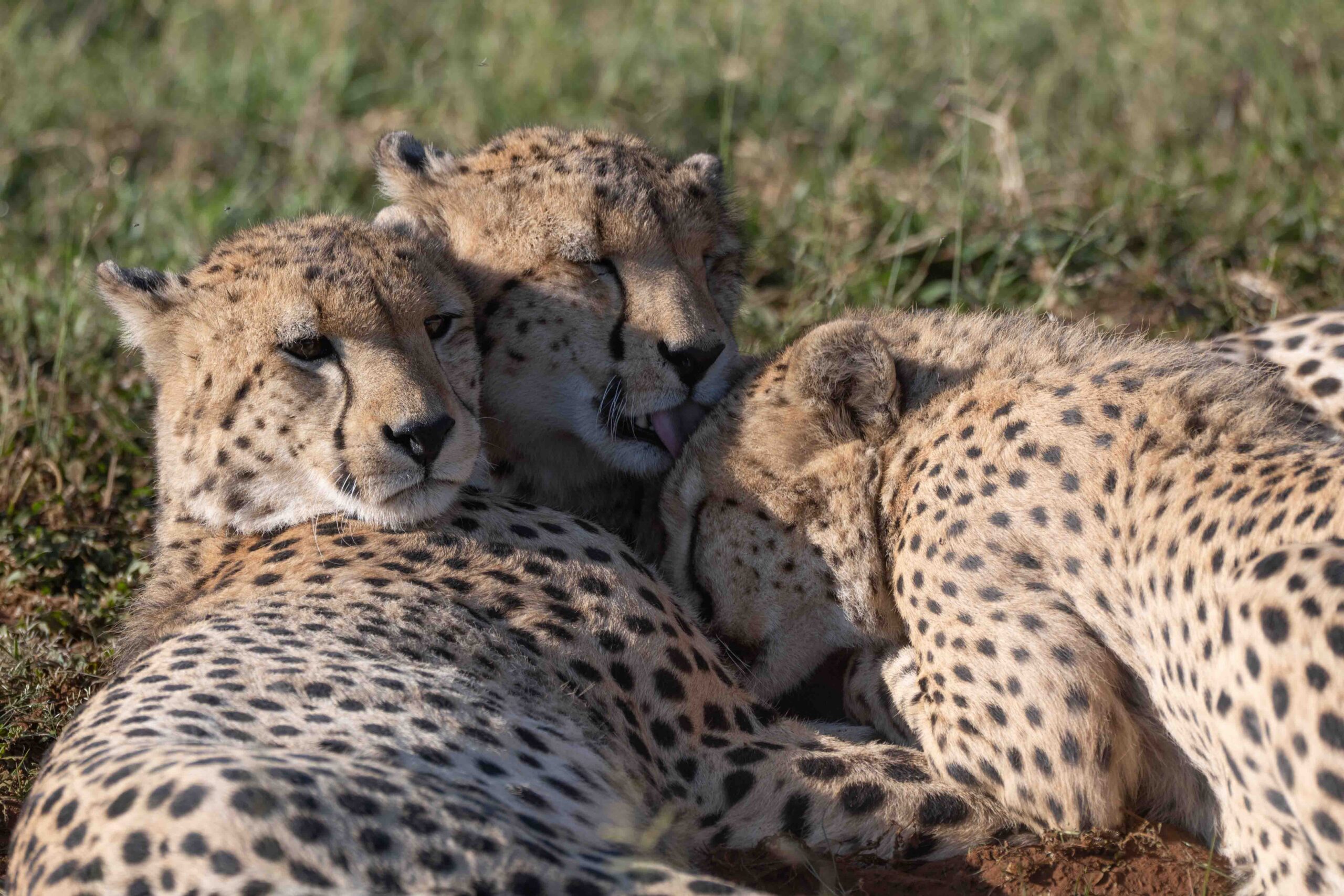
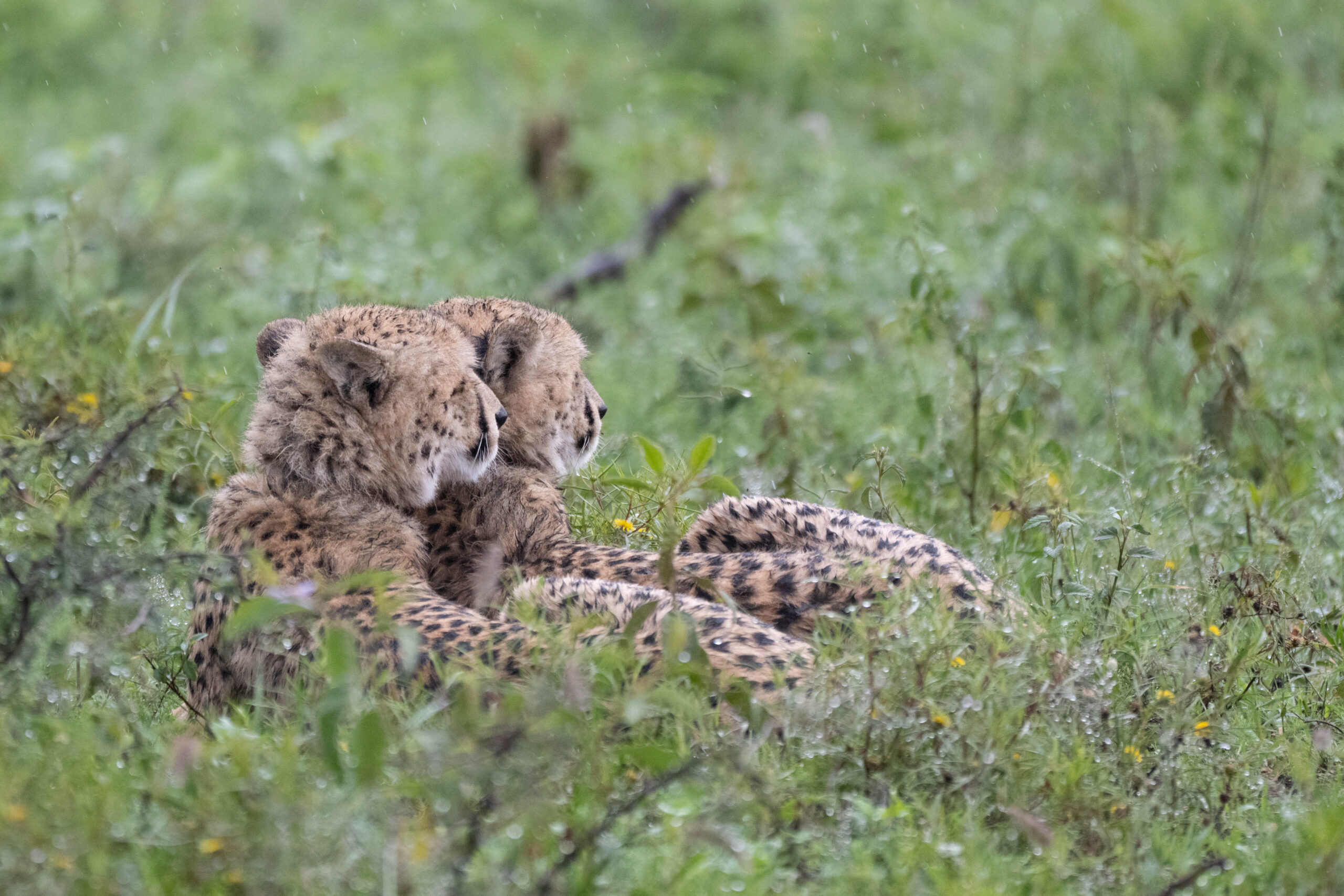
A little brotherly love
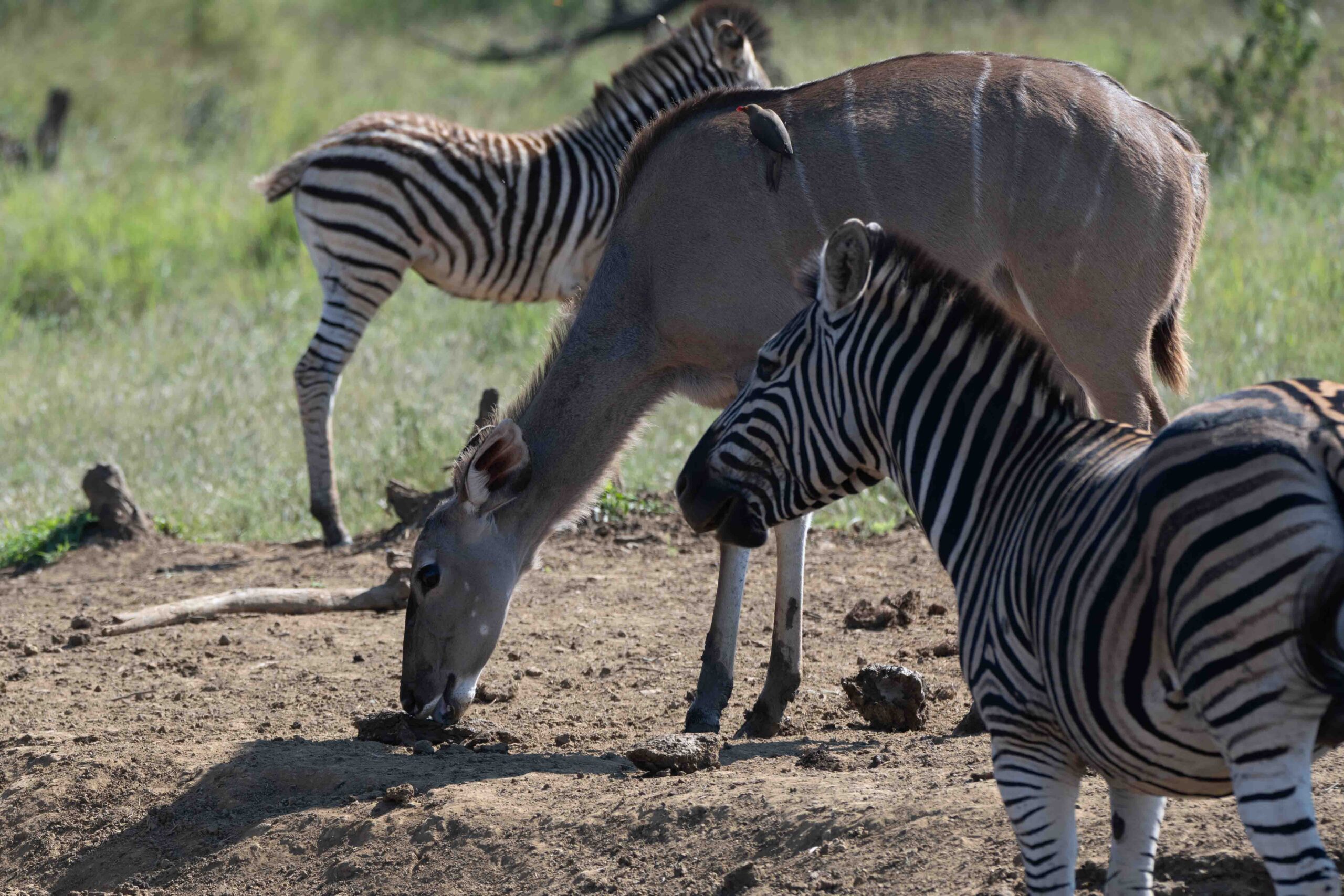
The animals come to this area in Madikwe to get minerals from the earth. It looks like they are eating mud clumps – and they are!
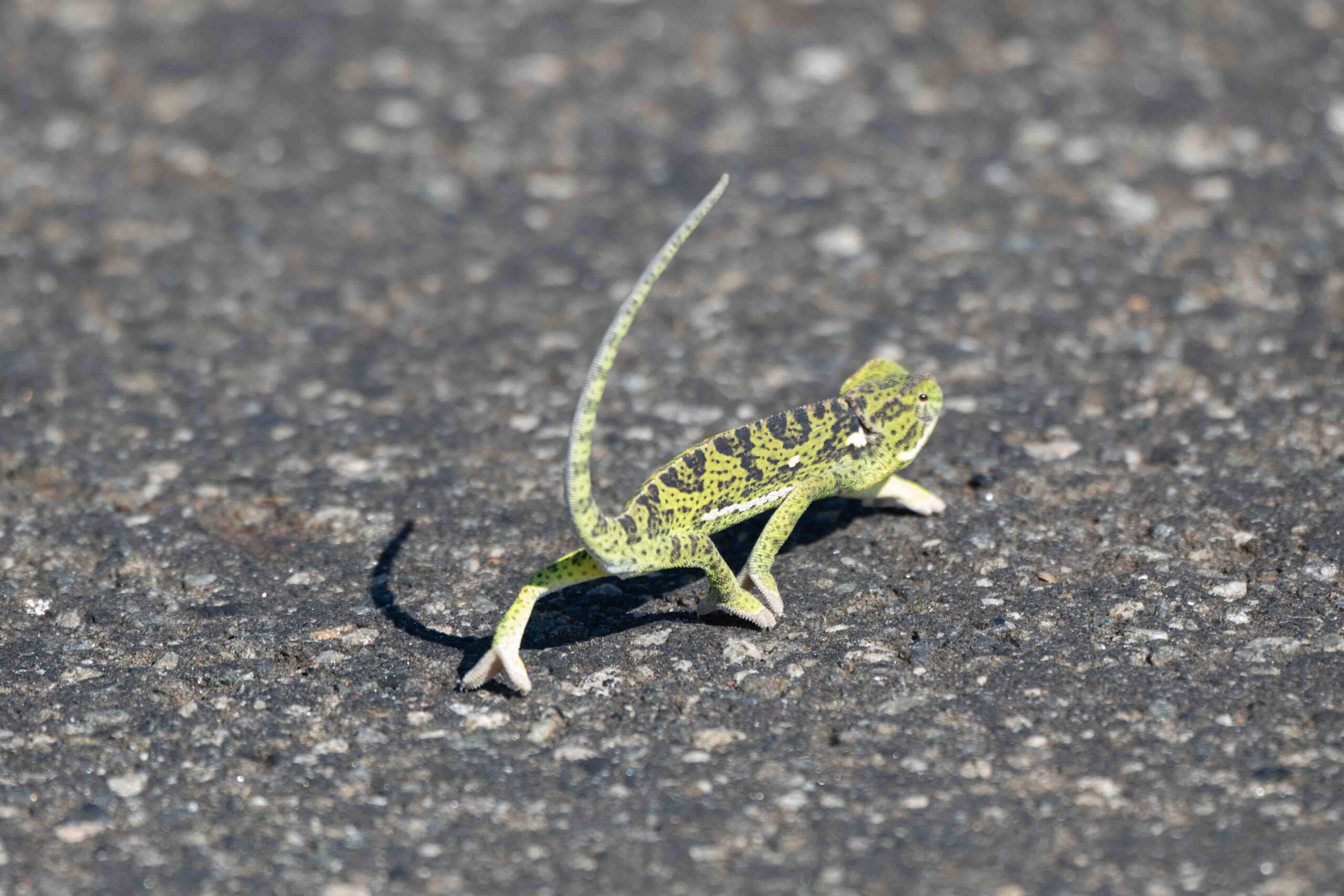
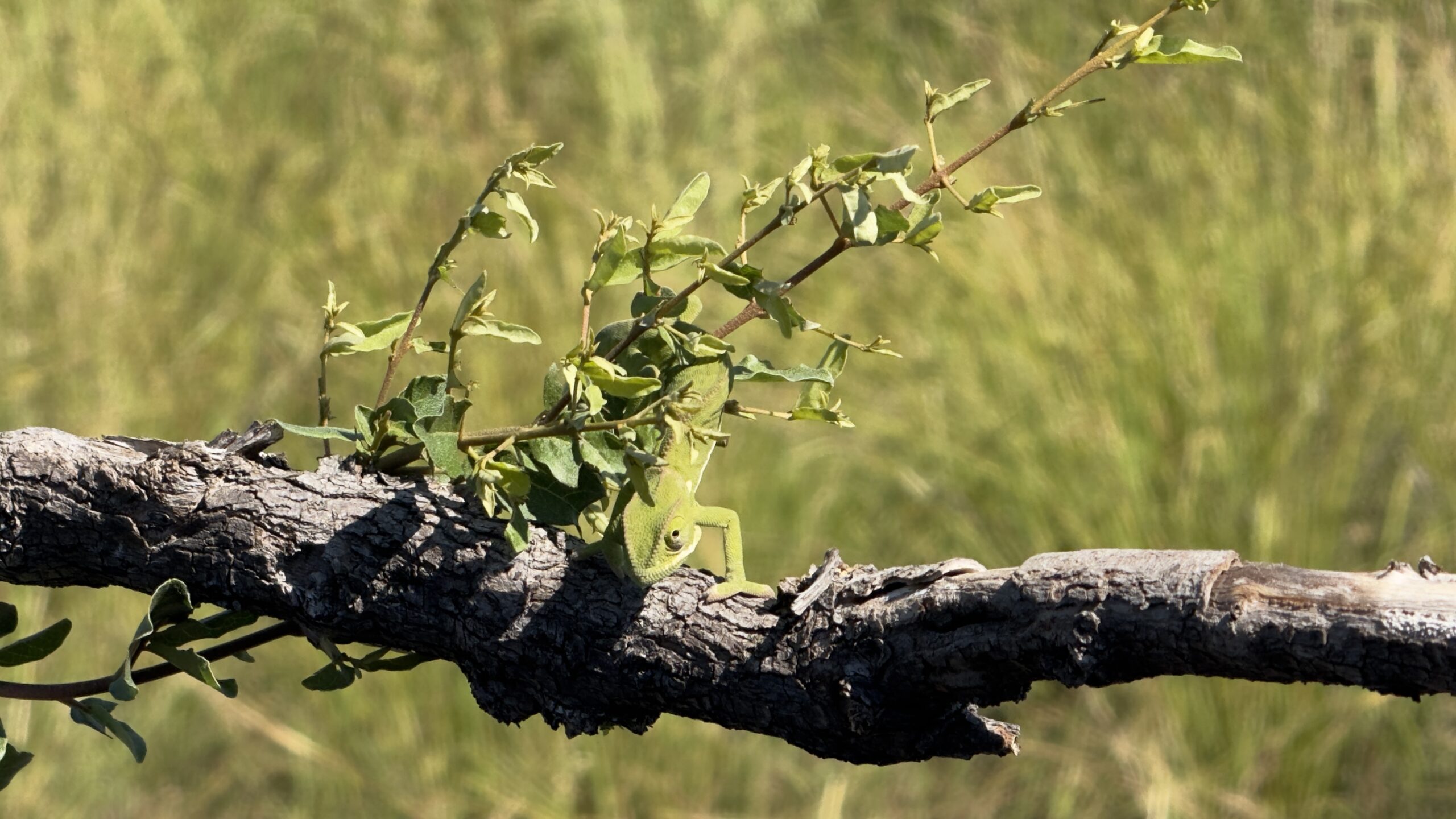
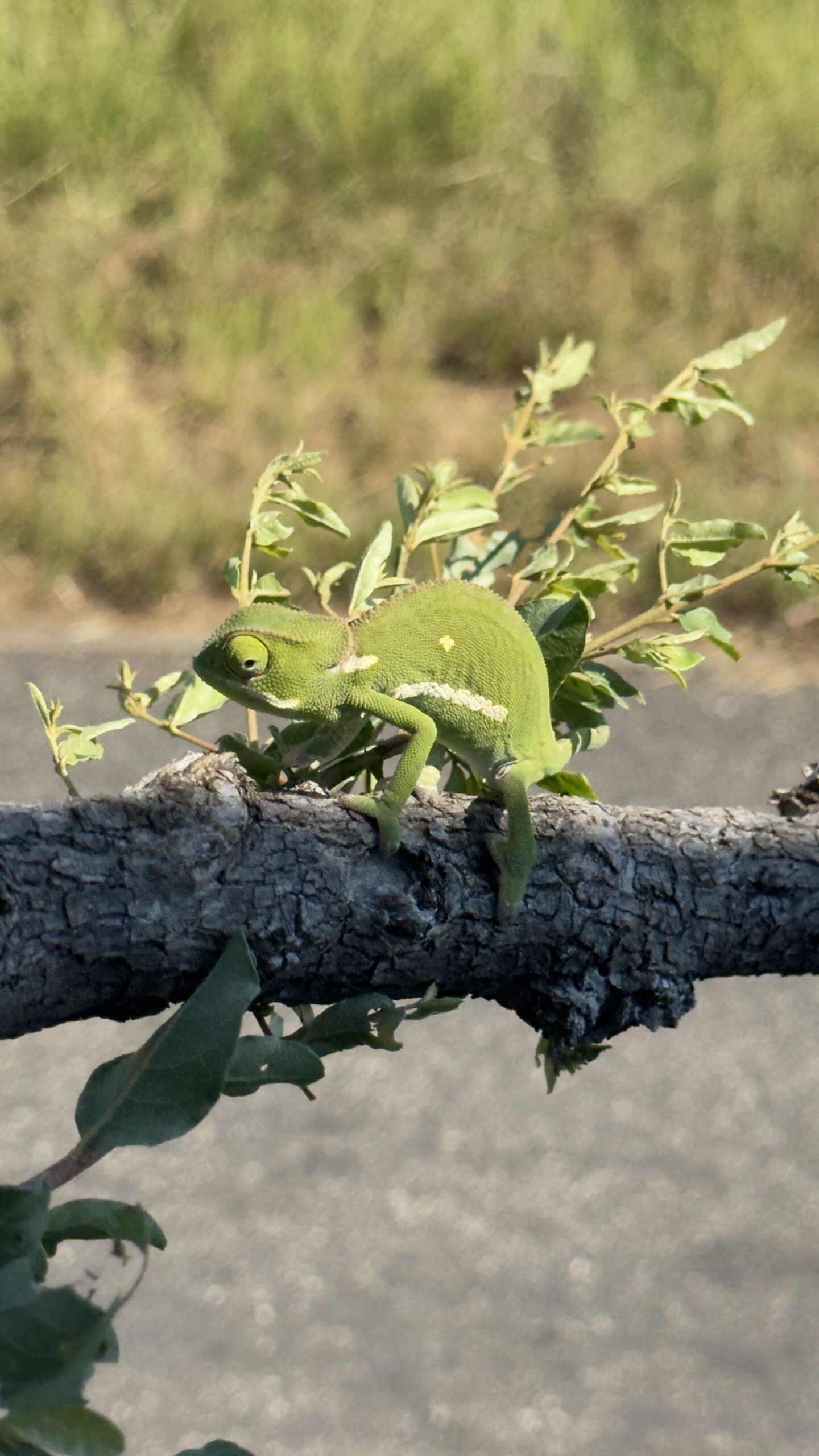
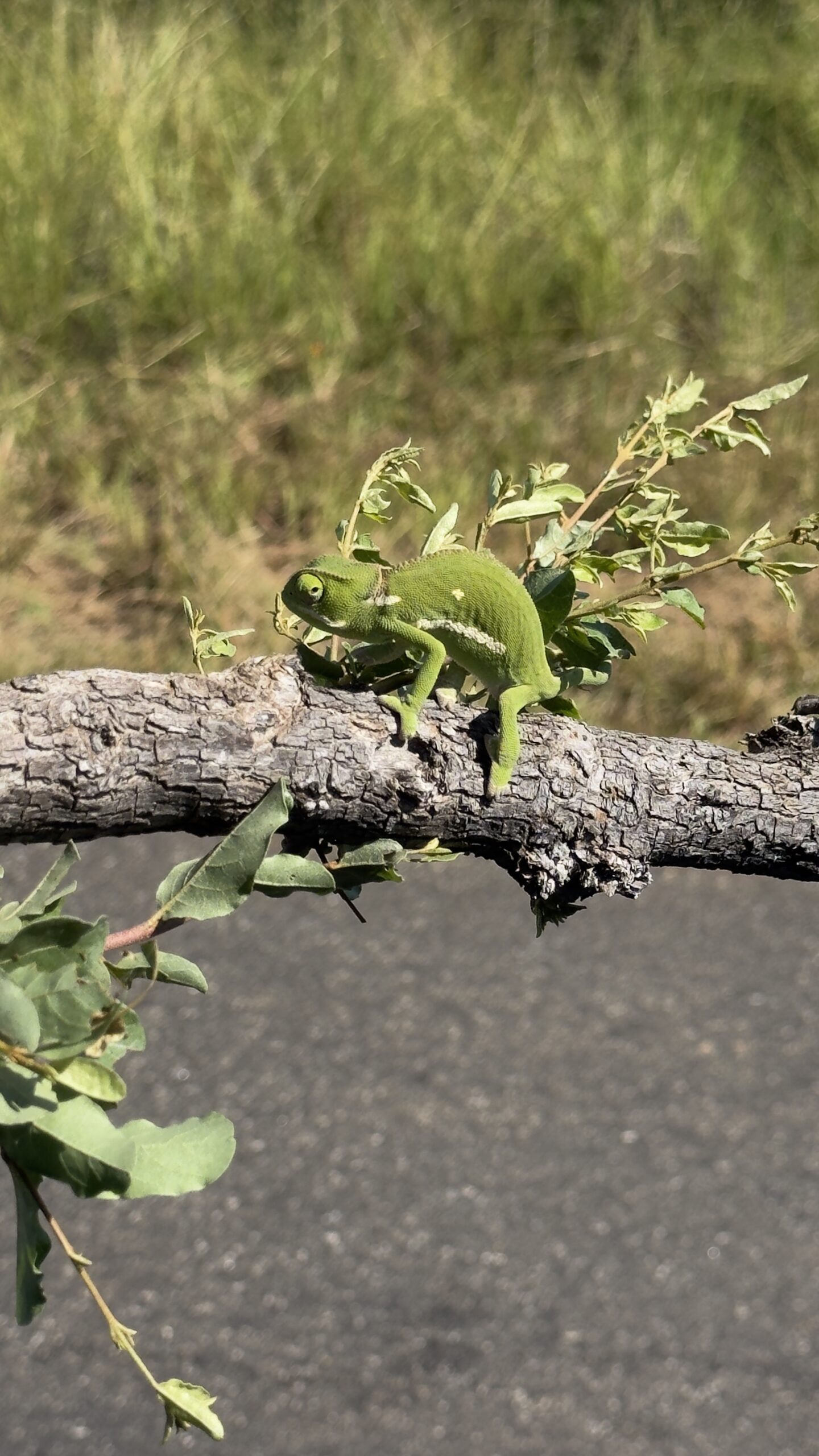
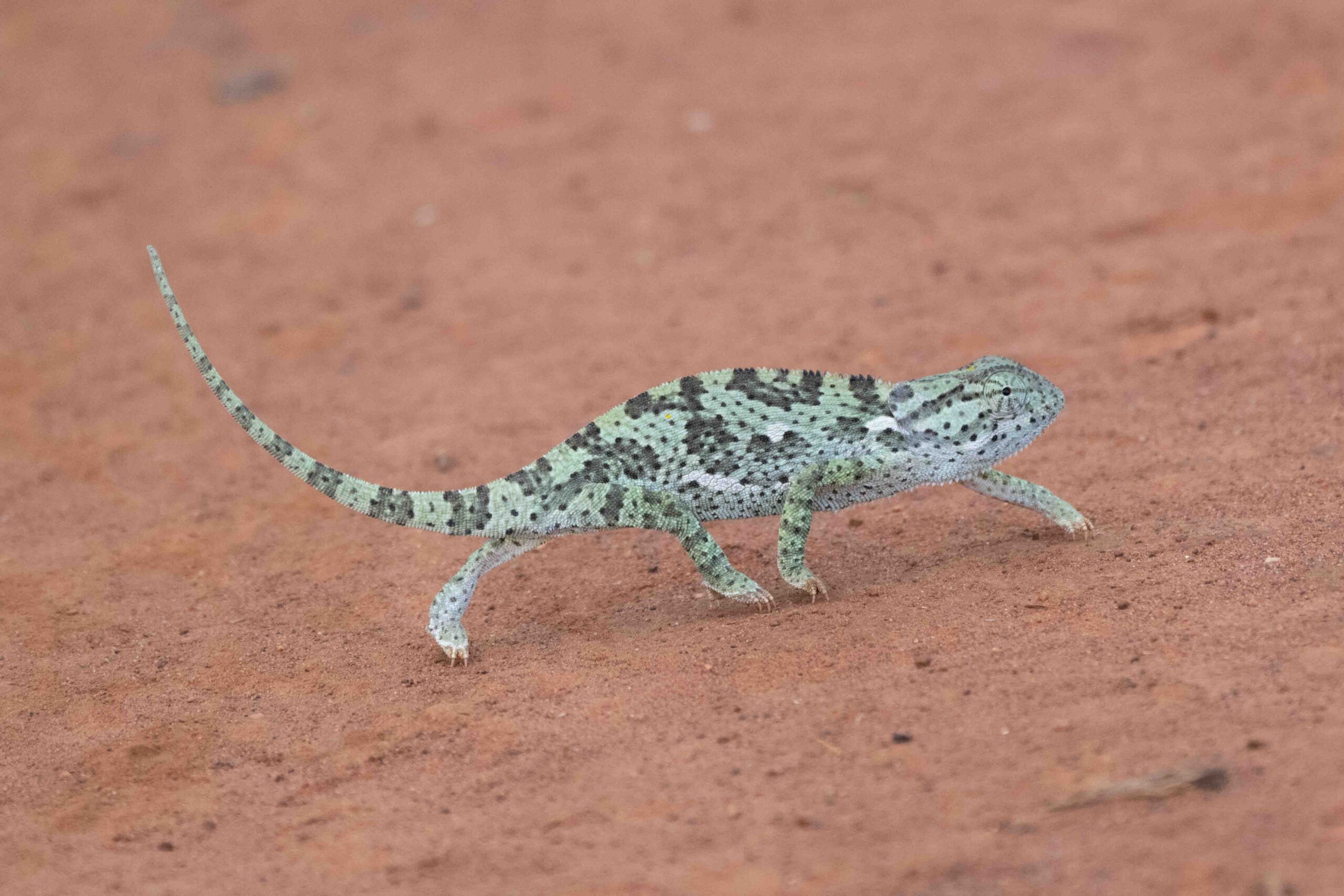
Our eagle-eyed guide, Justice, spotted this Flap-necked Chameleon crossing the road. He was about to get squished by another car so Justice hopped out of the vehicle and rescued him. He took a little time for a photo shoot. You can see the difference in colour from when he was on the road to when he was on the branch. Amazing creatures!
Flap-necked Chameleon crossing the road – slowly!
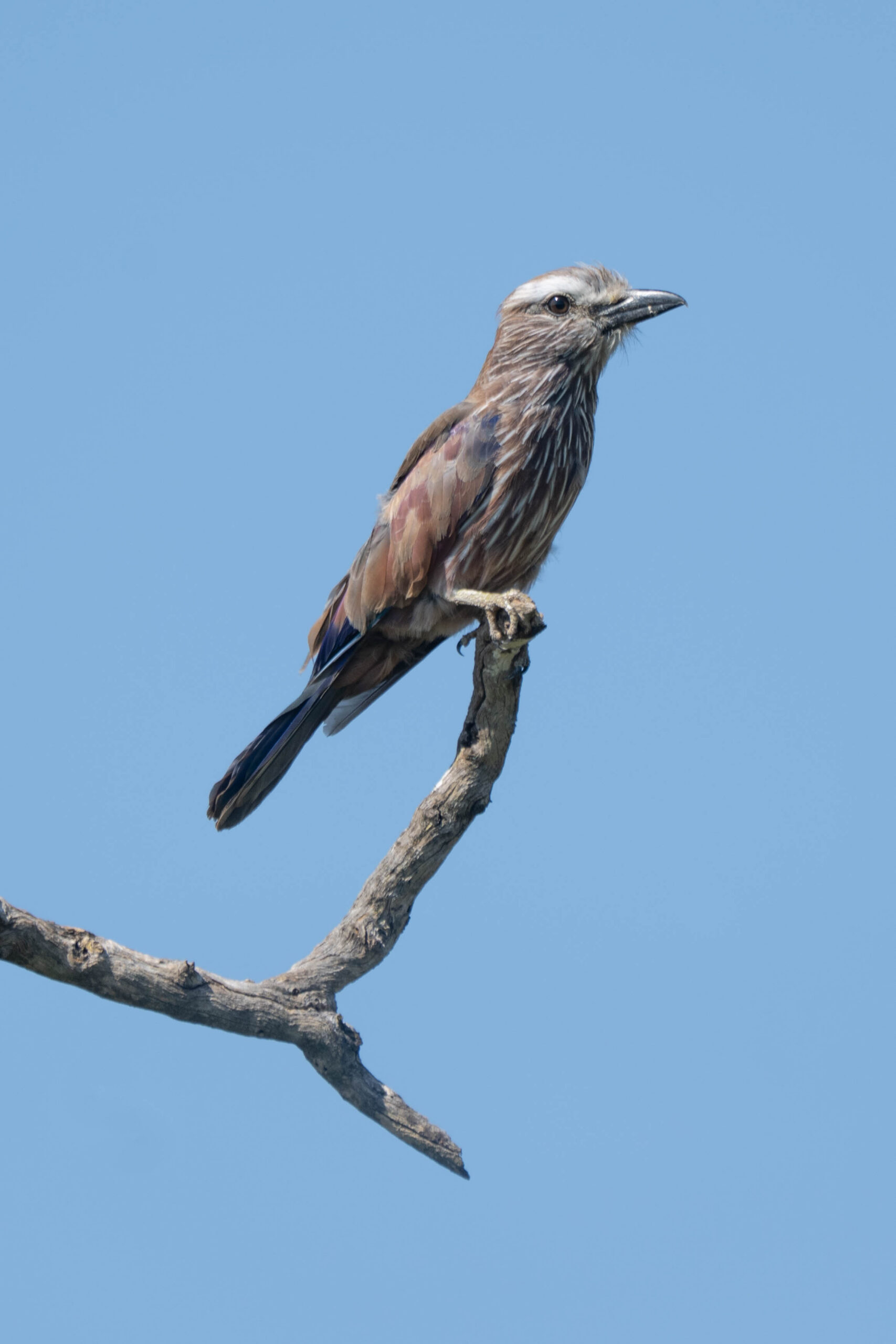
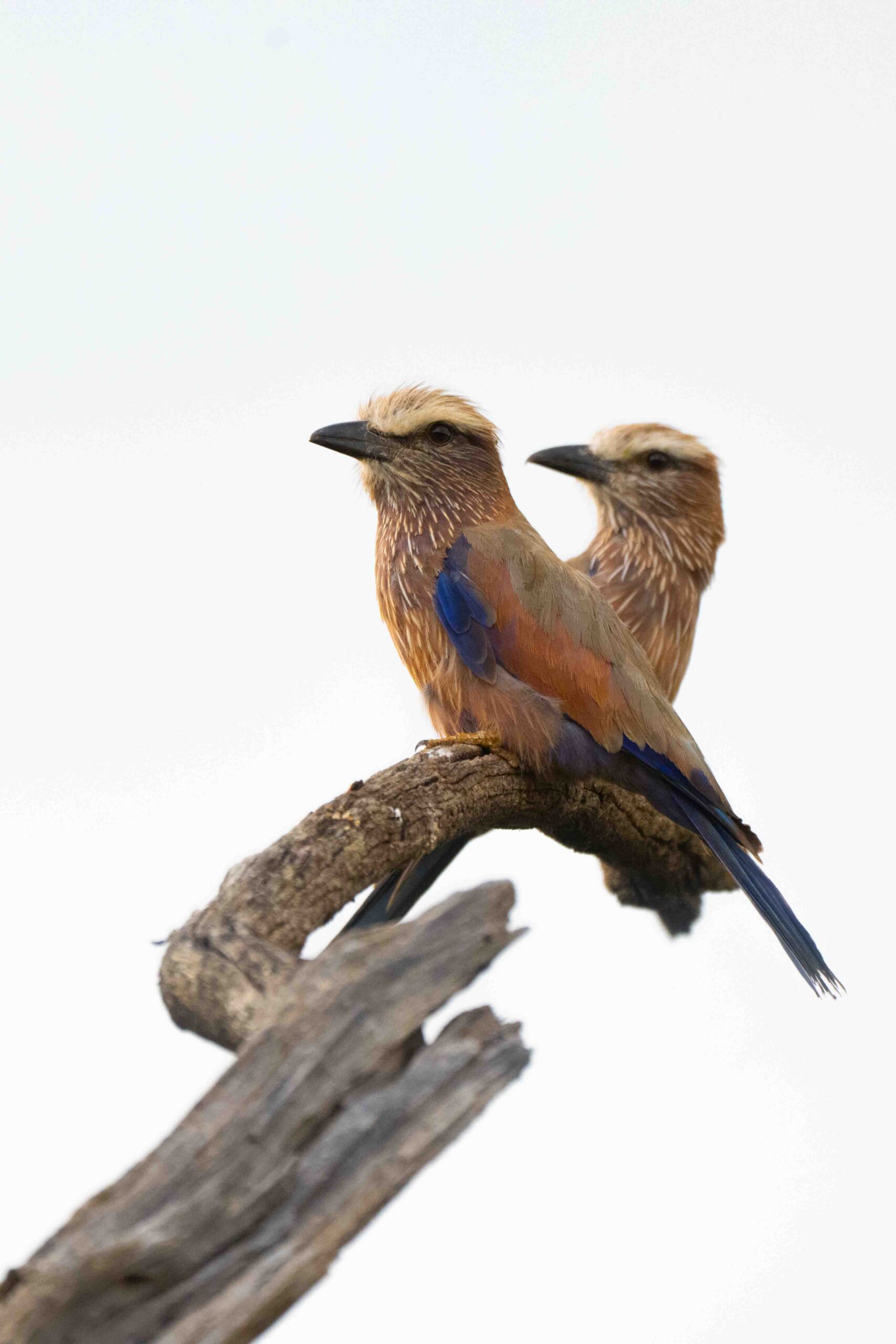
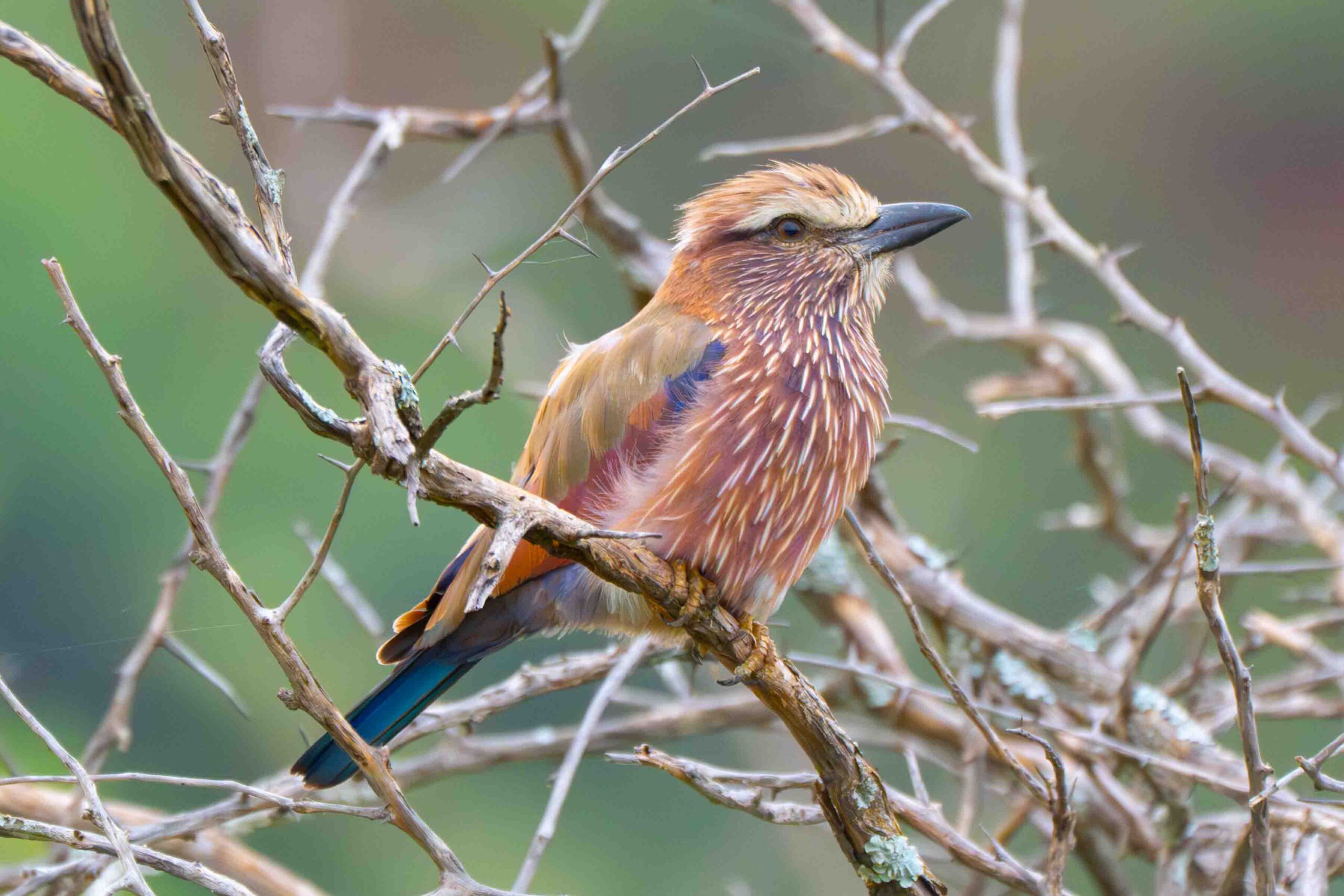
Purple Roller
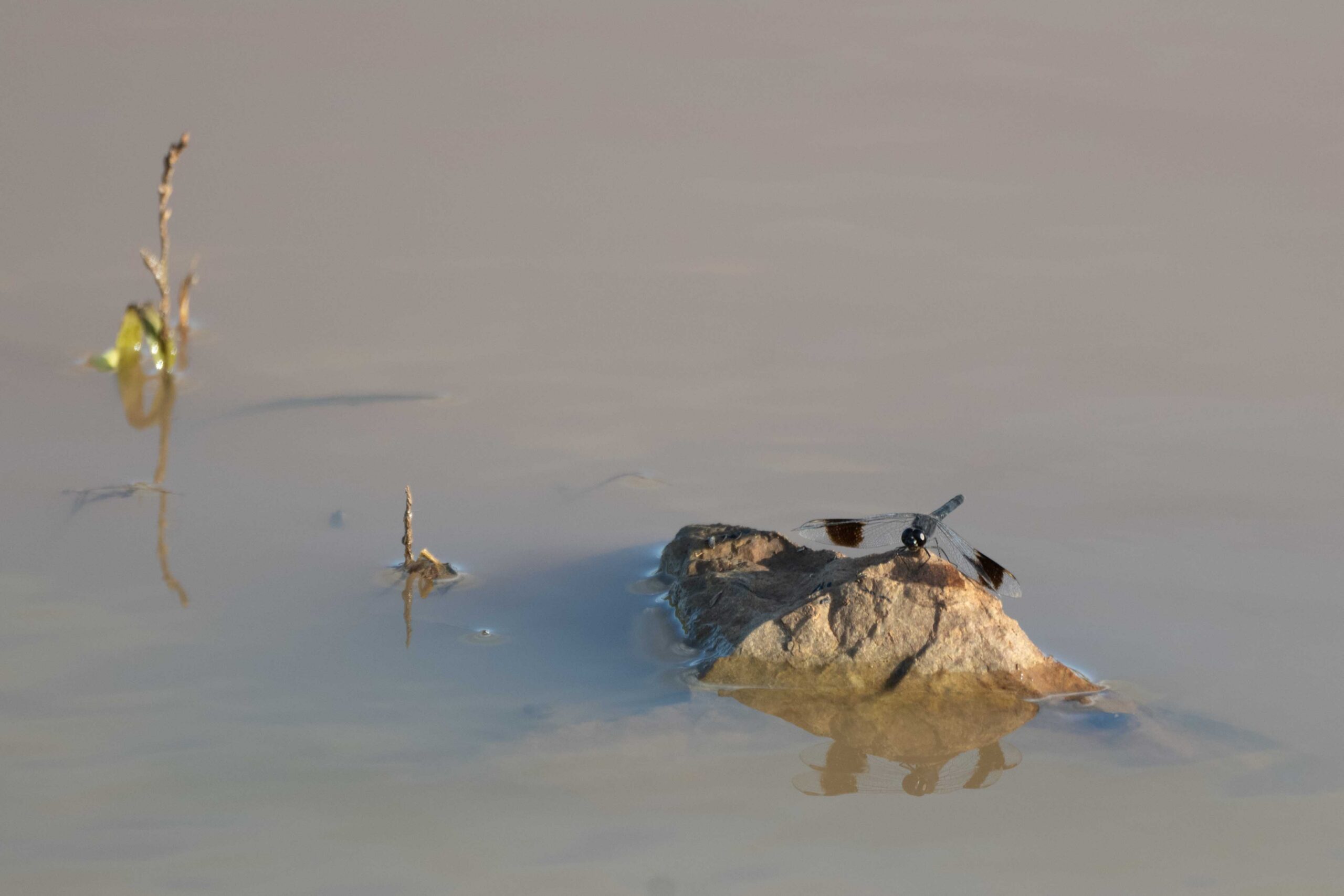
Southern Banded Groundling (a type of dragonfly). Read more here: Groundling
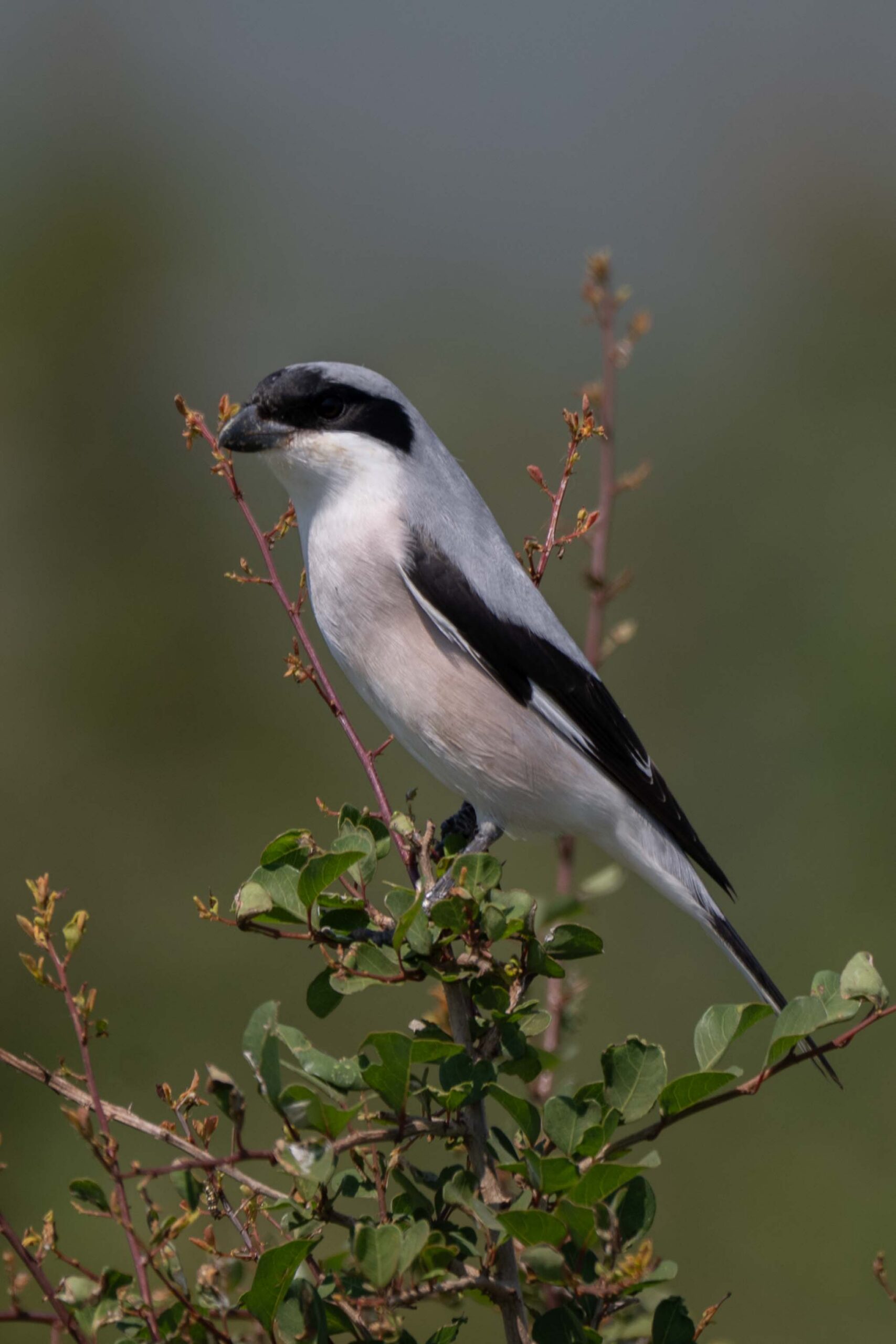
Lesser Grey Shrike
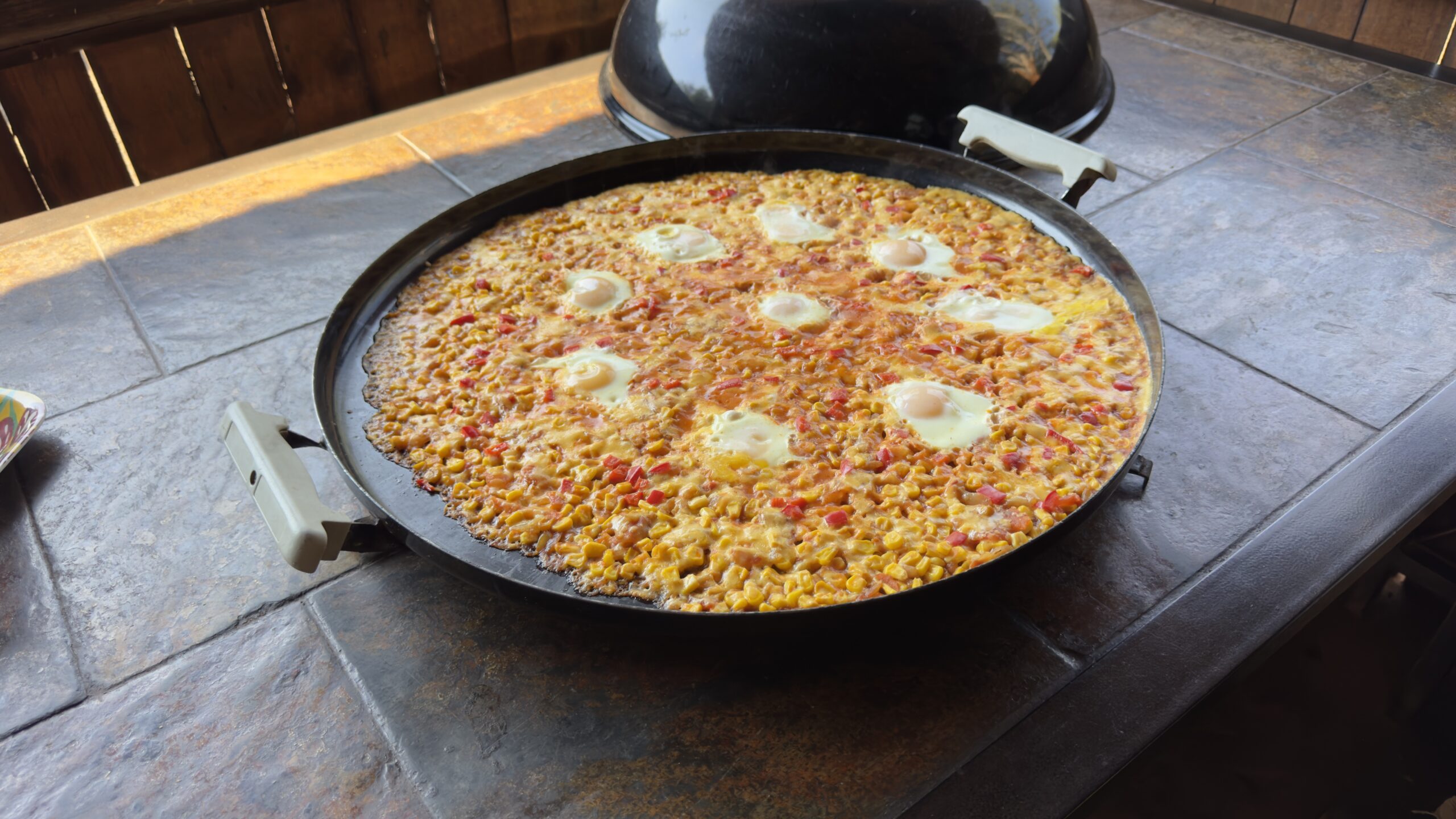
A fine feast of sweetcorn and “fried” eggs. The food at Mosetlha is amazing!
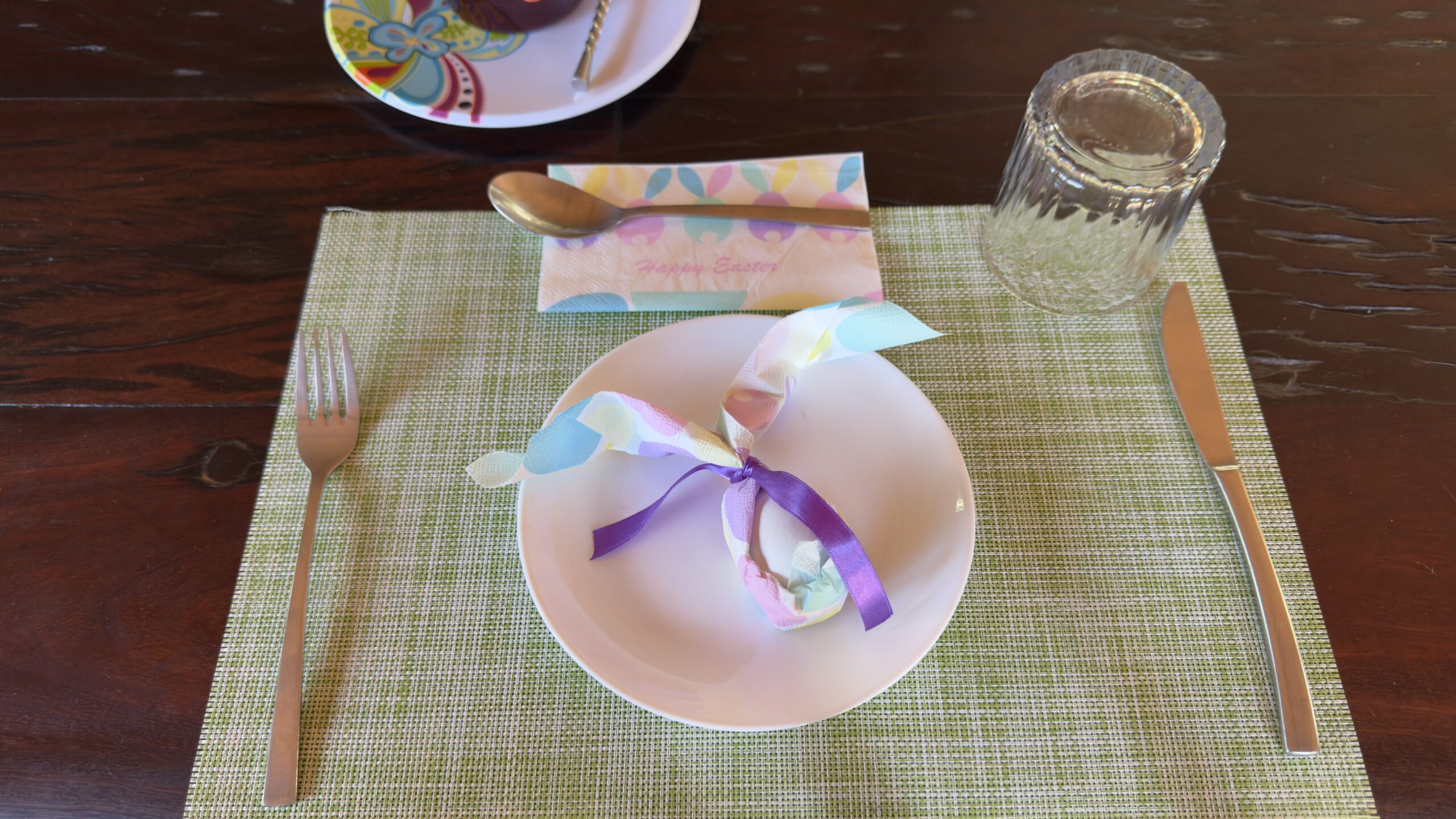
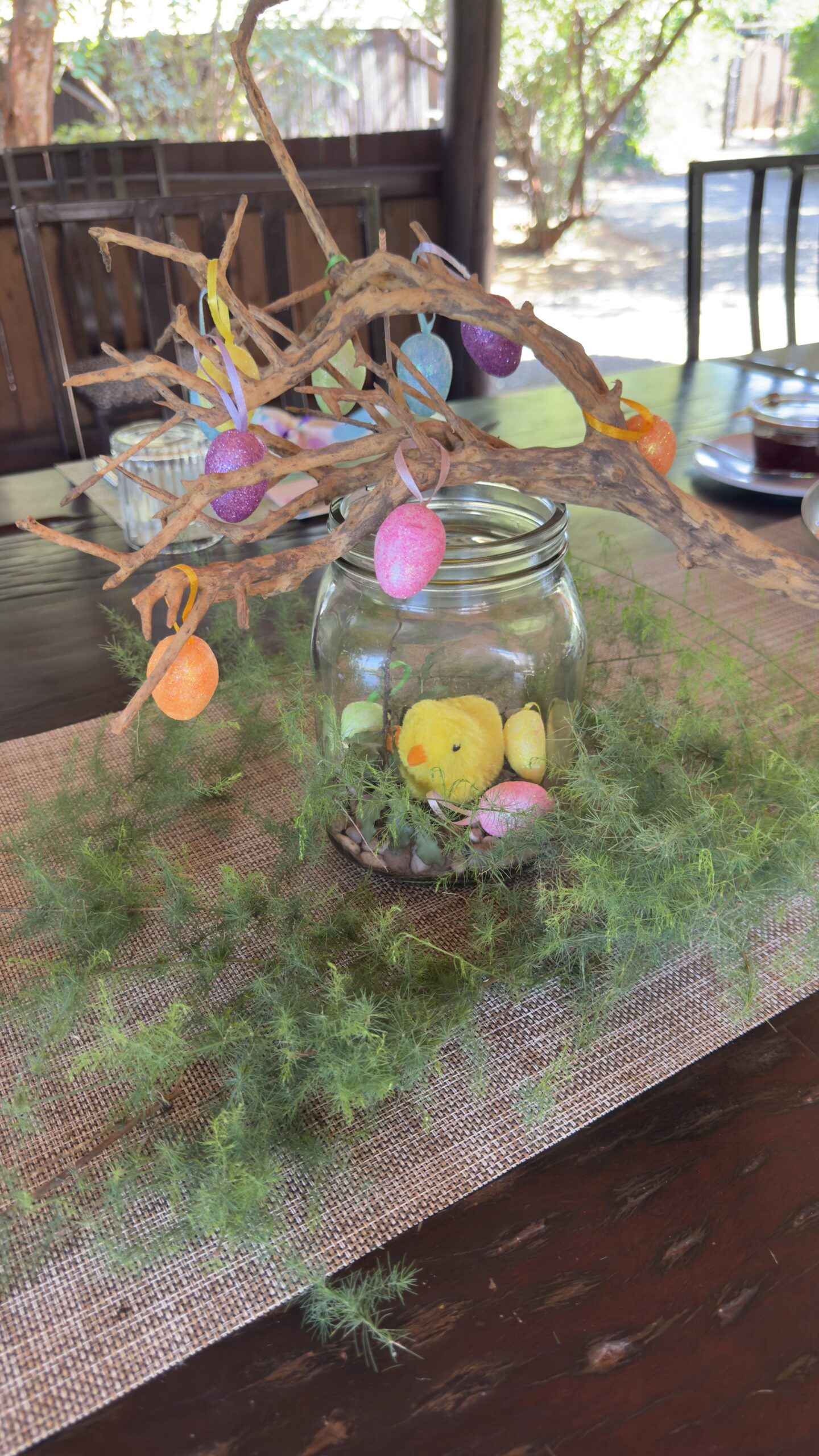
Easter decorations, which the resident squirrels found very tasty!
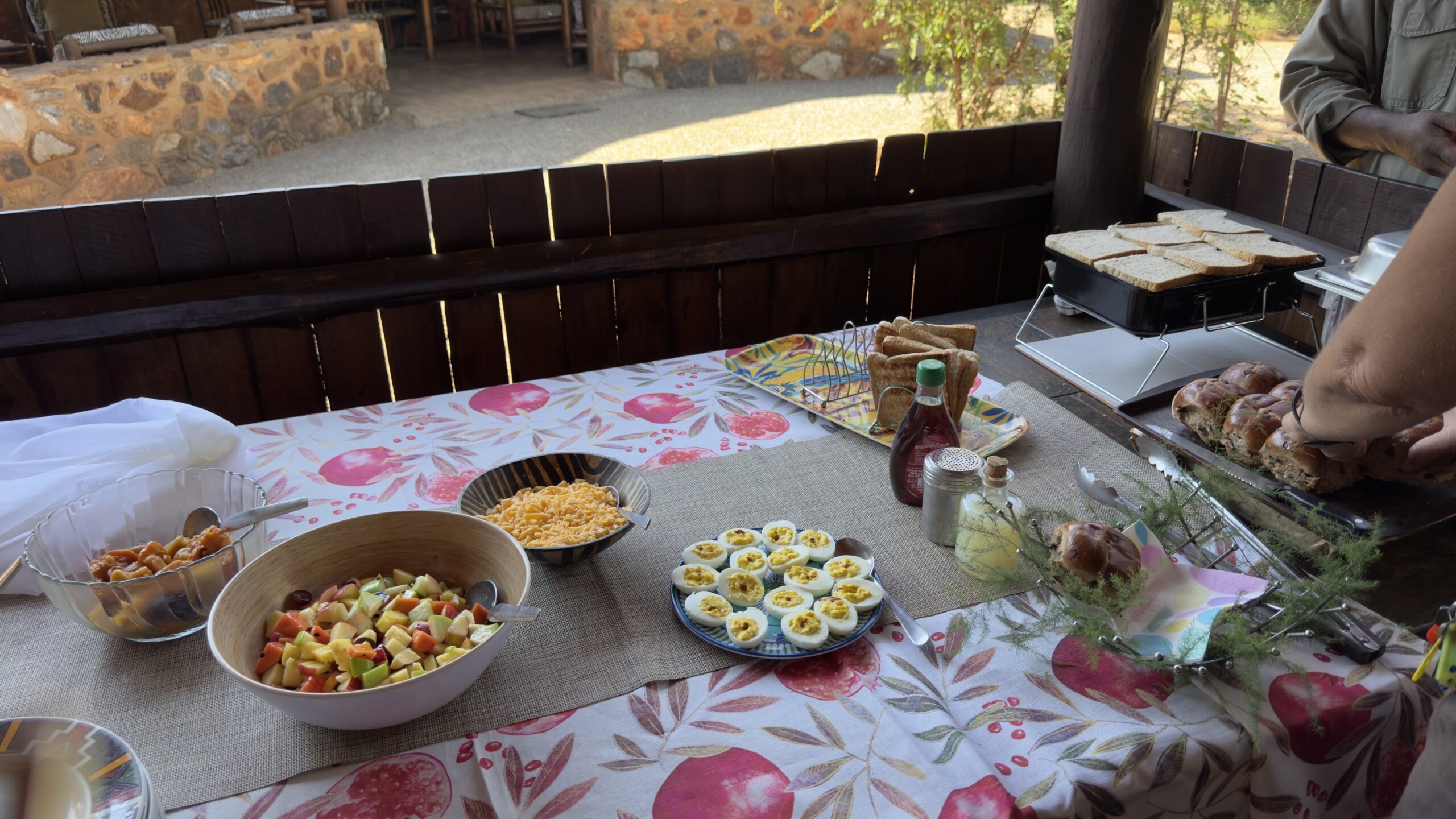
Easter breakfast feast, including toasted hot cross buns
In November 2025 I spent 3 nights at Mosetlha Bush Camp & Eco Lodge in the Madikwe Game Reserve on the border with Botswana. Madikwe is the fifth-largest game reserve in South Africa, and one of the largest Big 5 reserves.
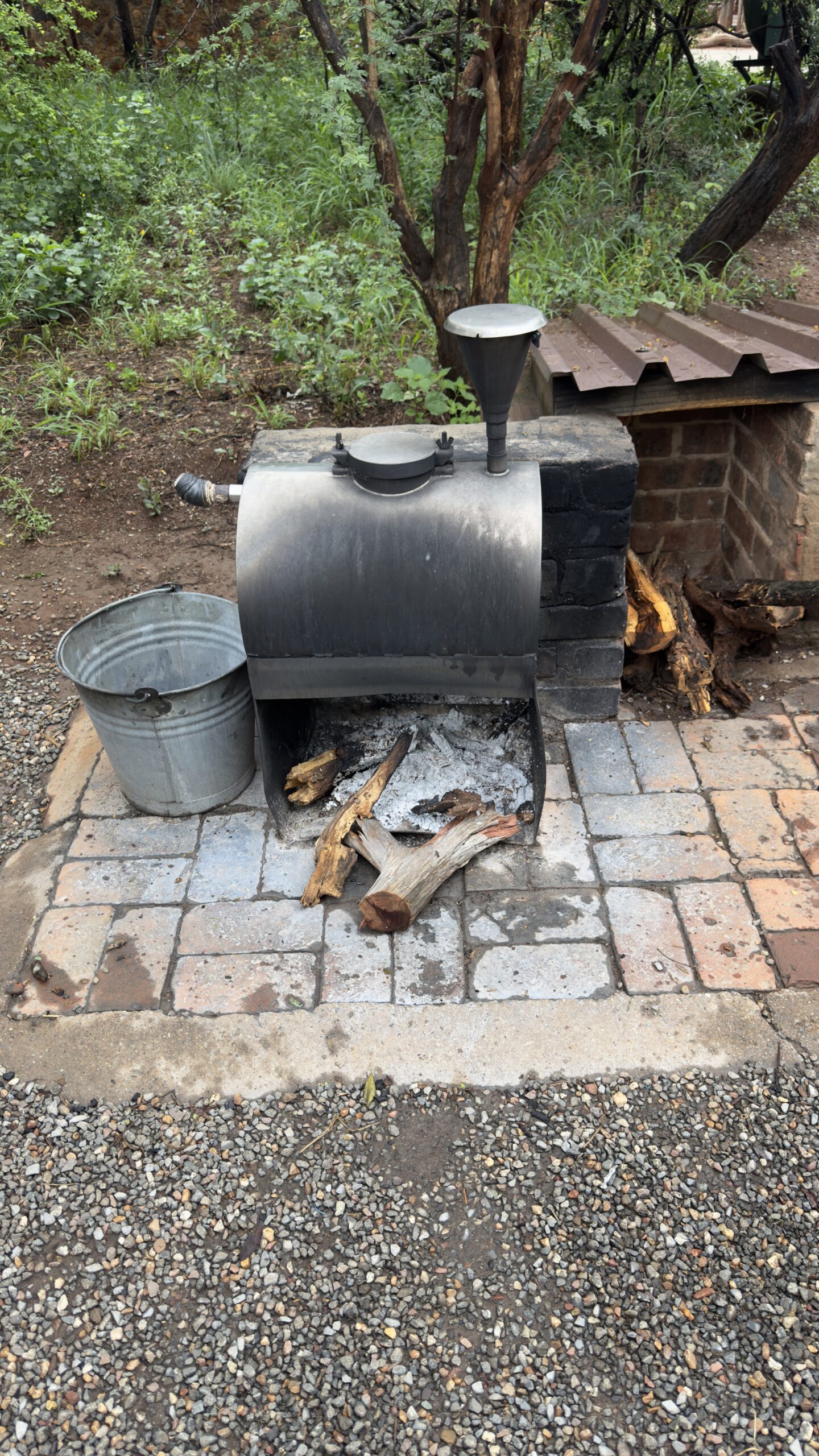
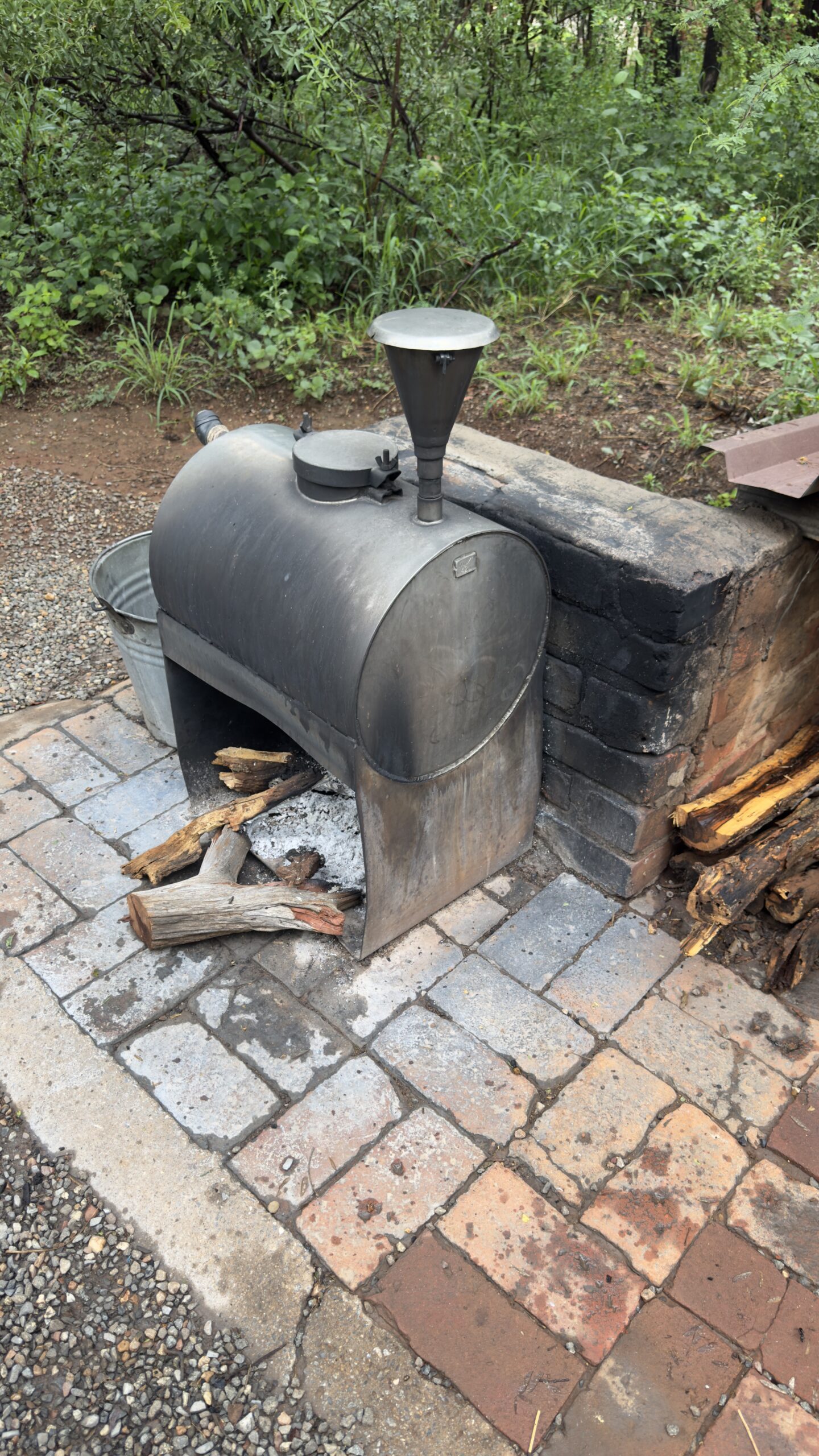
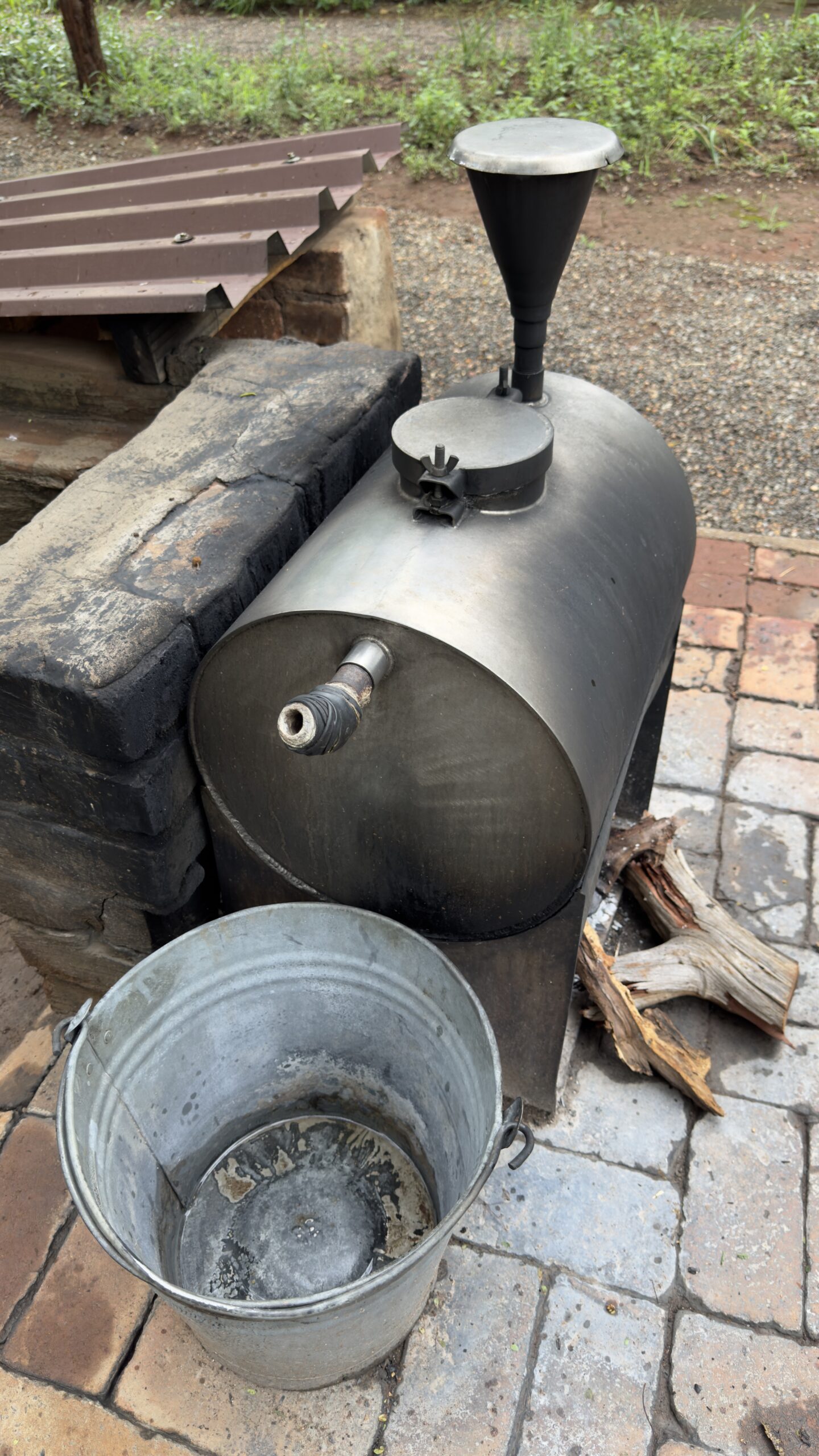
Mosetlha Bush Camp is a fully off-grid camp, using only borehole water (tastes fantastic) and solar and paraffin lanterns. Hot water is supplied by means of wood-burning donkey. There is a gas fridge to keep the drinks cold (very important).
There is an electric fence designed to keep only the elephants out so you might be surprised on the way to the loo in the middle of the night!
They provide all meals and two game drives per day. The wonderful thing about Madikwe is that if you see an animal that is way off in the bush, the rangers will drive “off-road” to get closer to the sighting.
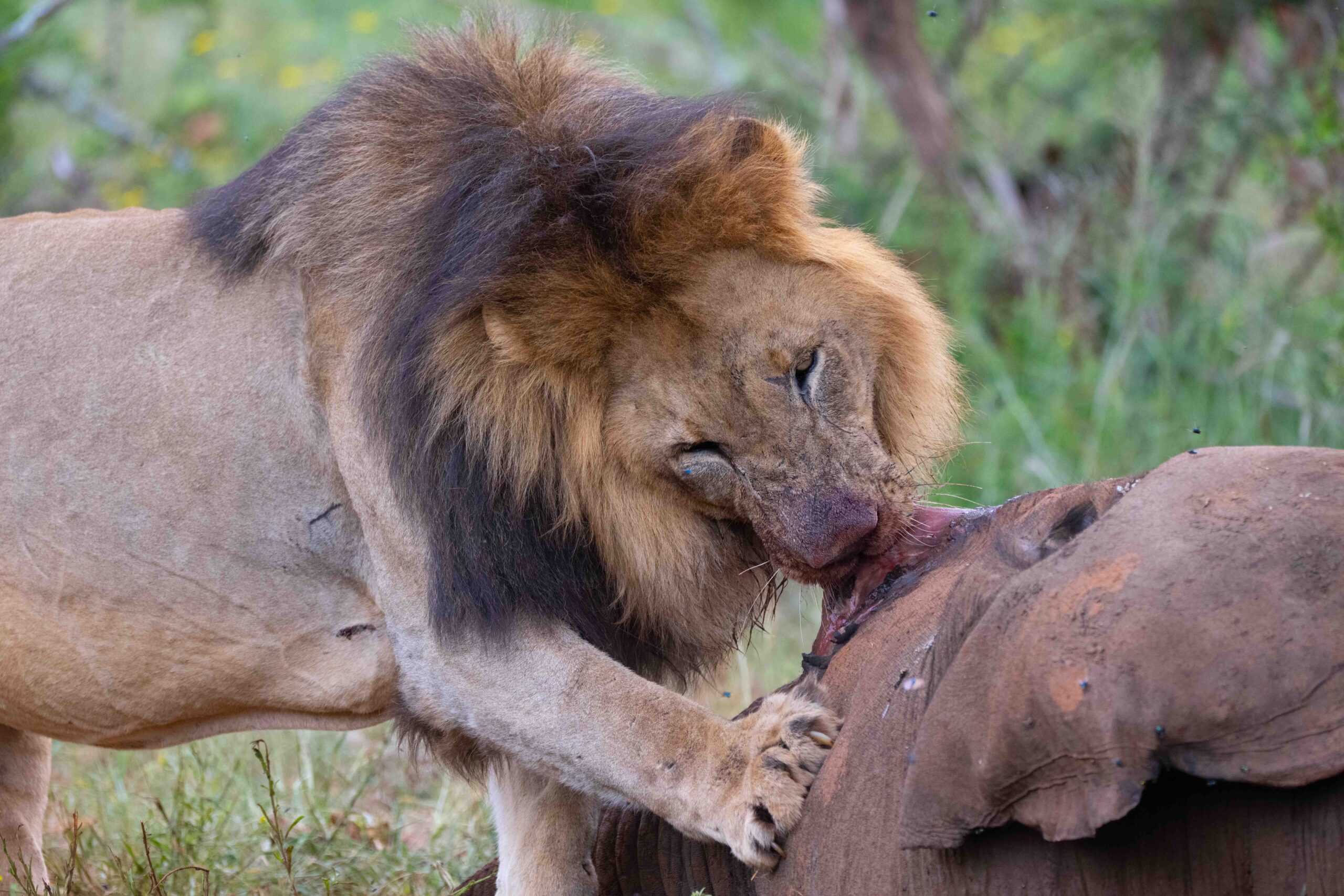
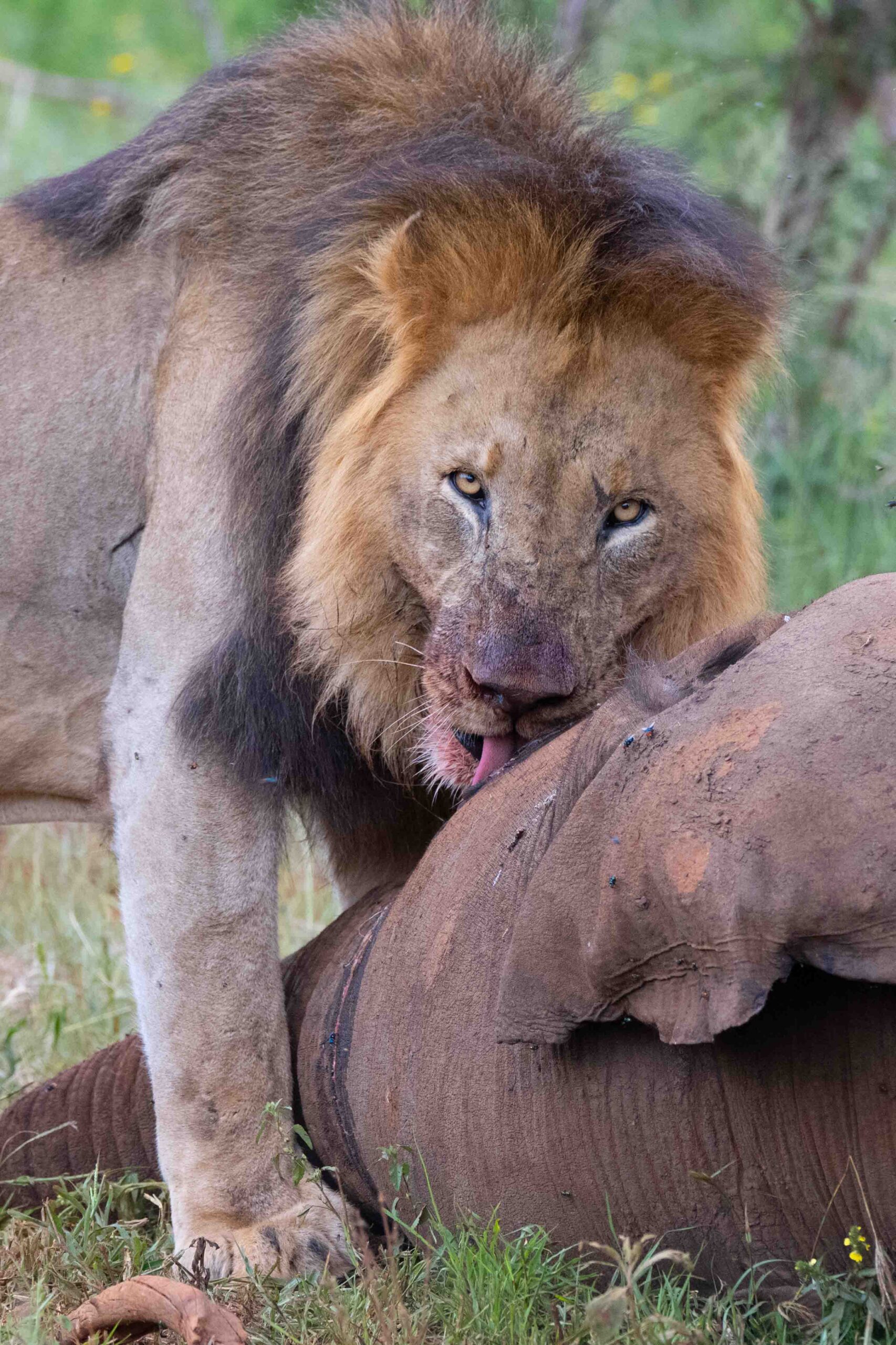
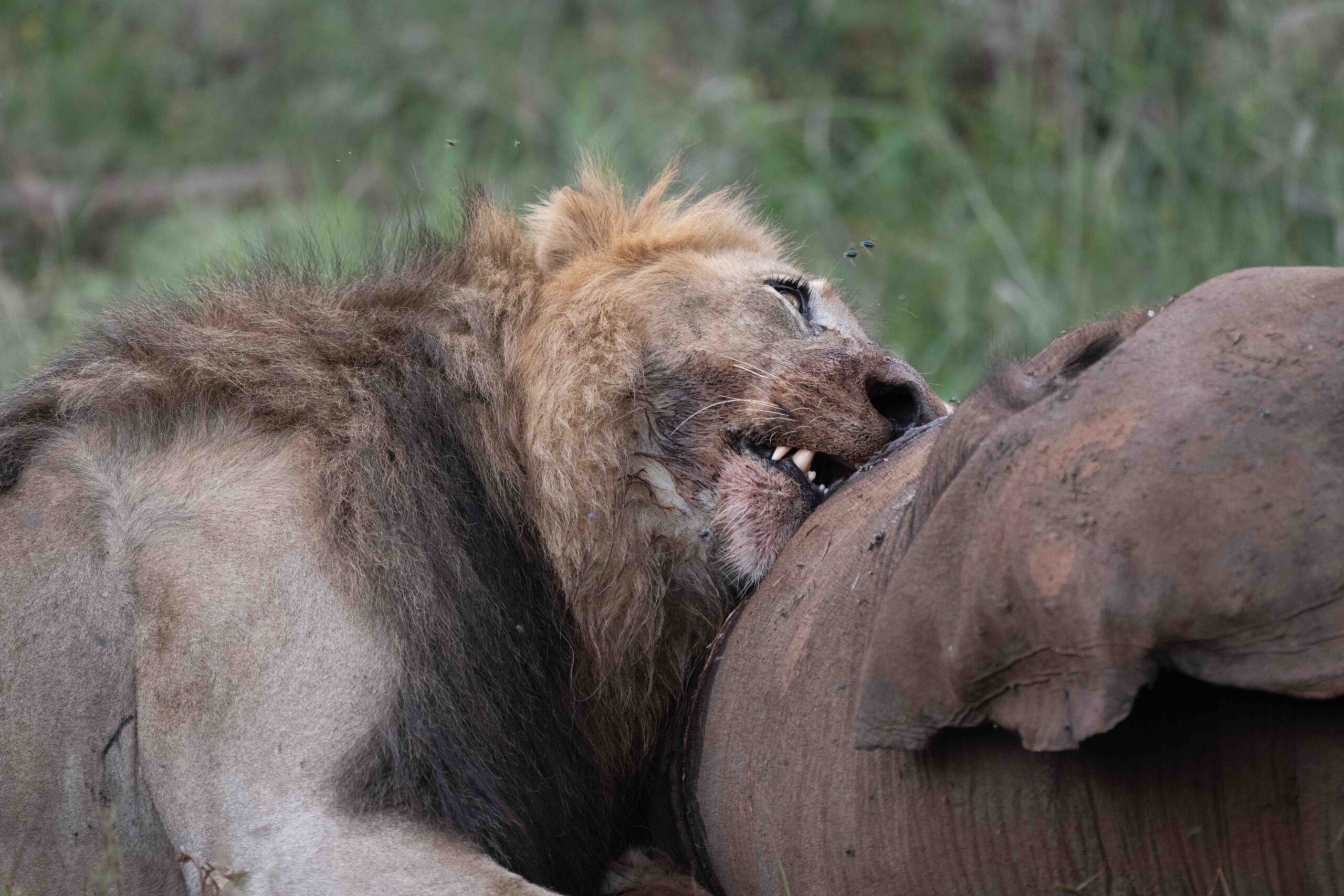
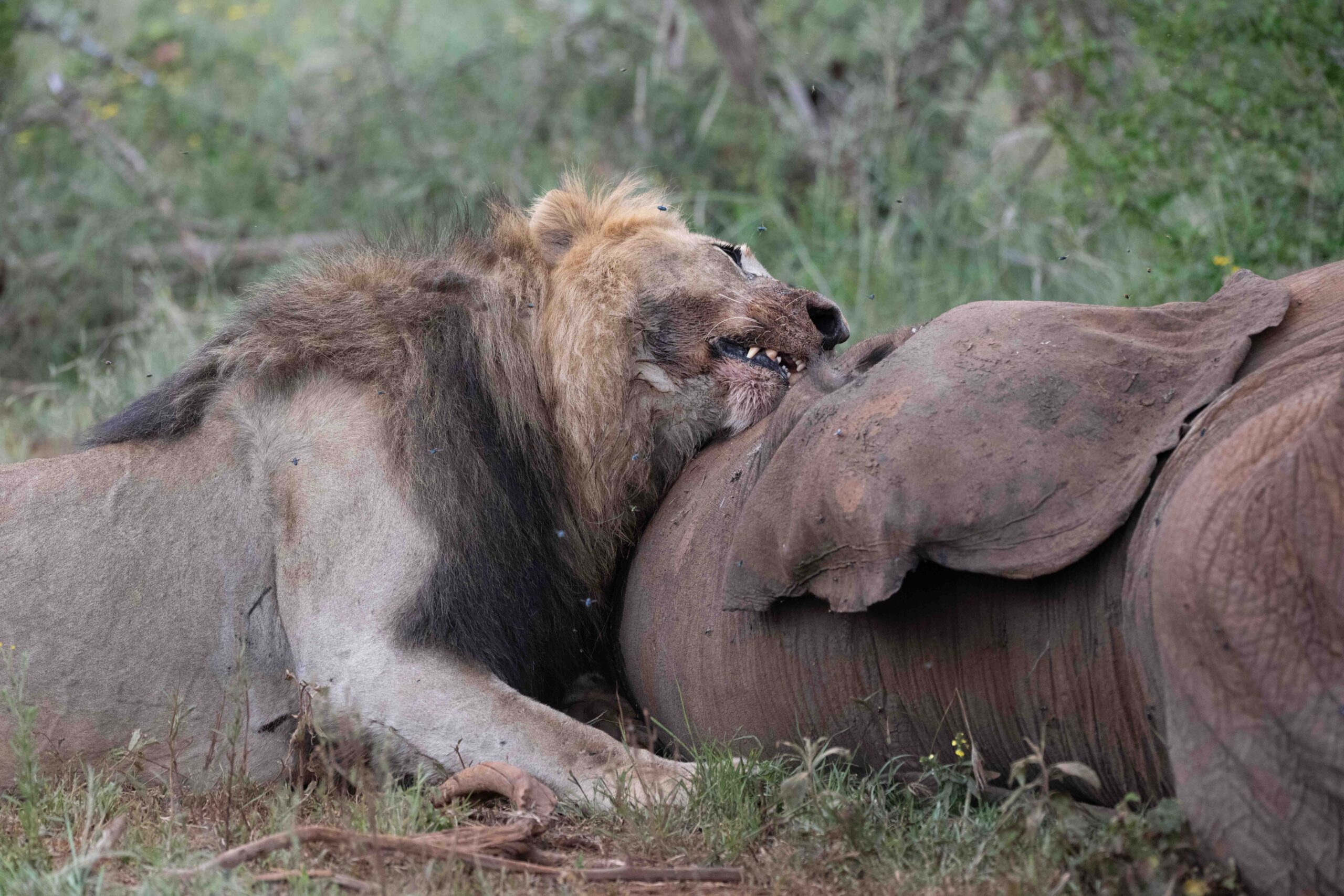
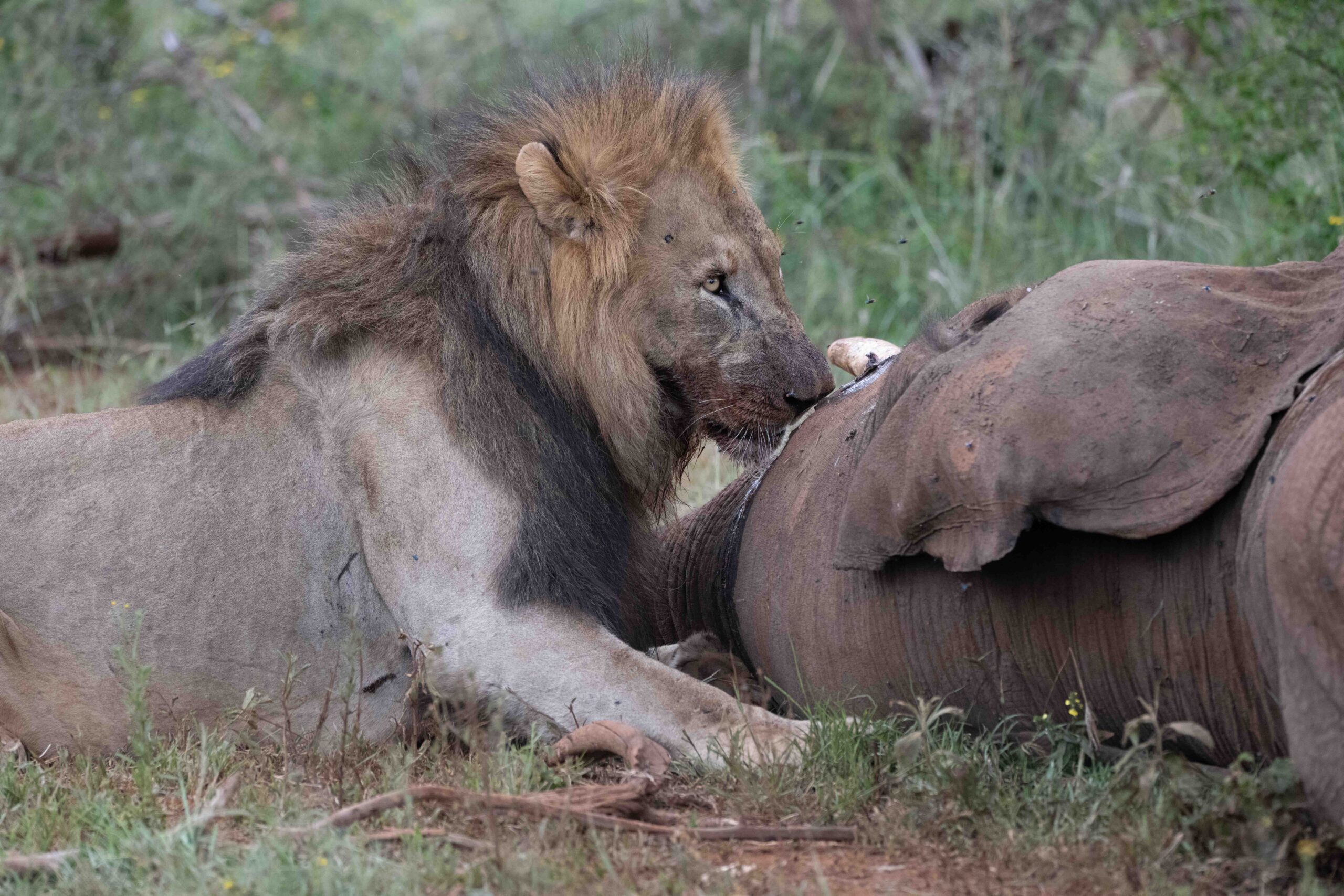
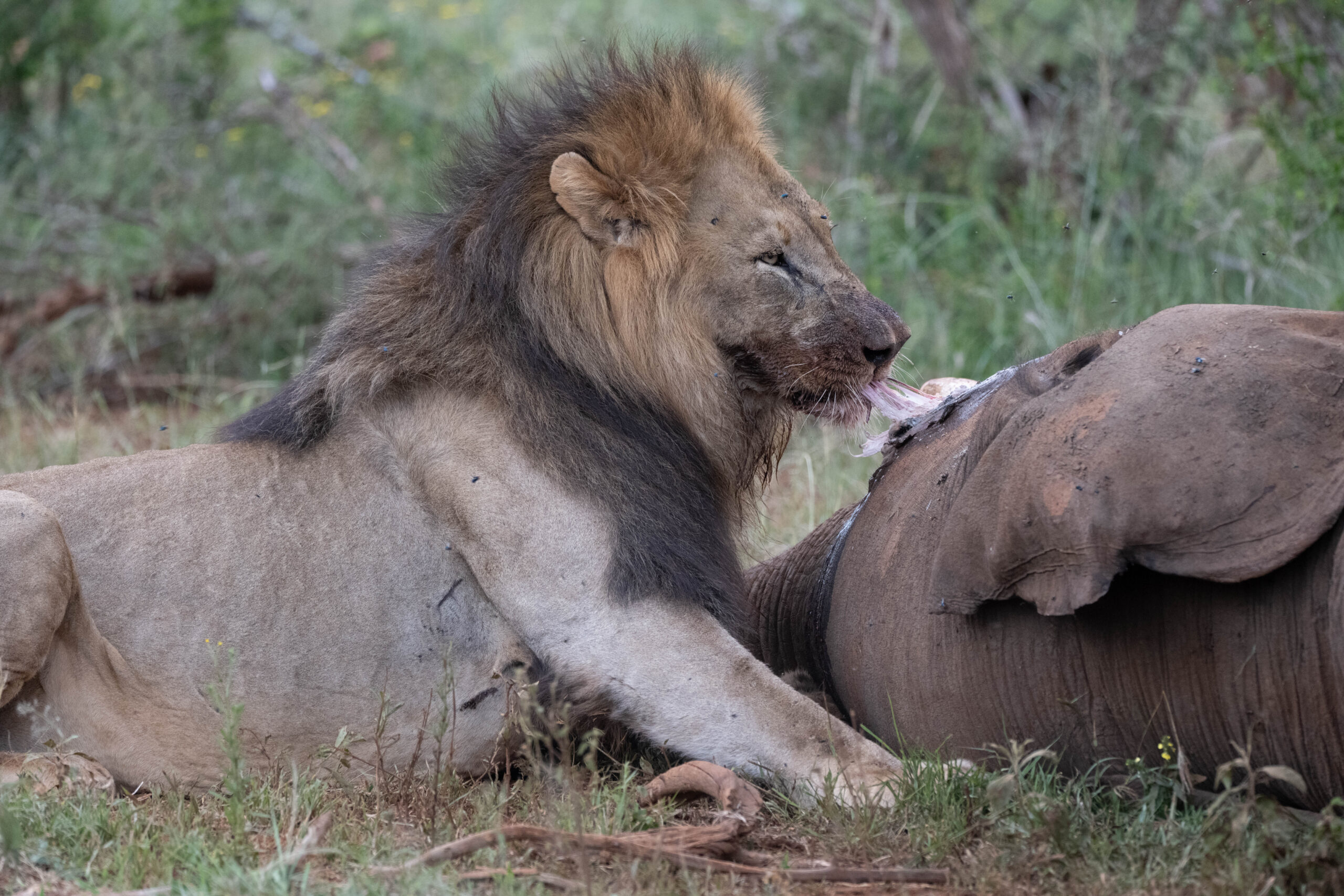
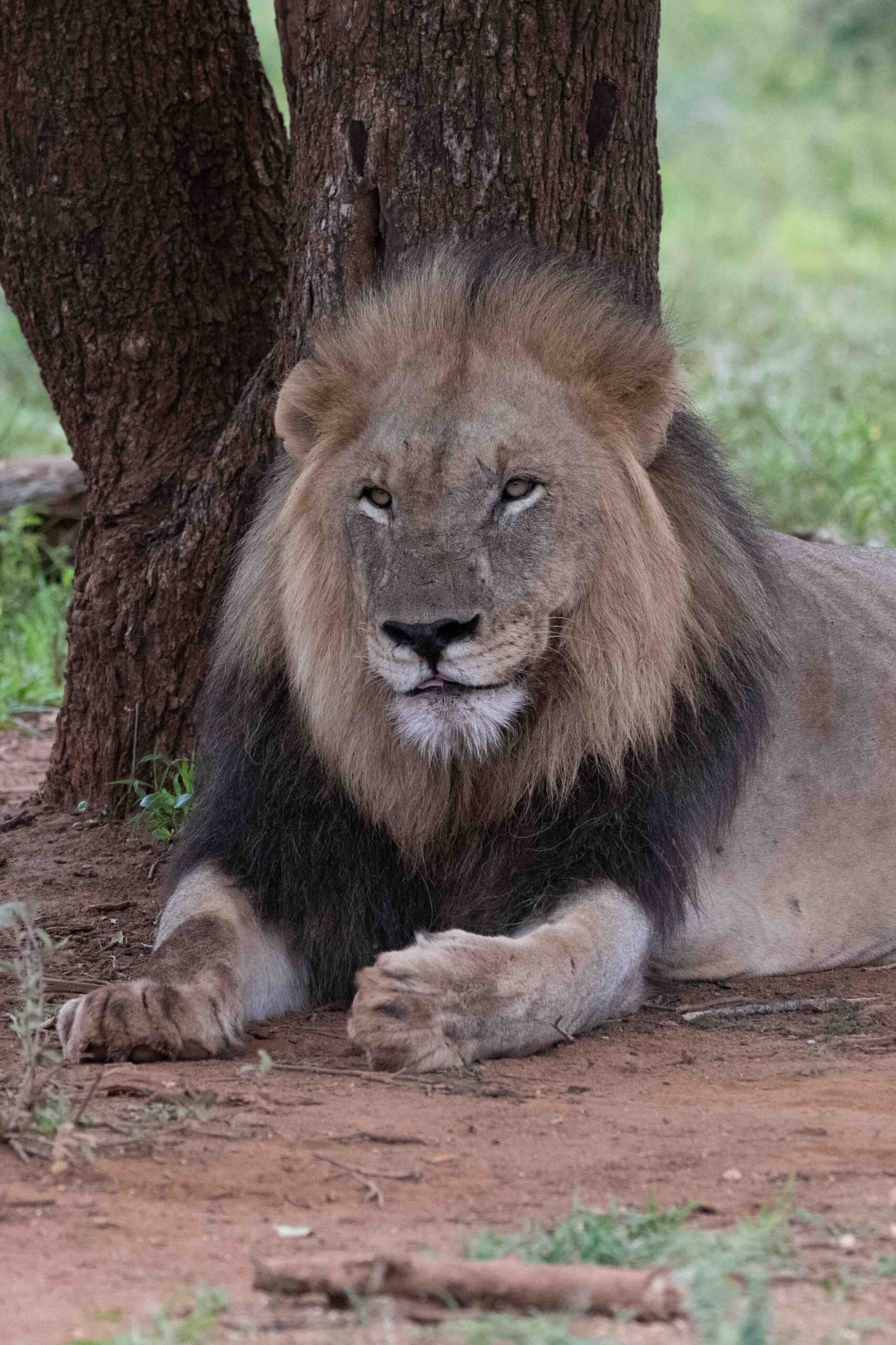
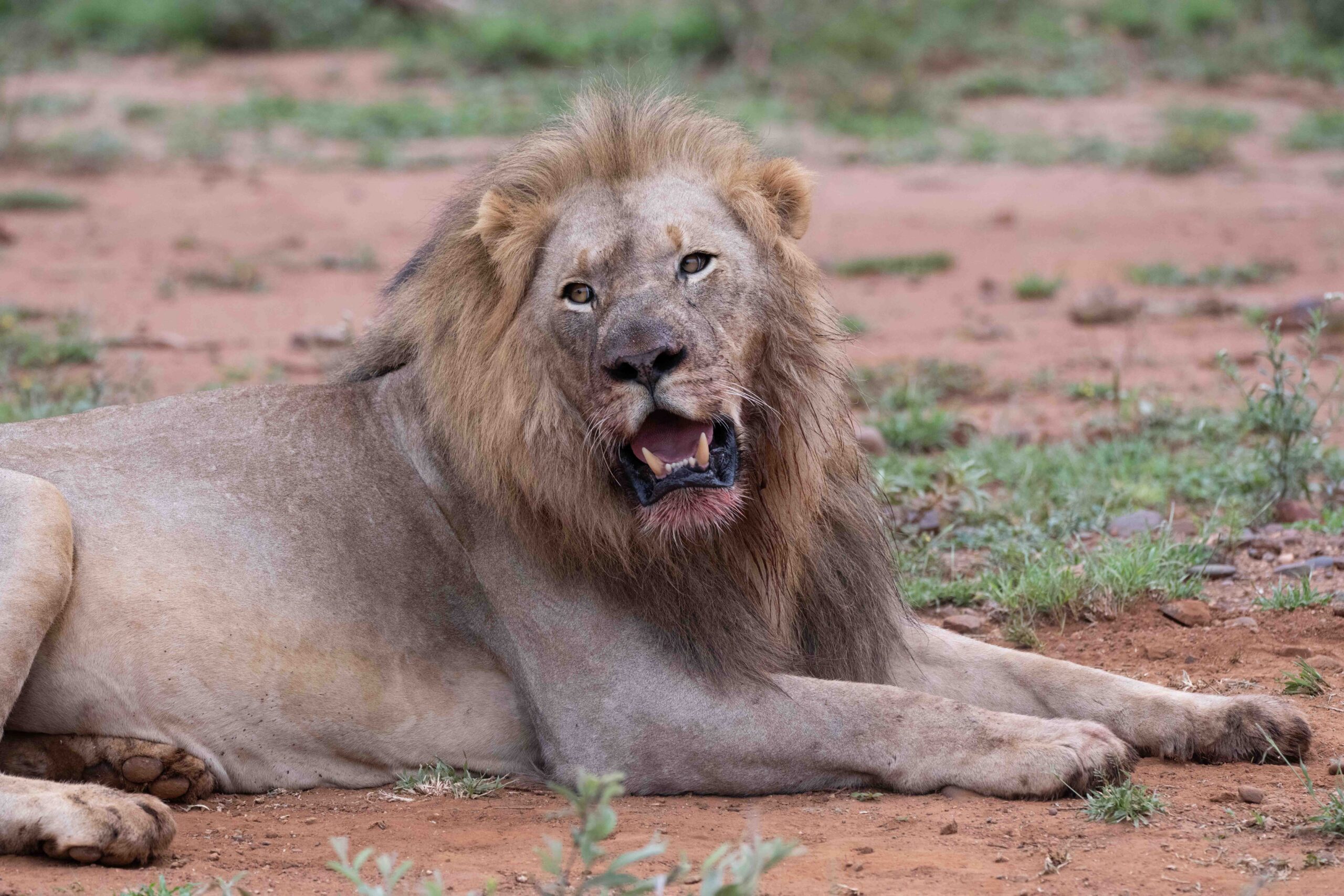
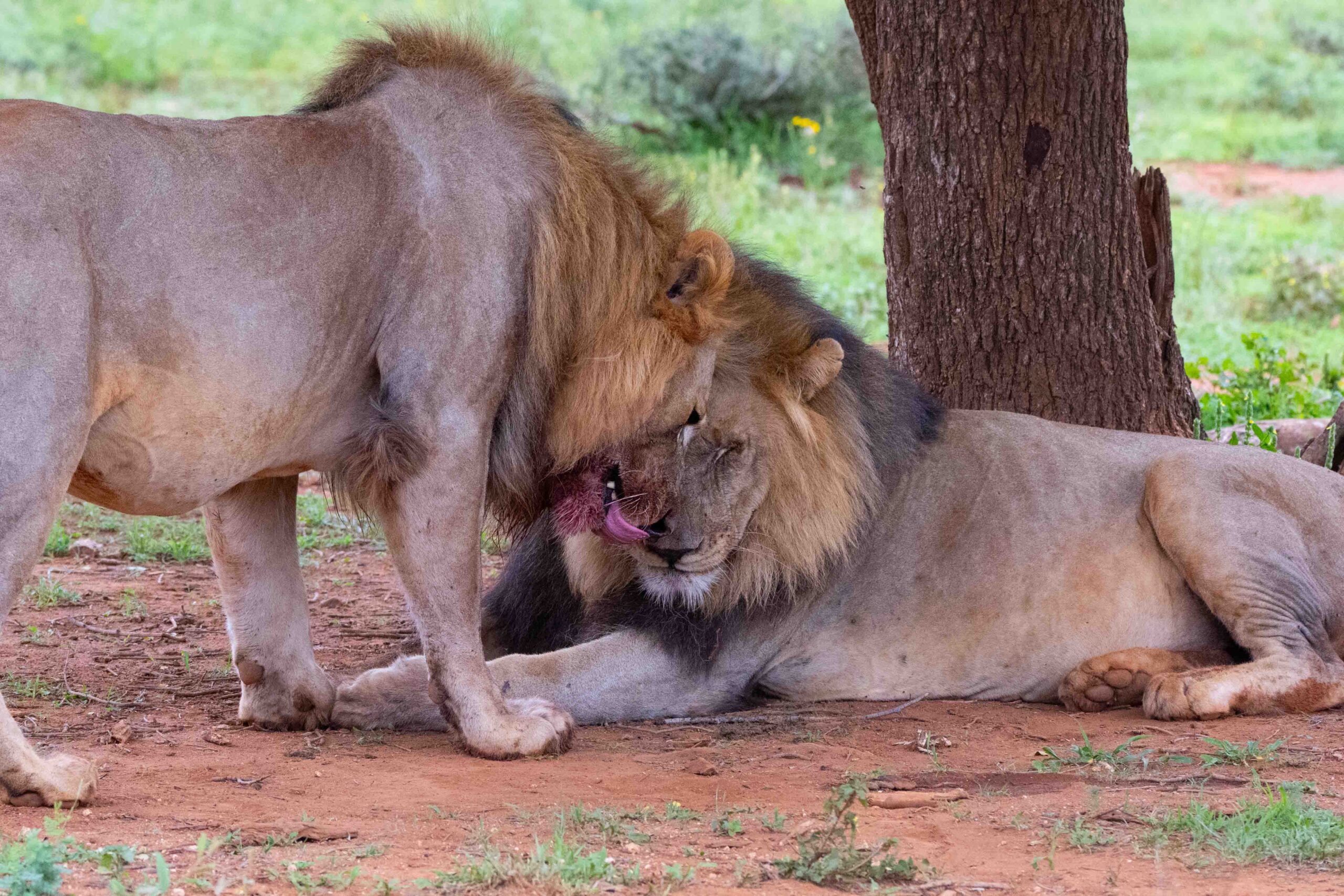
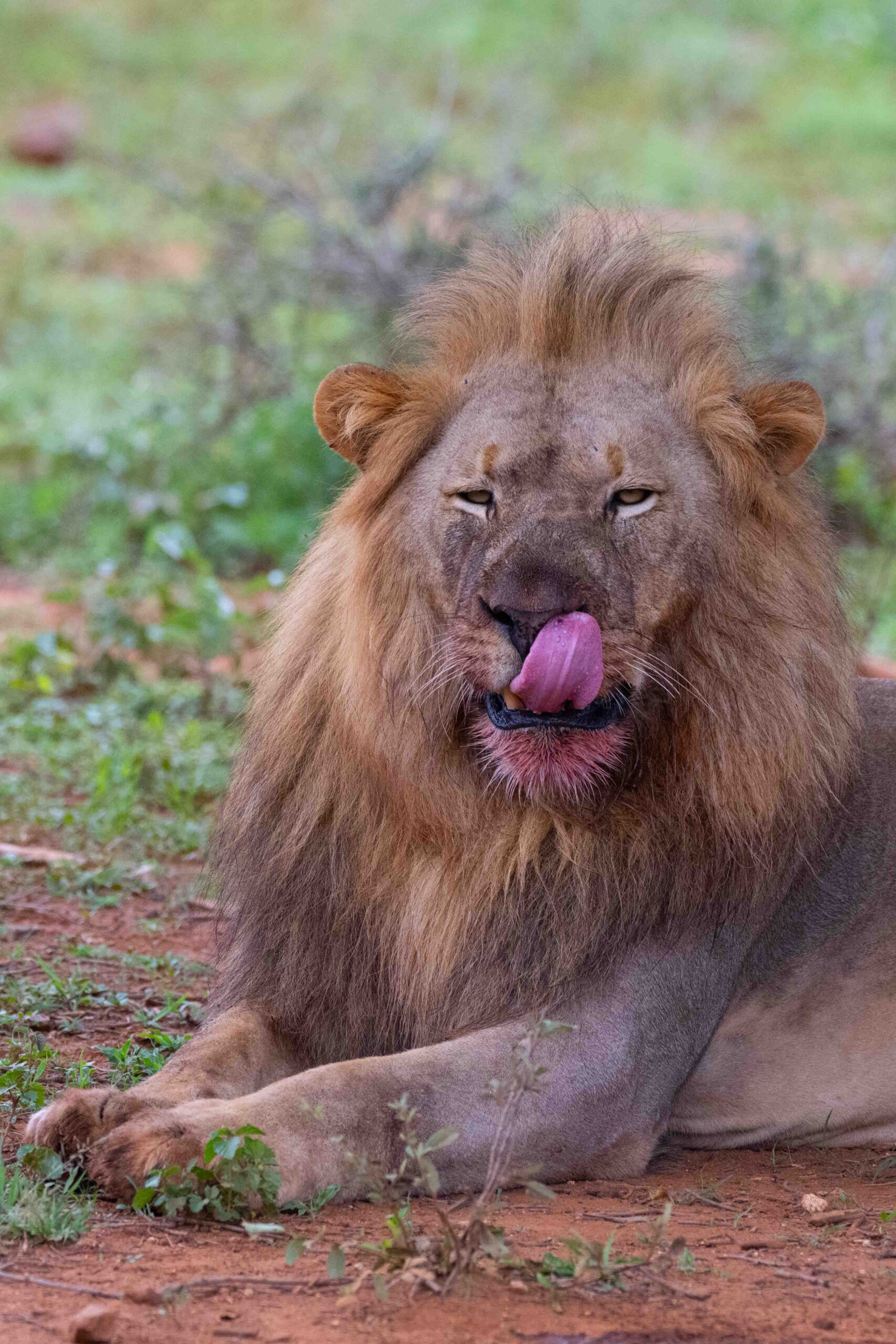
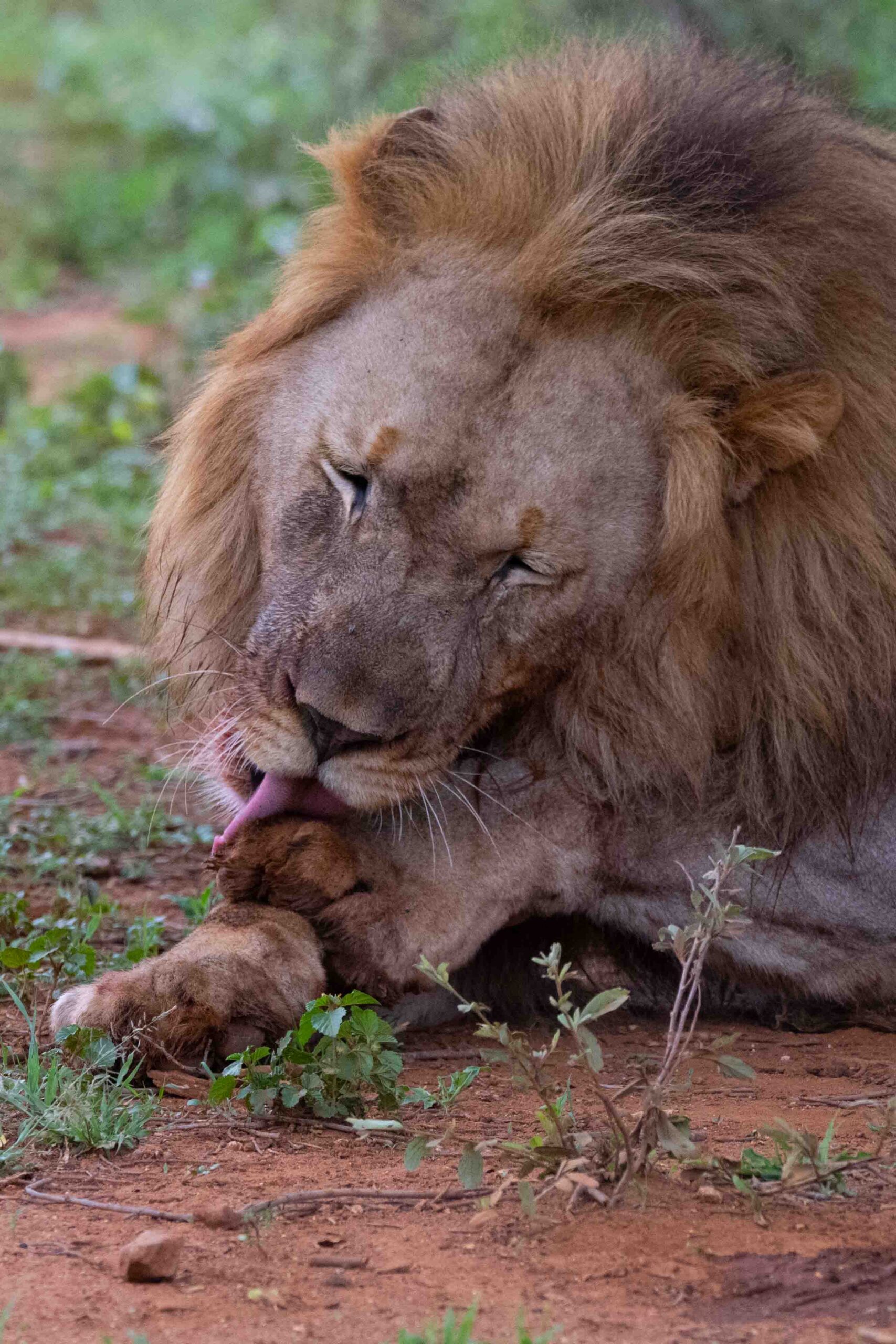
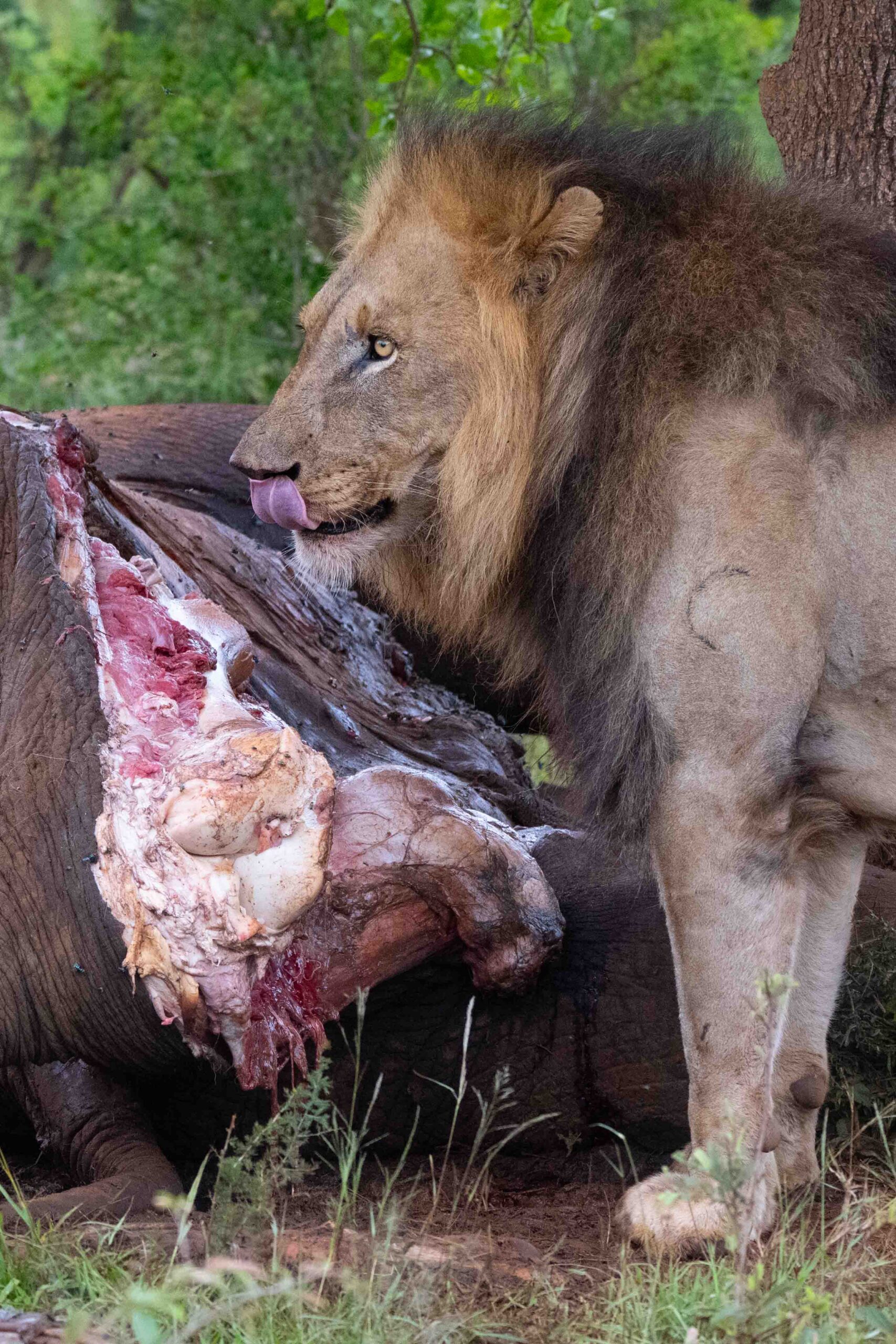
The photos of the lion feeding on the carcass of the elephant are a little gory, but rest assured, the elephant died of natural causes. The only “unnatural” thing about it is the fact that the rangers dragged the carcass some way from where the ele died, as it was very close to one of the lodges, and believe me, the smell was terrible!
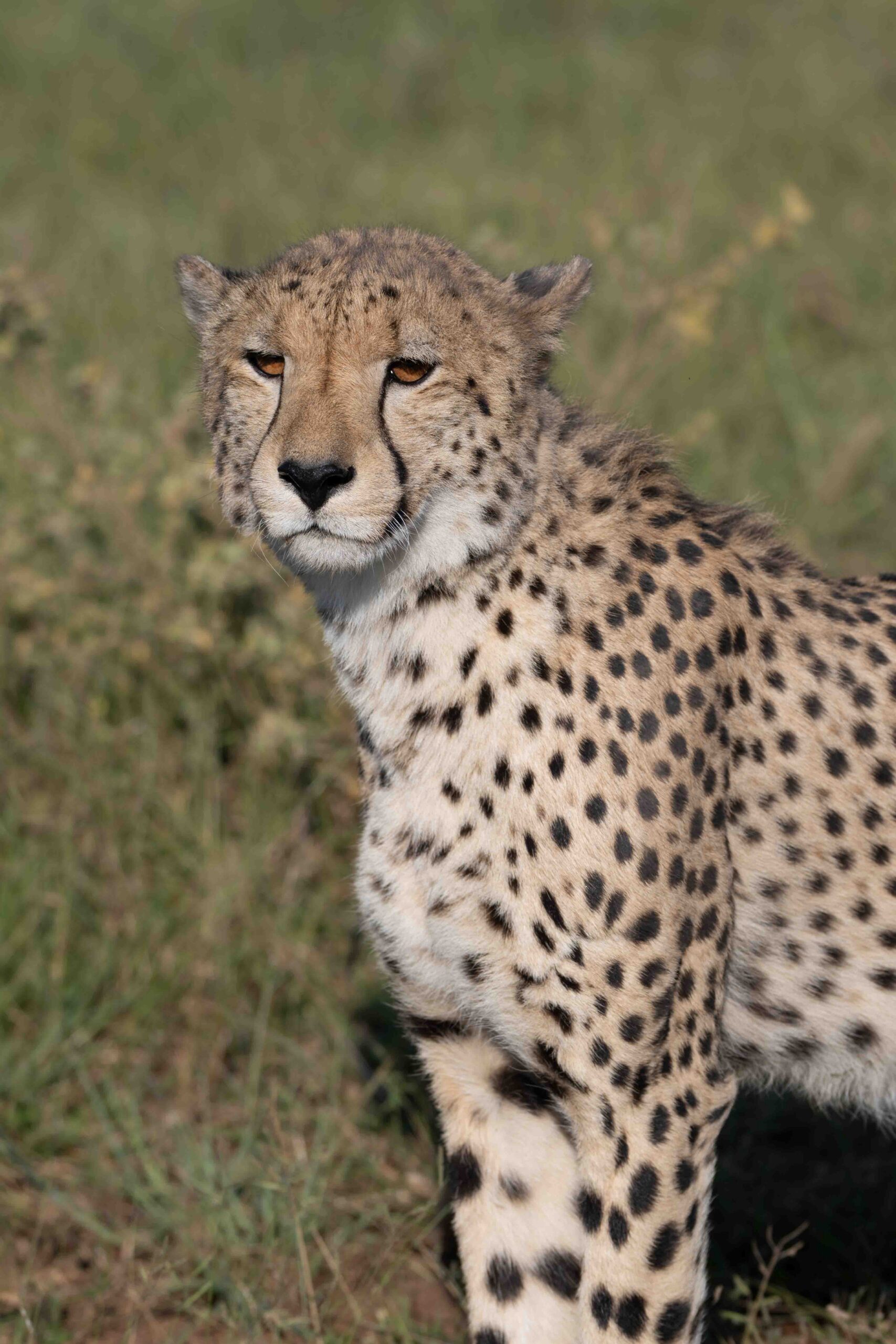
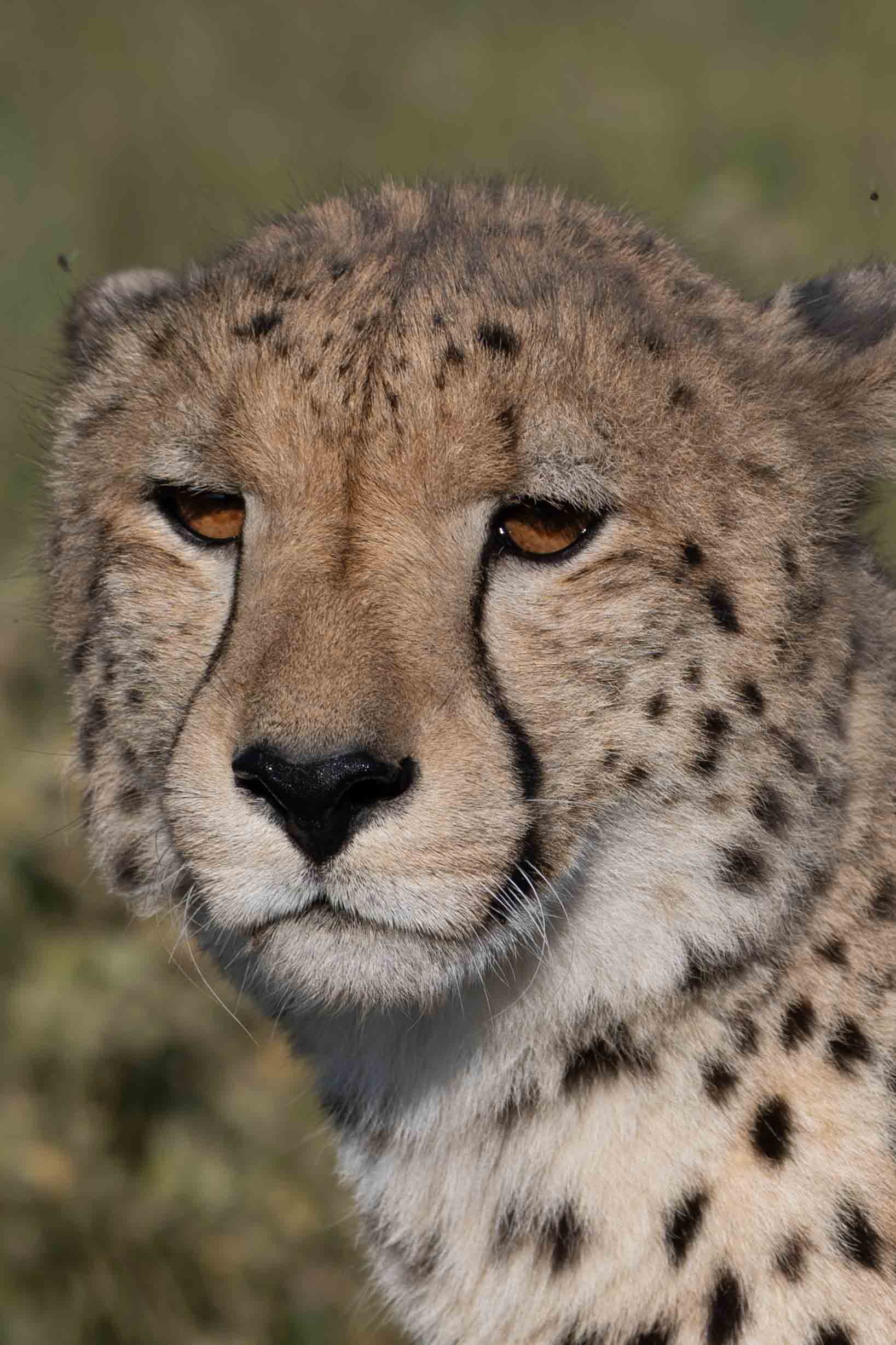
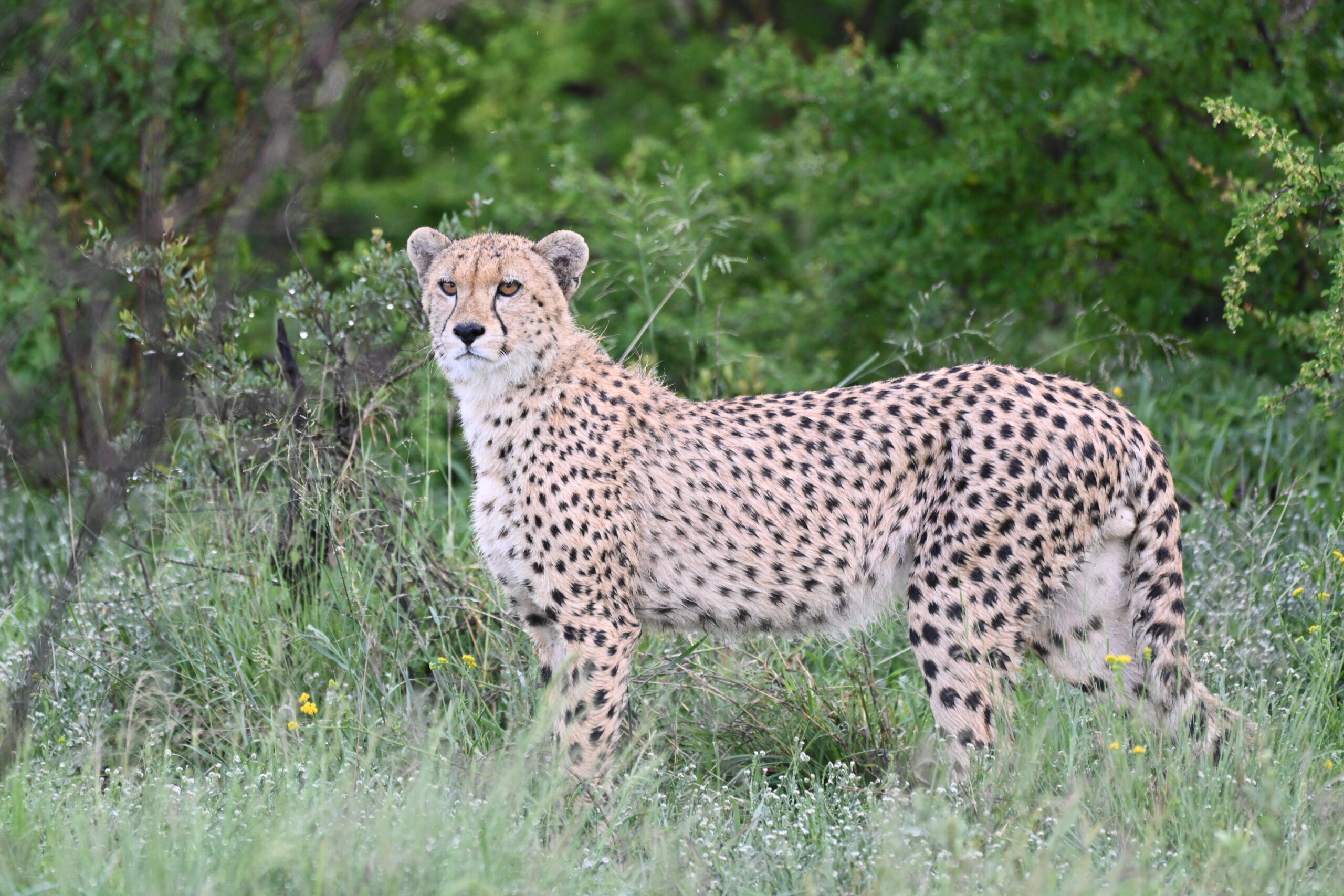
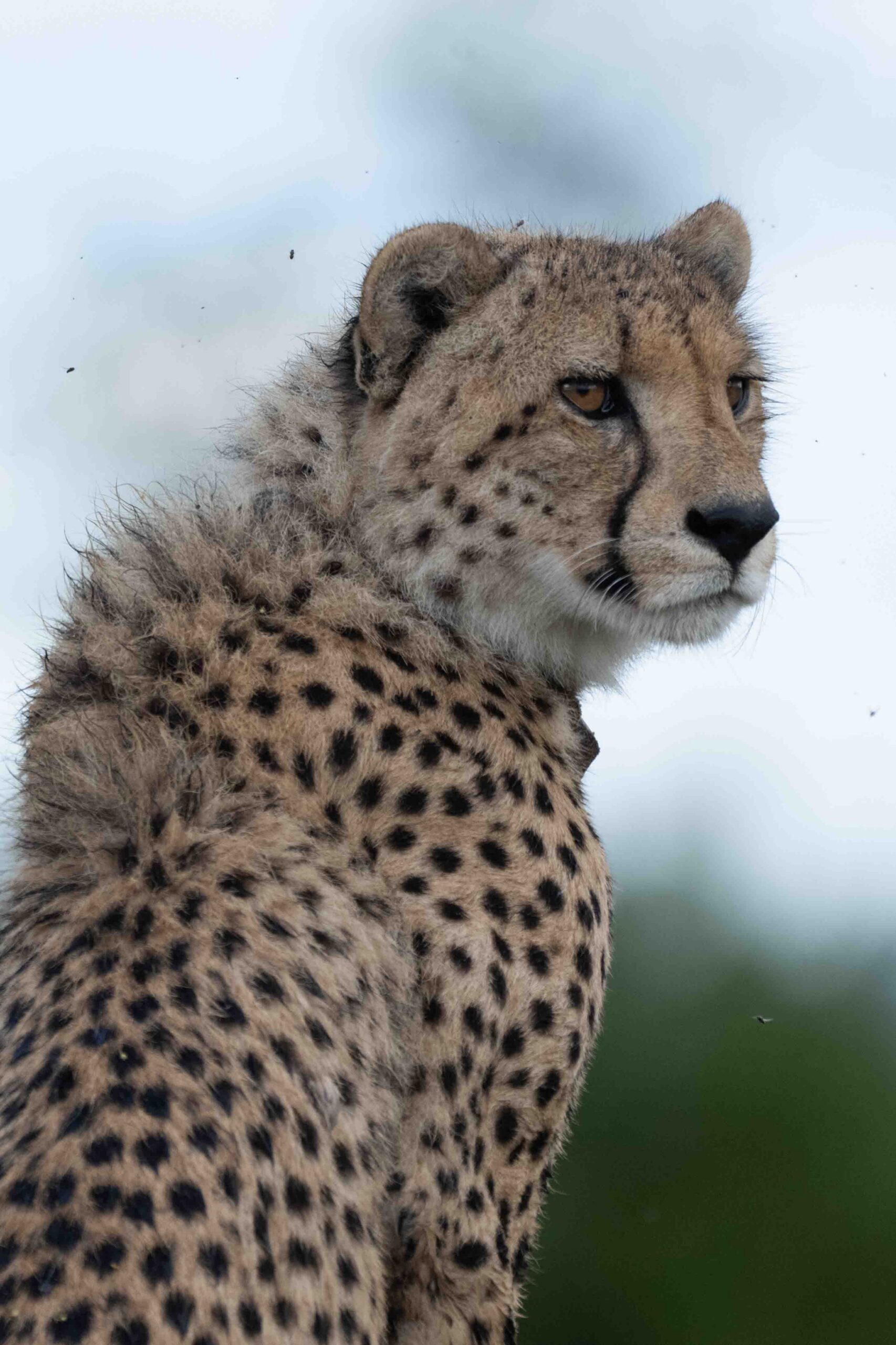
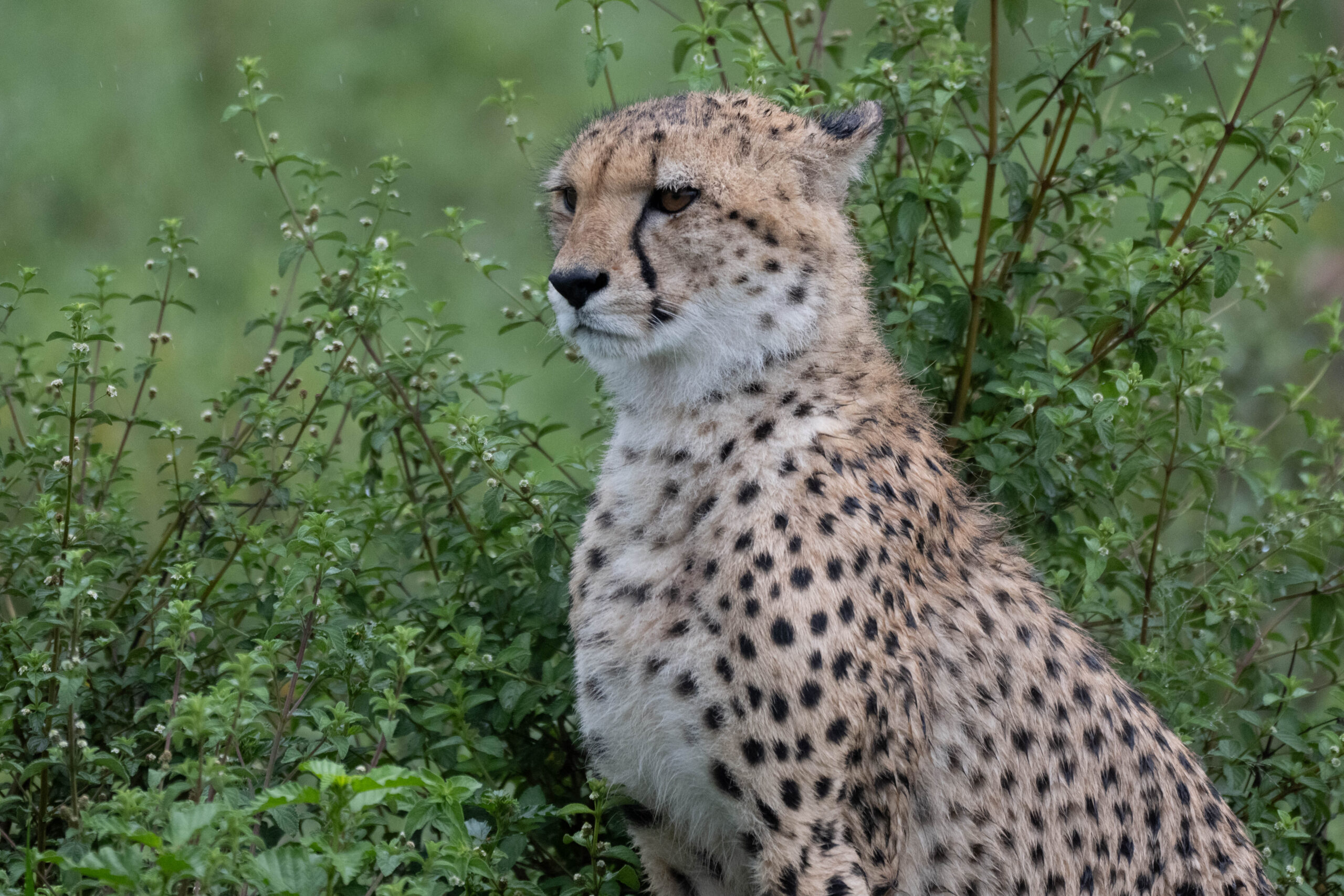
There is a coalition of 5 male cheetah, all from the same mother. Sadly, the mother died of injuries sustained during a hunt. Two of the cheetah are collared, so the rangers can keep an eye on them.
It is also wonderful to see so many African Wild Dog – such a privilege to view them in their natural habitat.
If you would like to make a booking at Mosetlha Bush Camp & Eco Lodge book directly through their website using the hyperlink in this paragraph.
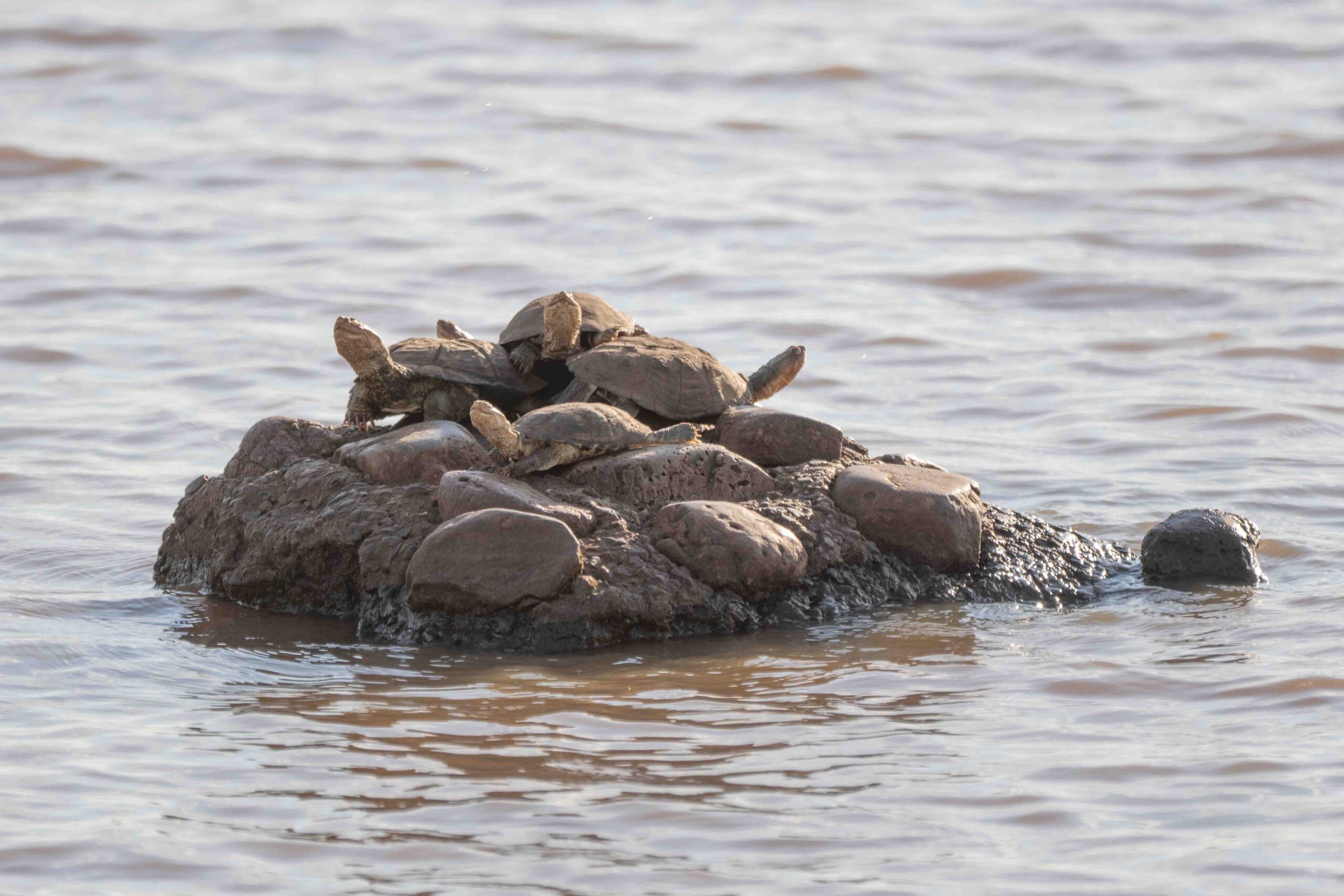
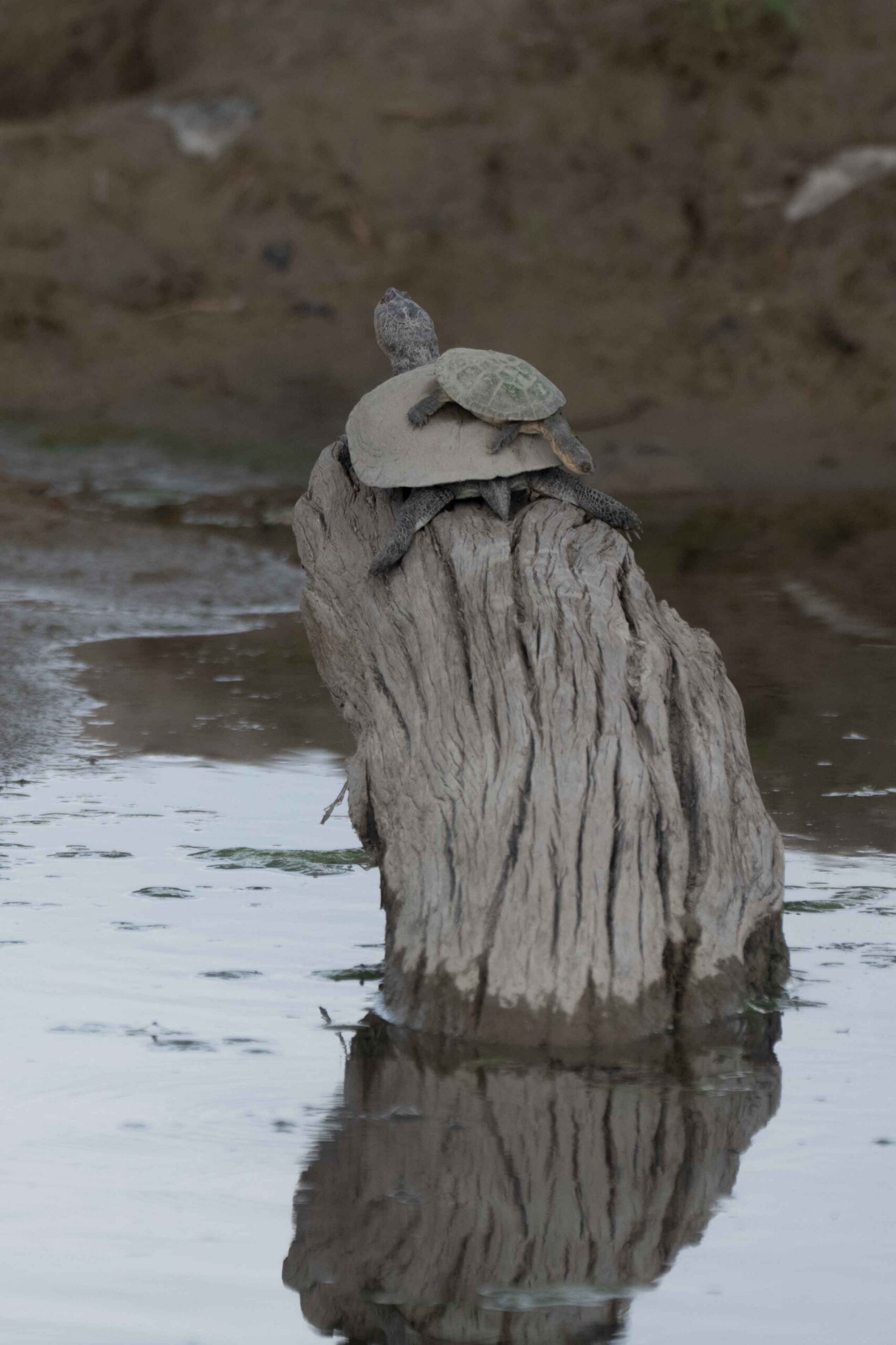
Terrapins two by two!
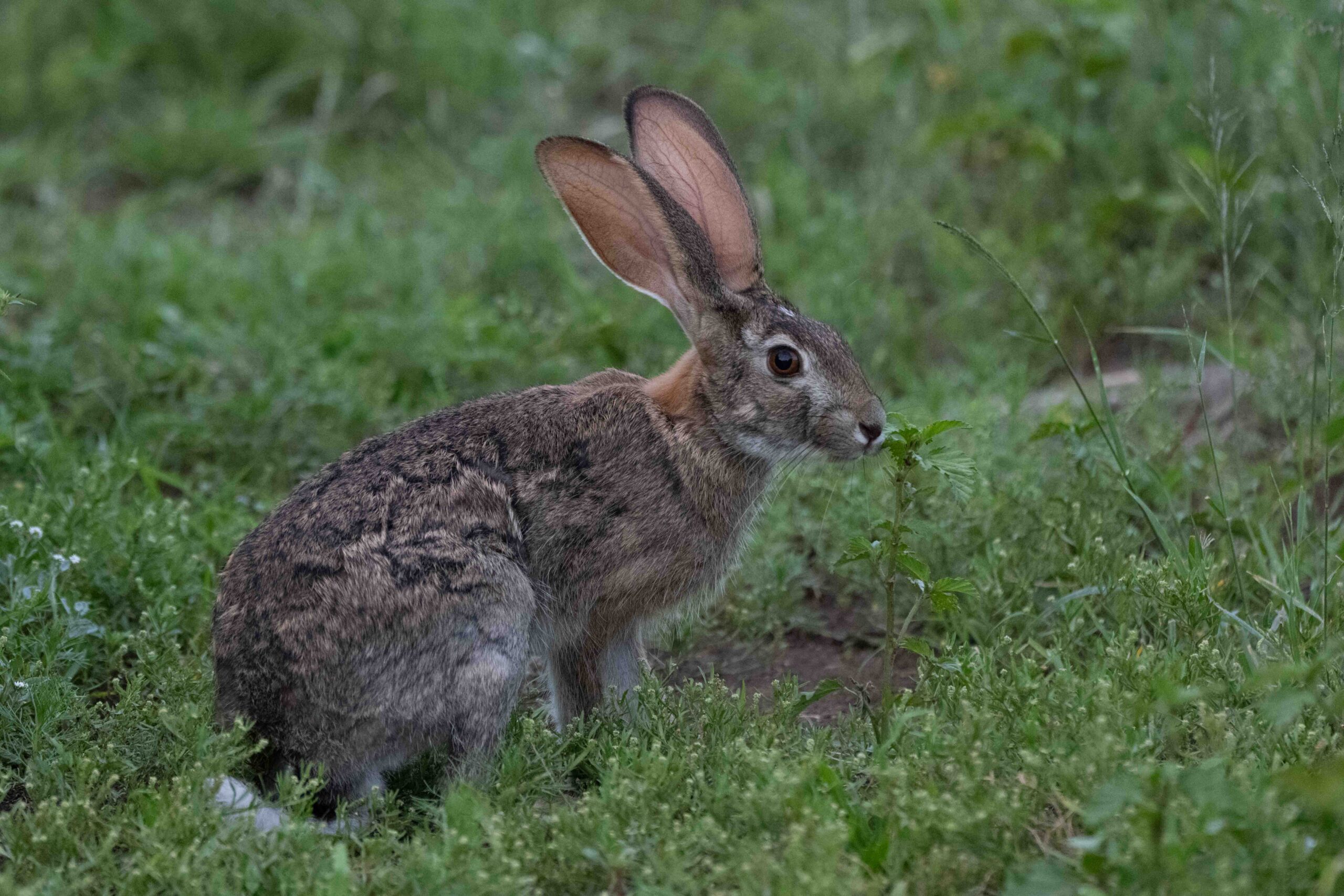
Cape Hare
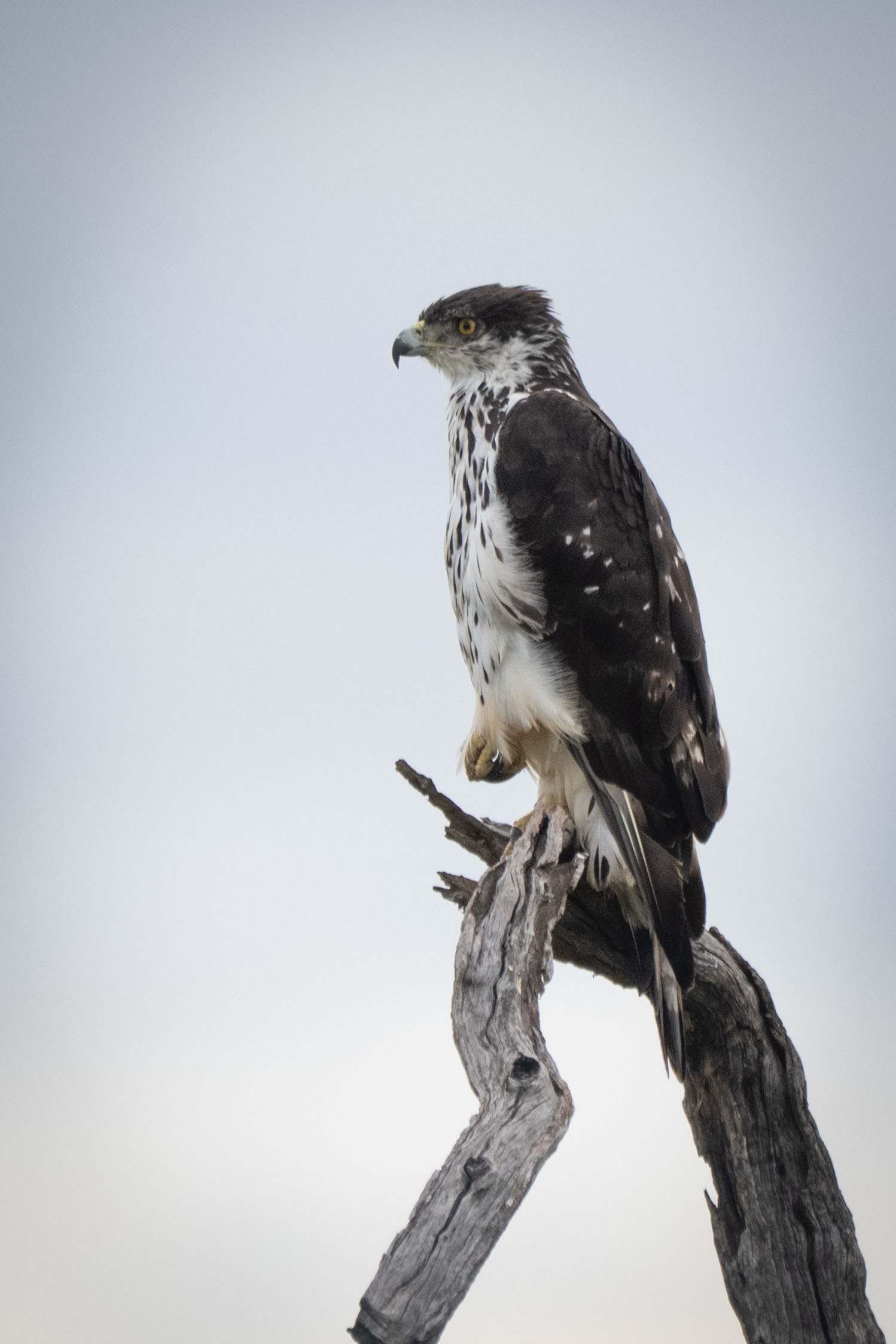
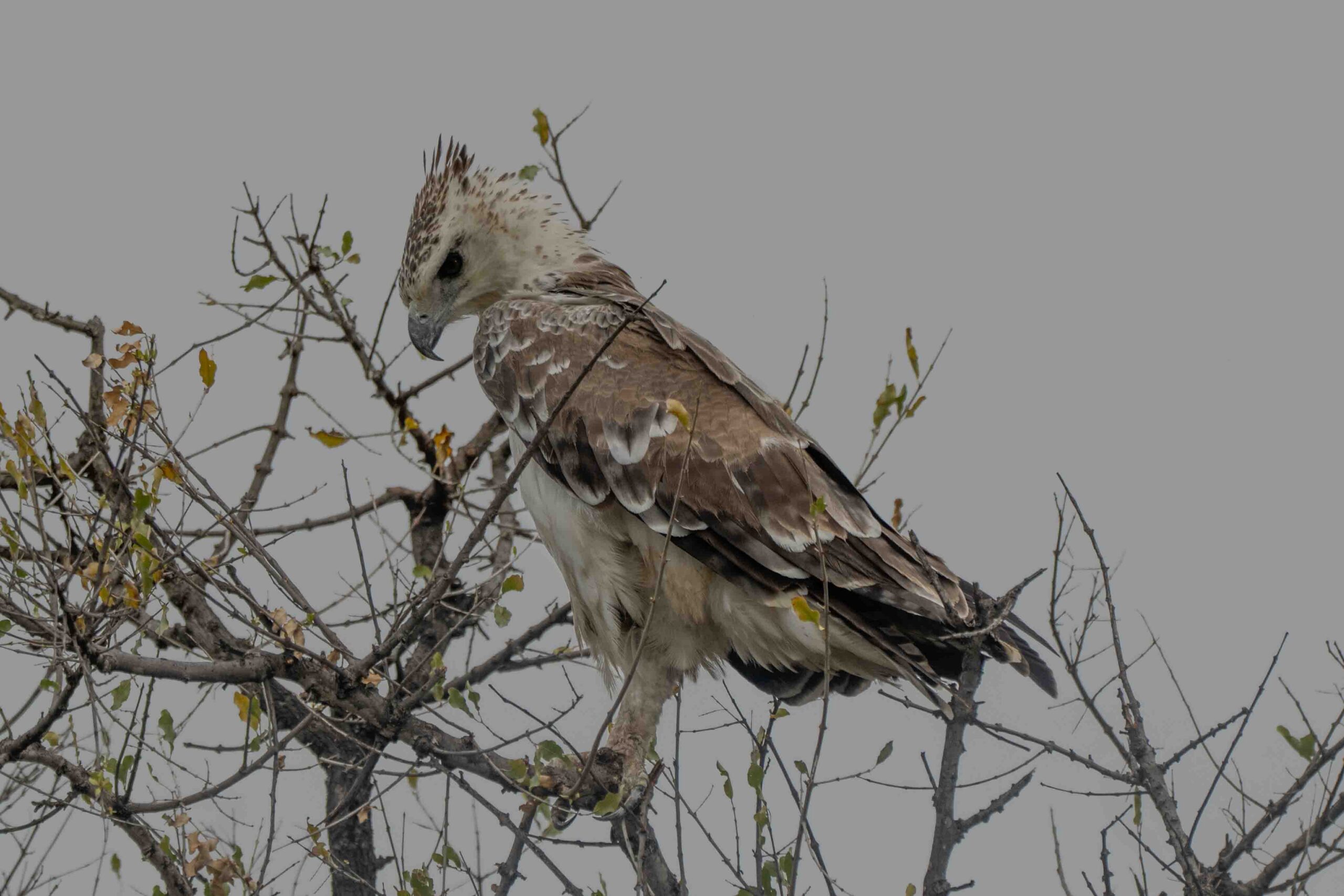
African Hawk-Eagle
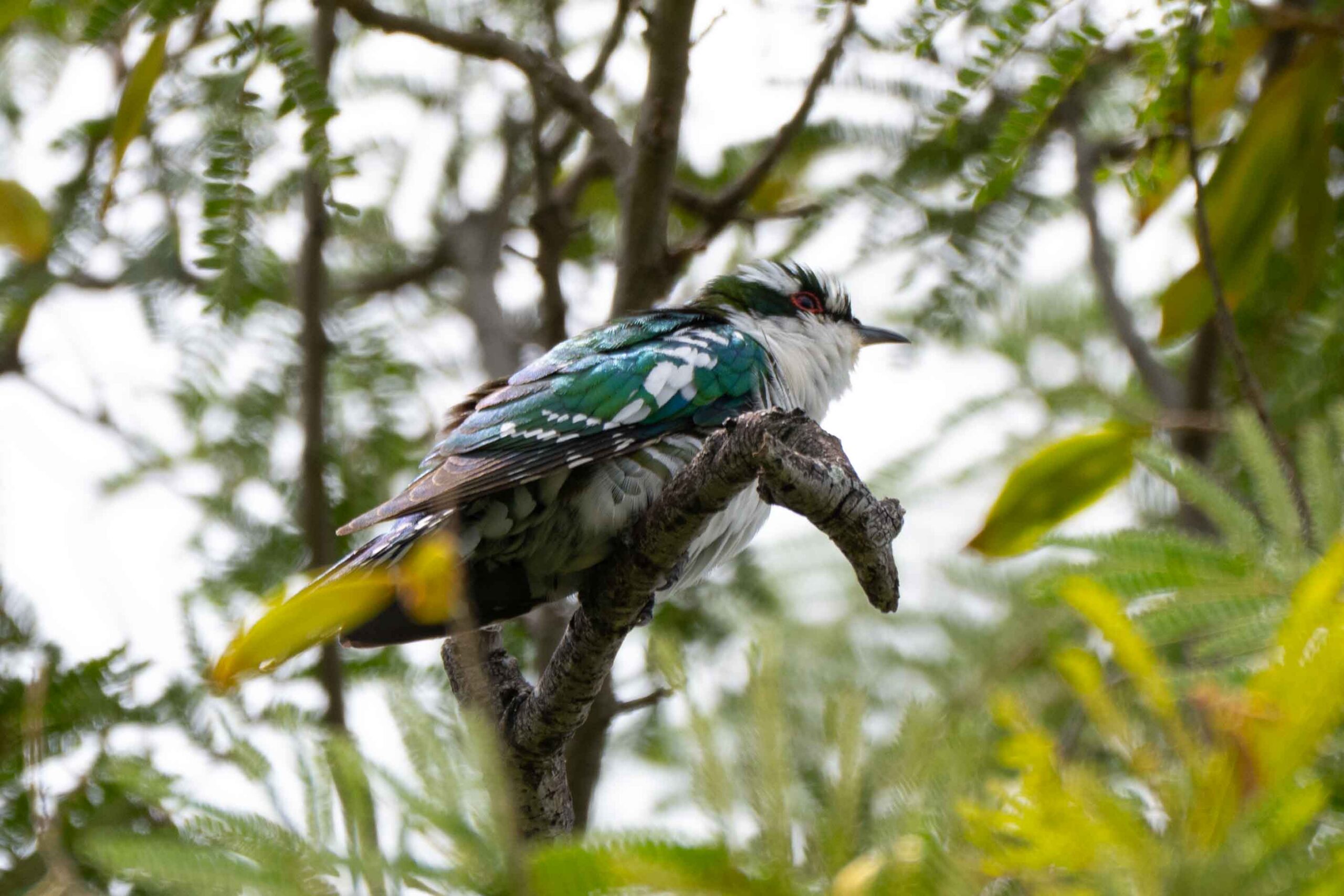
Diederik Cuckoo
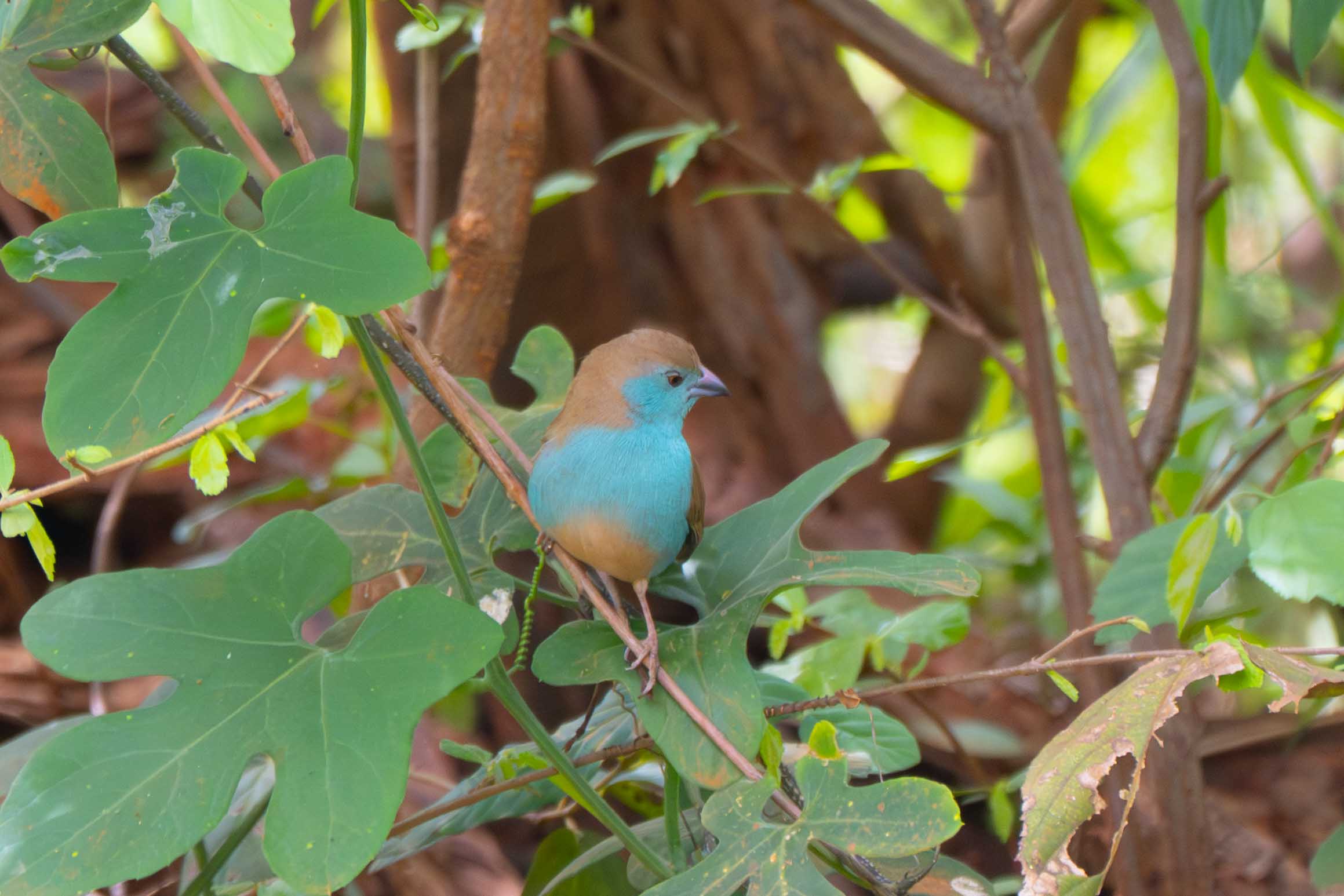
Blue Waxbill
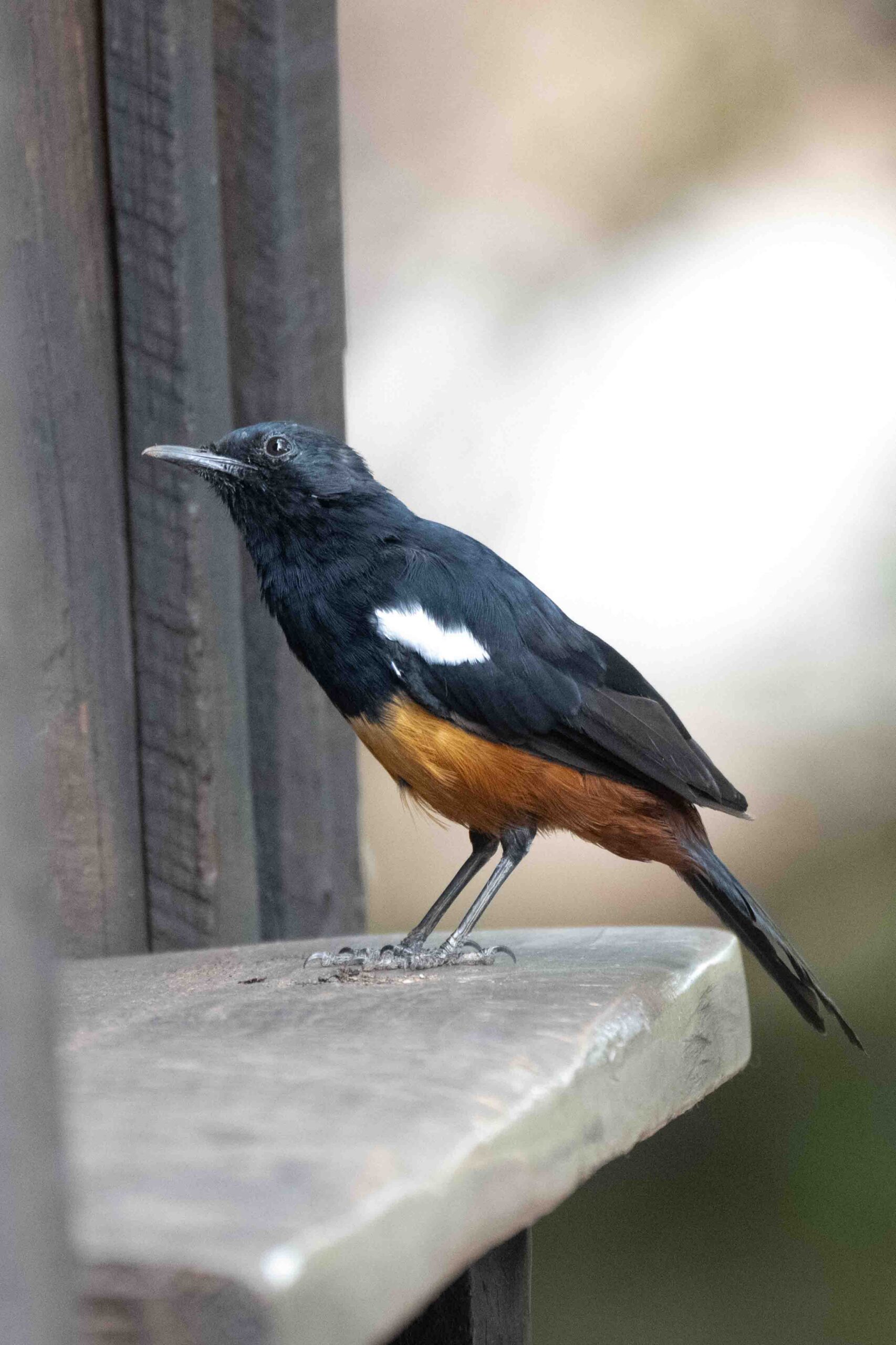
Mocking Cliff Chat
Brown Hyena
Brown Hyena
Brown Hyena
Brown Hyena
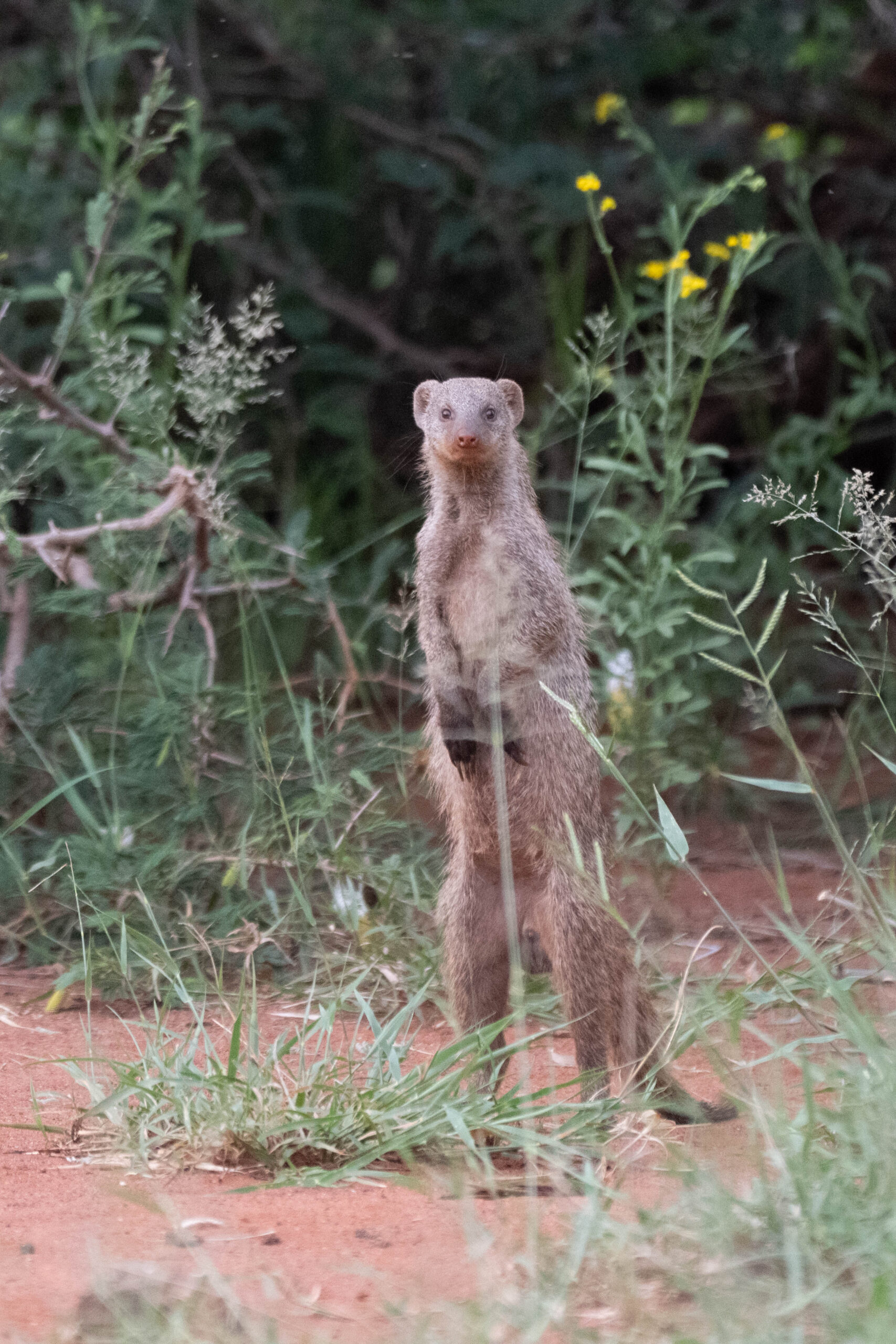
Slender Mongoose
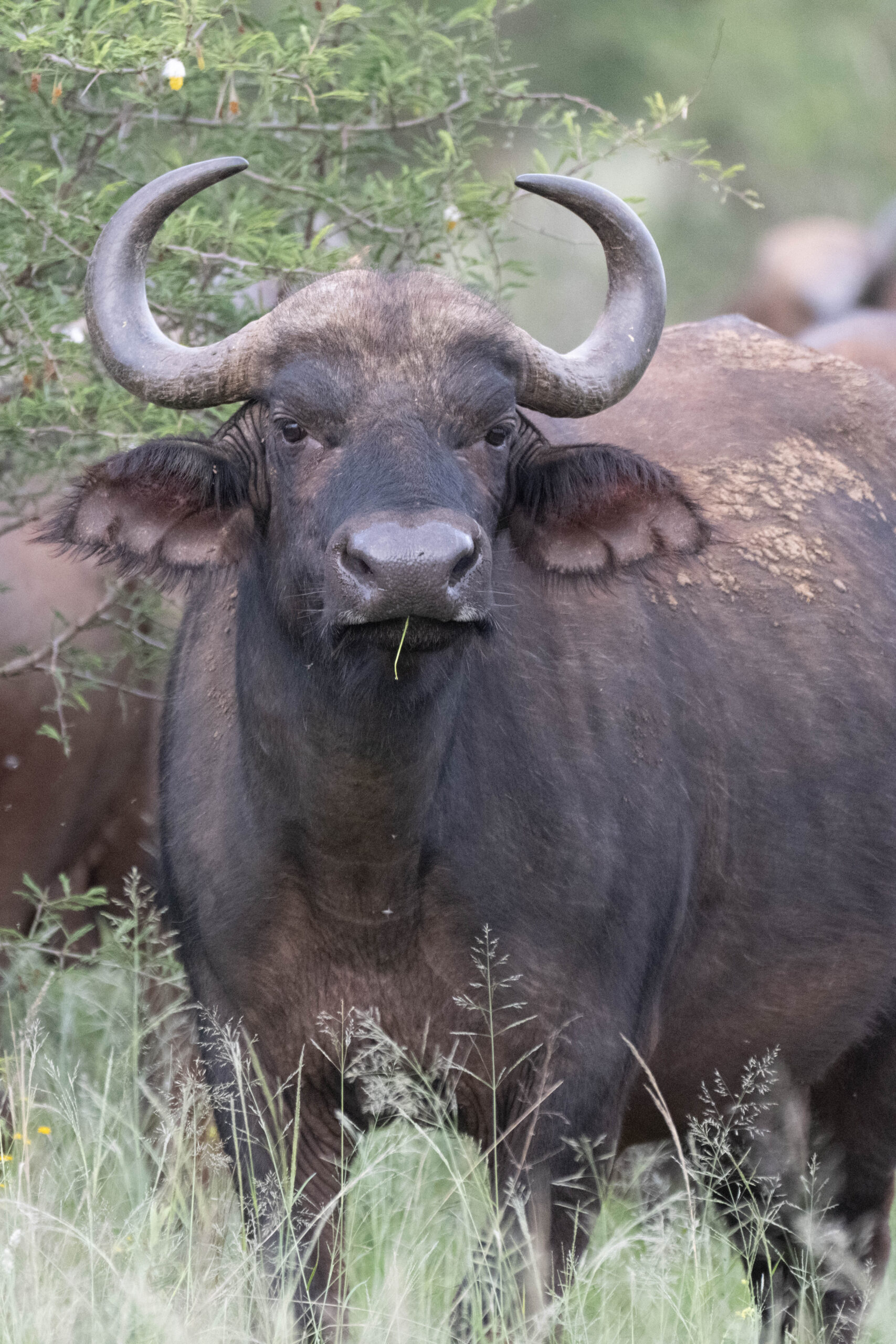
African Buffalo
African Wild Dog
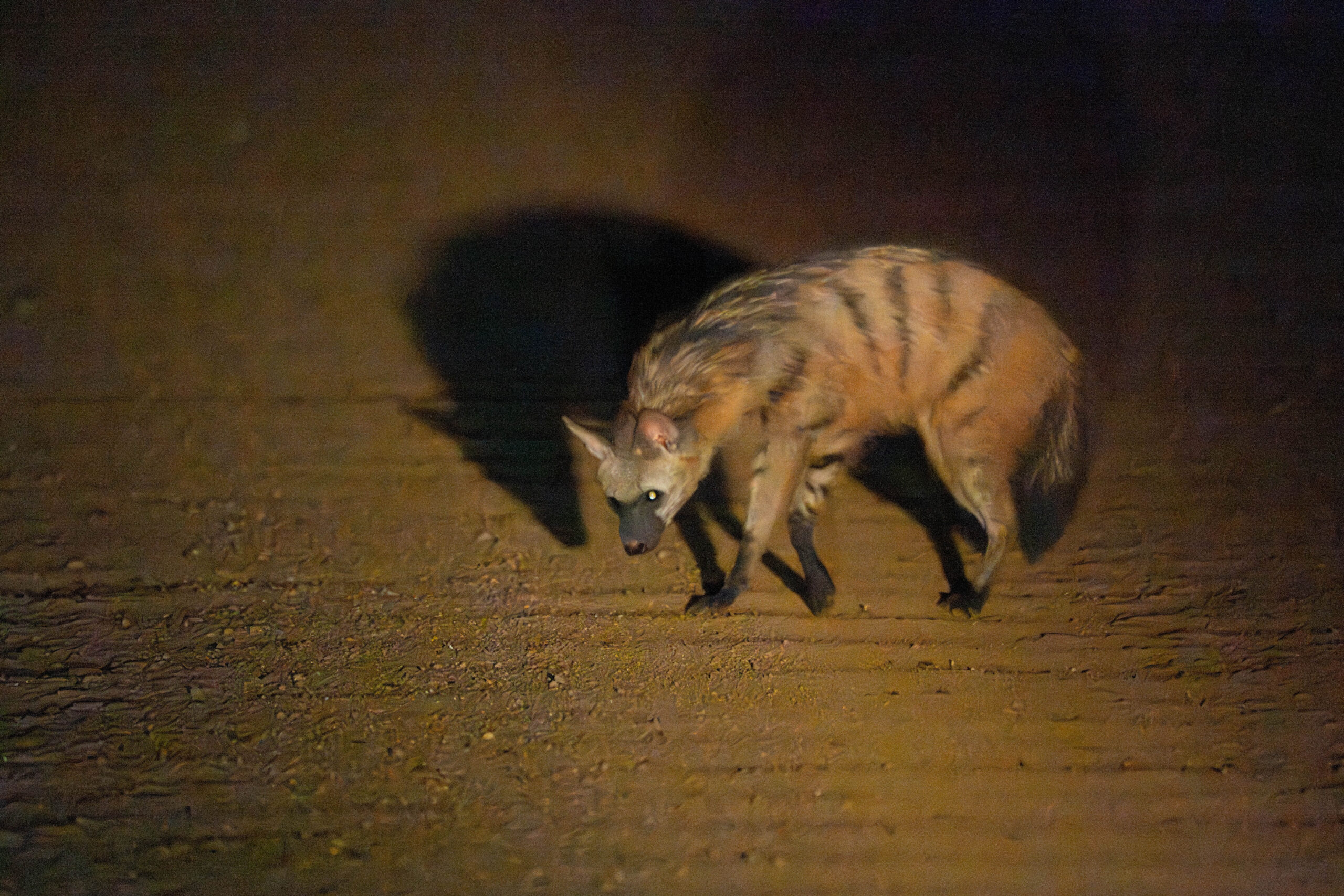
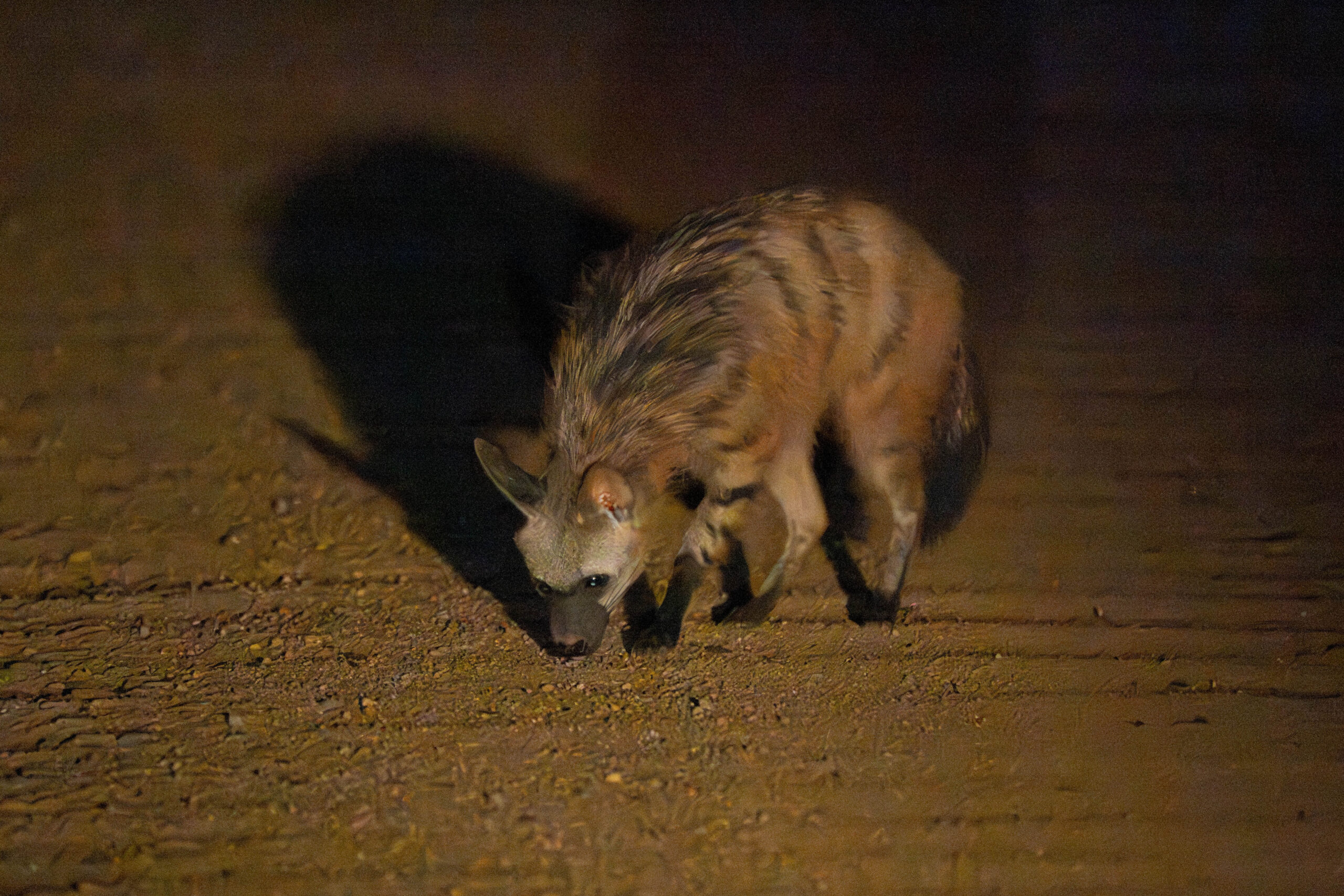
Aardwolf
Aardwolf
Cheetah
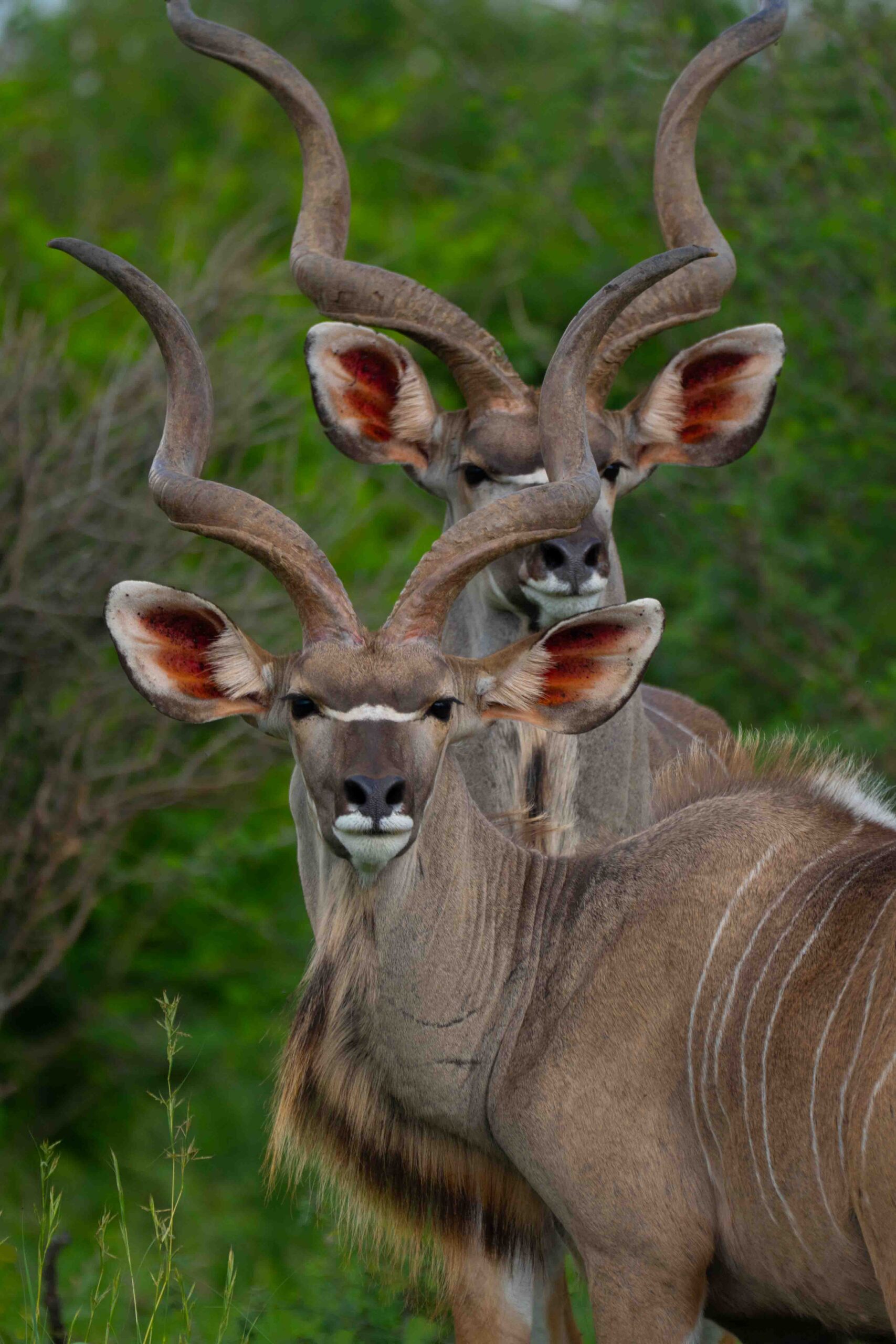
Kudu
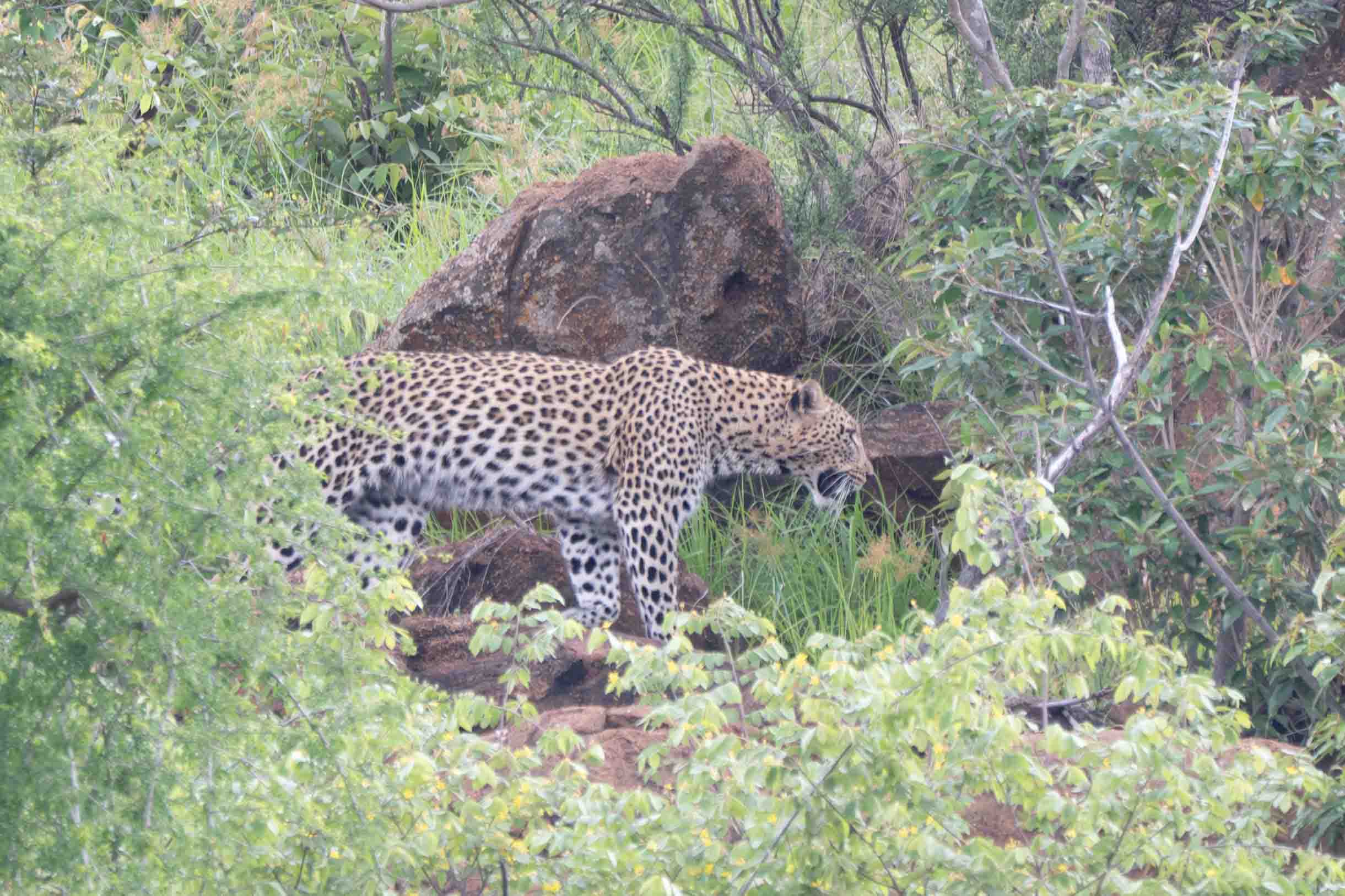
Leopard
Lilac-breasted Roller
Purple Roller
Chameleon
African Wild Dog
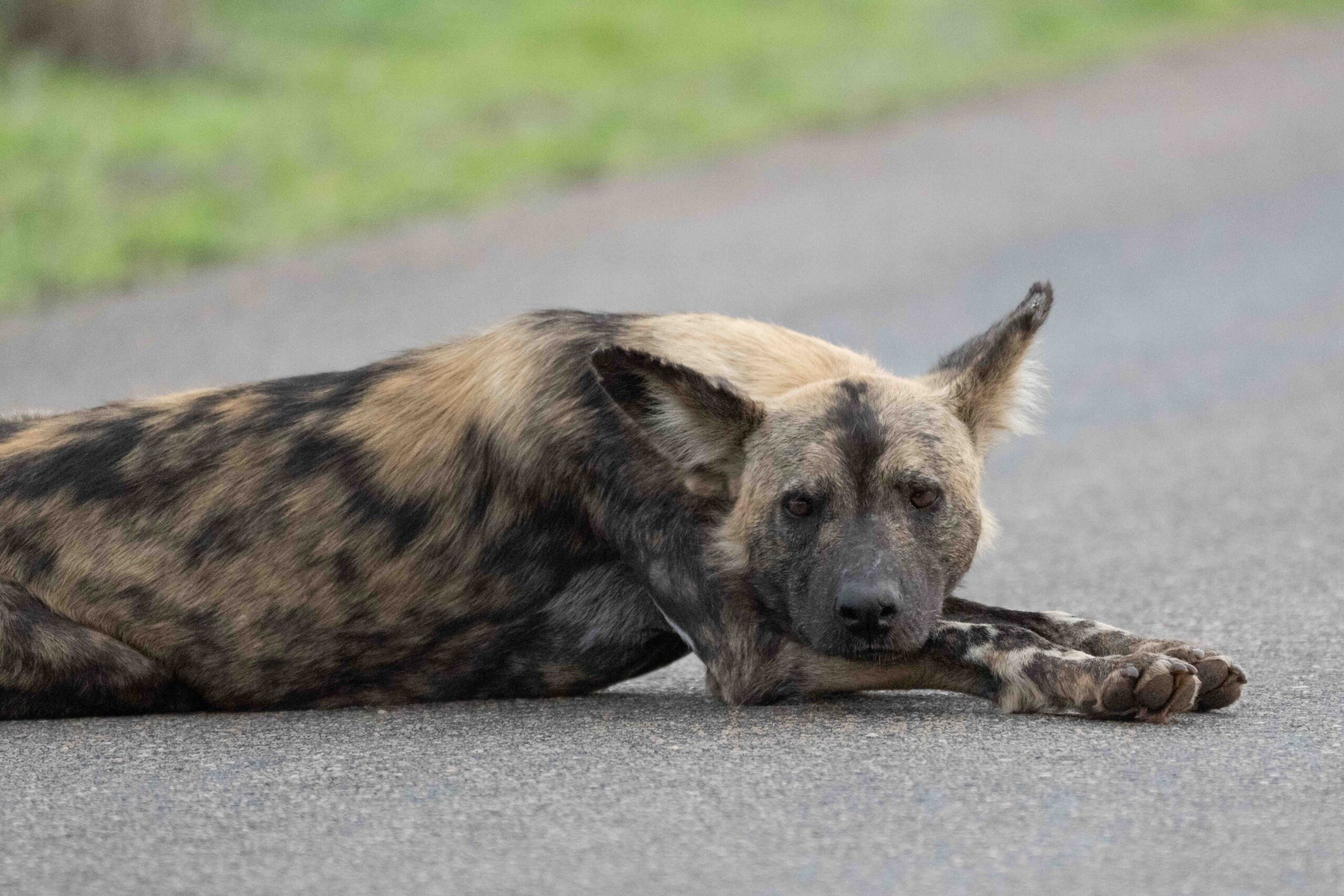
African Wild Dog (used to be known as the Painted Wolf): See more here: African Wild Dog
Purple Roller
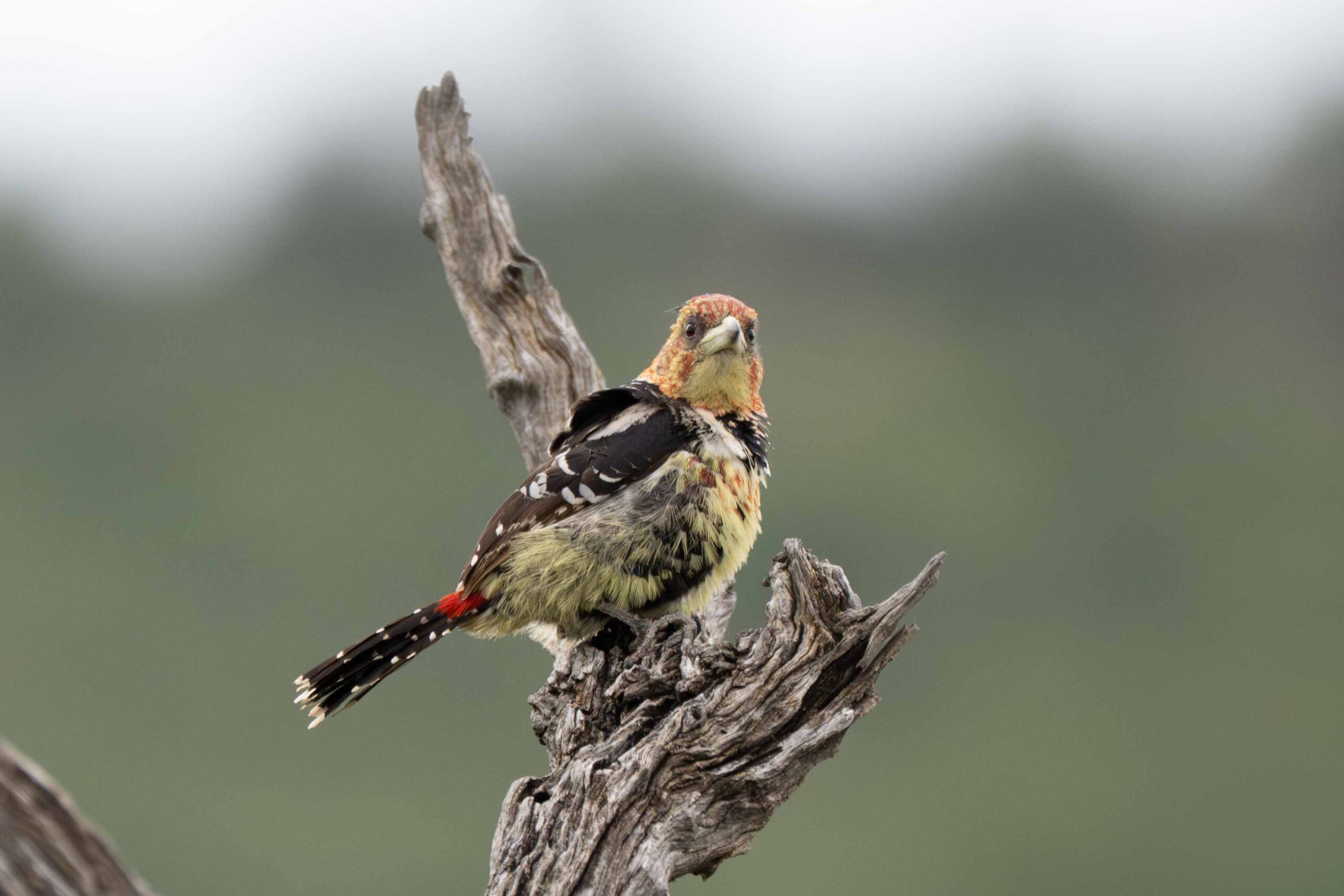
Crested Barbet
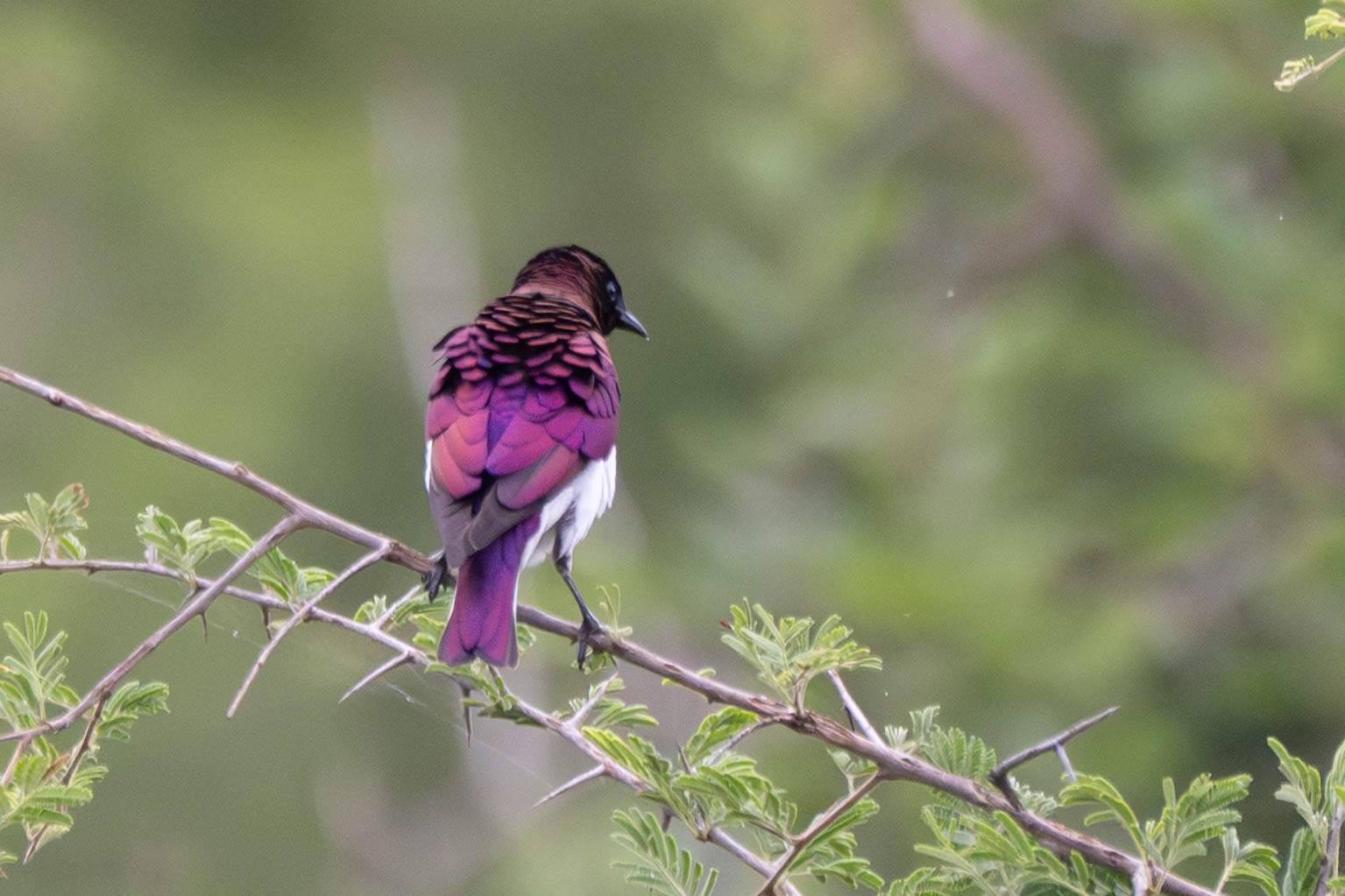
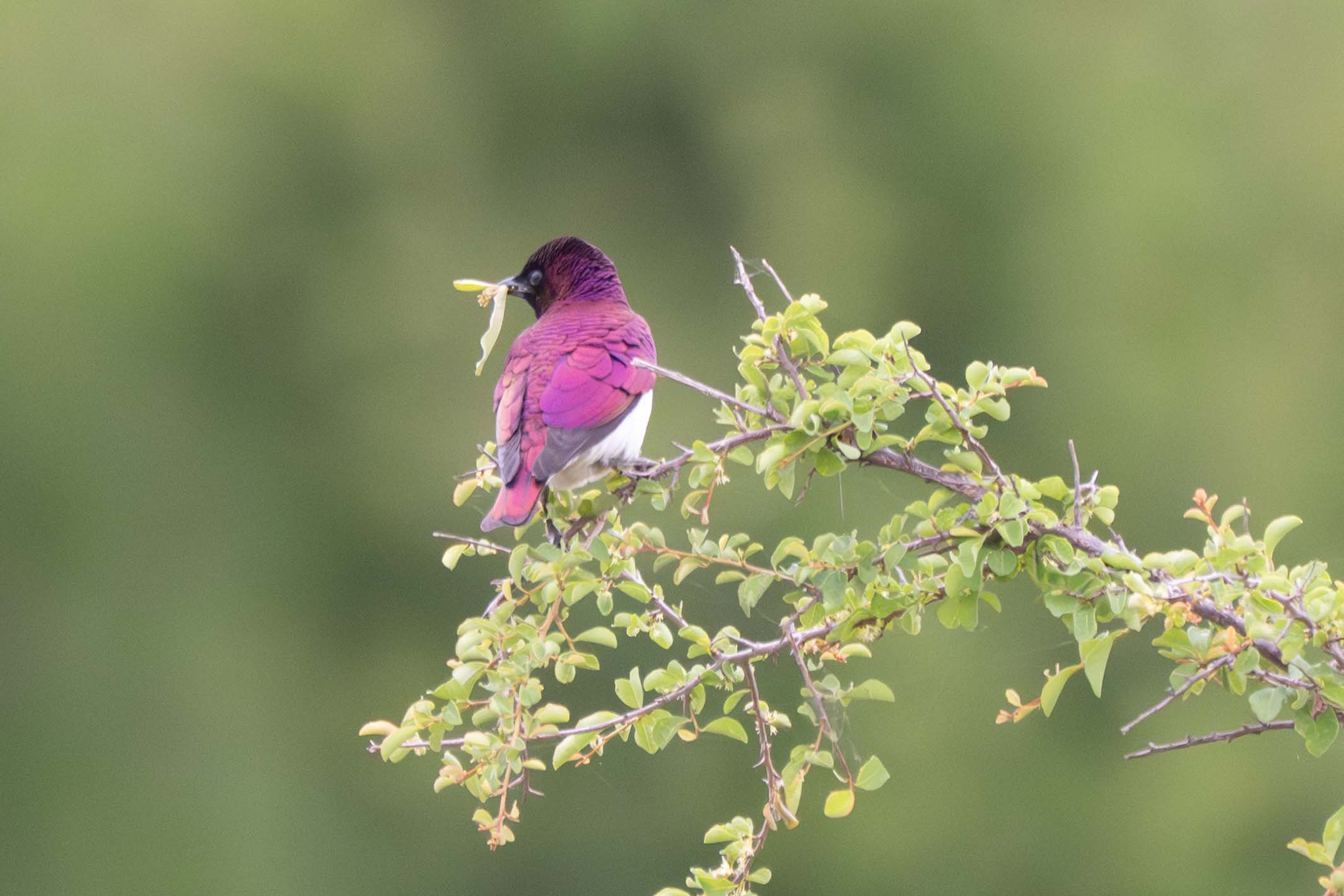
Violet-backed Starling
Pale Chanting Goshawk trying his best to catch a mongoose (he didn’t succeed)
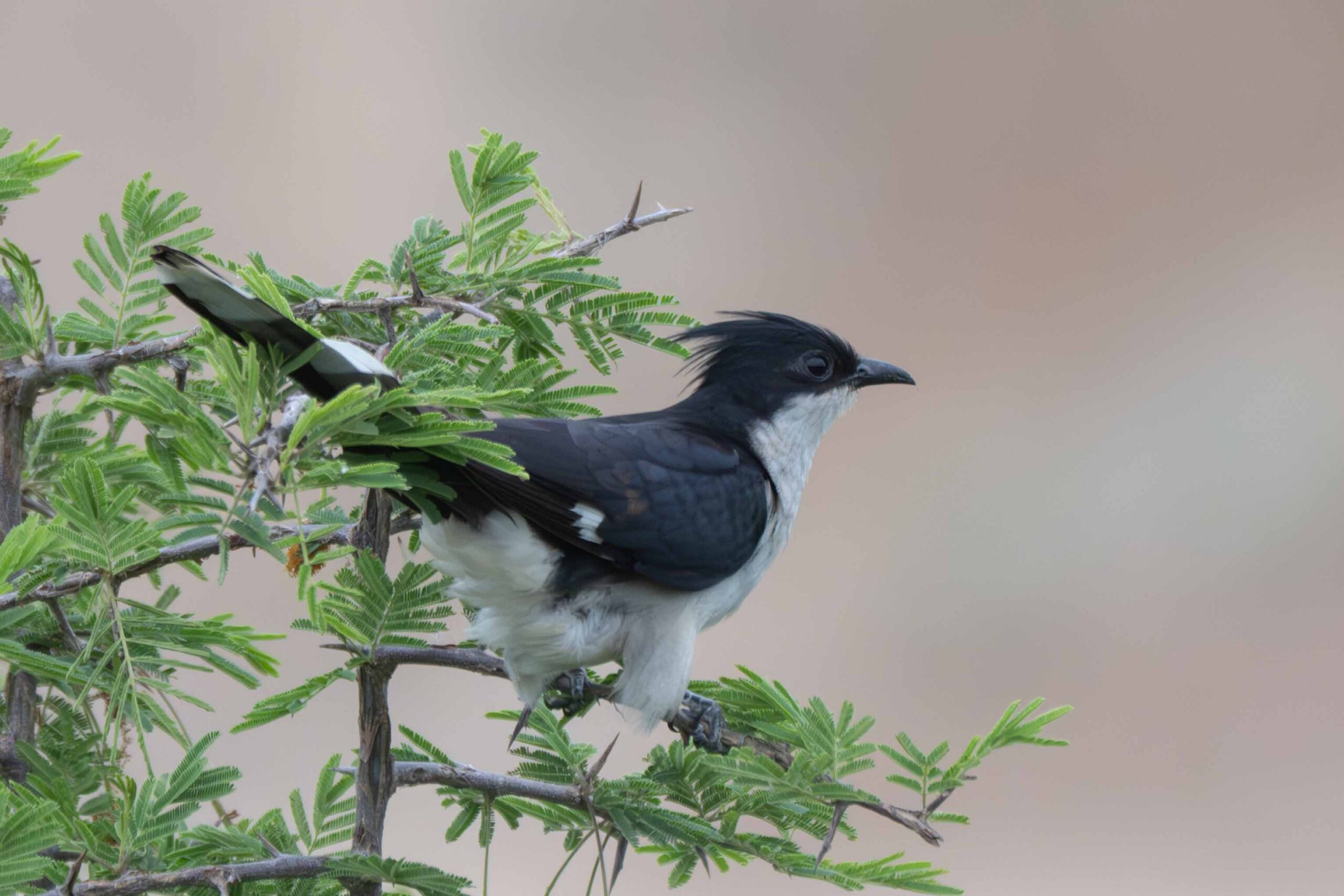
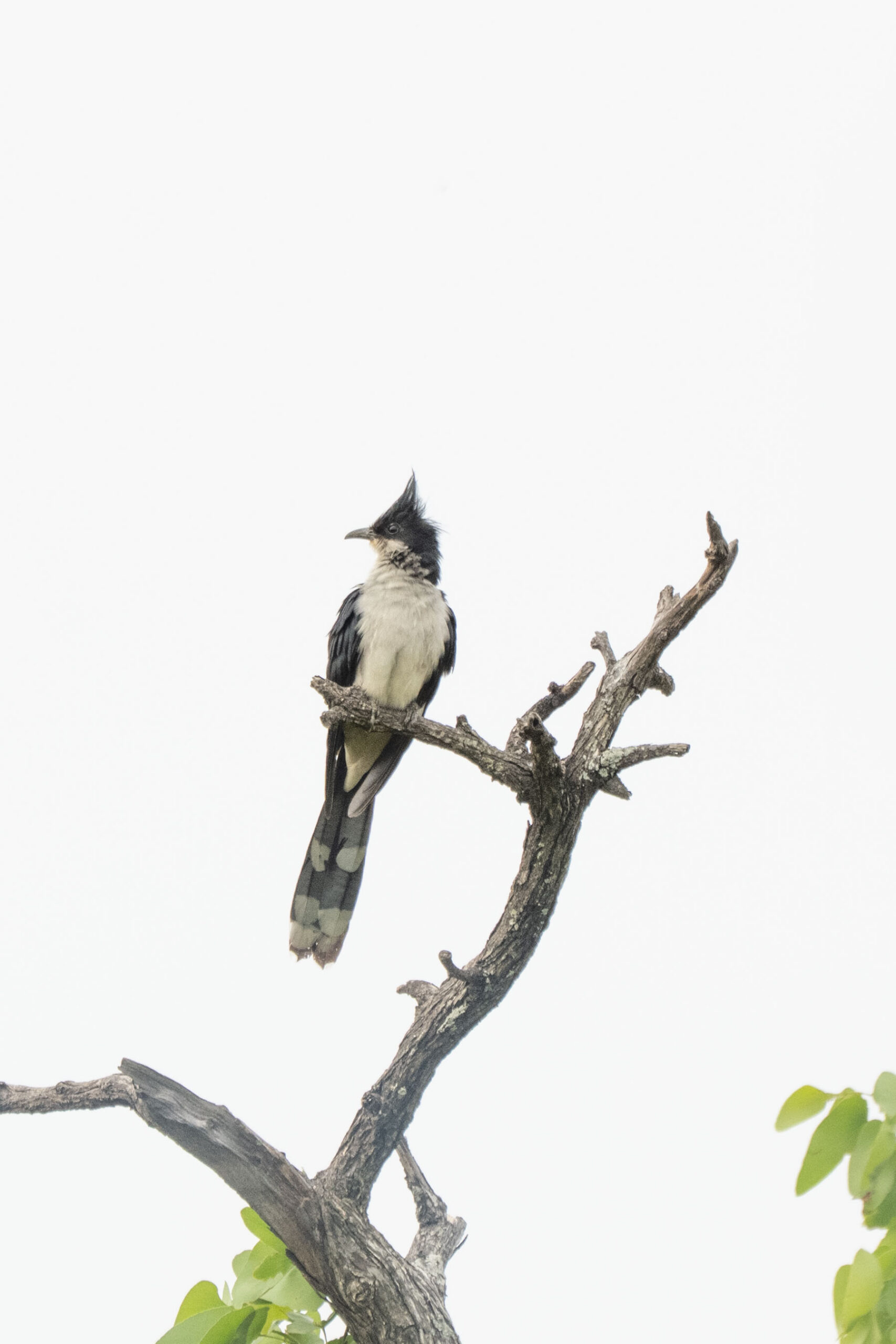
Jacobin Cuckoo
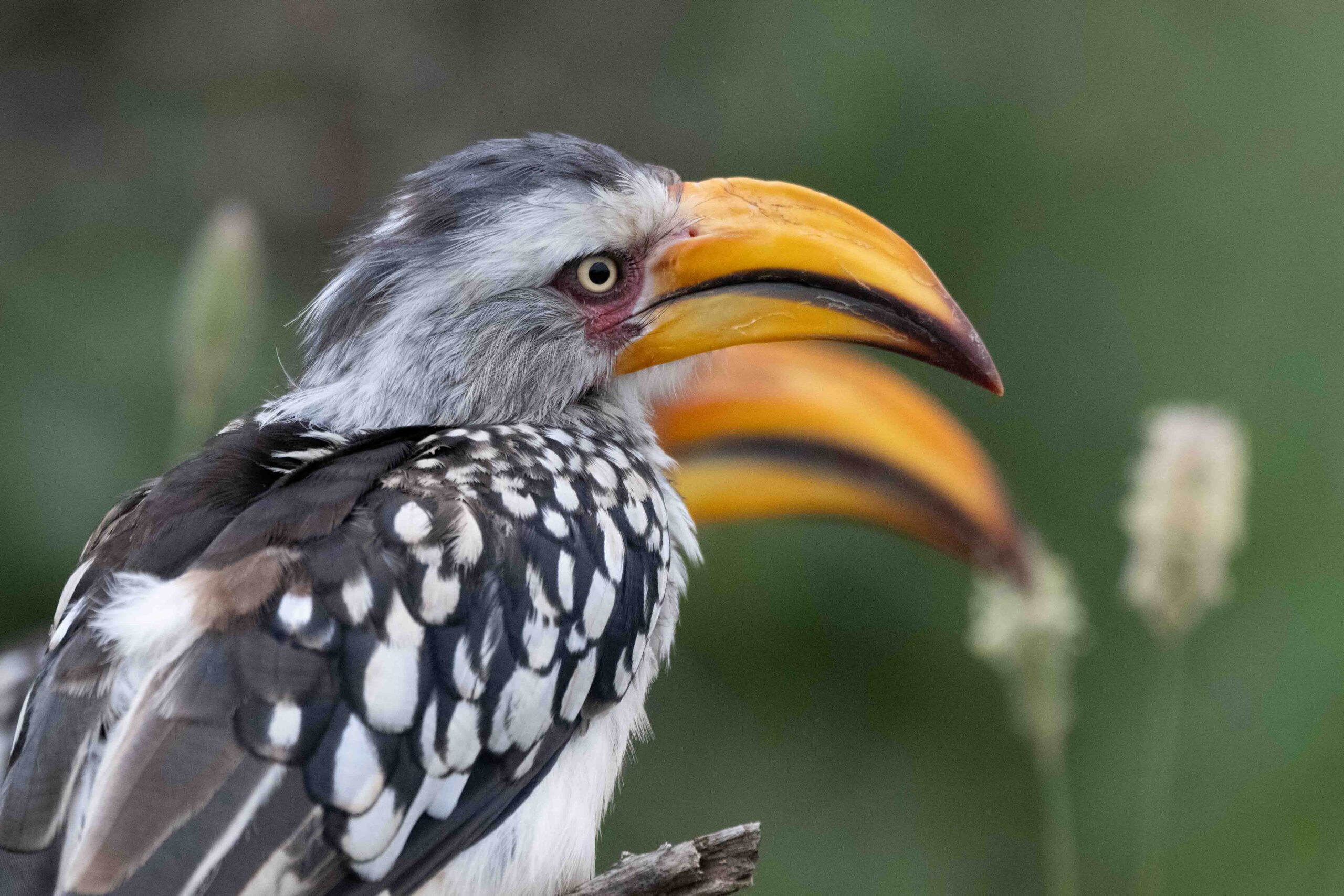
Southern yellow-billed Hornbill
Violet-backed Starling
Lion eating Elephant in Madikwe
SENSITIVE CONTENT: maggots on the elephant
Lion eating Elephant in Madikwe
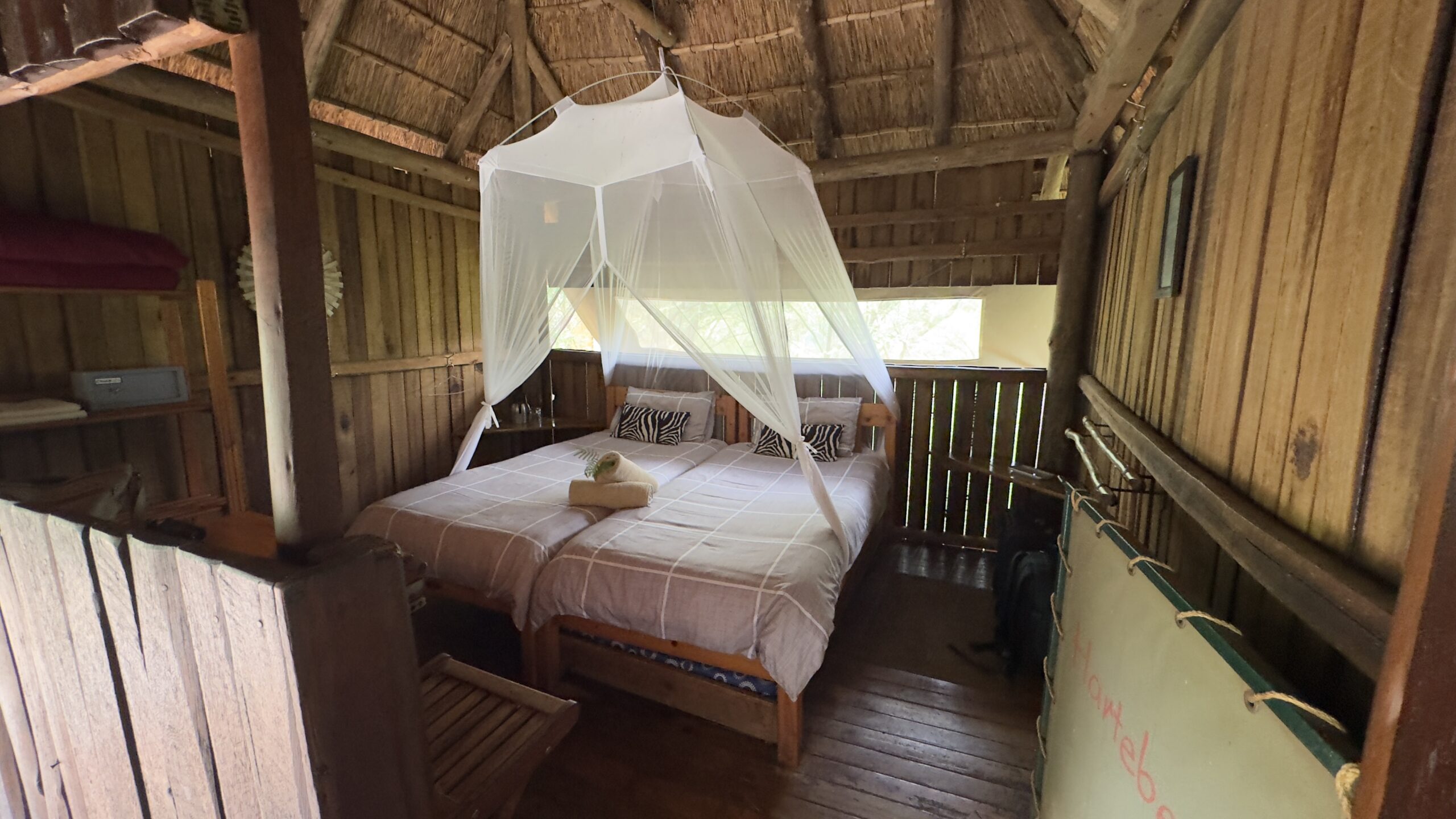
The chalet at Motsetlha Bush Camp
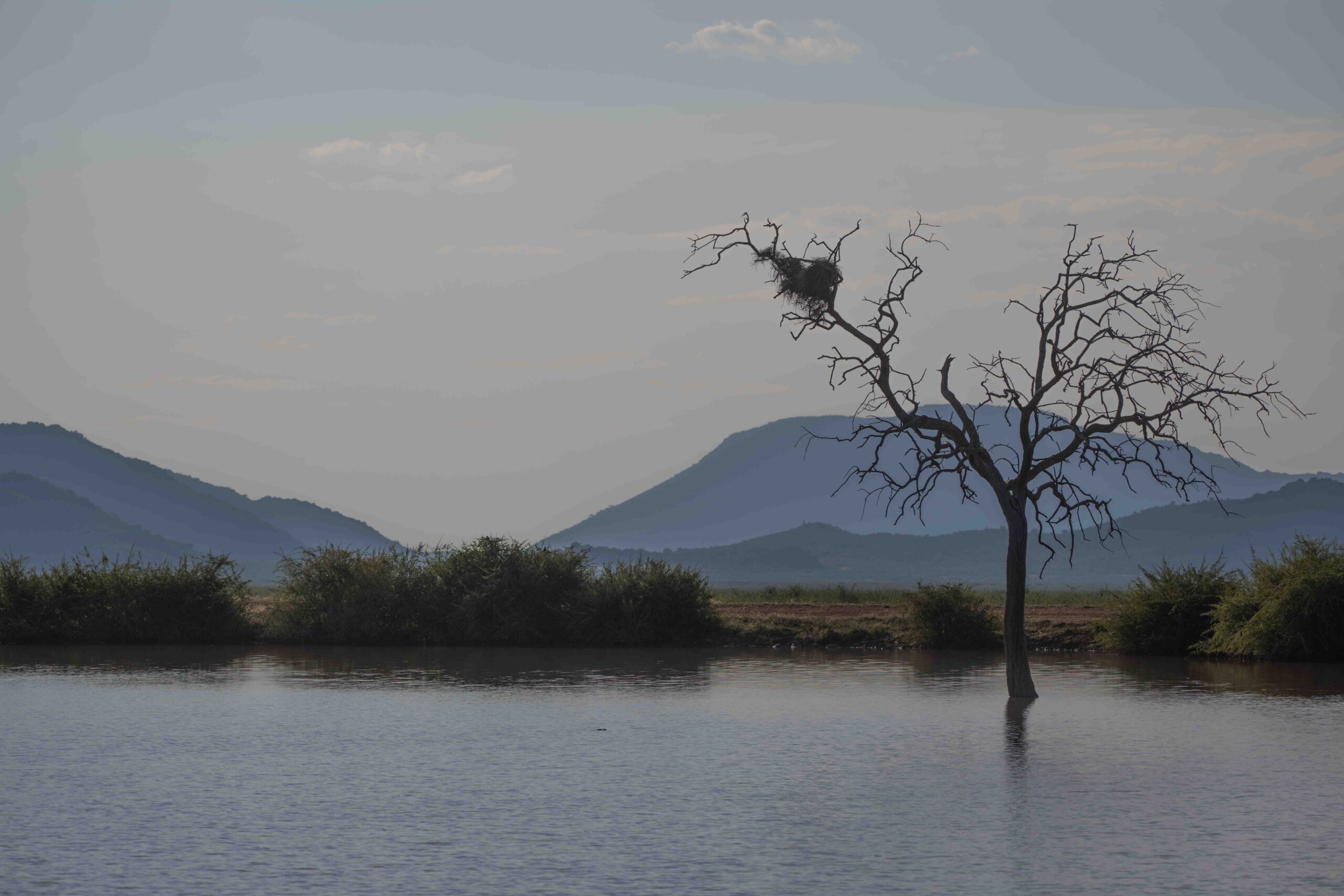
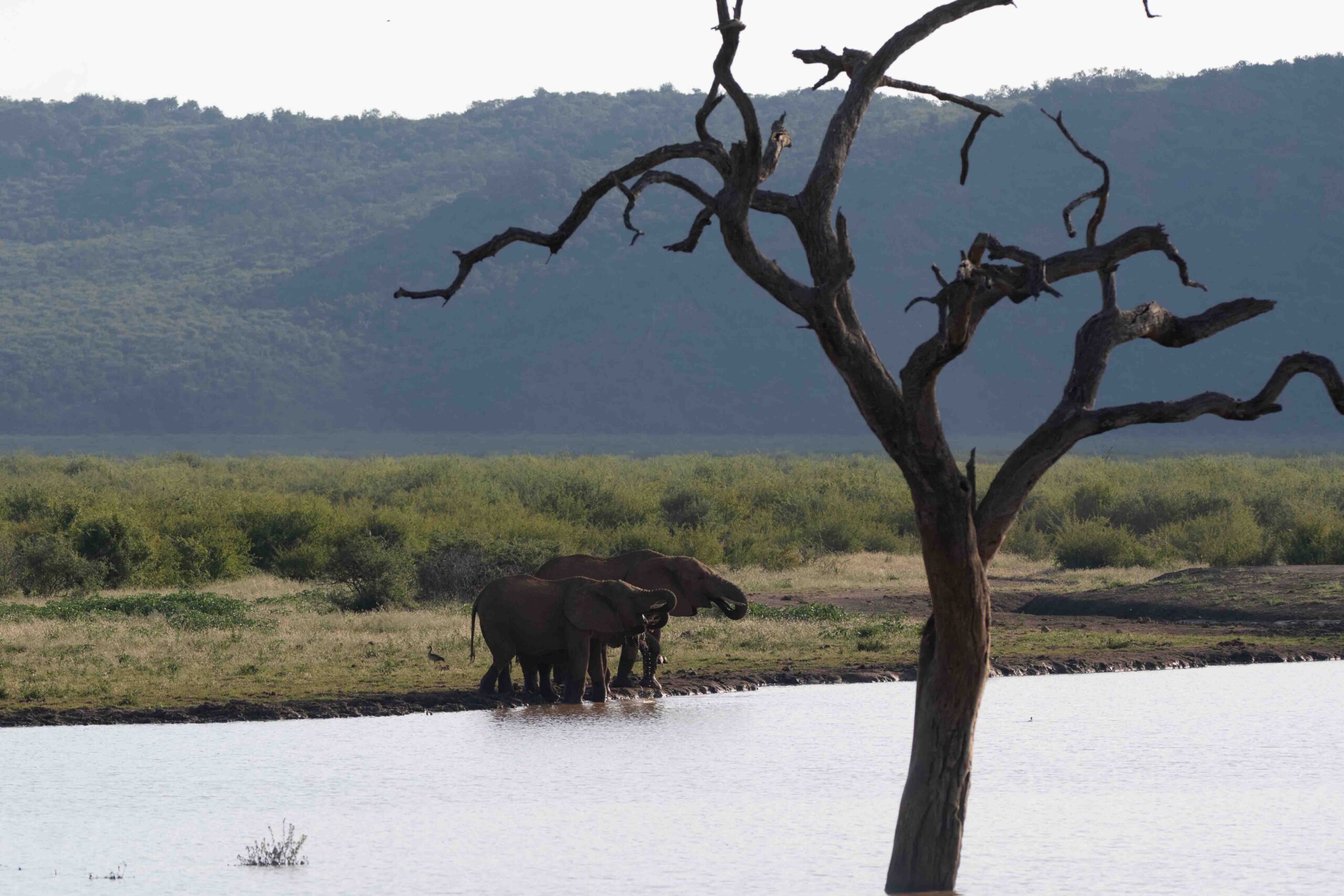
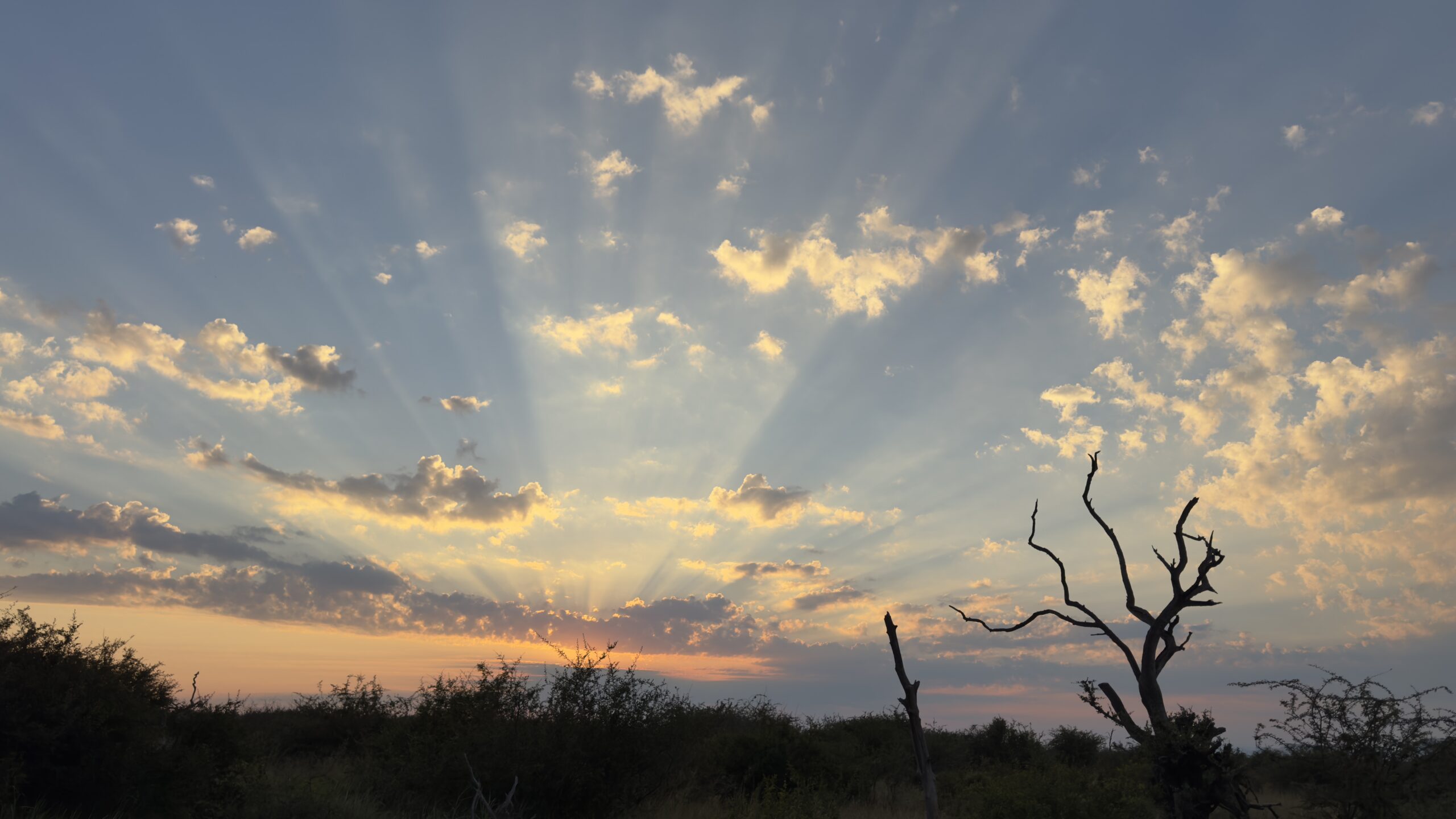
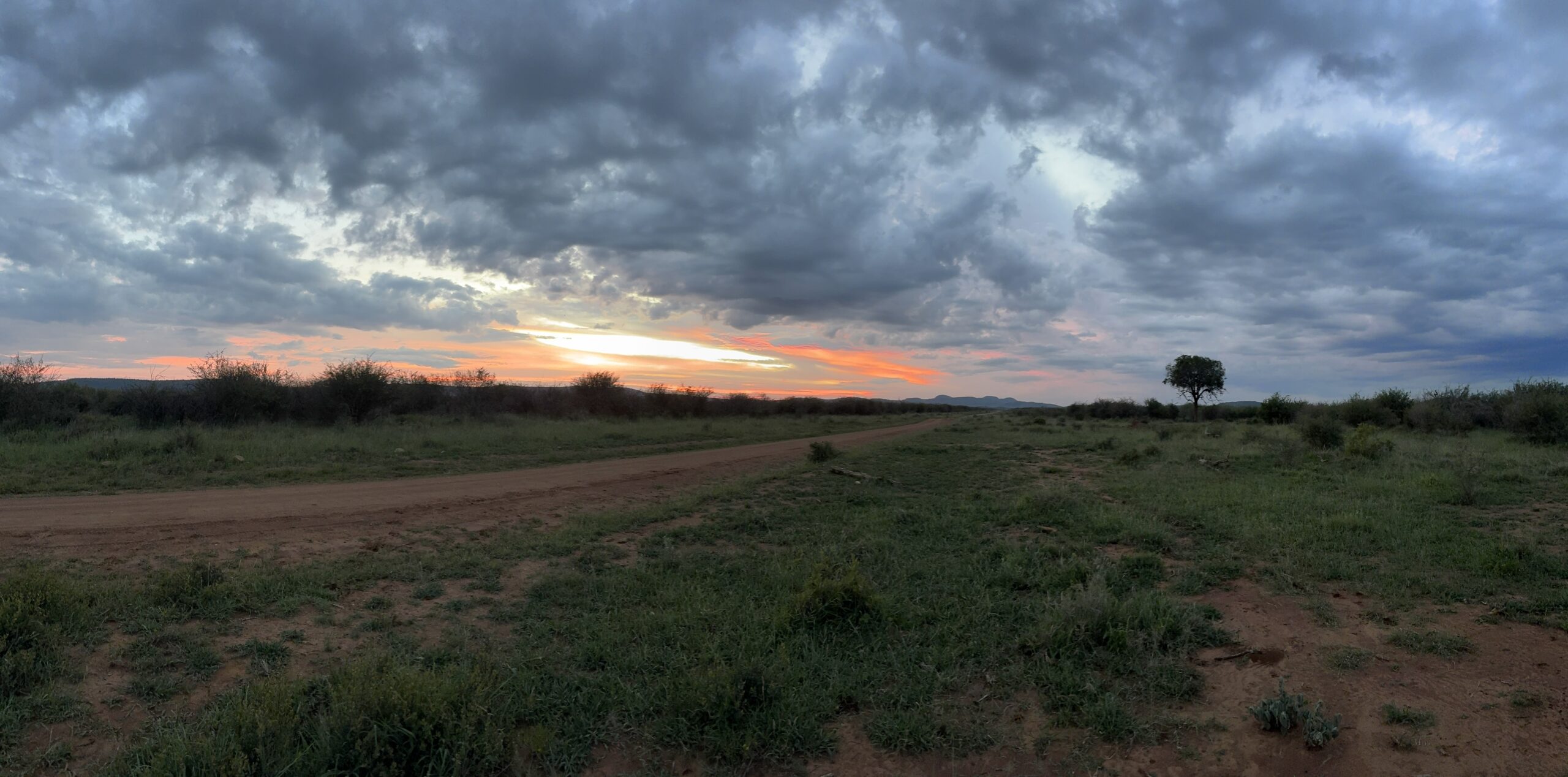
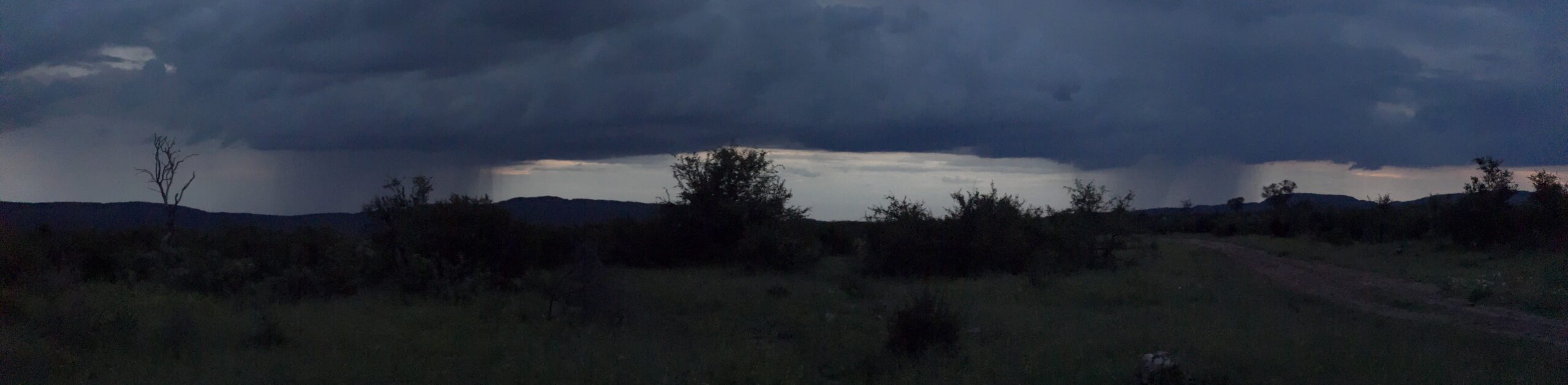
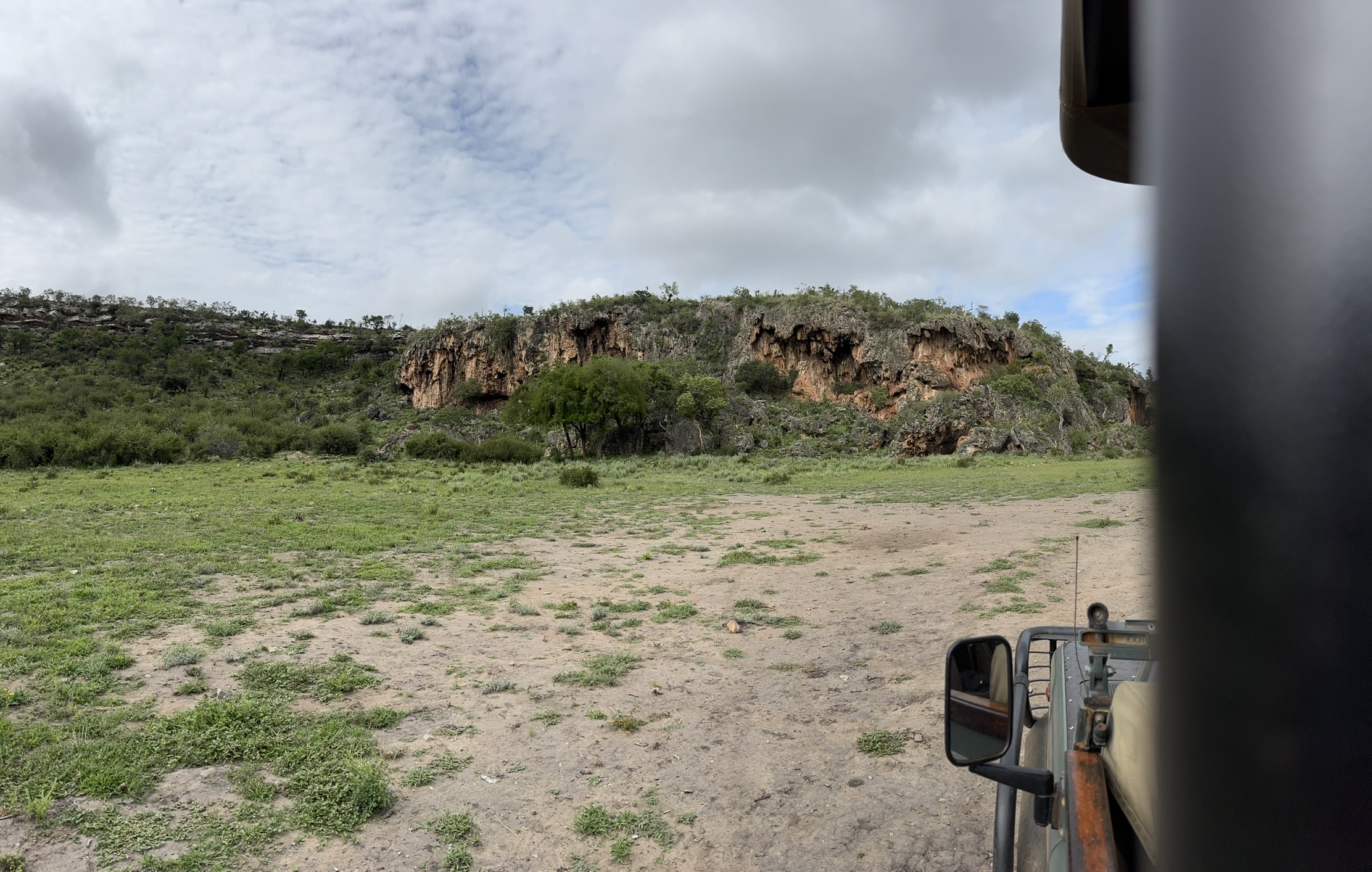
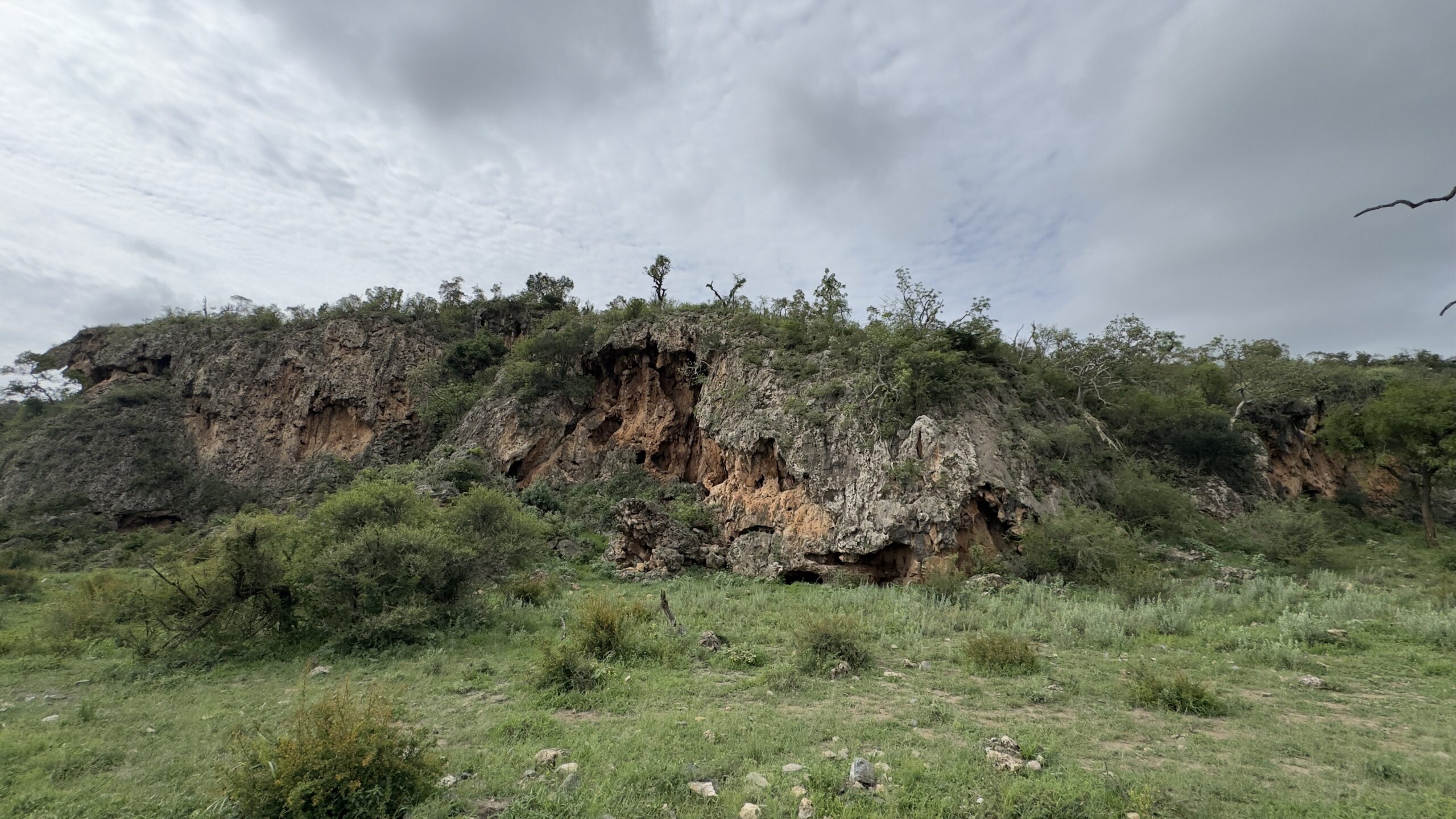
Madikwe landscape
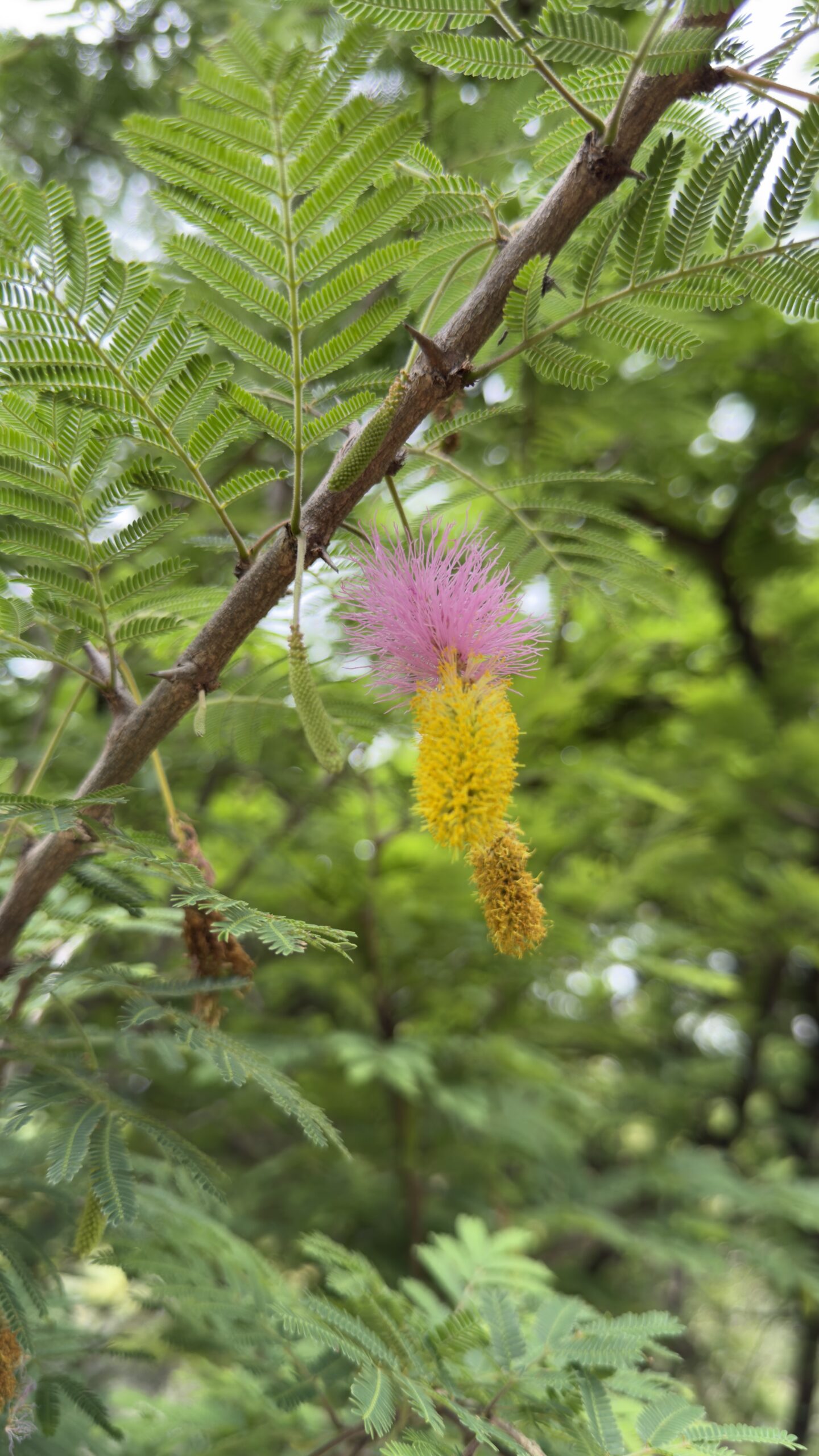
Sicklebush flower, Dichrostachys cinerea
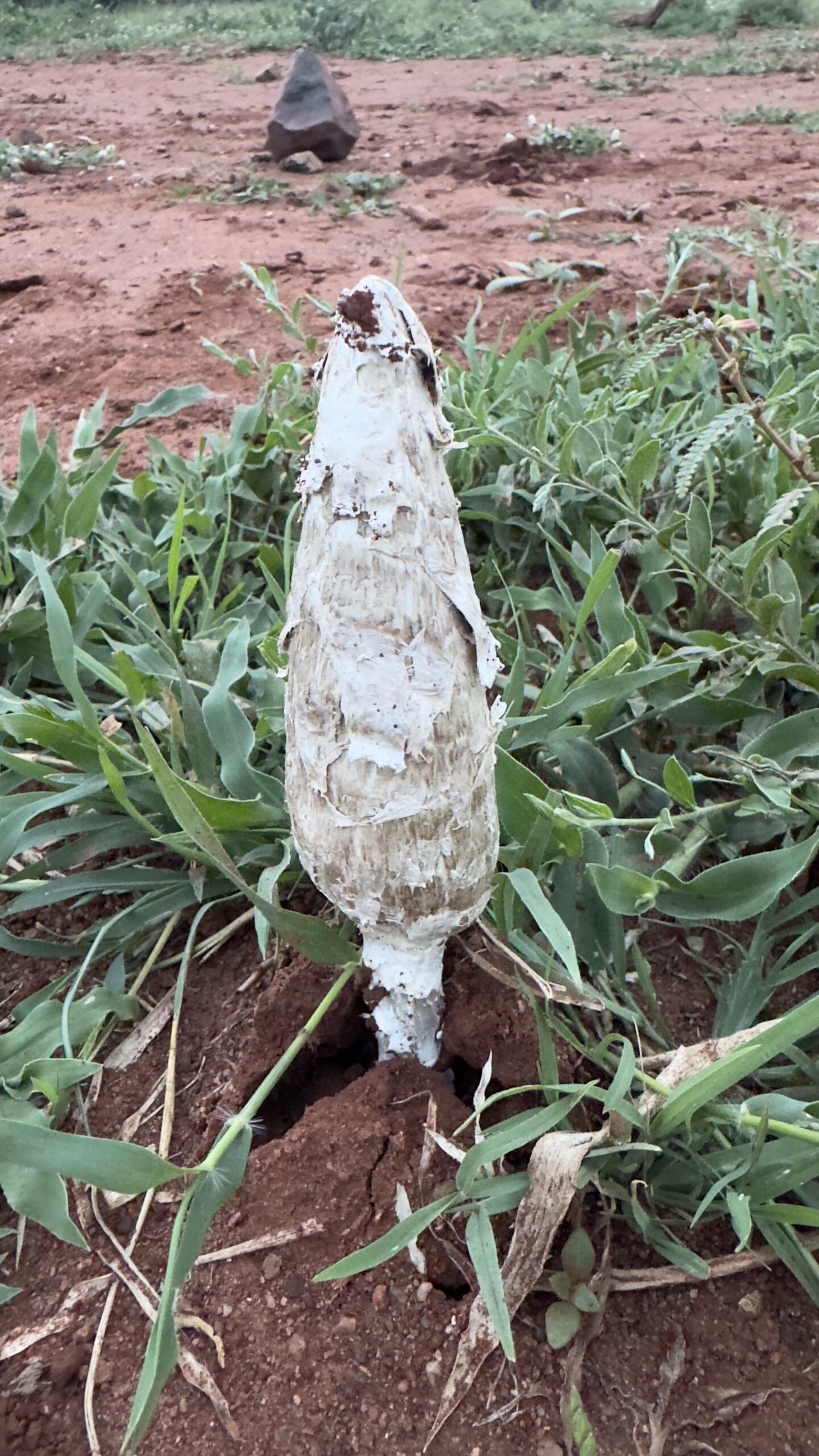
Desert shaggy mane (Podaxis pistillaris), a poisonous fungus. See more here: Desert Shaggy Mane
Mark and Alice, my usual travelling companions, set off for the Kruger National Park in November 2025, starting off in the north and slowly making our way south.
Our plans were confounded by the weather – the first couple of days was very rainy and miserable. I can say with absolute certainty that I don’t like camping in the rain. Everything is damp, and the mud! Not for the faint-hearted.
Photography isn’t the greatest in the rain, but it was a good learning experience, what with low light and soggy animals. I think I got some good photos nonetheless.
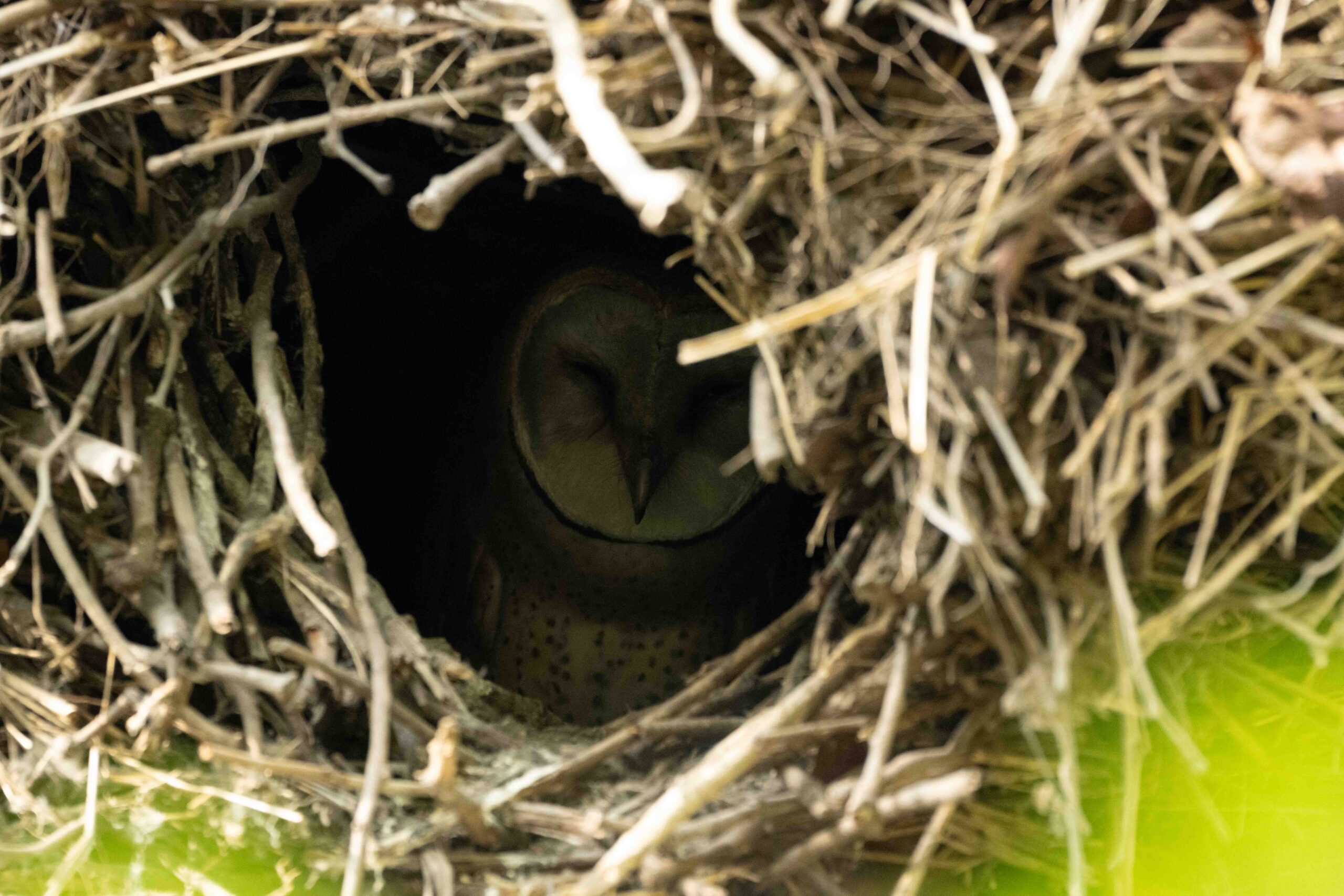
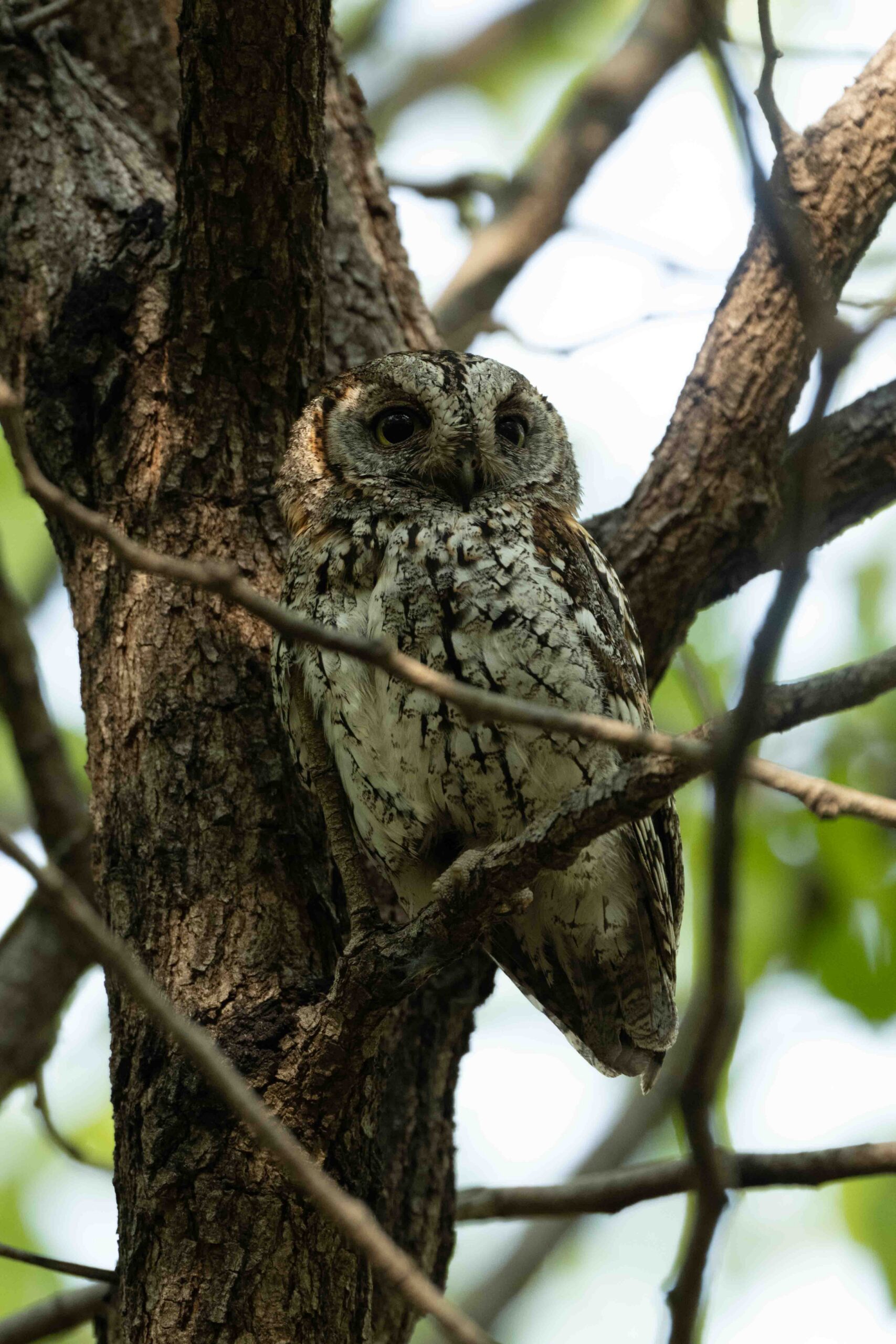
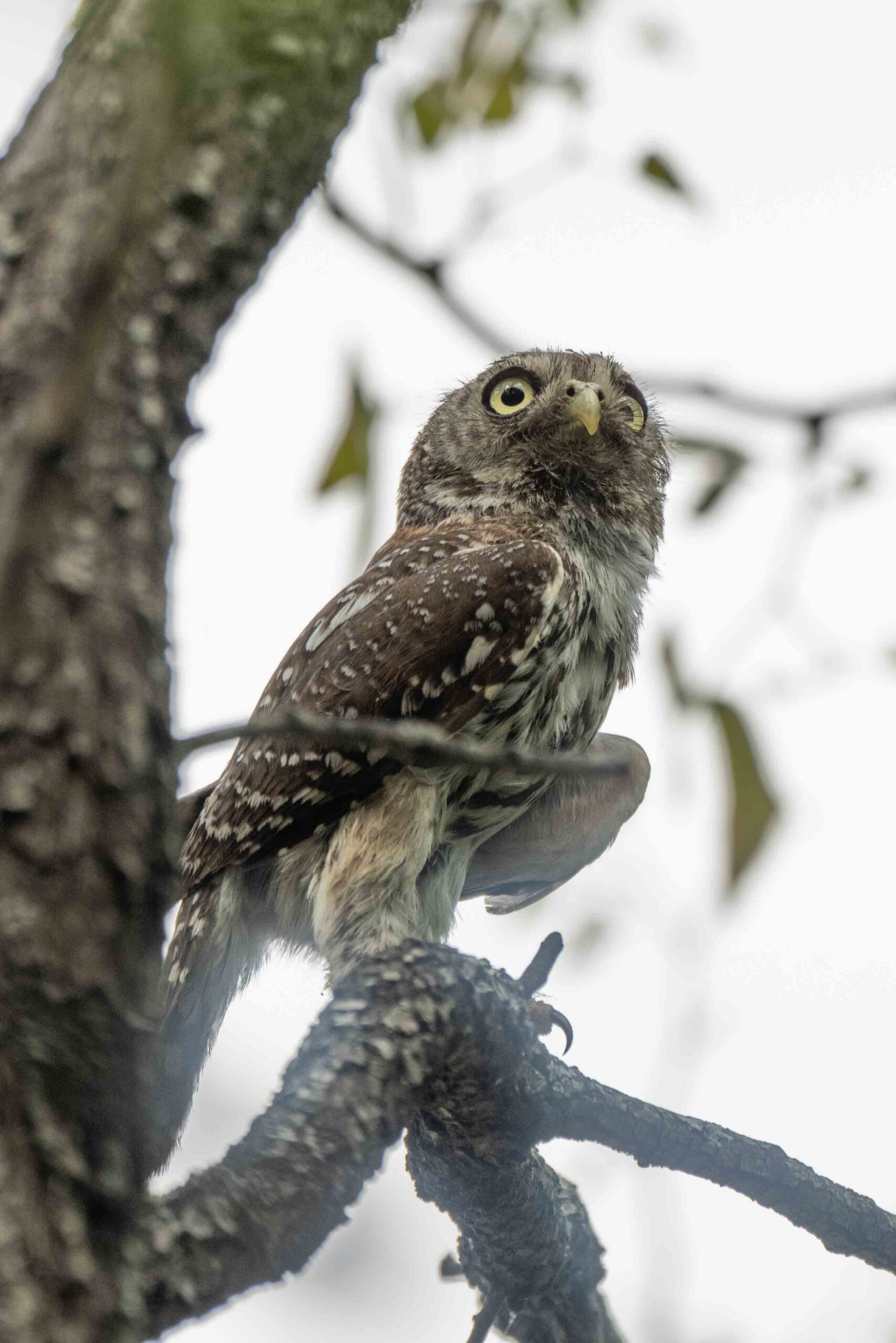
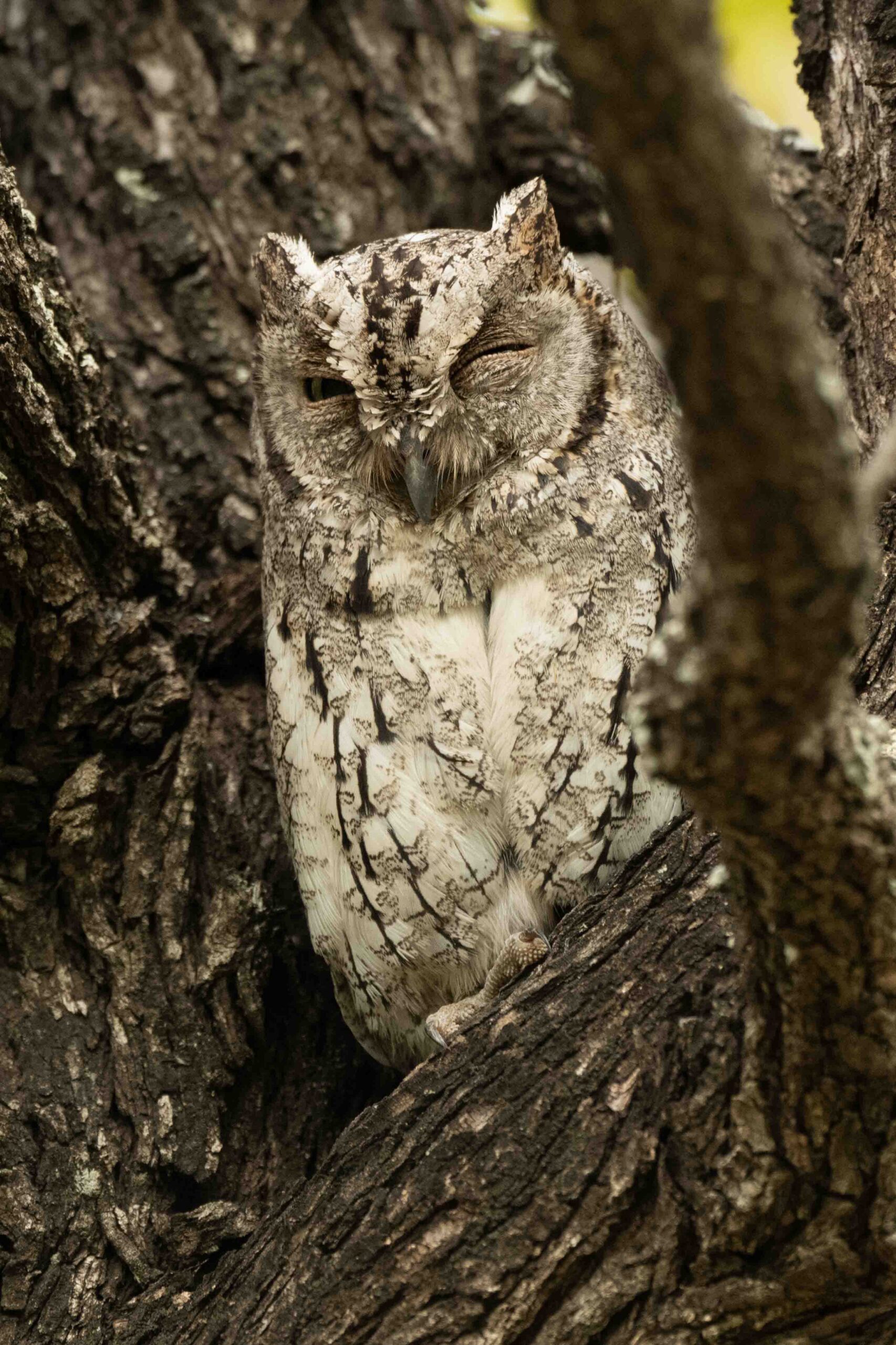
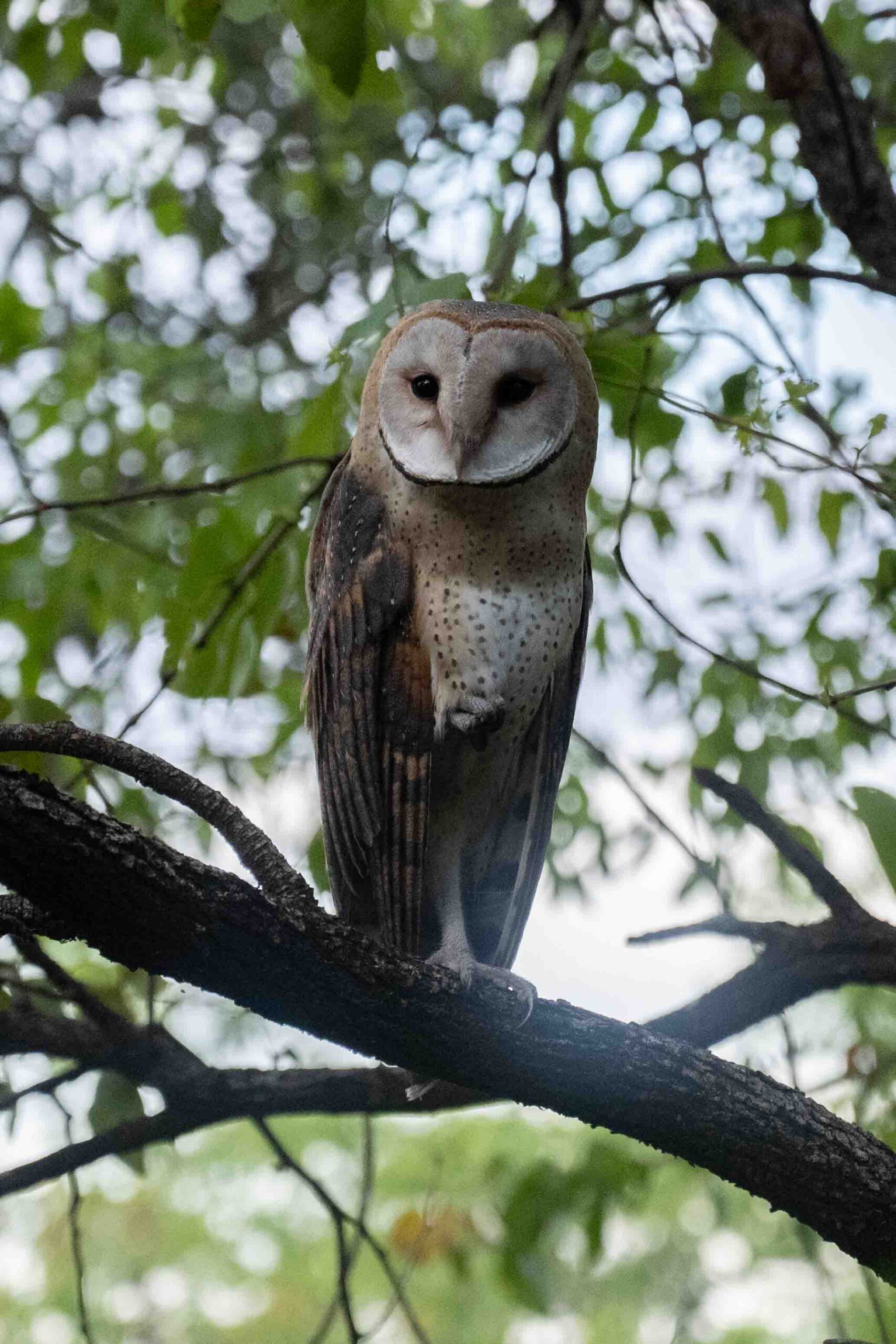
One of the campsites that we stayed at was Tzendze Rustic Camp Site. As we drove in and found our site, I saw some people off in the bush. I walked over and the camp manager pointed out a Western Barn Owl nest with babies in it, a Pearl Spotted Owlet pair flying around their nest, and a sleeping African Scops Owl. A three-fer in the first couple of minutes of arriving! I will definitely stay at Tzendze again.
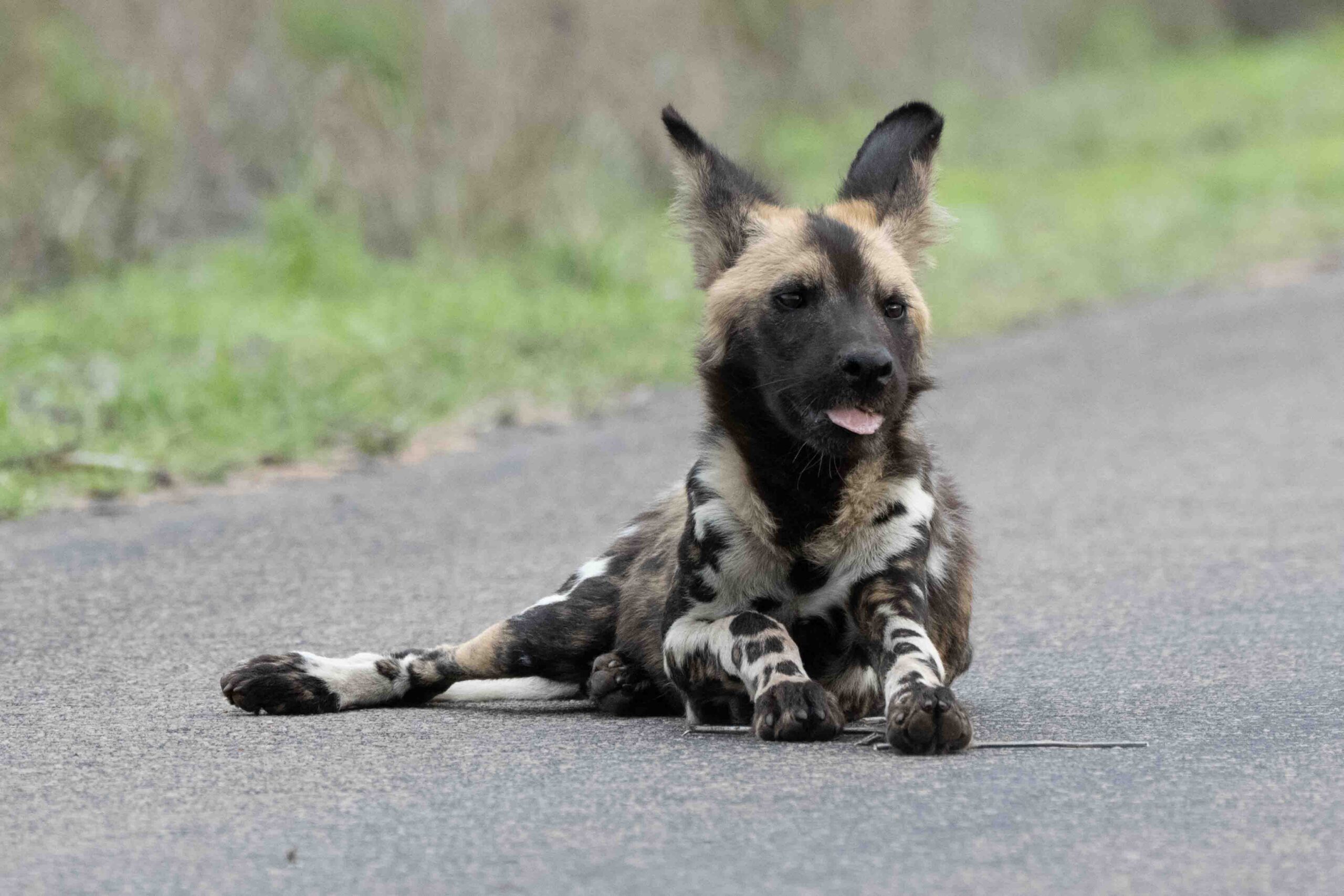
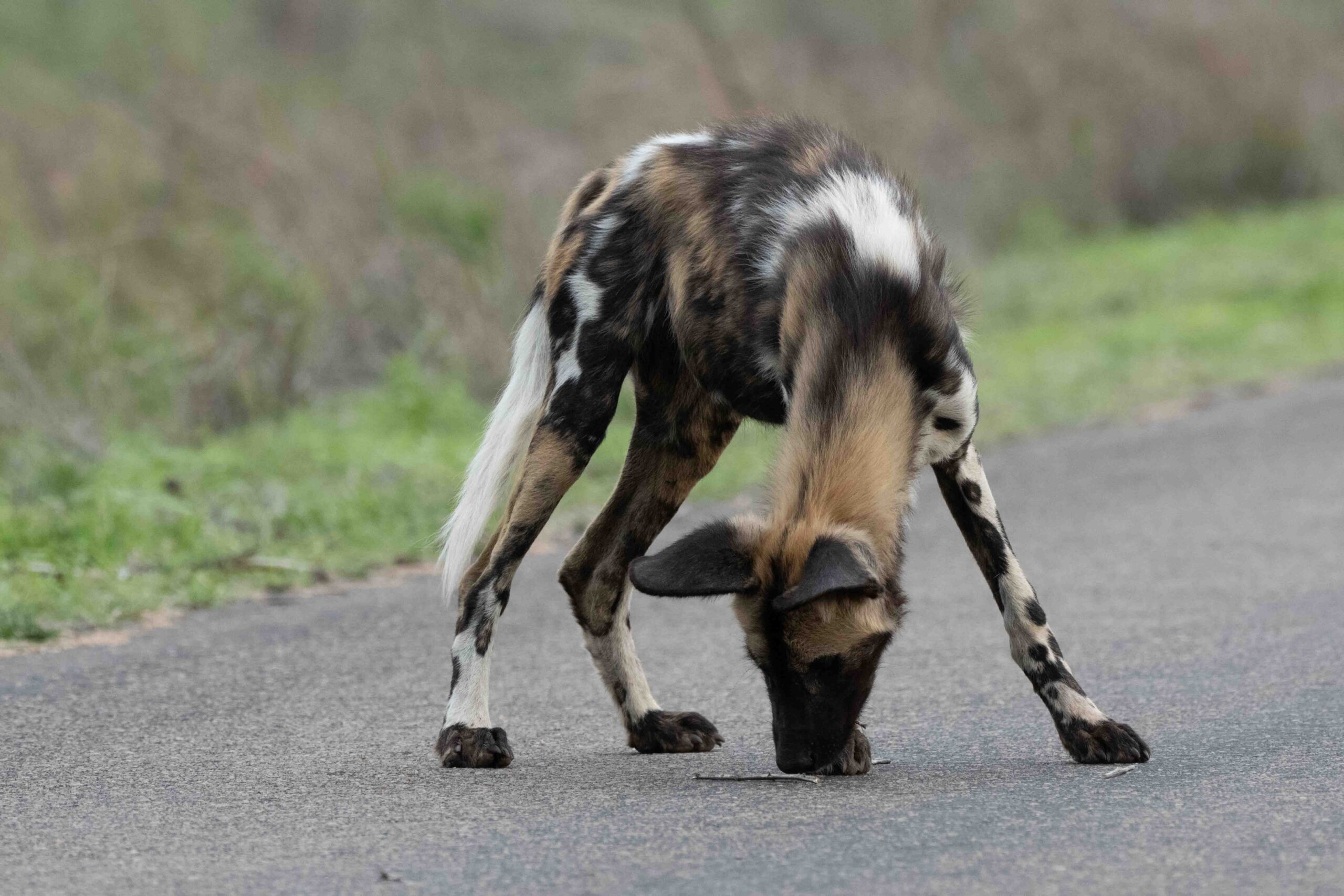
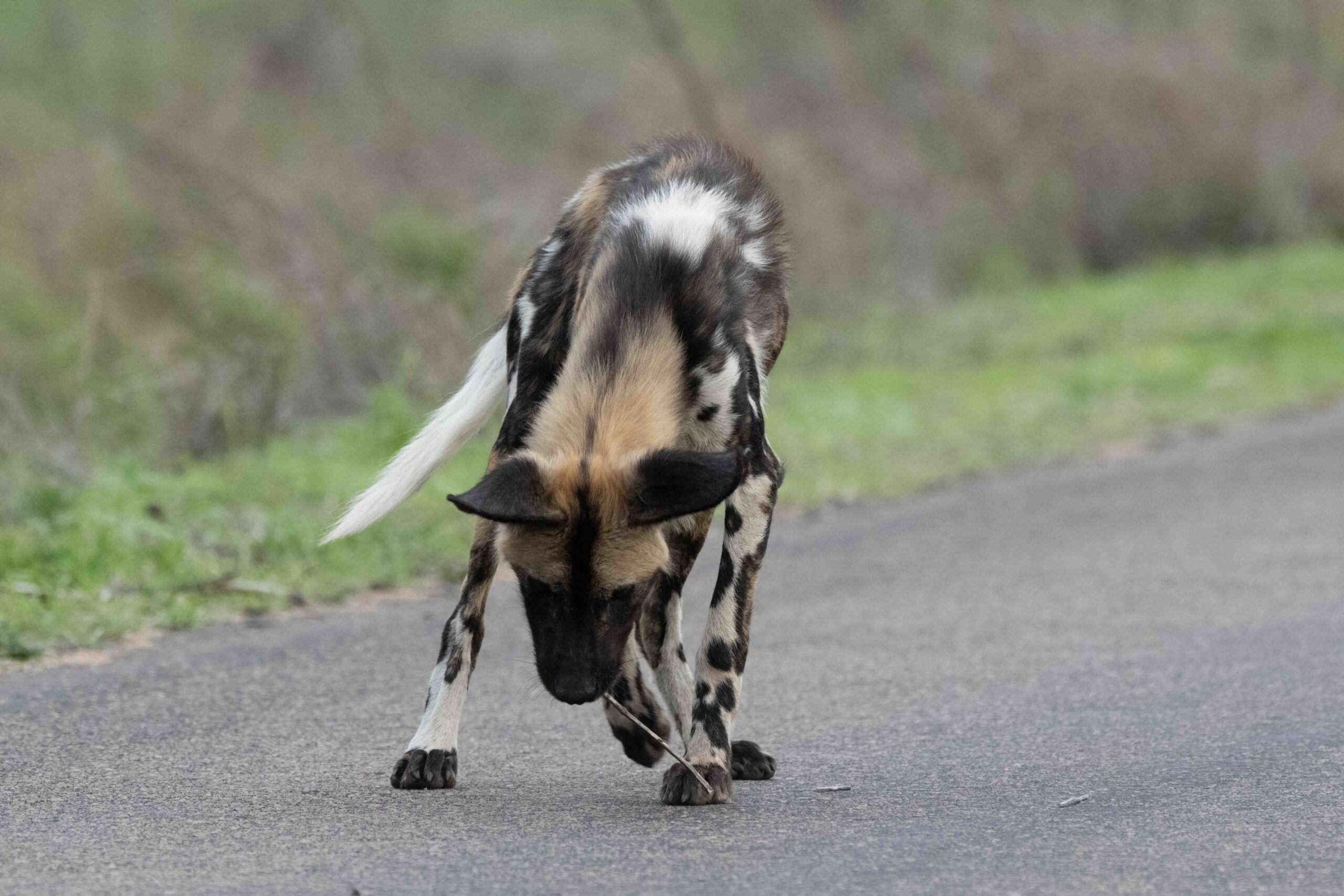
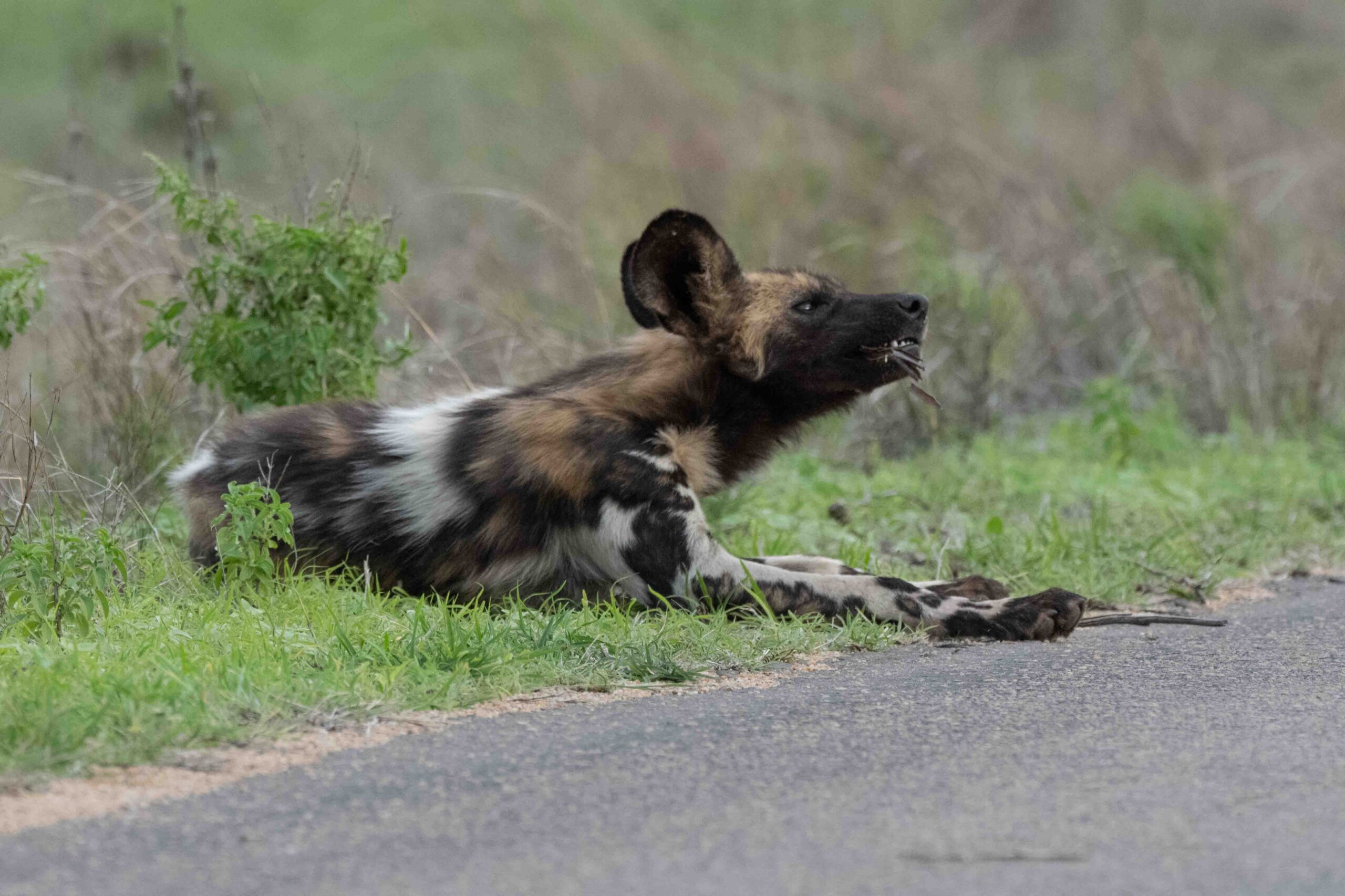
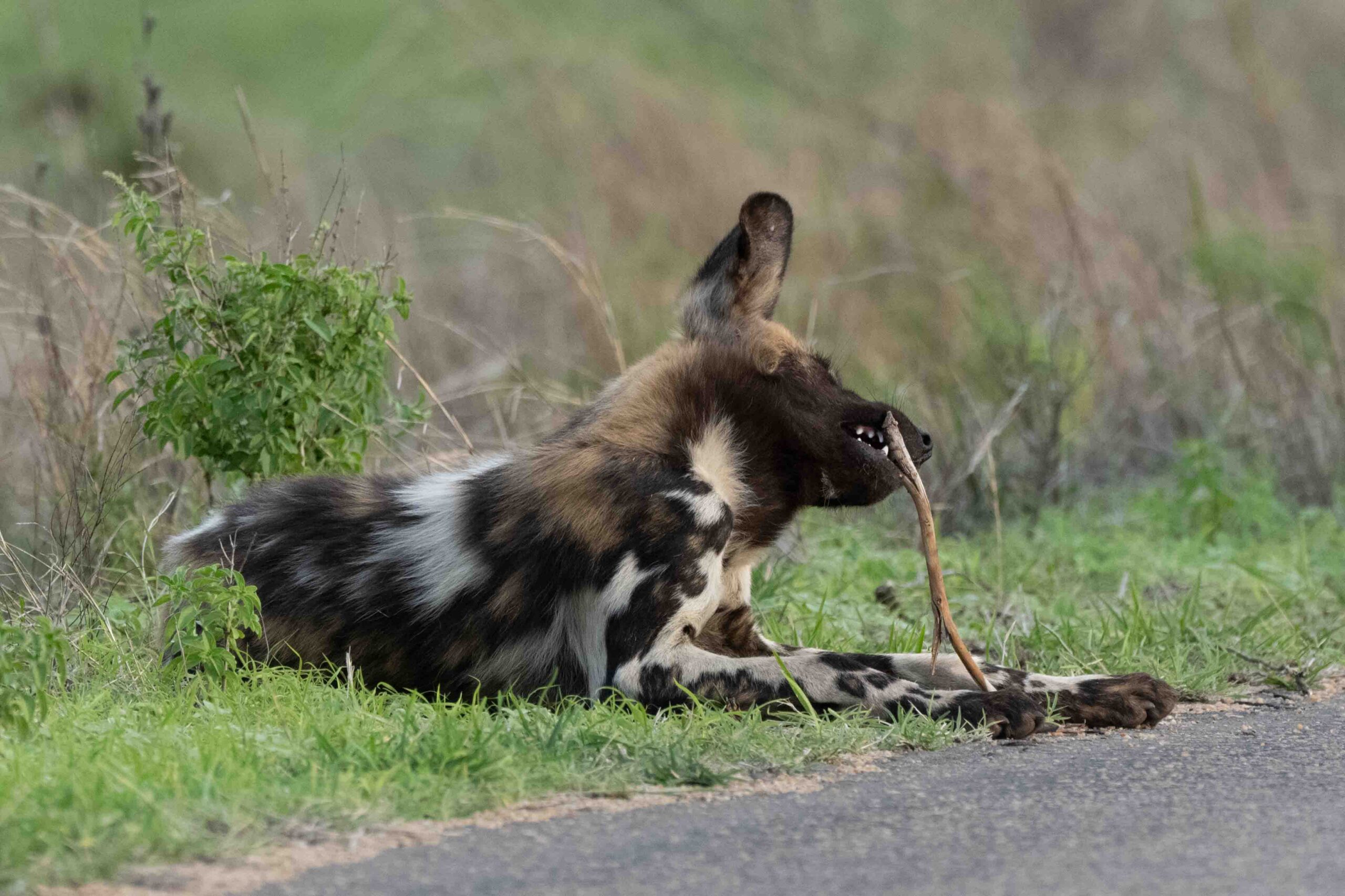
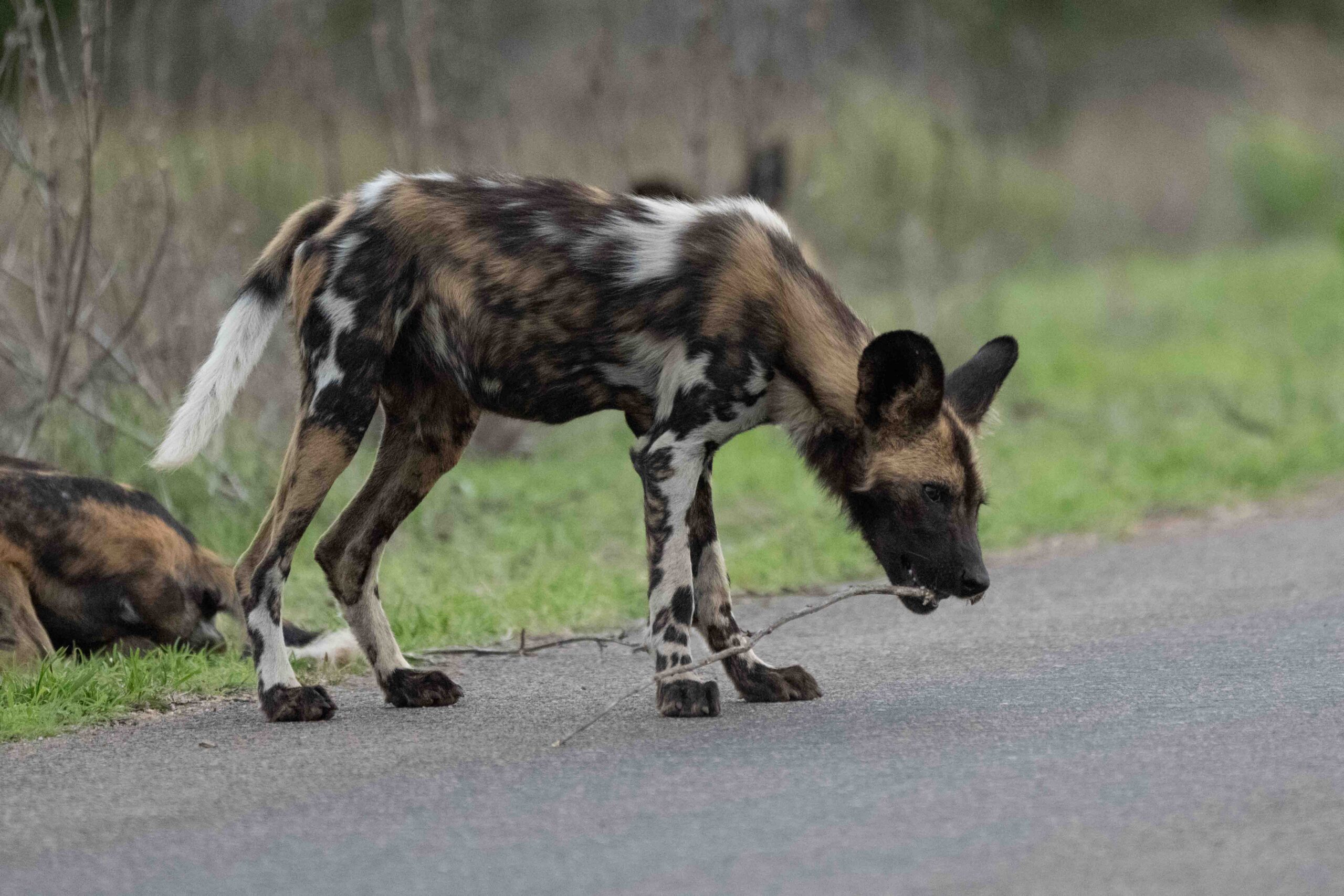
We didn’t have great animal viewing, thus the heavy bird content. On the second last day we came across a pack of African Wild Dogs, and they certainly didn’t disappoint. Initially they were all sleeping under a huge bush, and we only caught glimpses of them as they shifted position. We waited for about 2 hours, but our patience paid off. Suddenly the whole pride was up and greeting each other with wild yips and barks.
I fell in love with a young male – the sole survivor of a litter of pups – who was playing with a stick. One of the Wild Dog researchers was staying in the campsite next to us and she gave us the history of the pack. I guess seeing as he didn’t have other litter mates to play with, he had to made do with a stick. He would throw it in the air, carry it in his mouth, change sticks when he got the chance. Here I have captured a few of the very many images that I got of him.
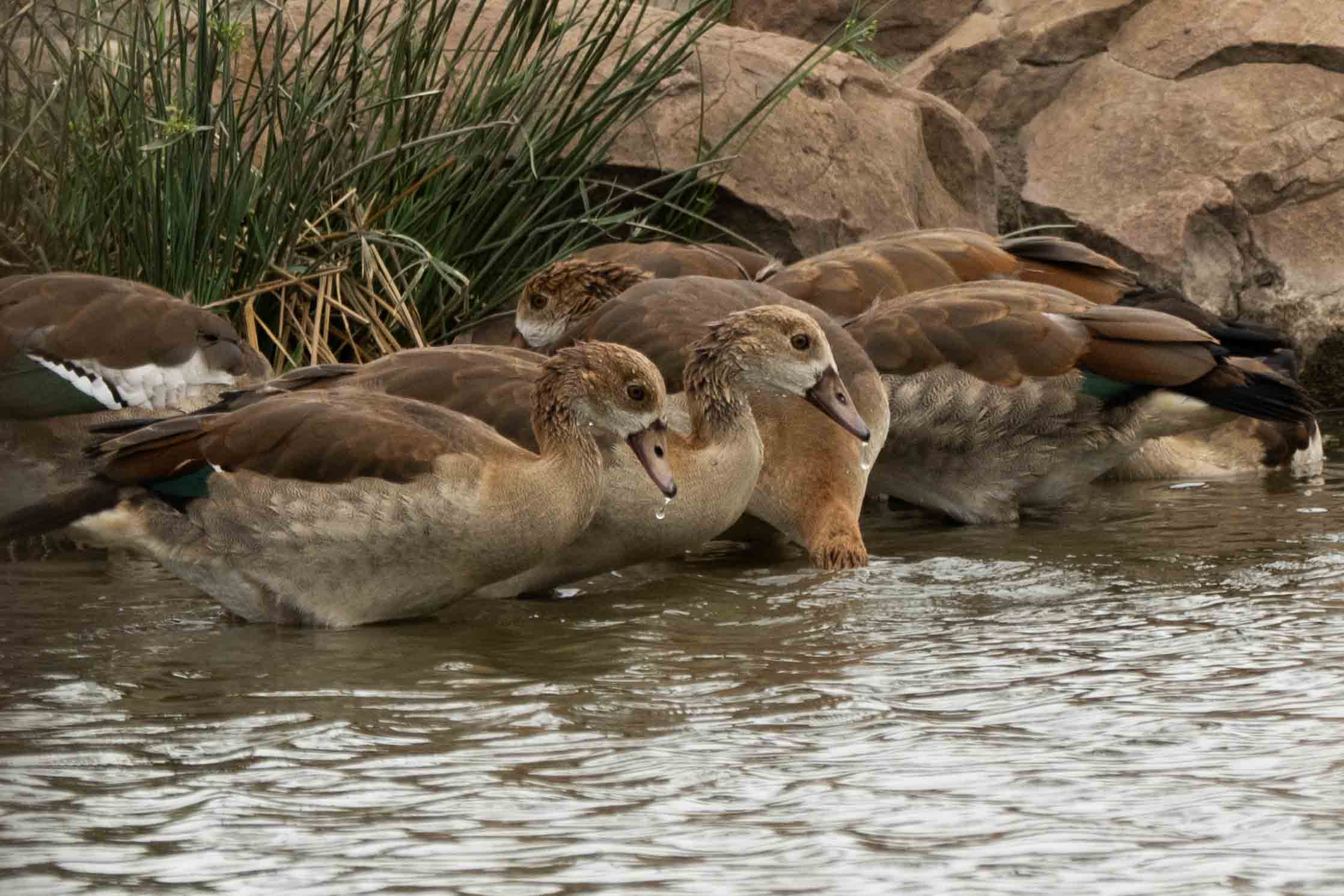
Immature Egyptian Geese
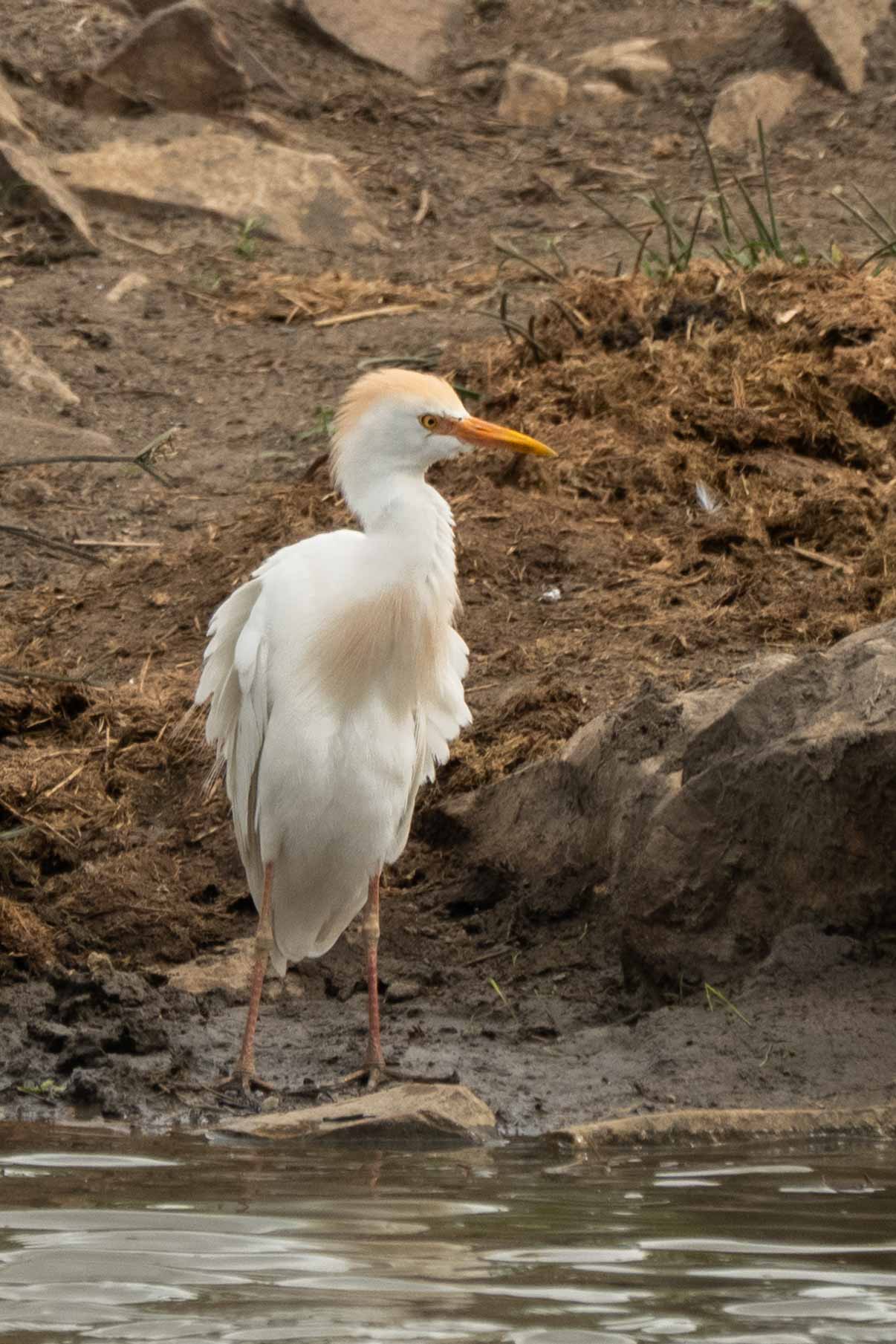
Western Cattle Egret
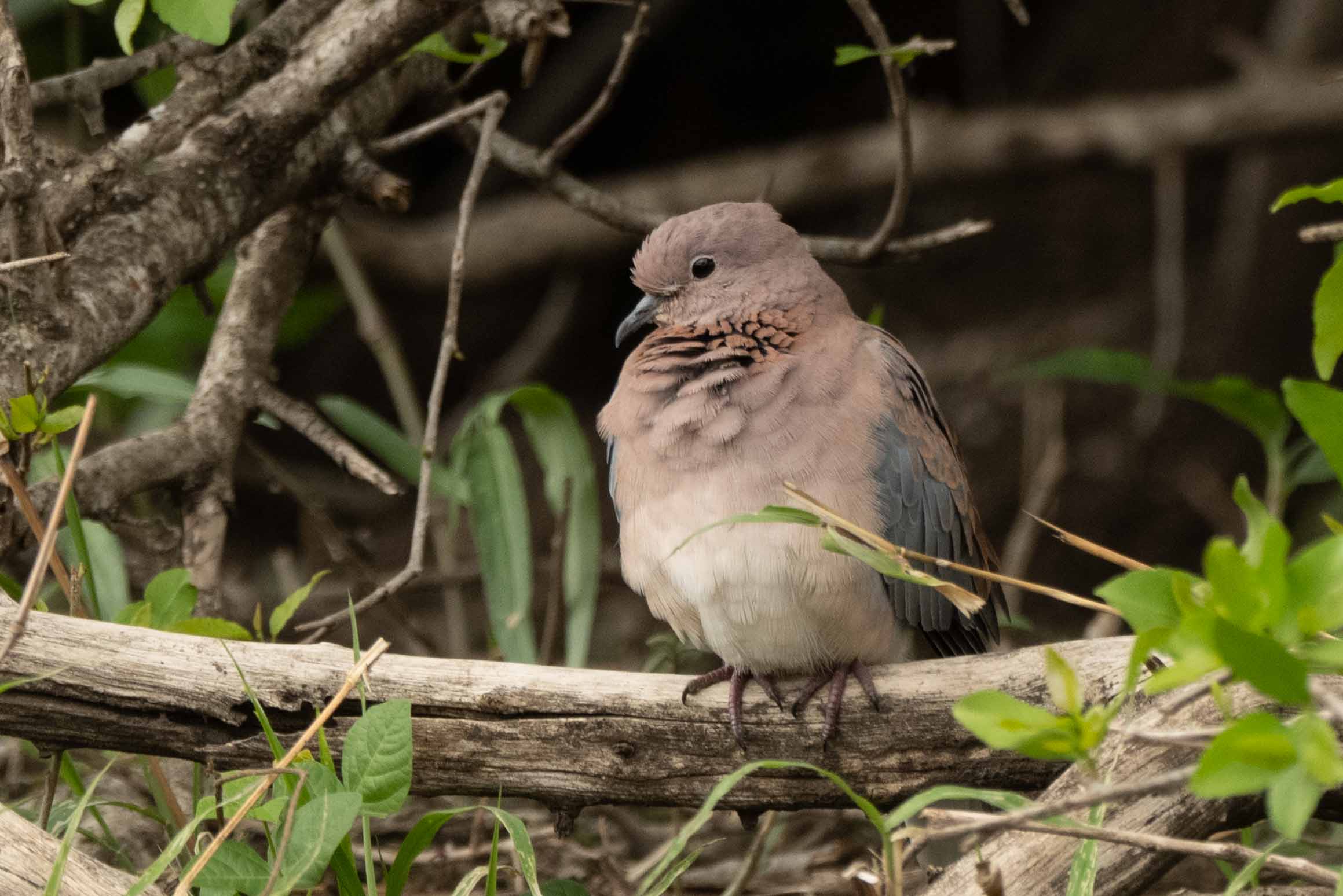
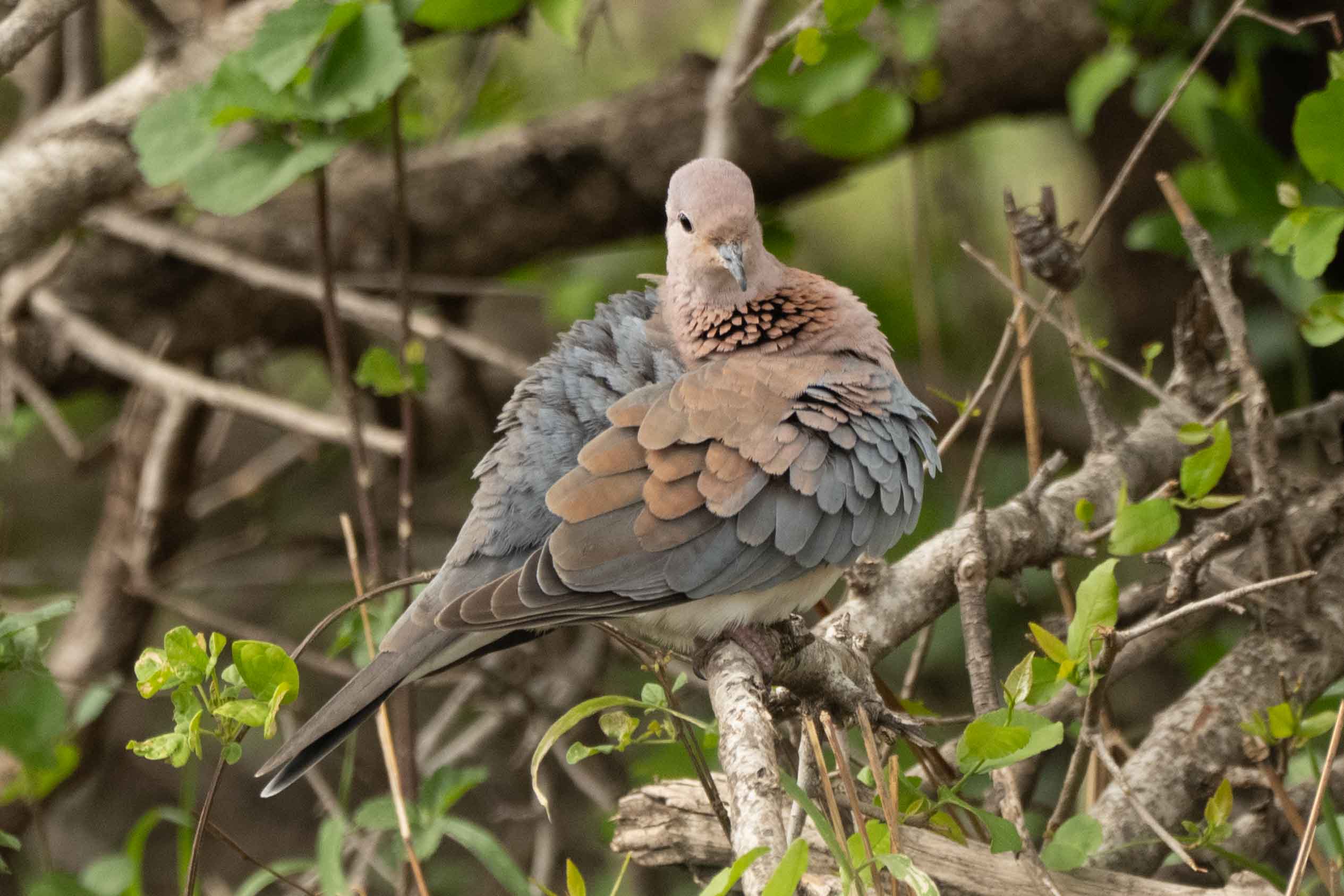
Laughing Dove
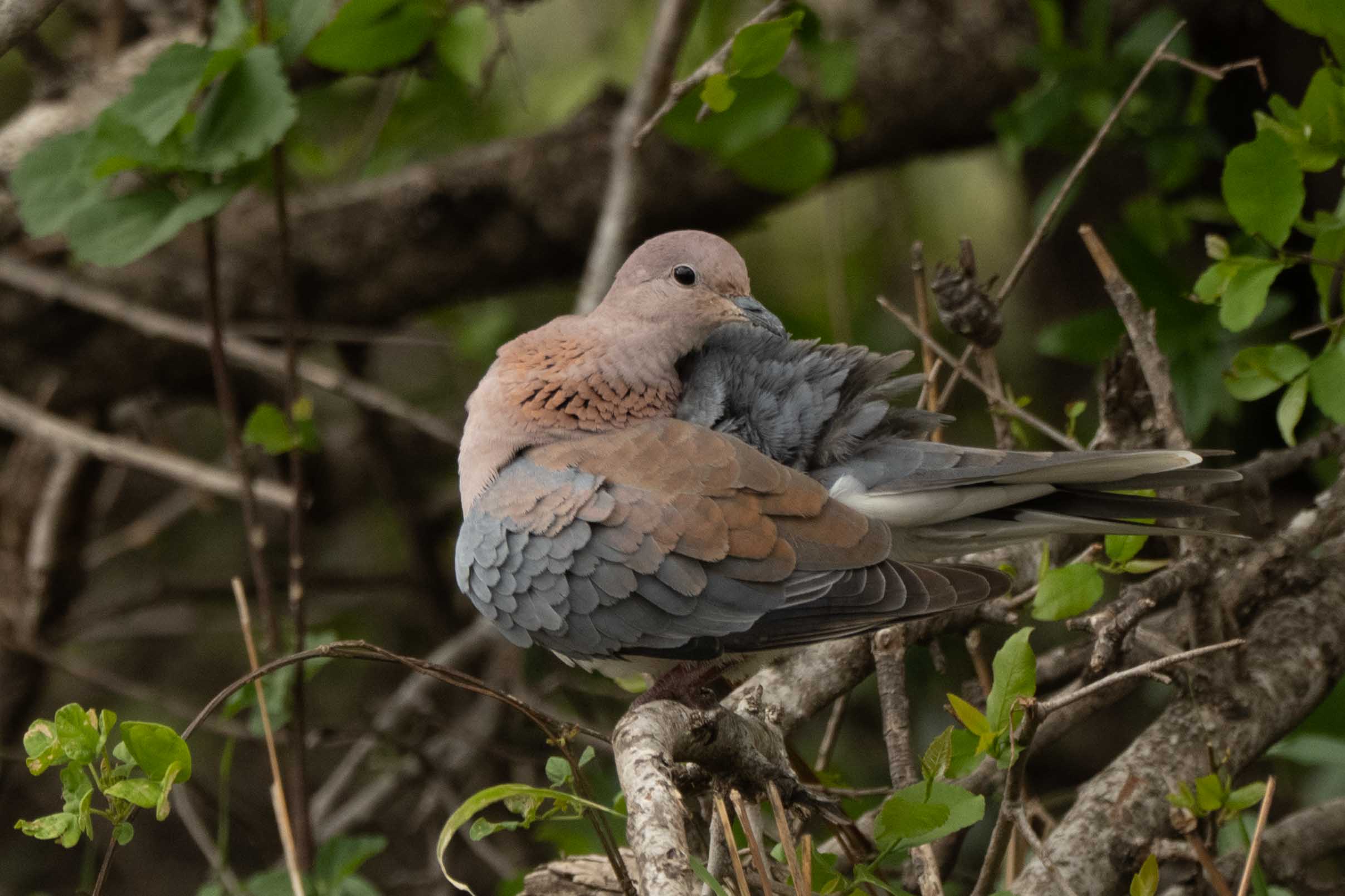
Laughing Dove
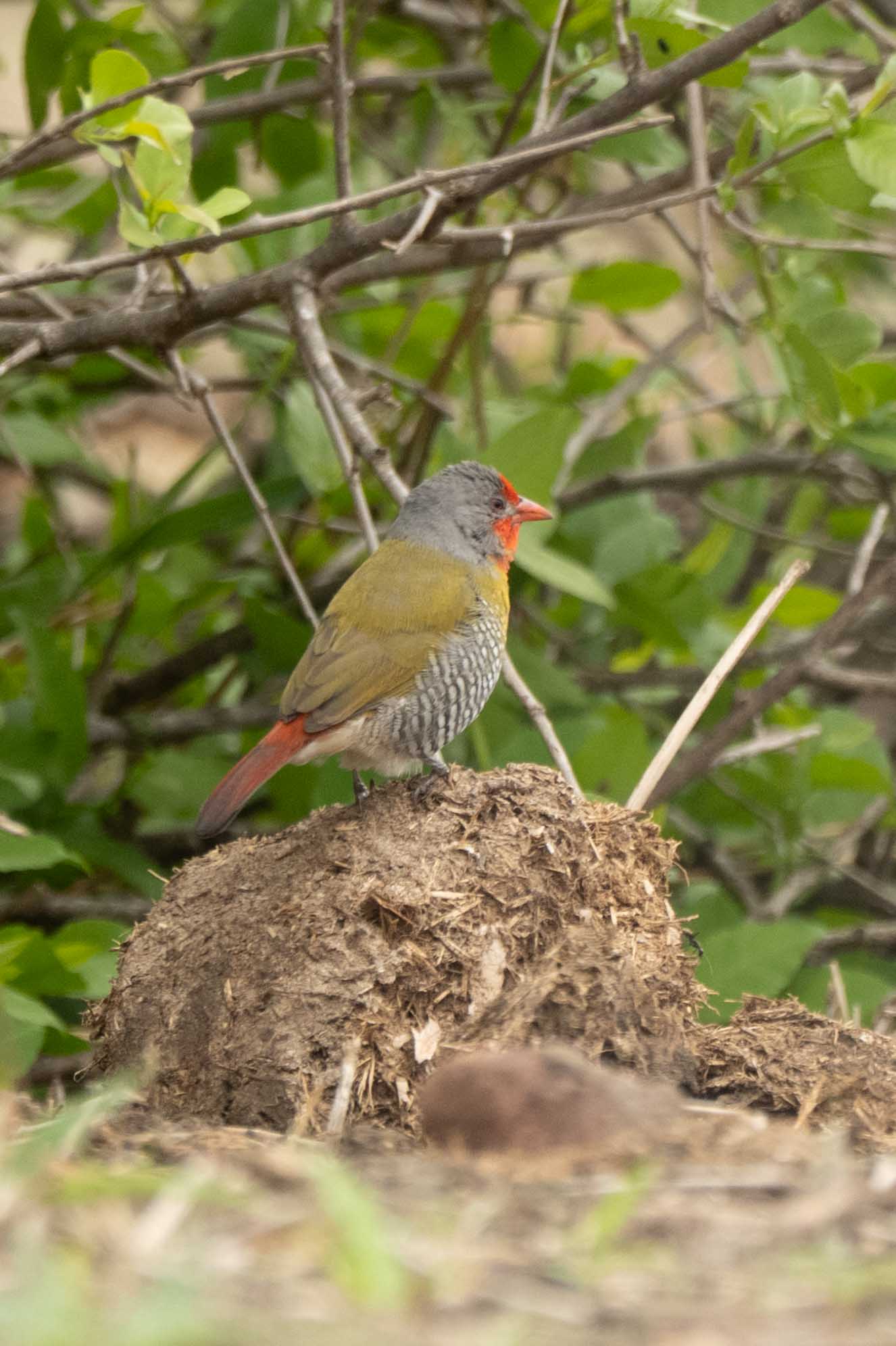
Green-winged Pytilia
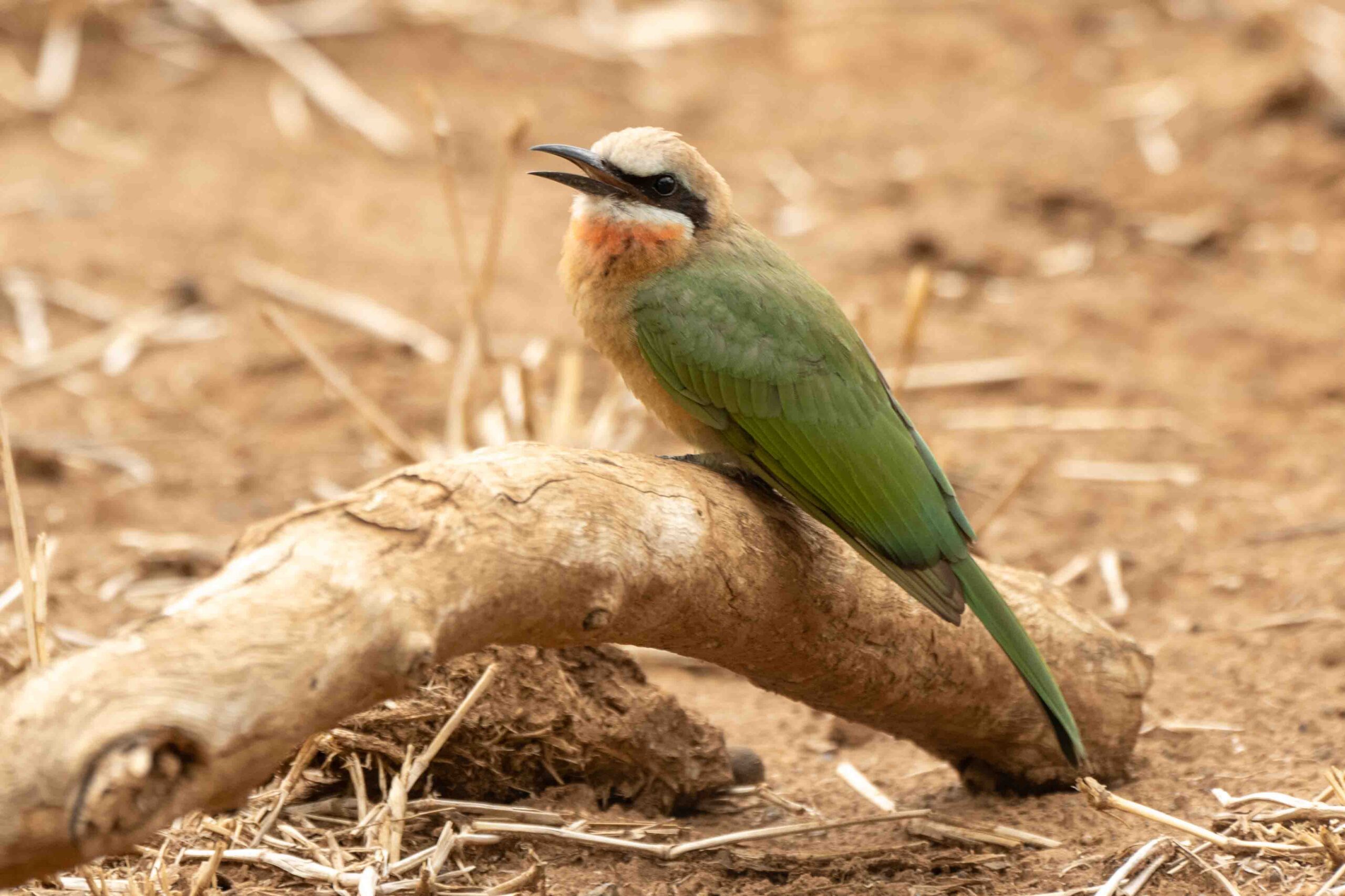
White-fronted Bee-eater
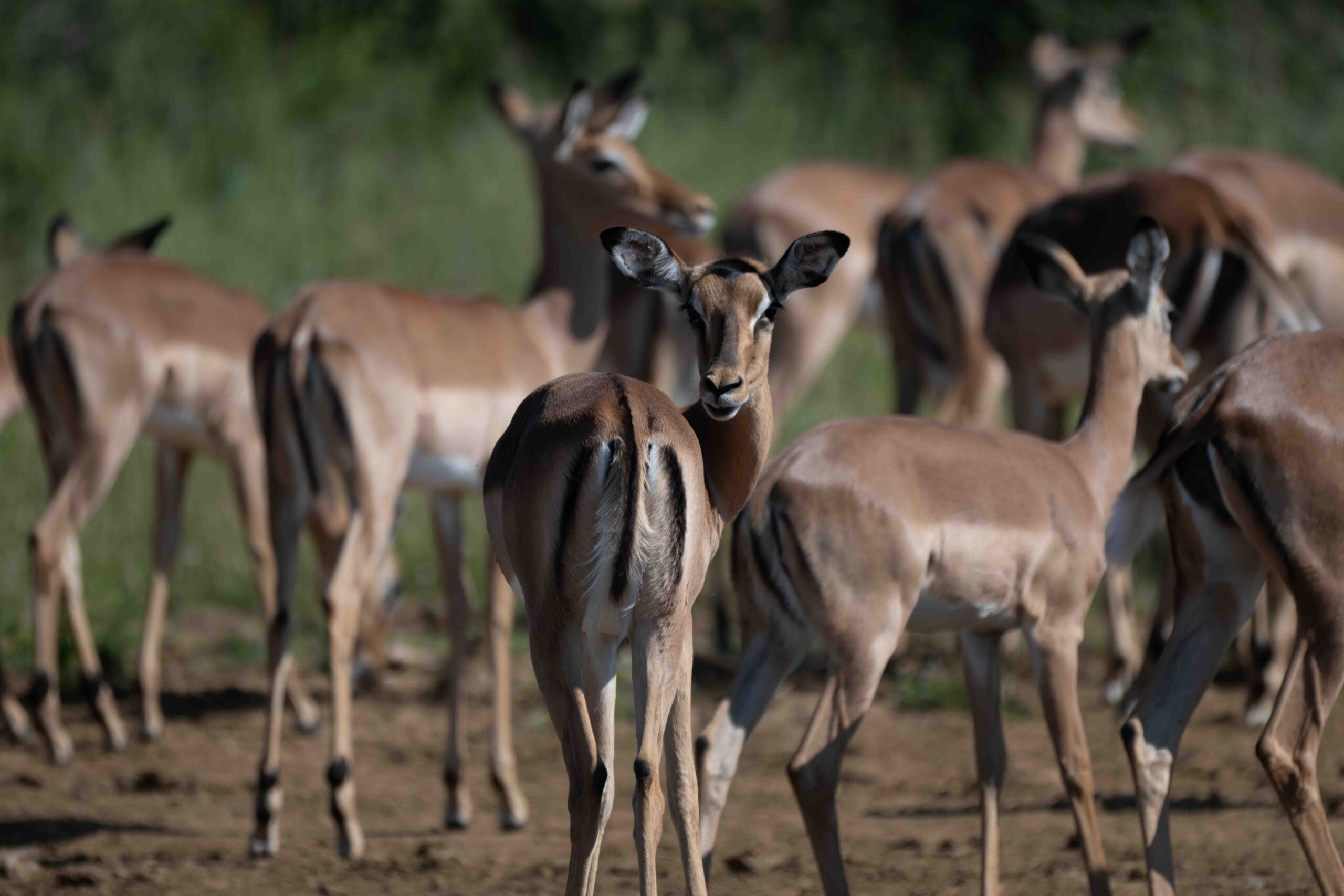
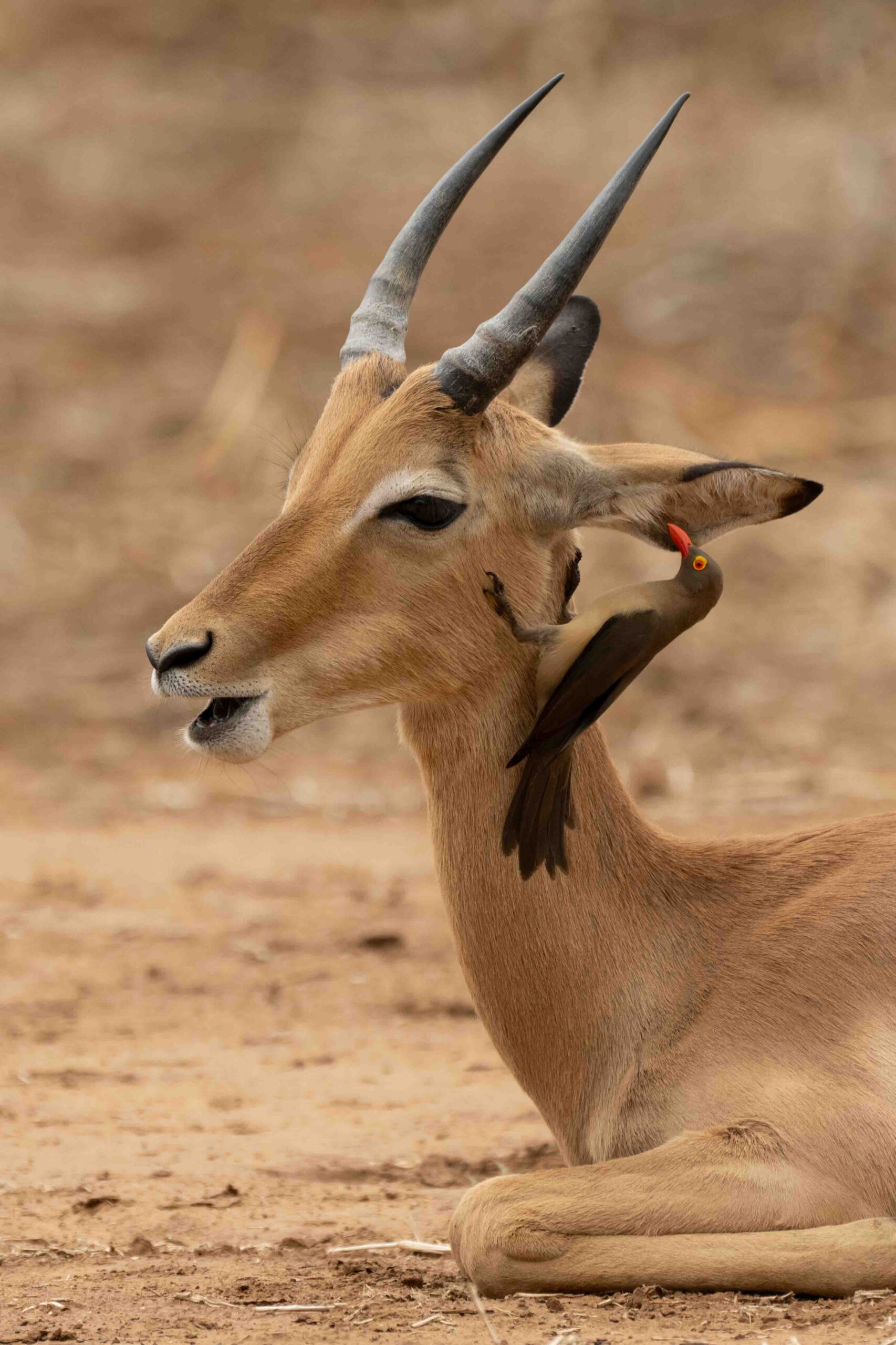
Impala with Red-billed Oxpecker
Crocodile
White-fronted Bee-eater with dragonfly
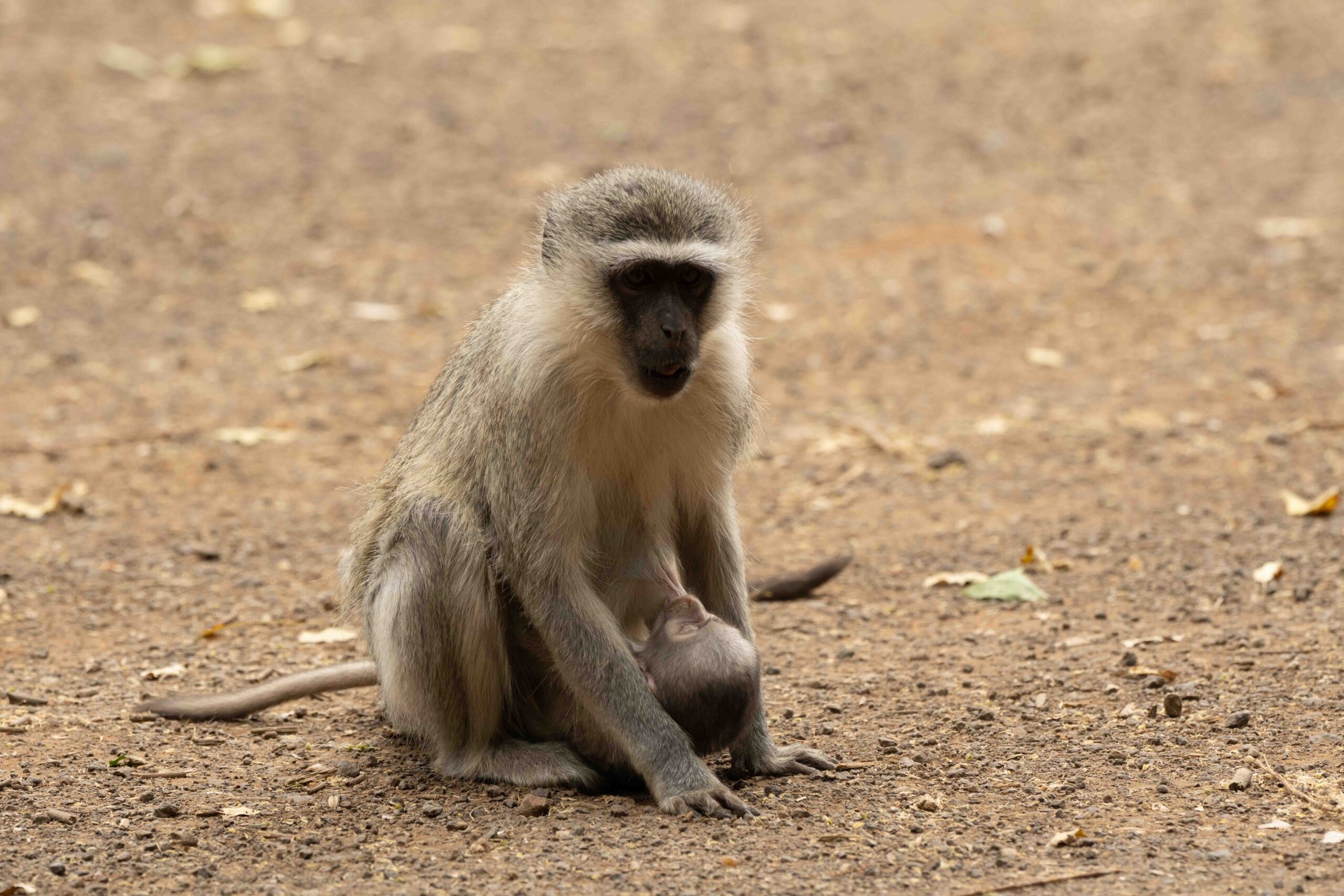
Vervet monkey – that bite looks quite painful!
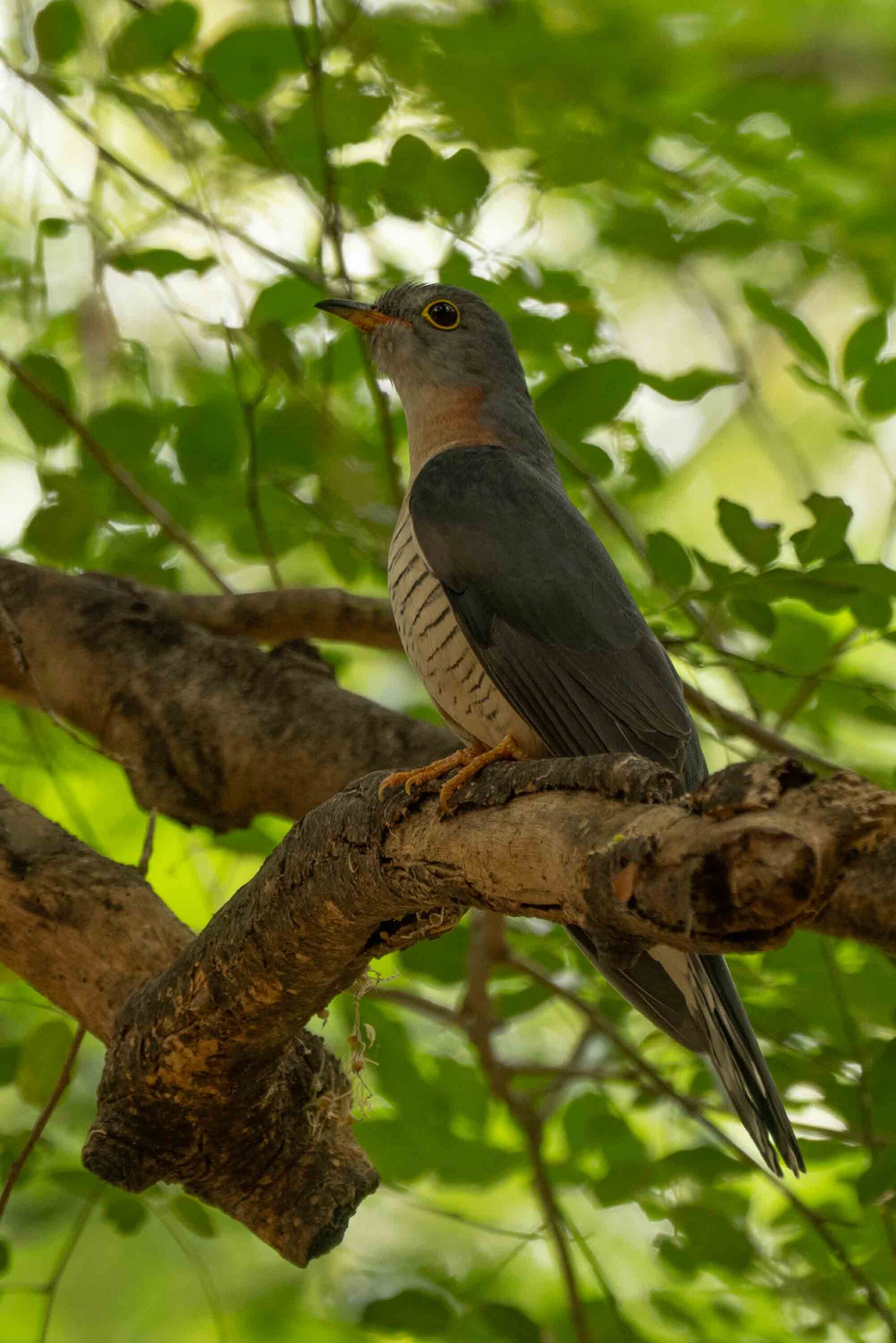
Red-chested Cuckoo
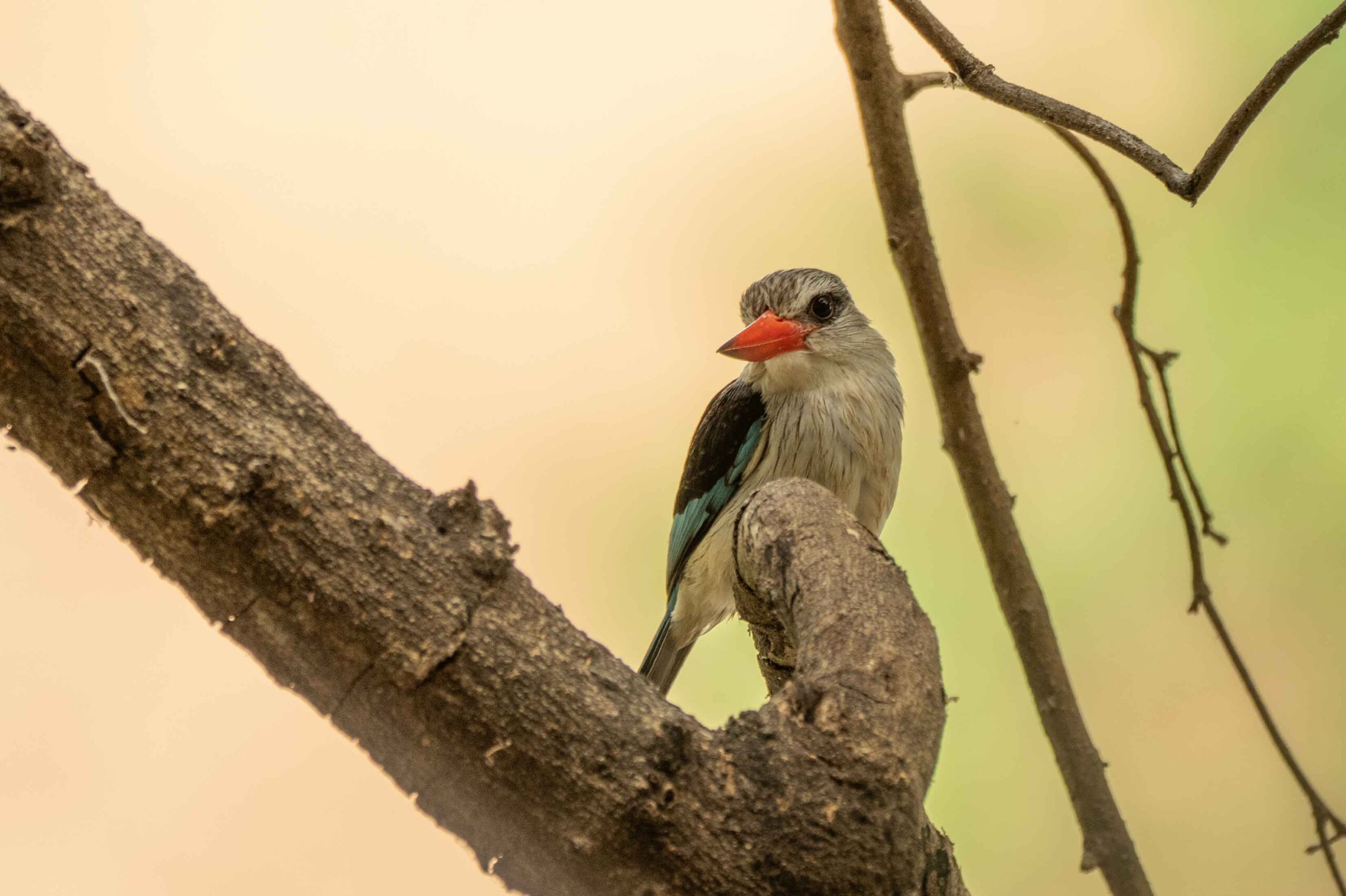
Brown-hooded Kingfisher
African Harrier Hawk
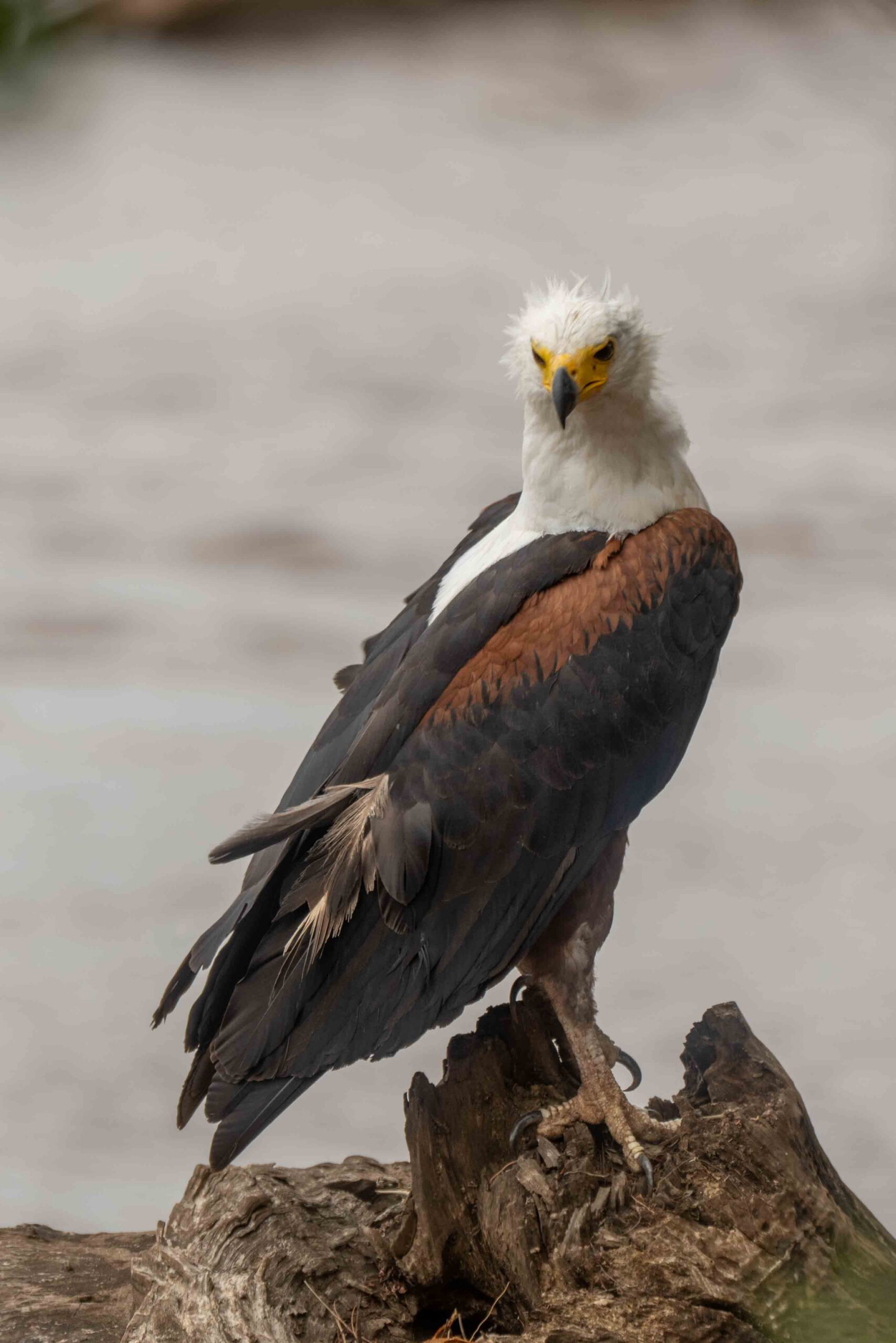
African Fish Eagle
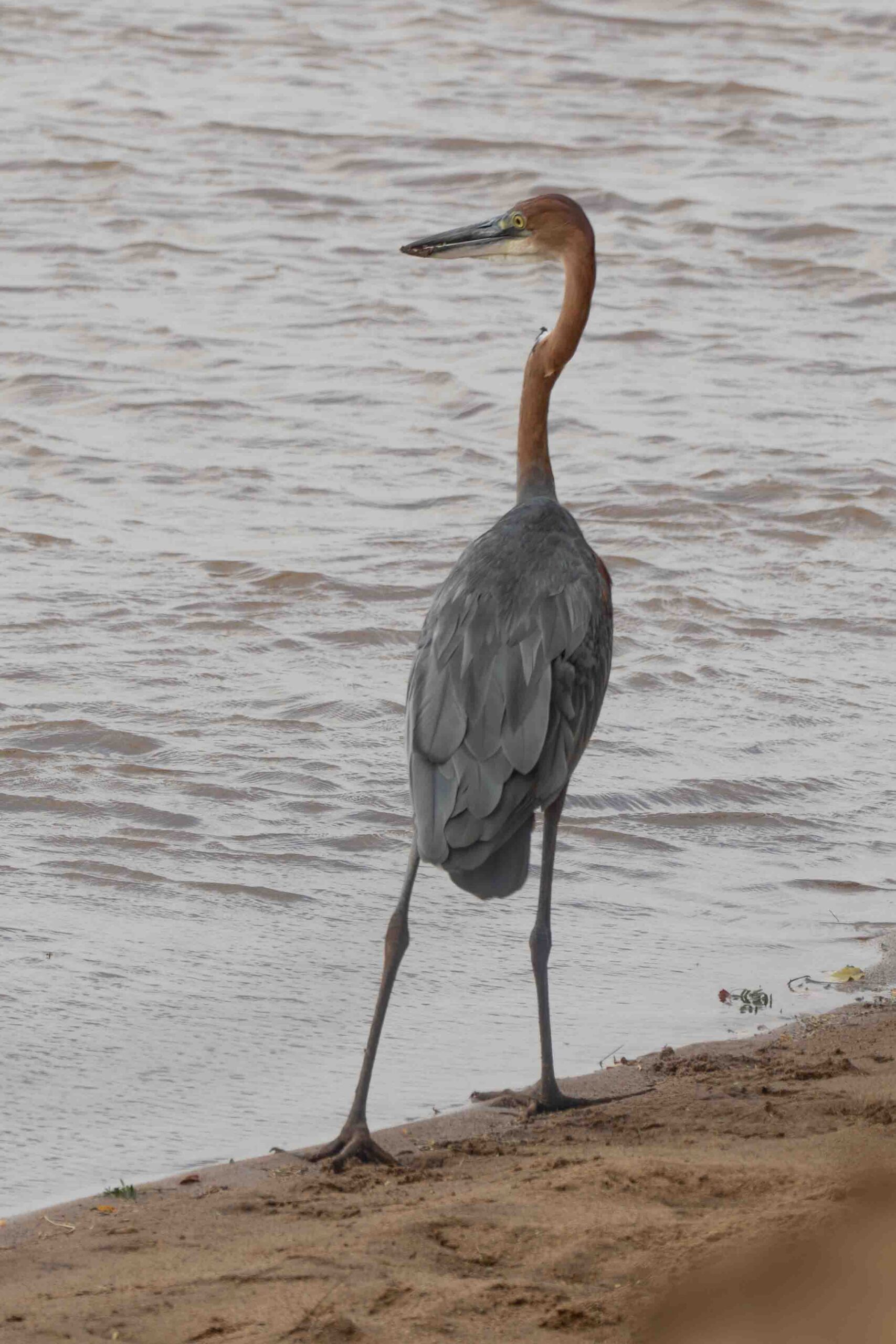
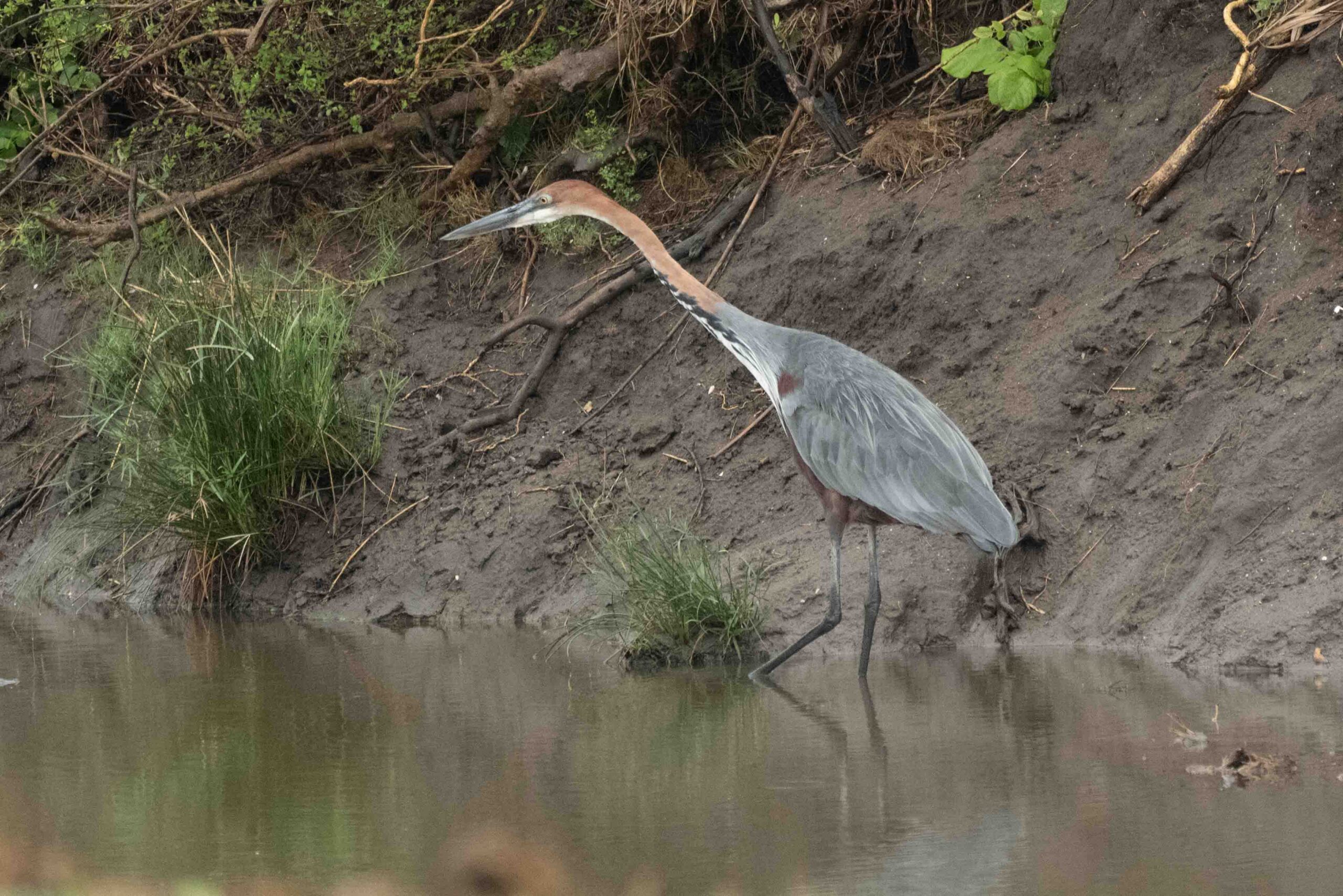
Goliath Heron
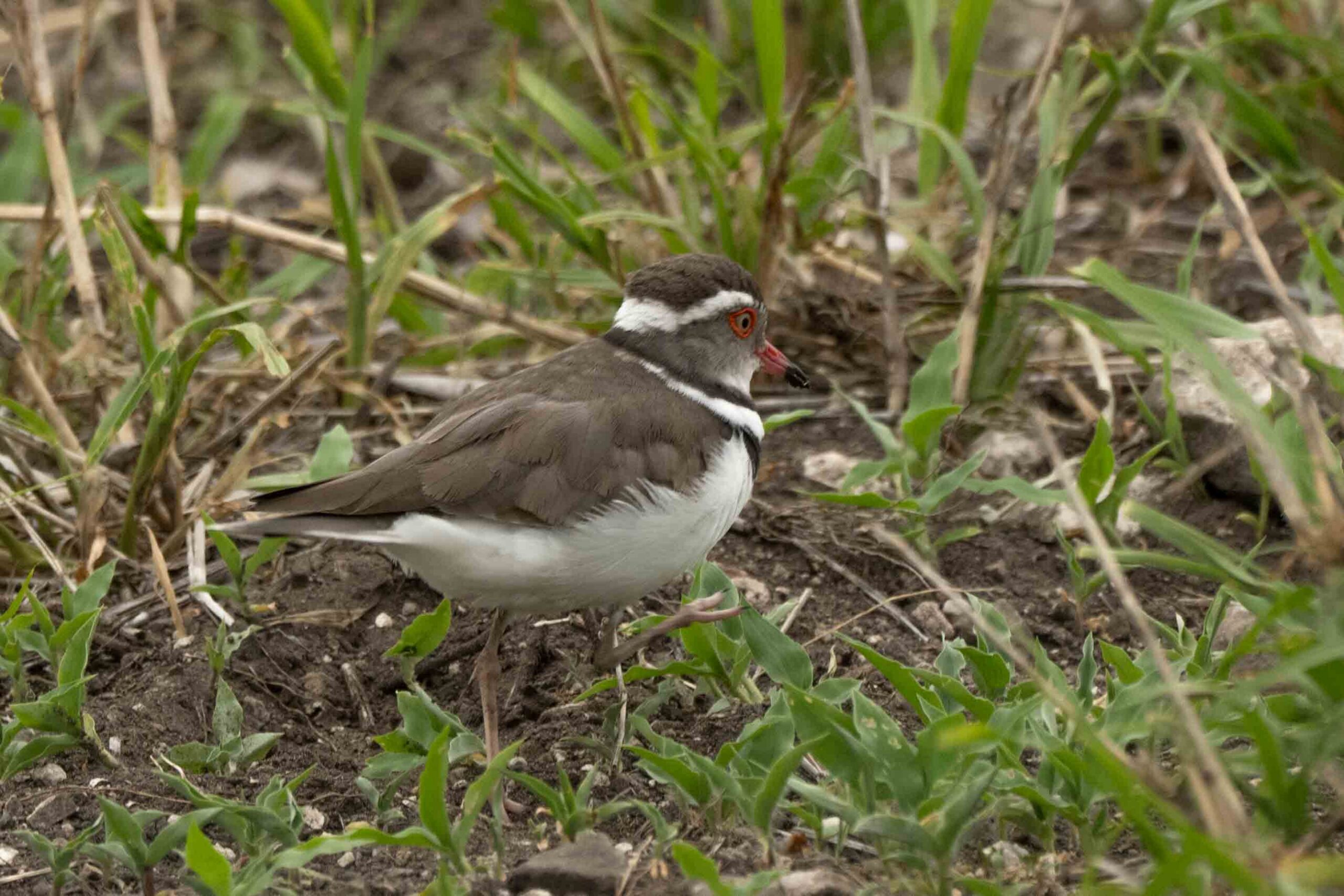
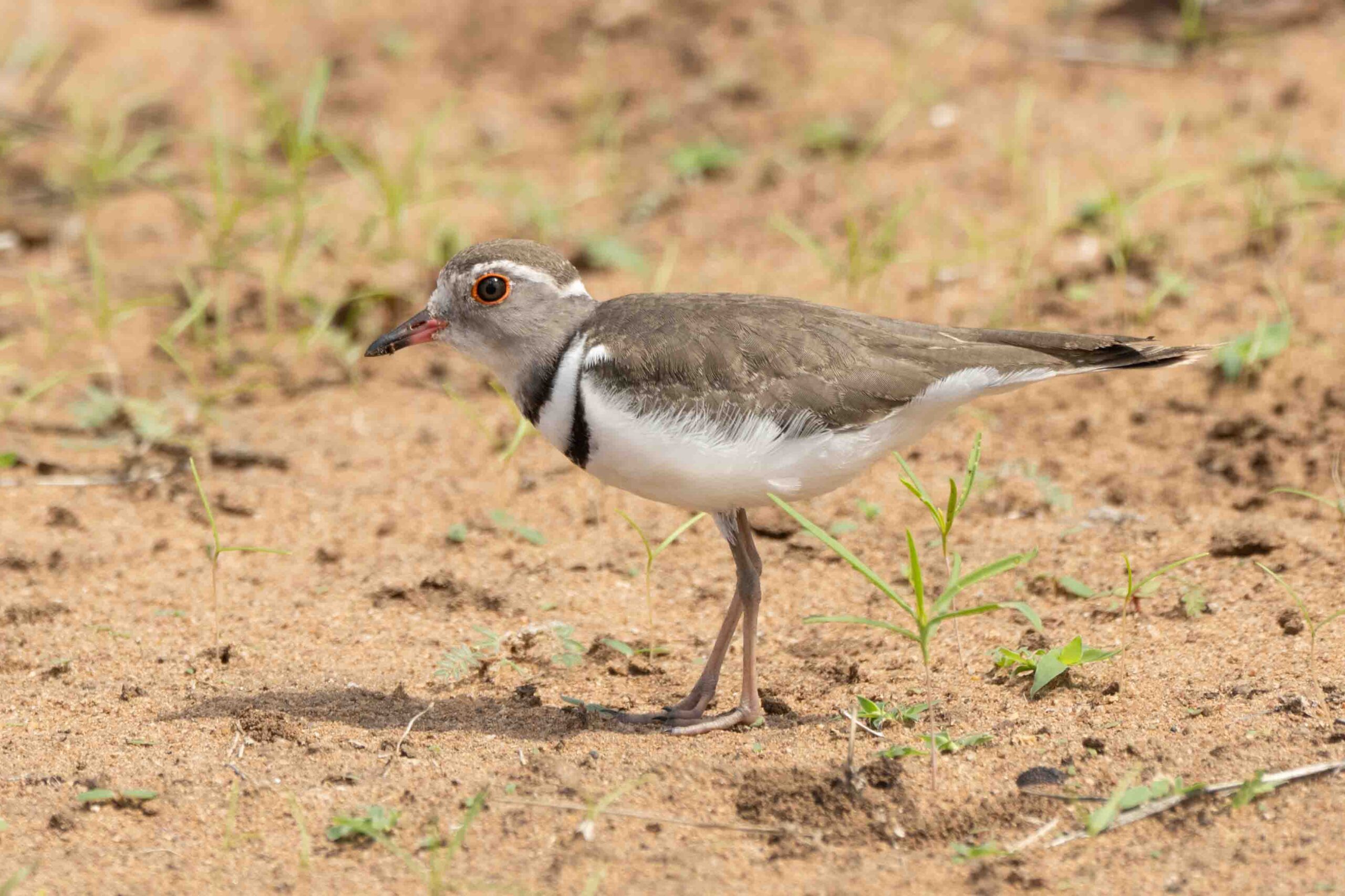
Three-banded Plover
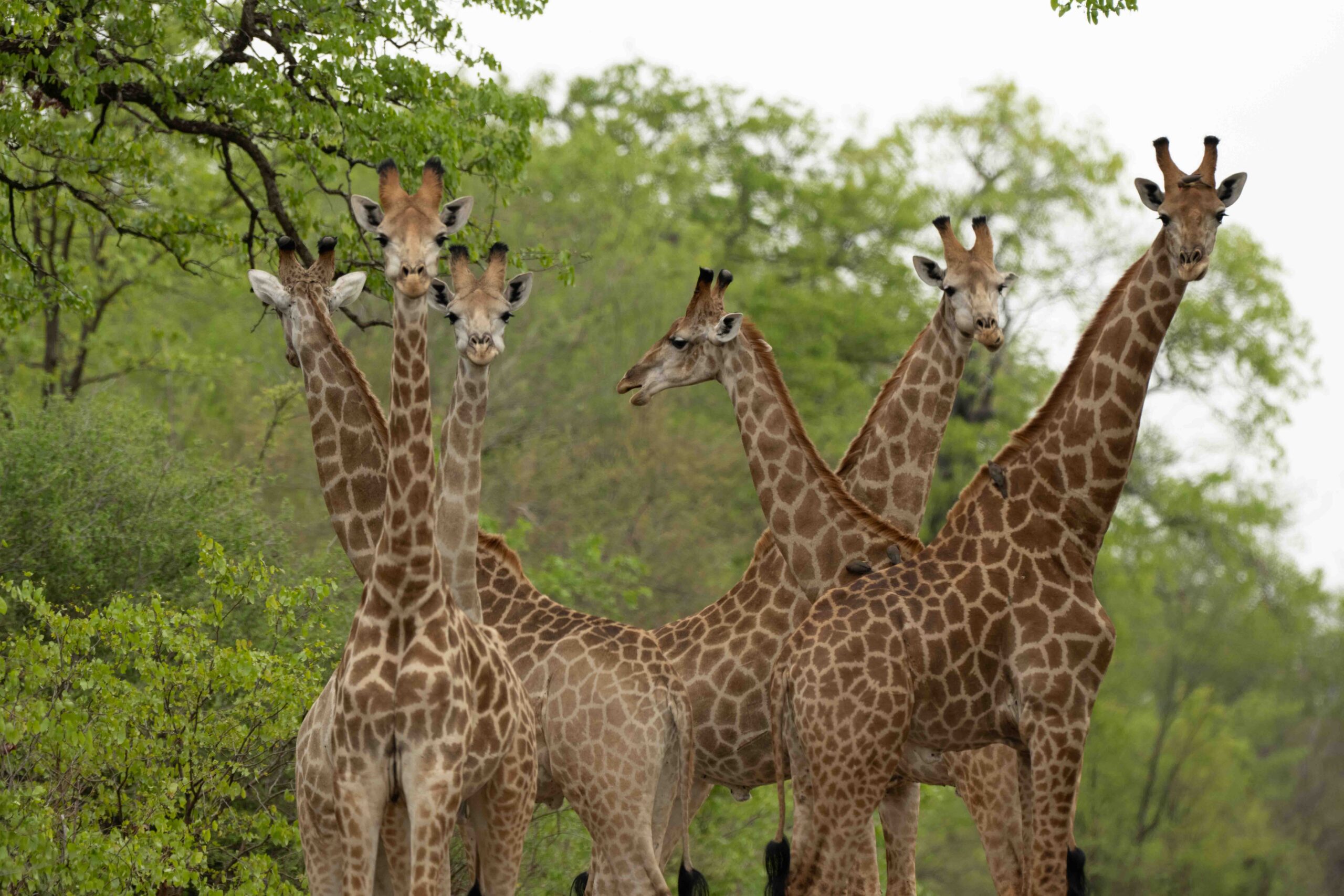
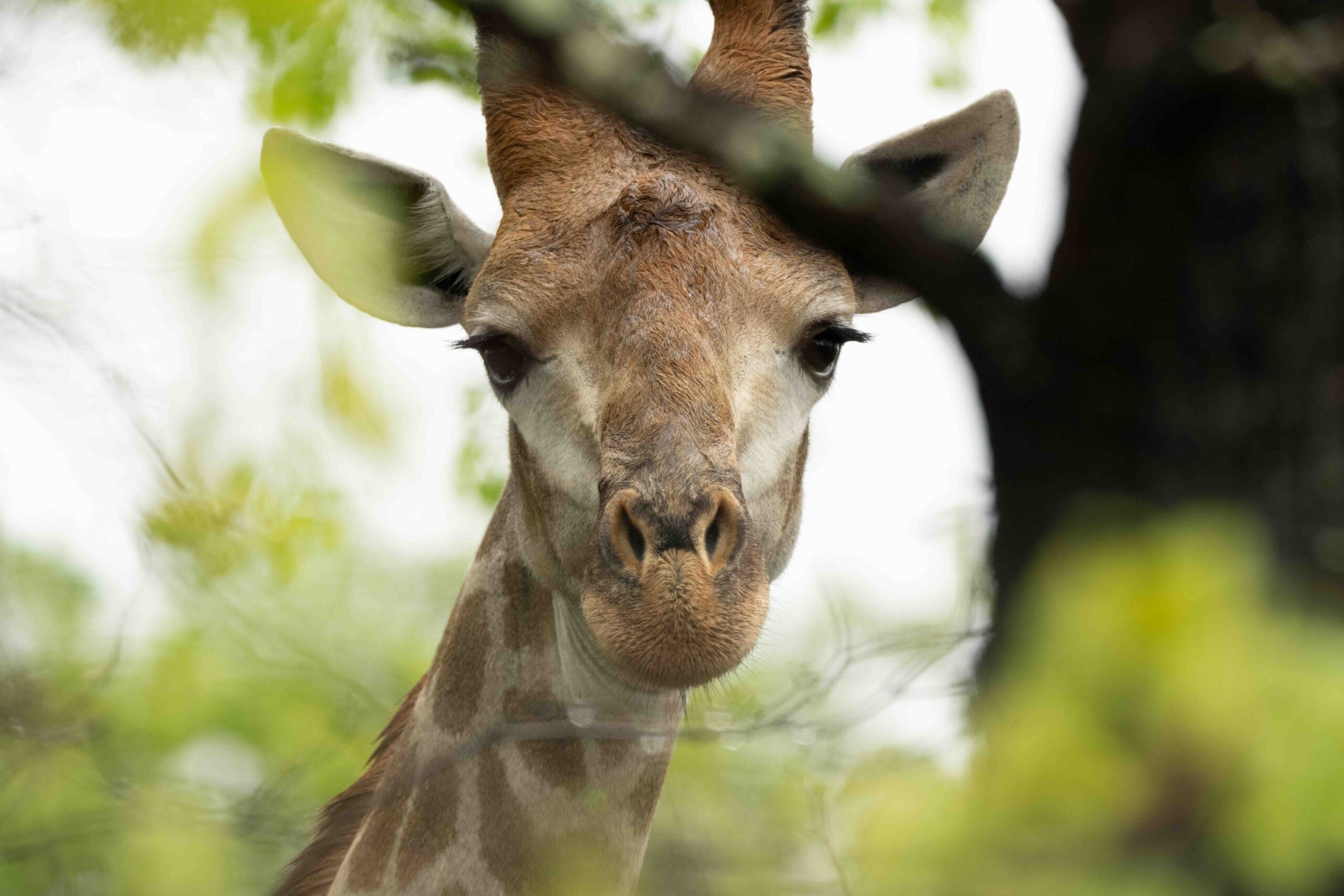
A tower of giraffes
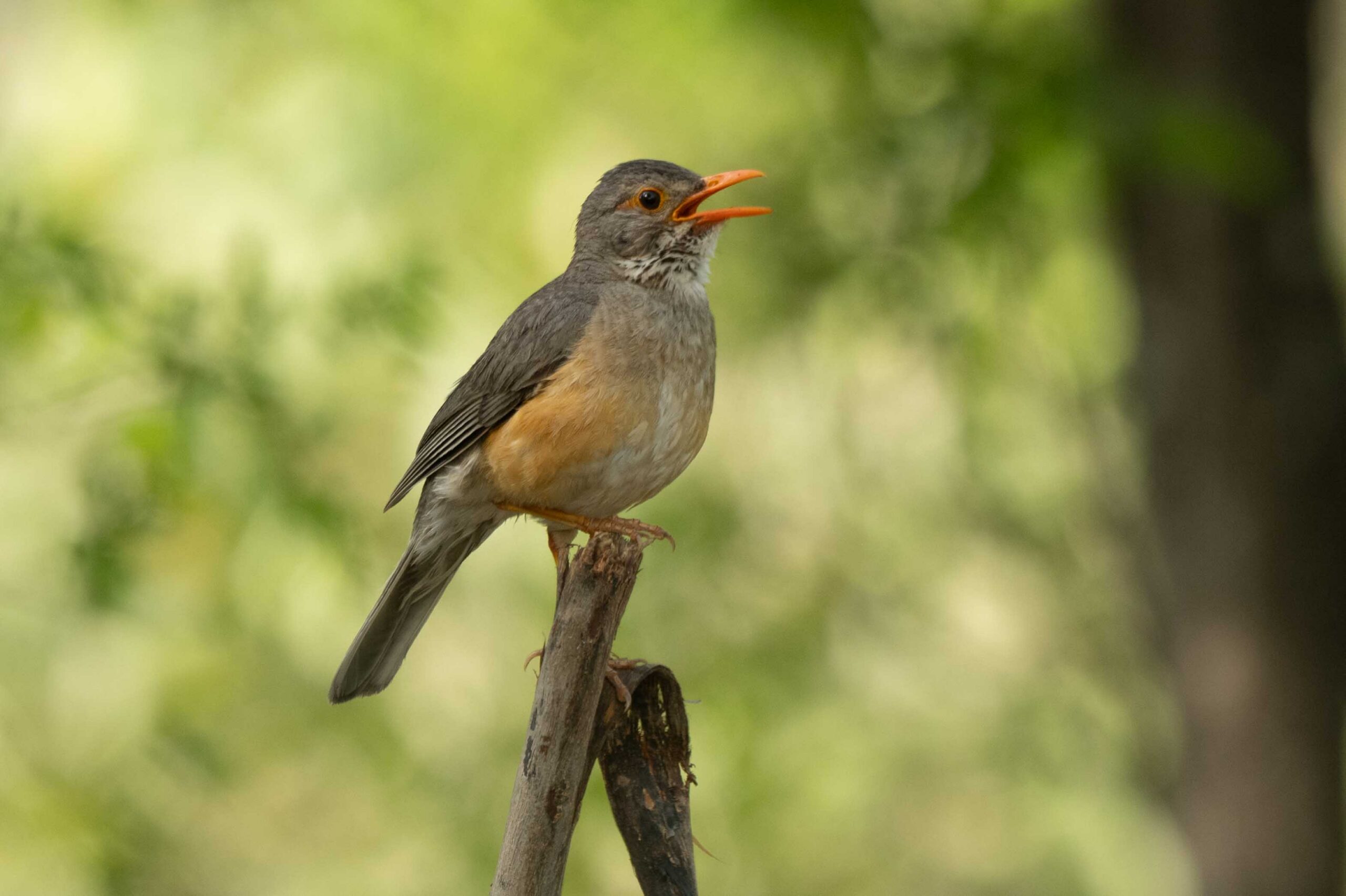
Kurrichane Thrush
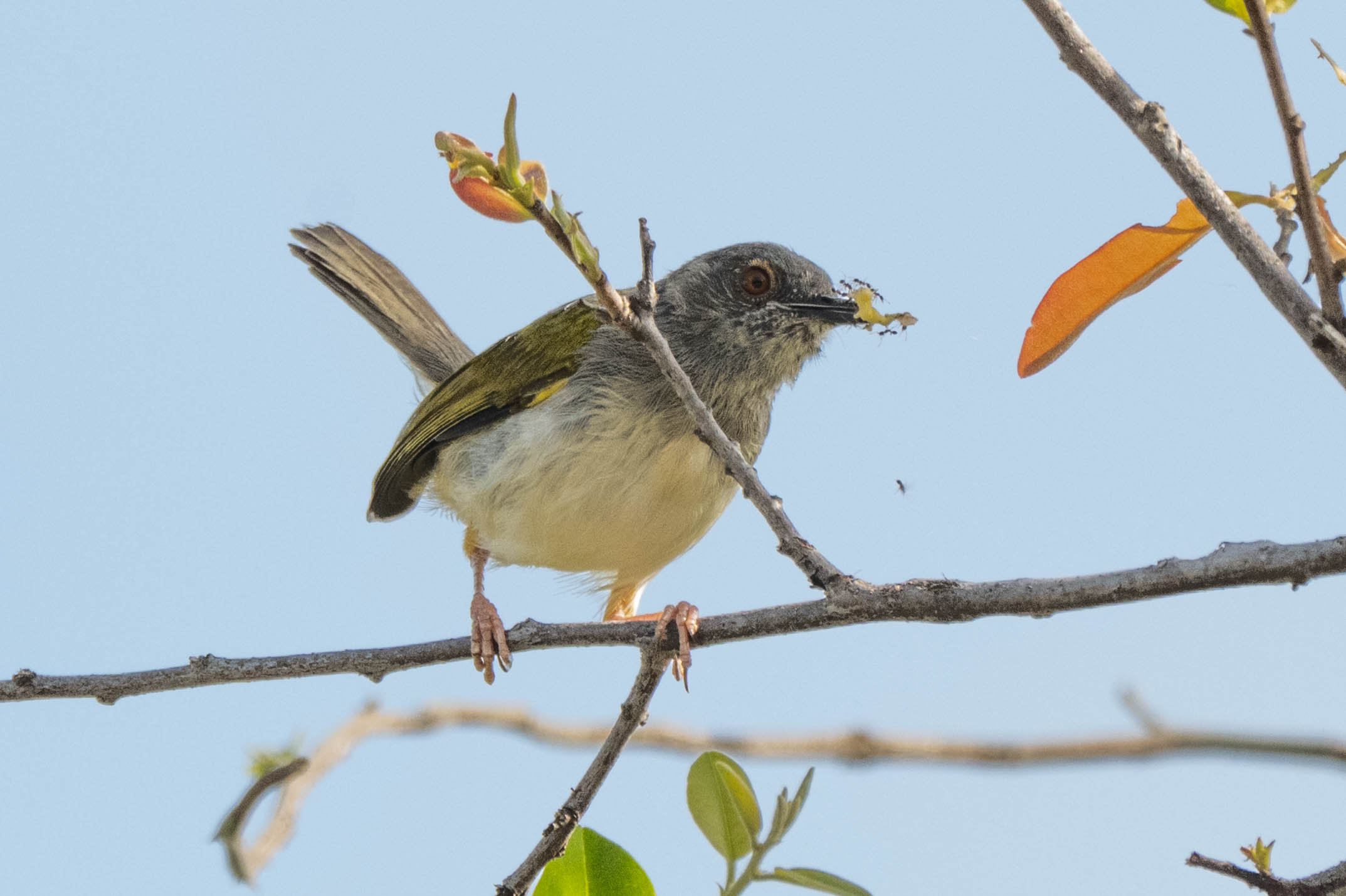
Grey-backed Cameroptera
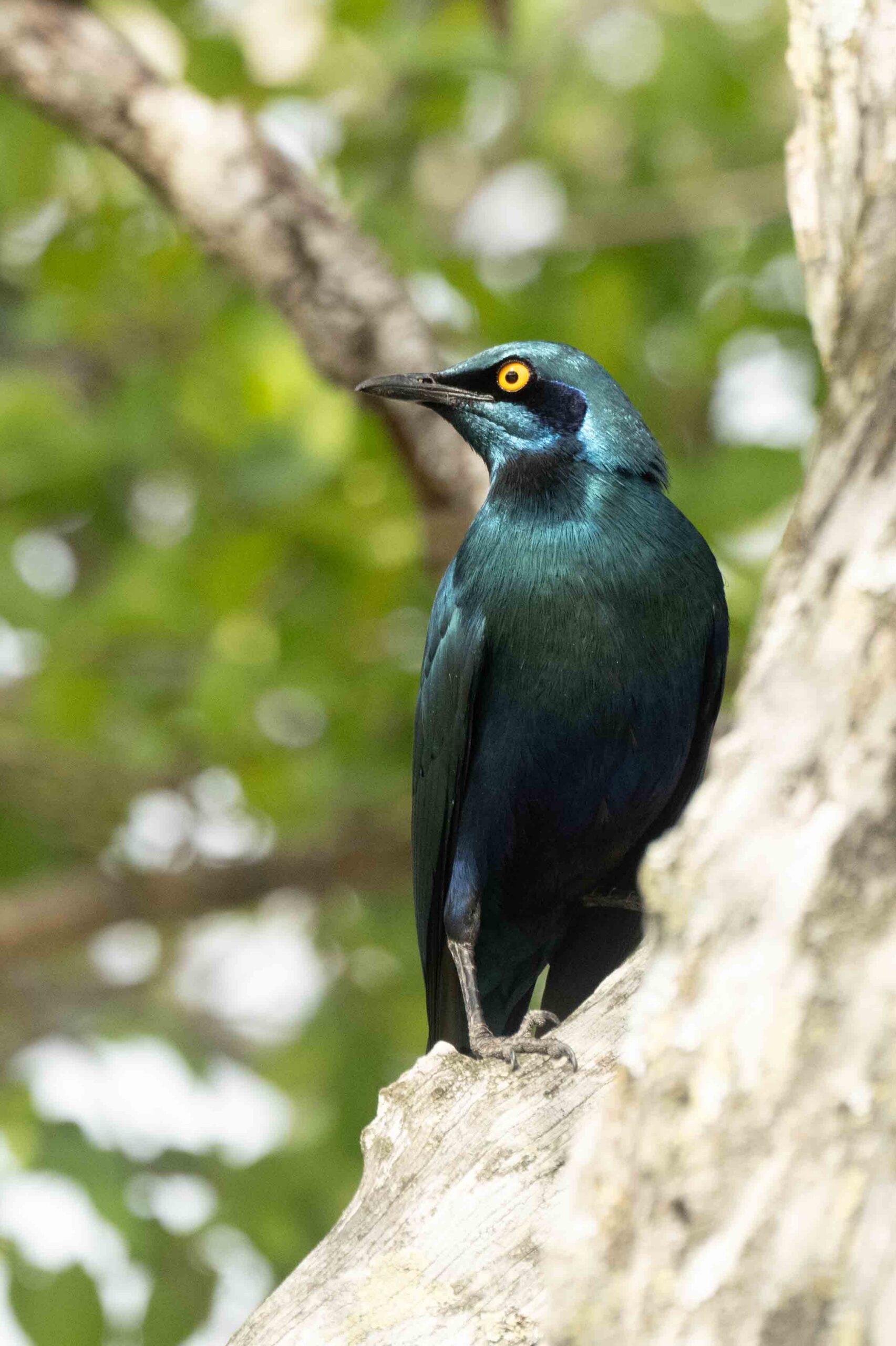
Greater Blue-eared Starling
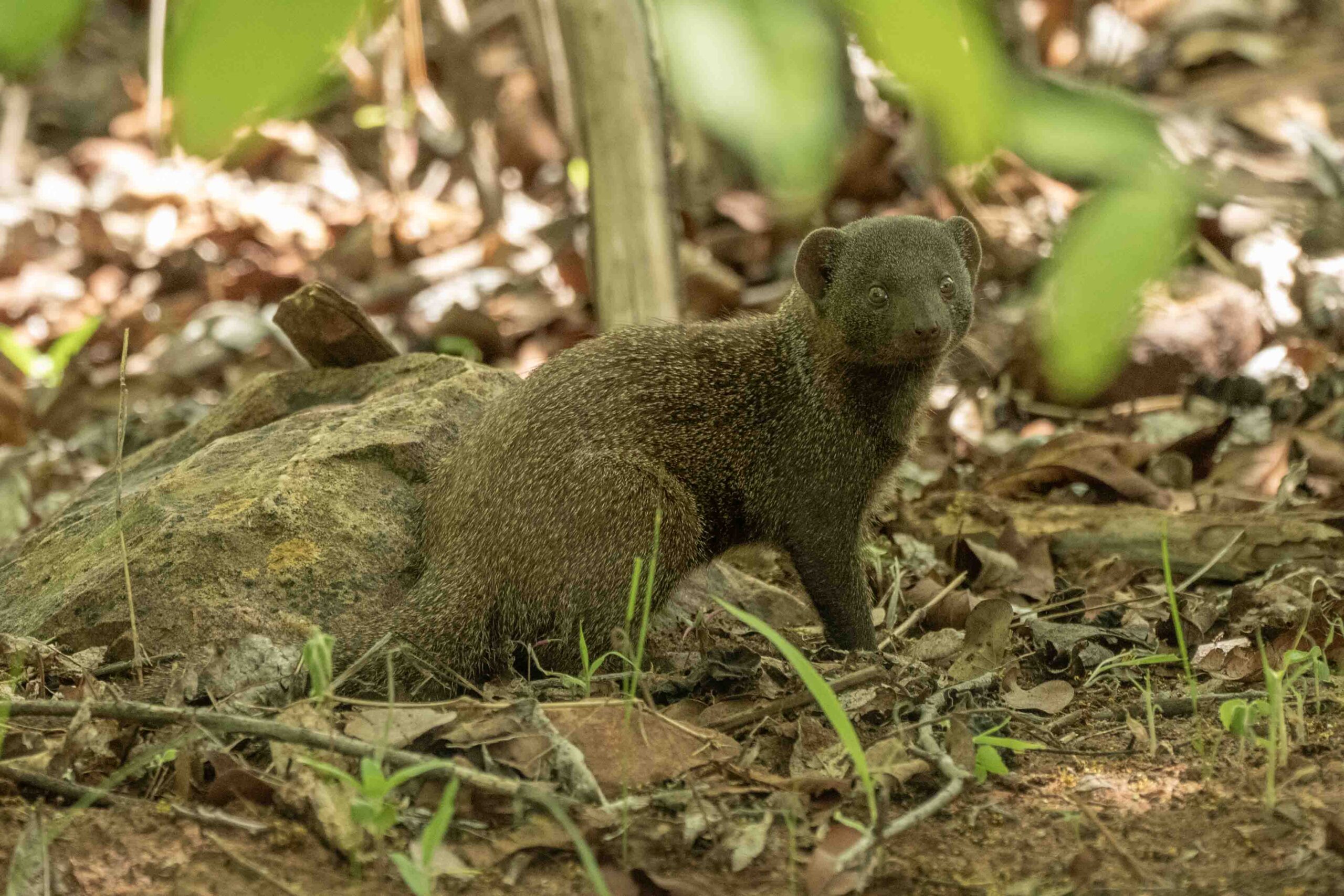
Common Slender Mongoose
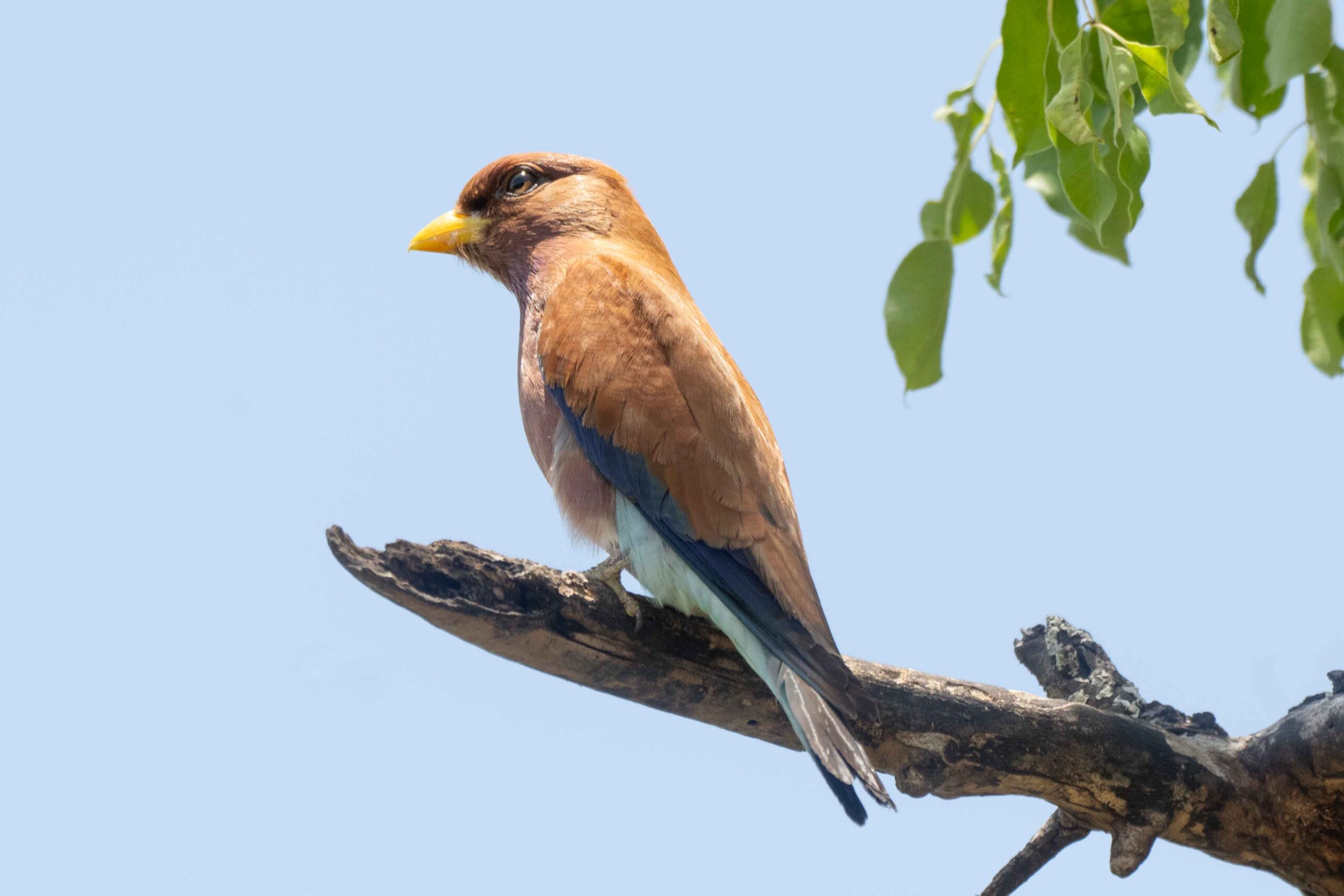
Broad-billed Roller
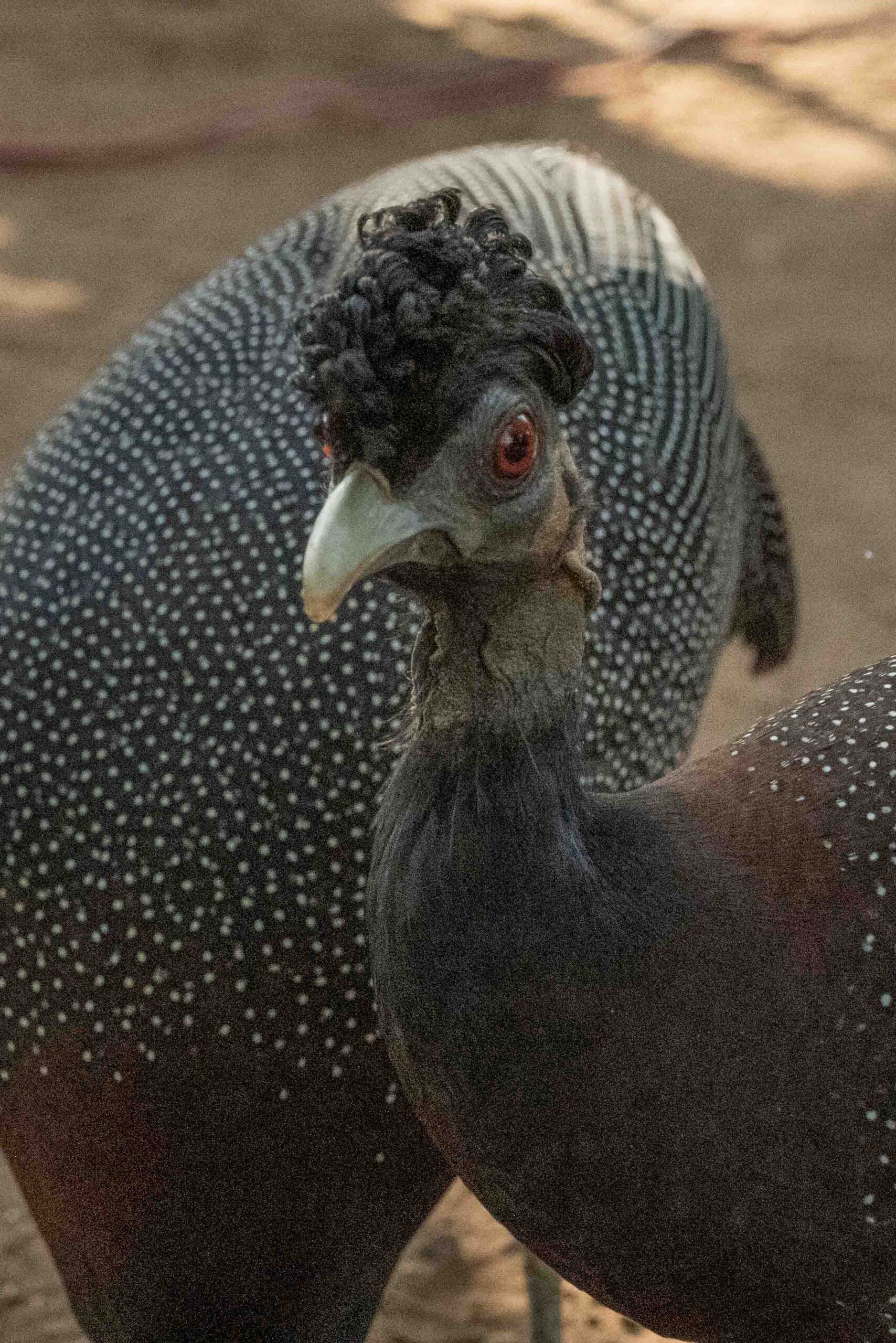
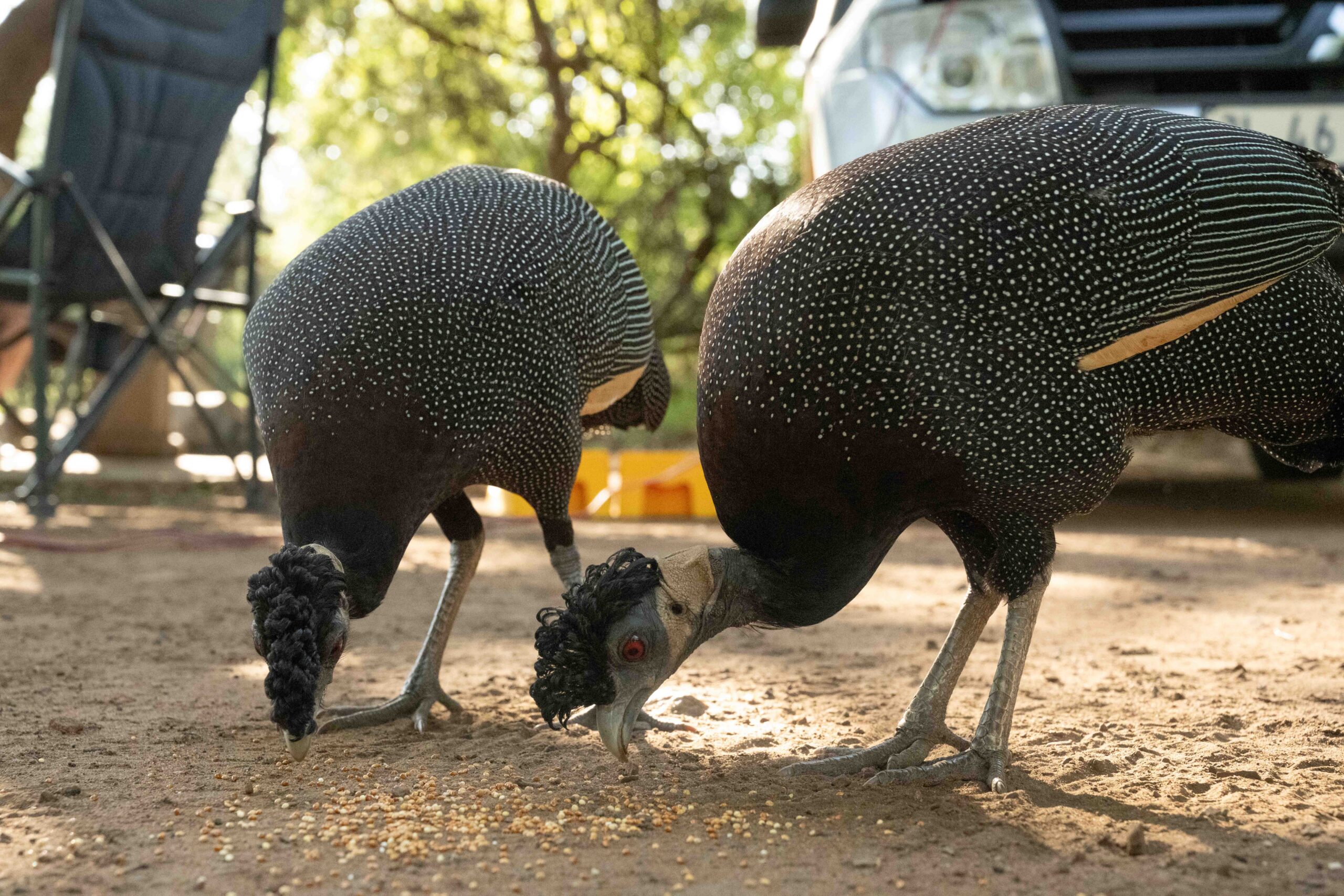
Southern Crested Guineafowl – love the funky hairdo!
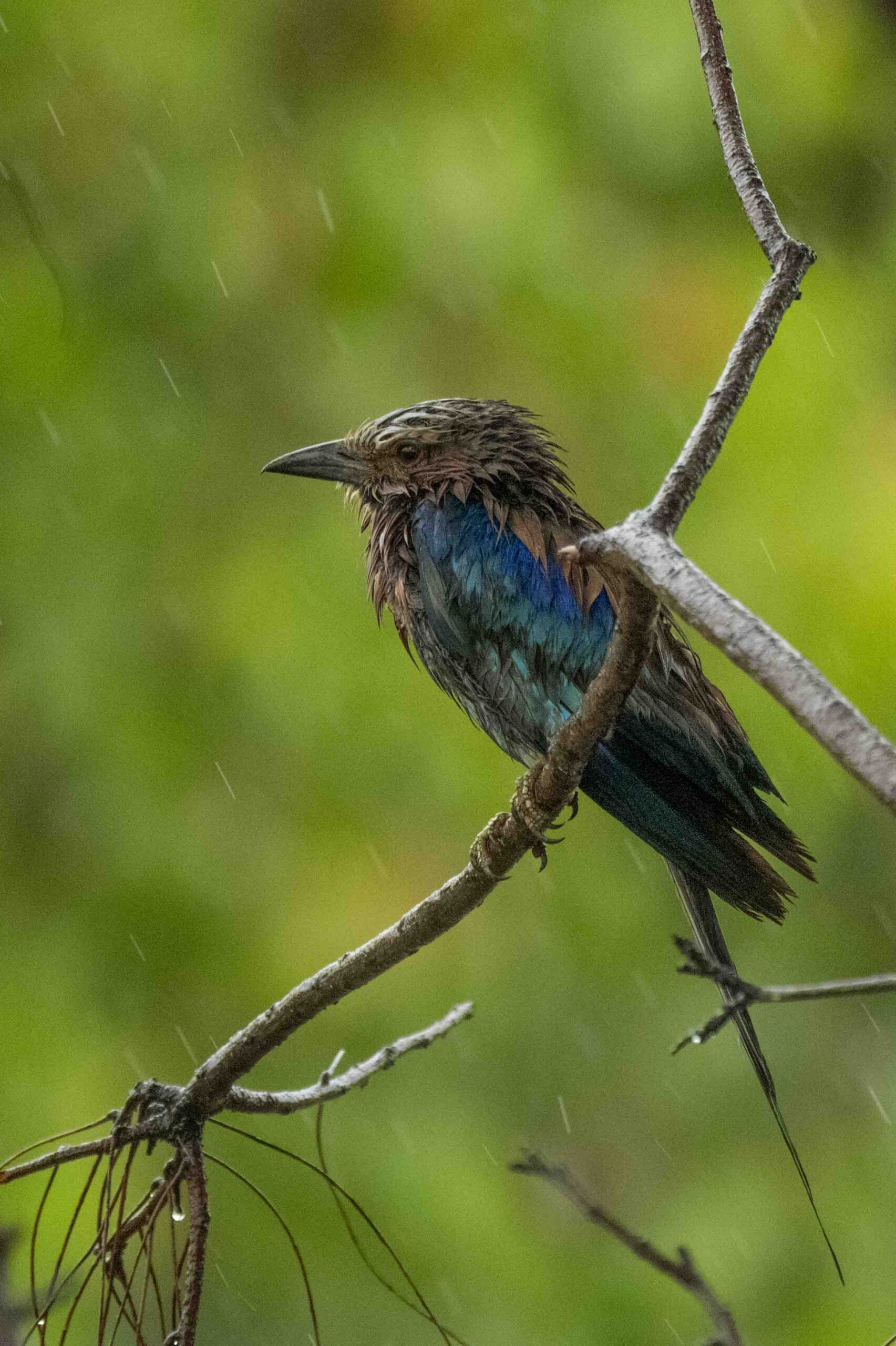
A very sad and soggy Lilac-breasted Roller
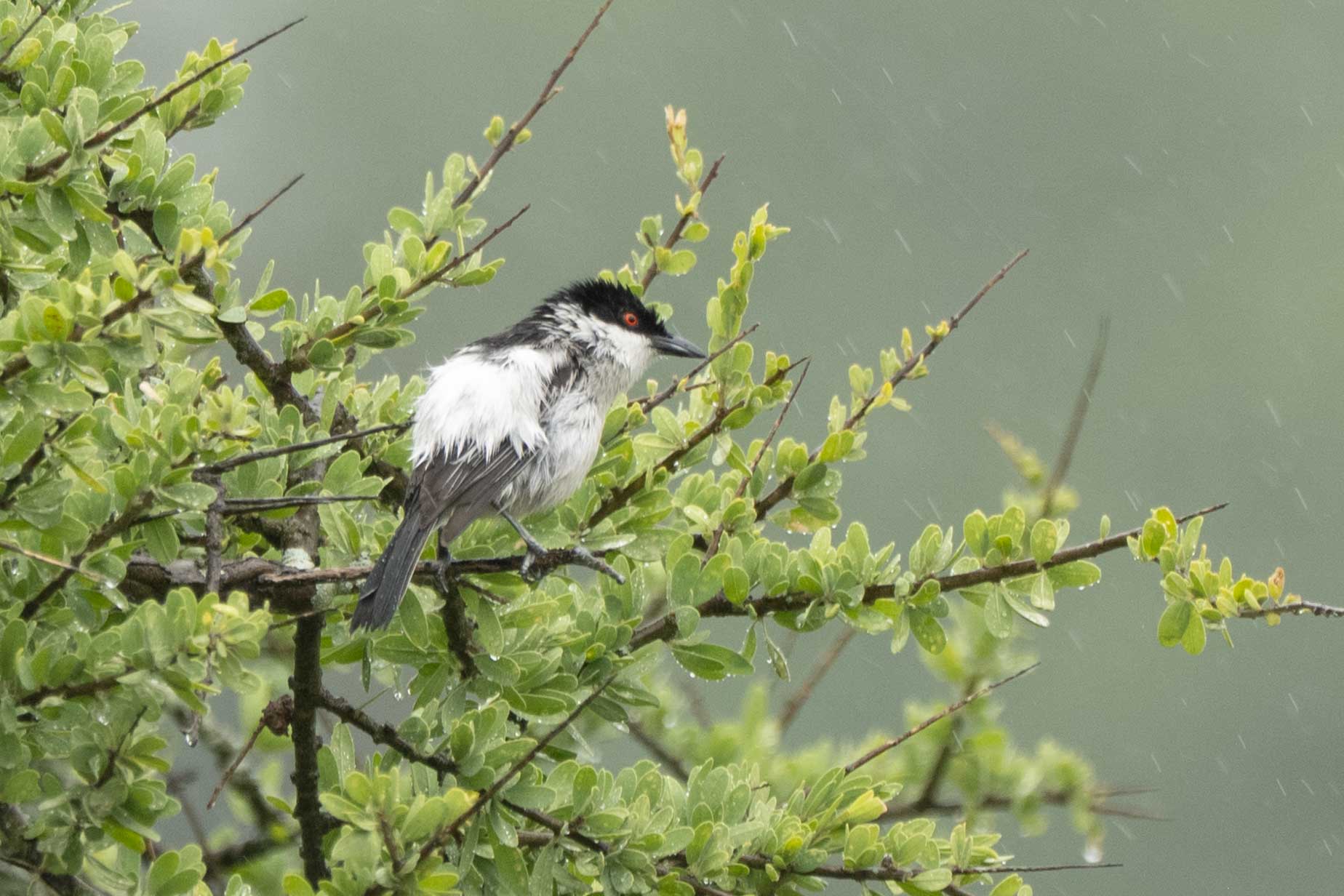
Black-backed Puffback
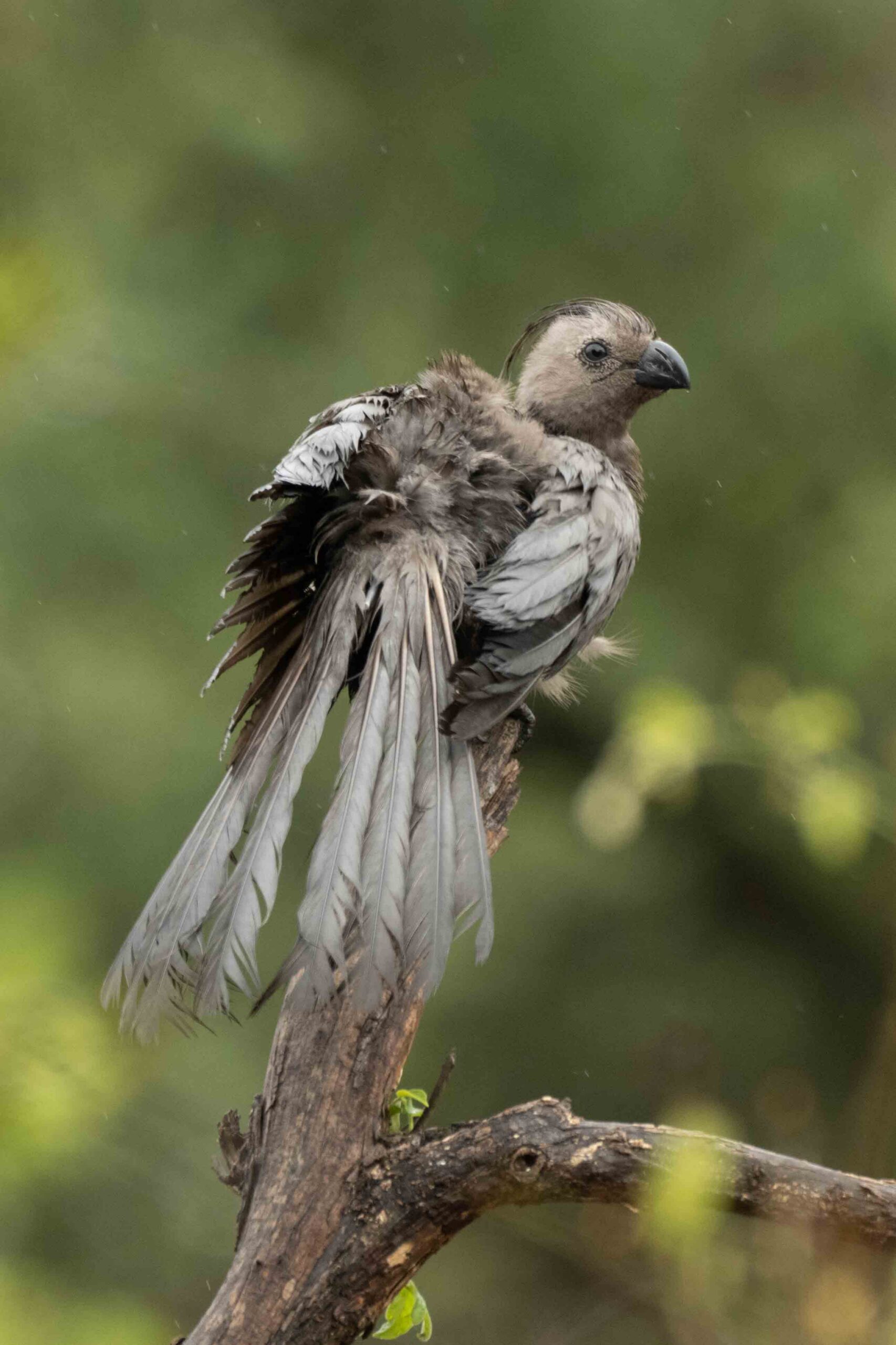
Grey Go-away-bird
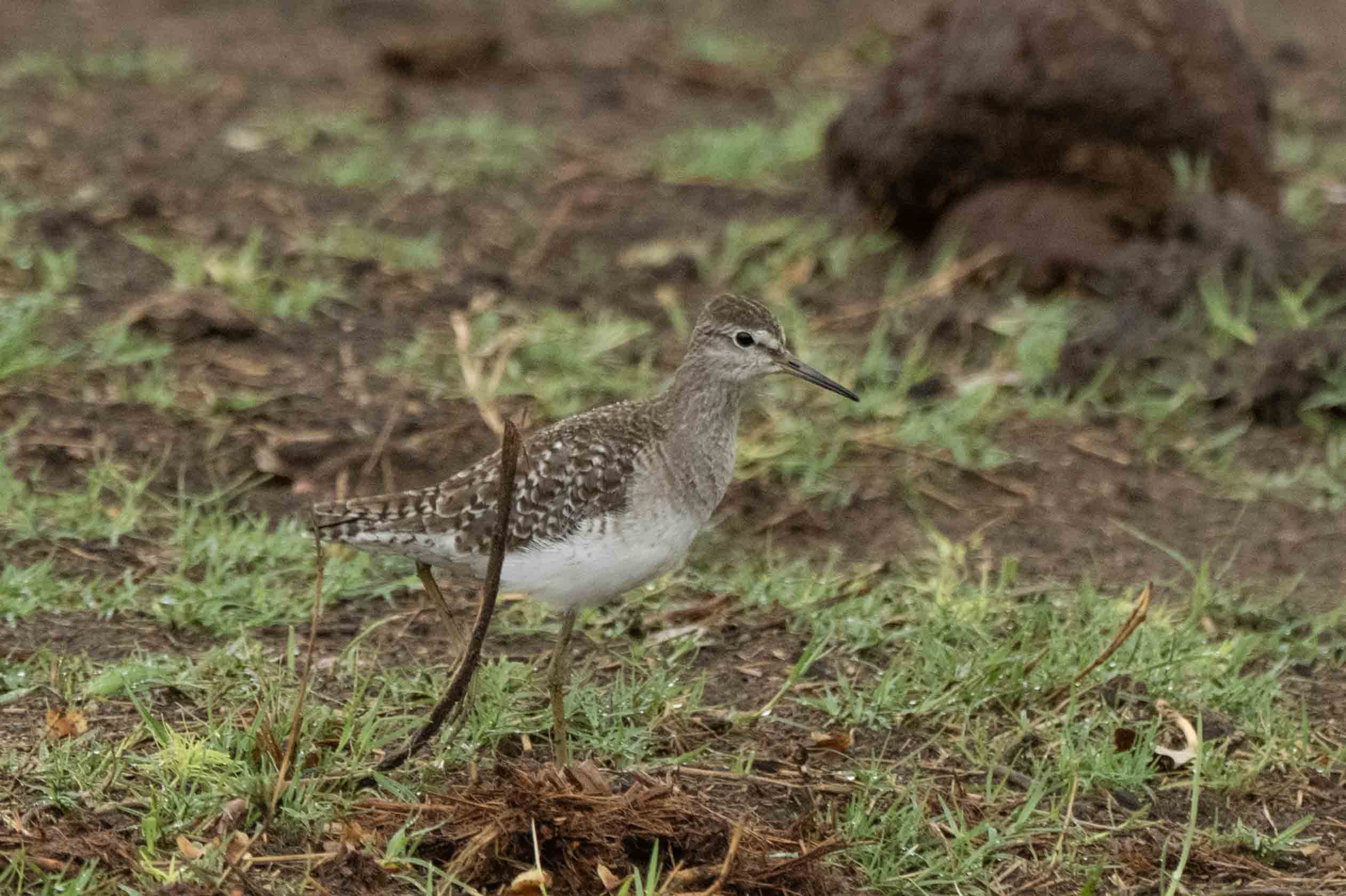
Wood Sandpiper
Goliath Heron
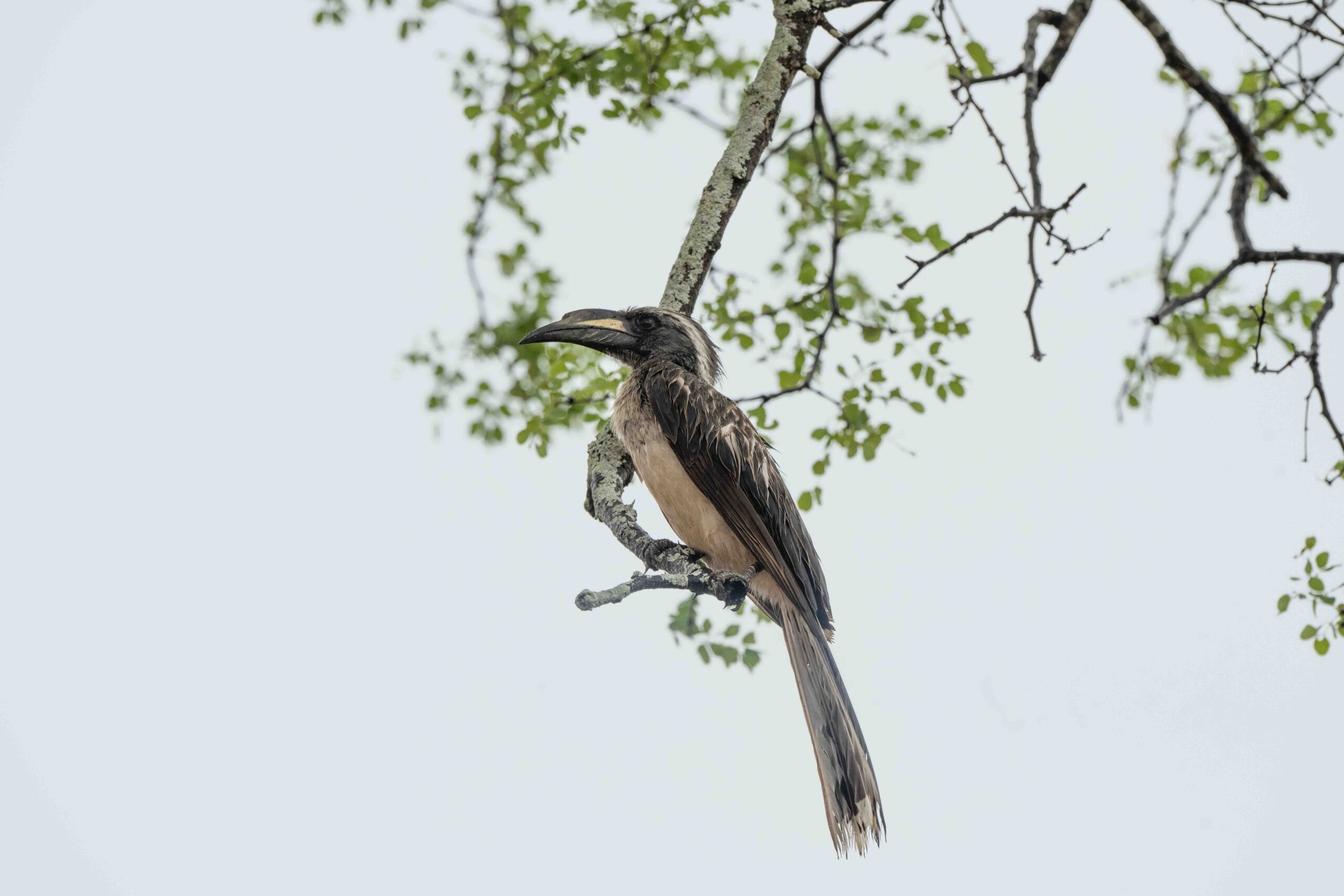
African Grey Hornbill
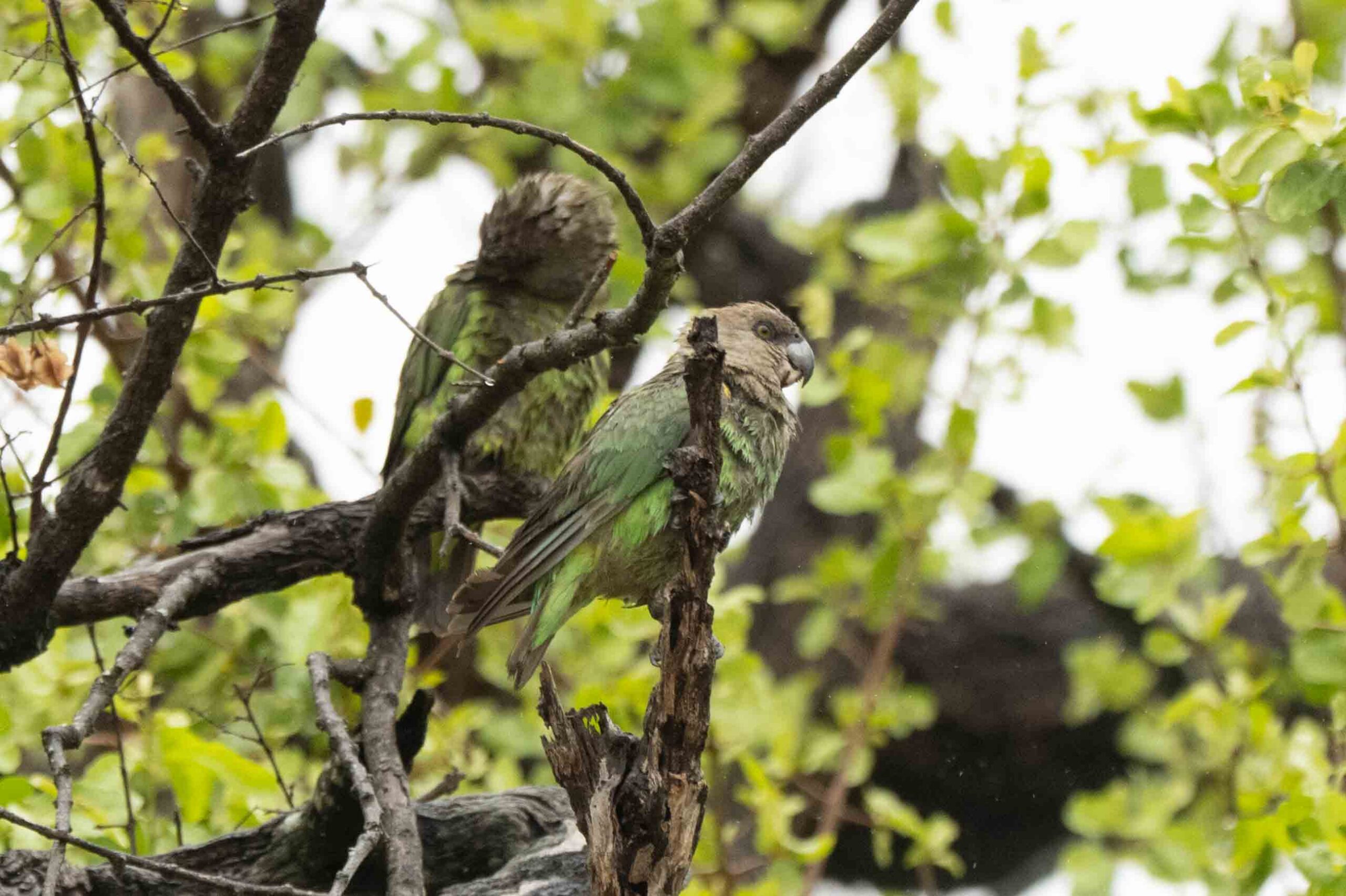
Brown-headed Parrot
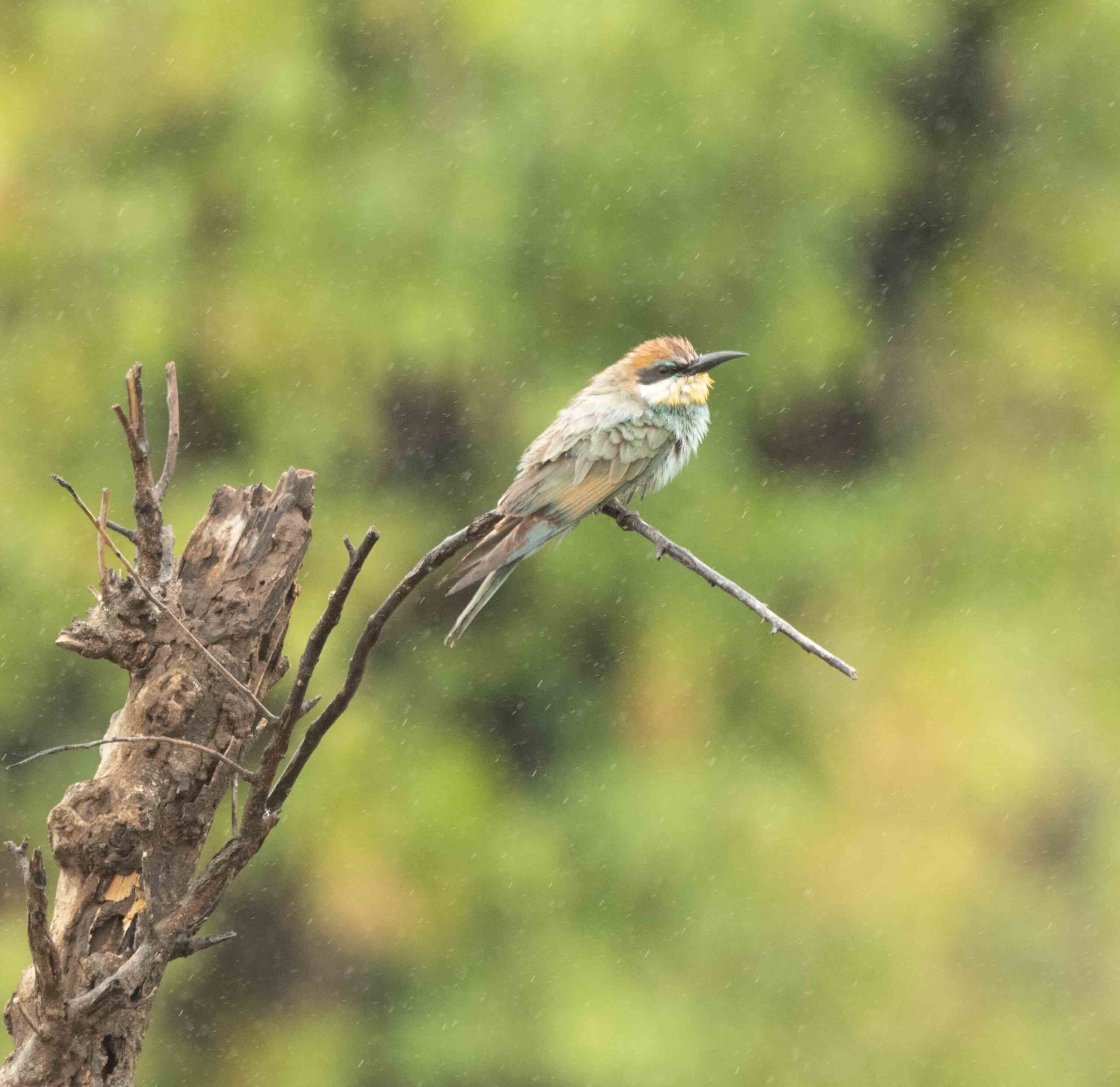
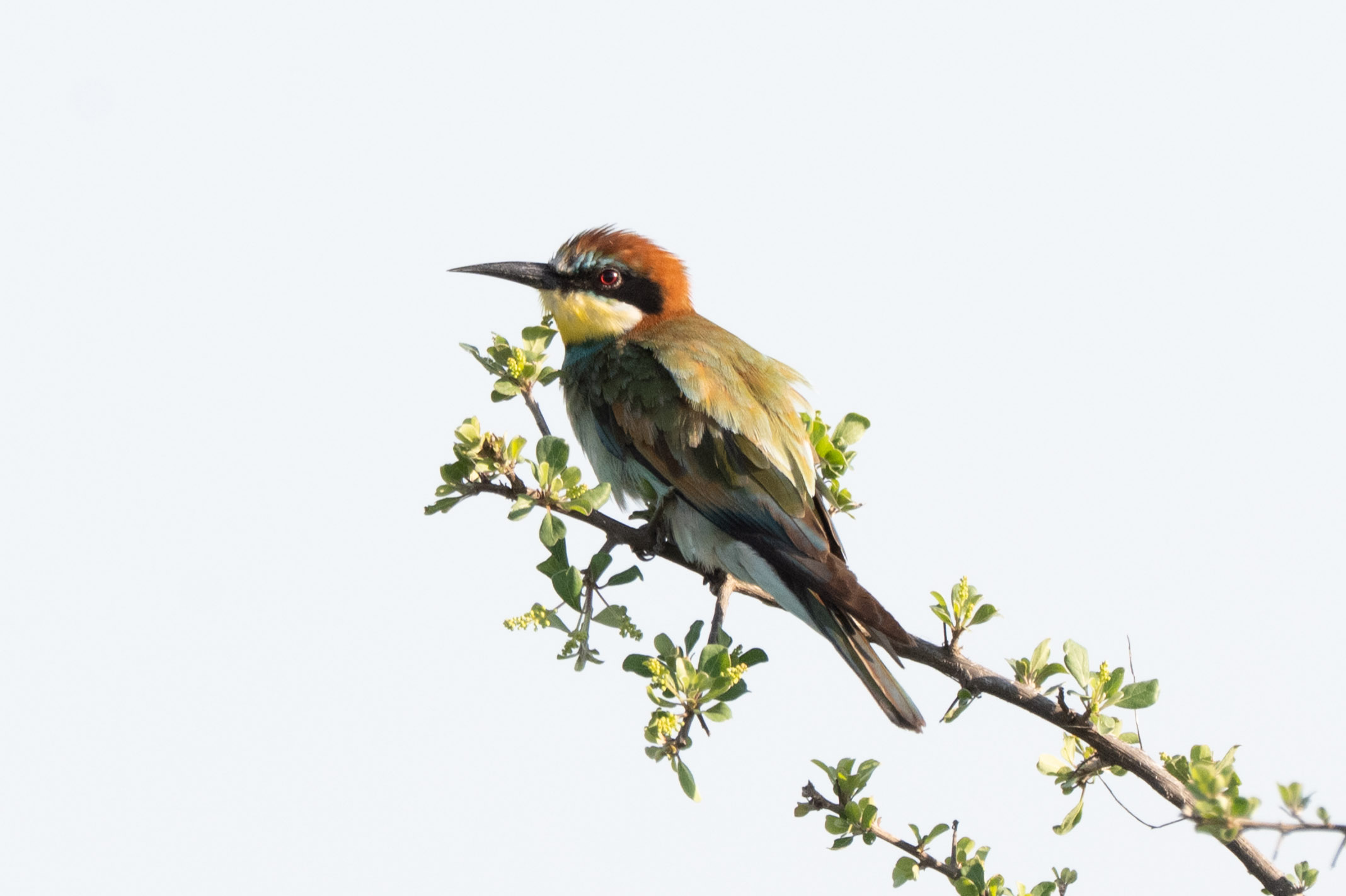
European Bee-eater
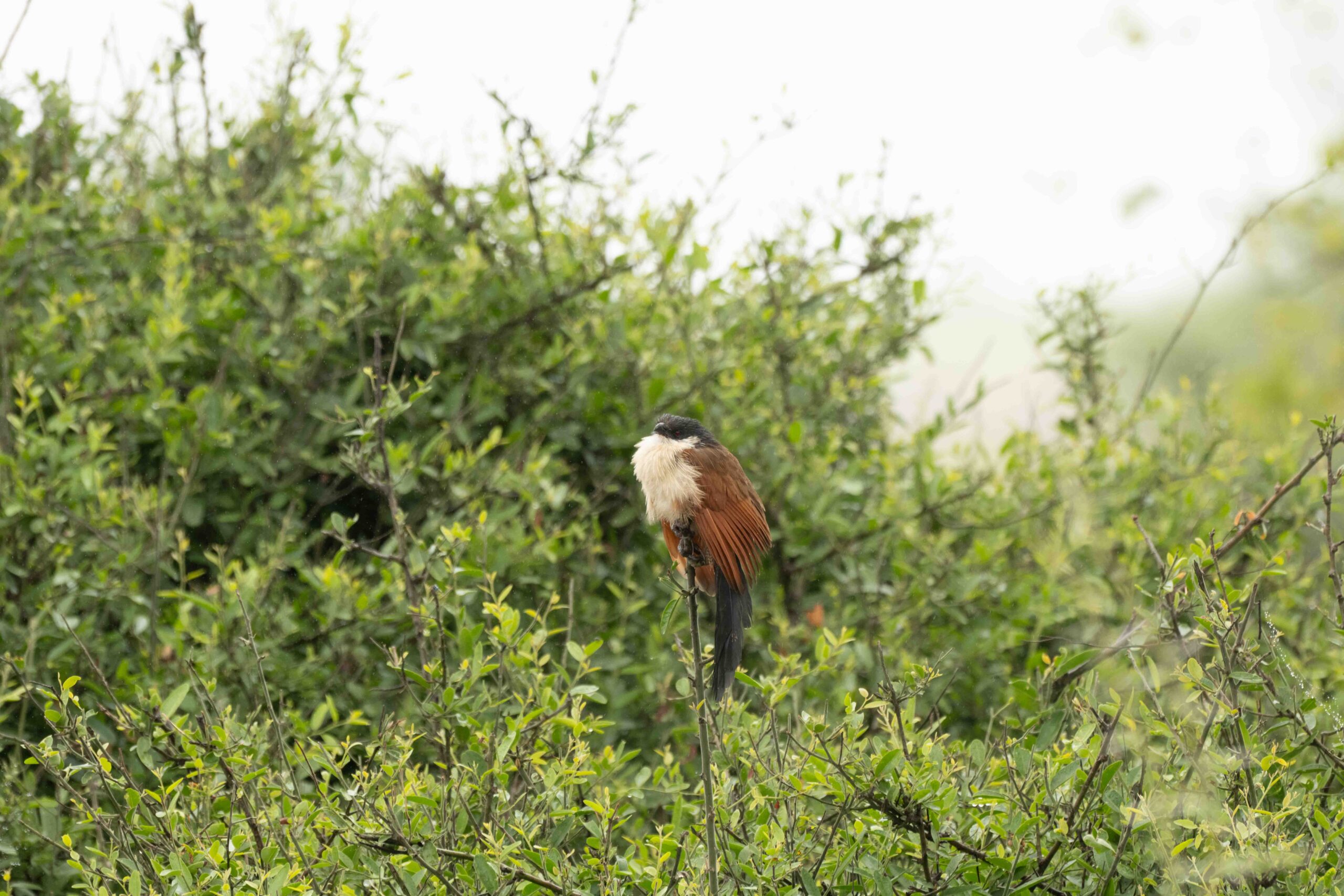
Burchell’s Coucal
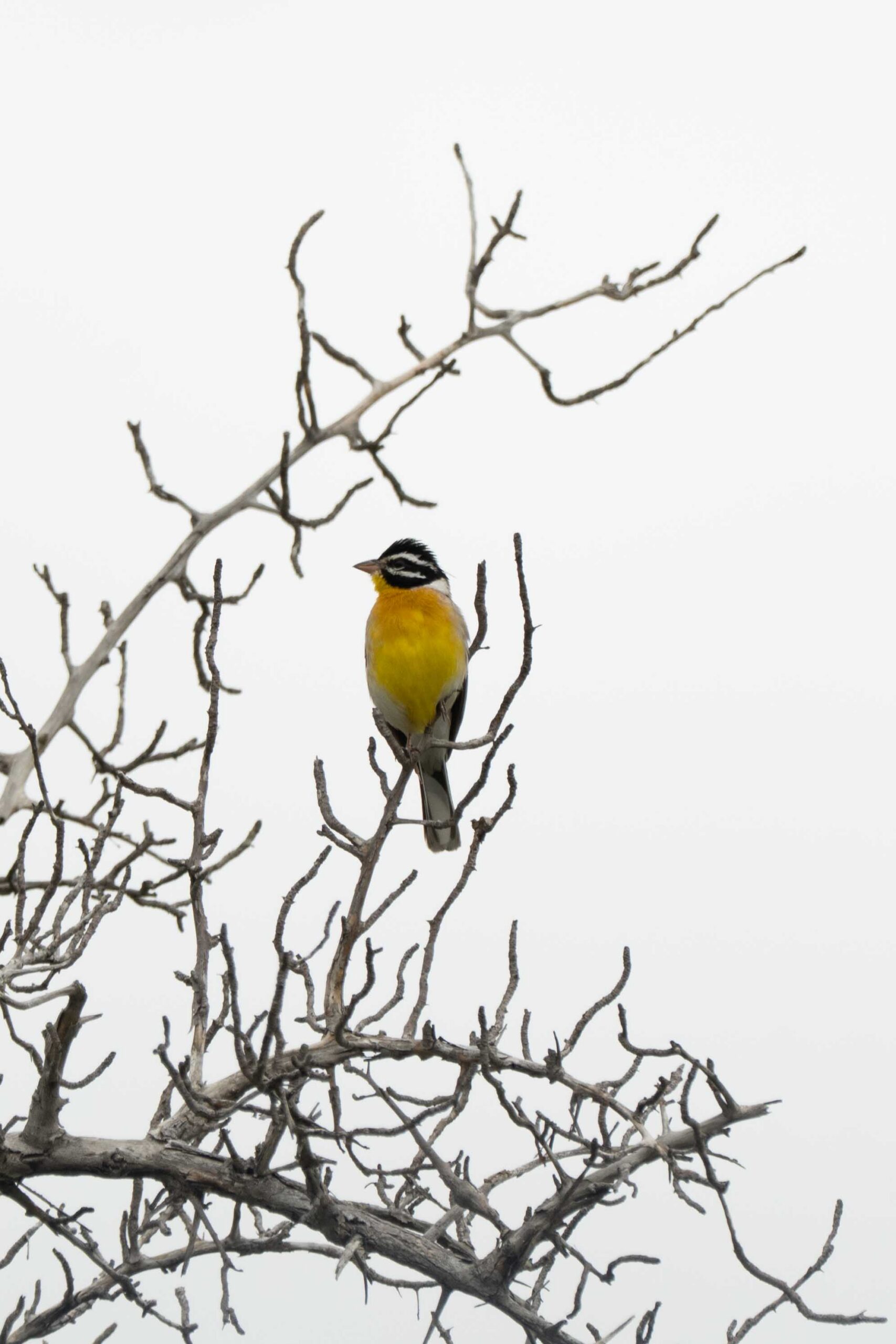
Golden-breasted Bunting
Lilac-breasted Roller
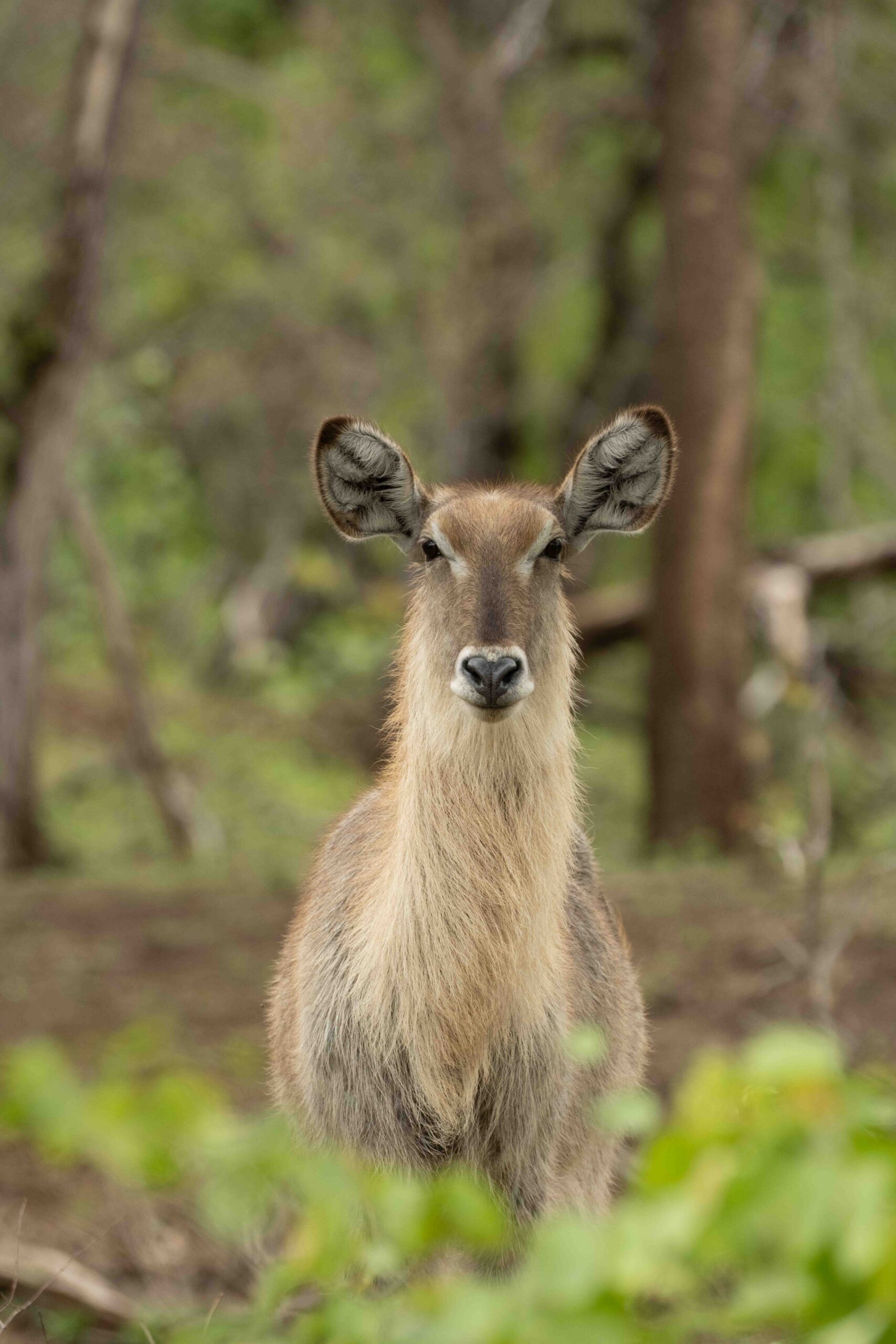
Waterbuck
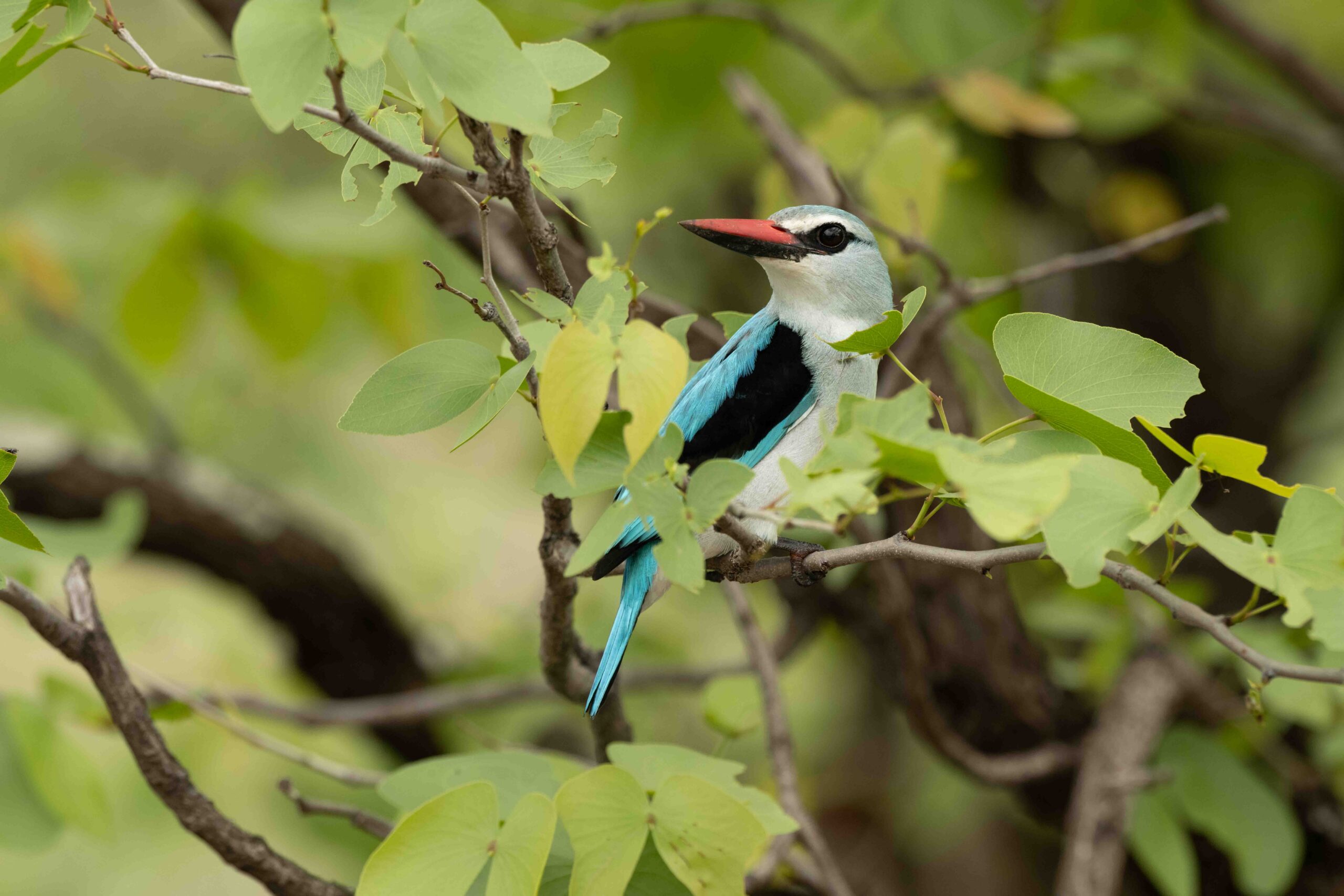
Woodland Kingfisher
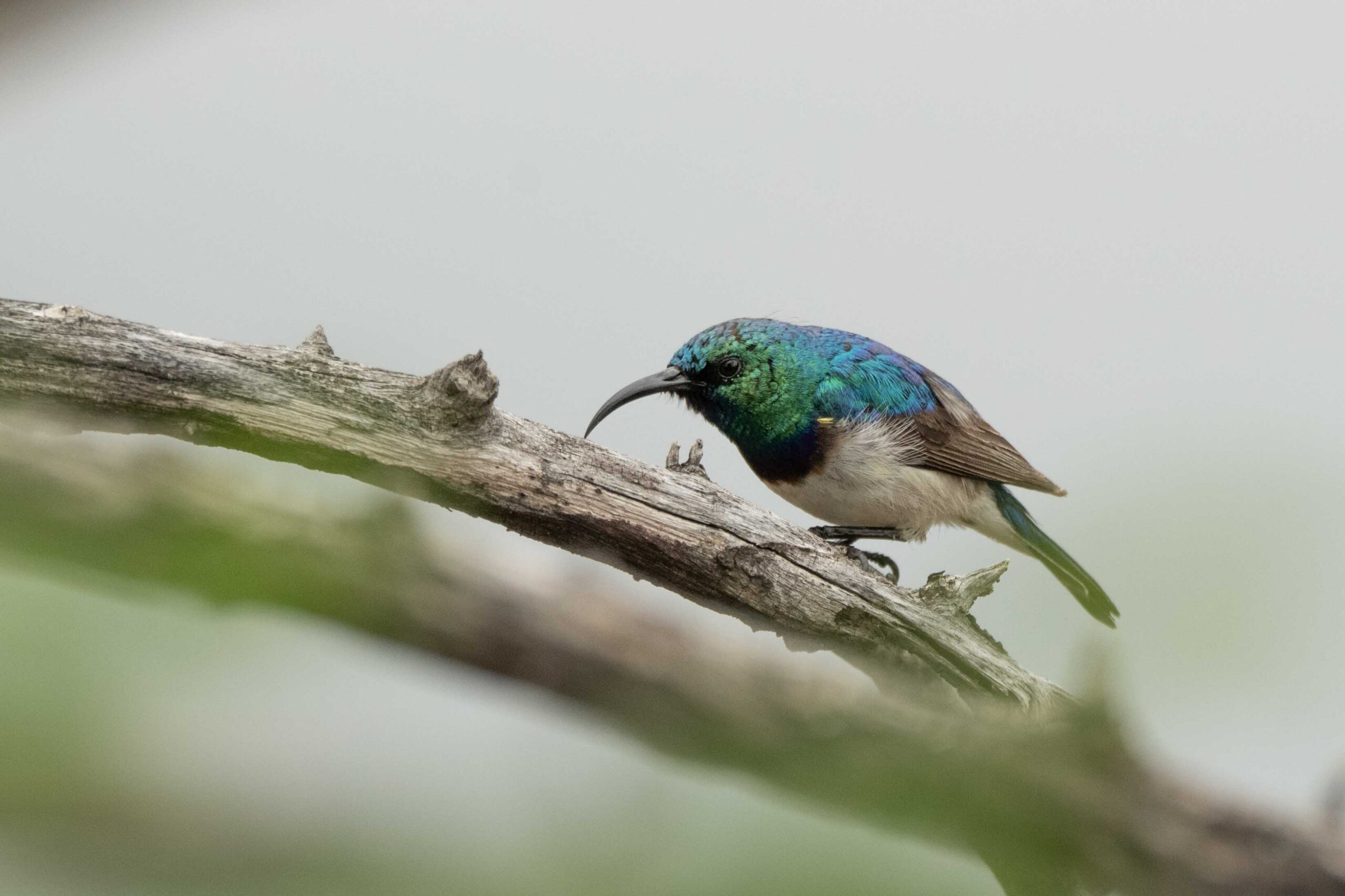
White-bellied Sunbird
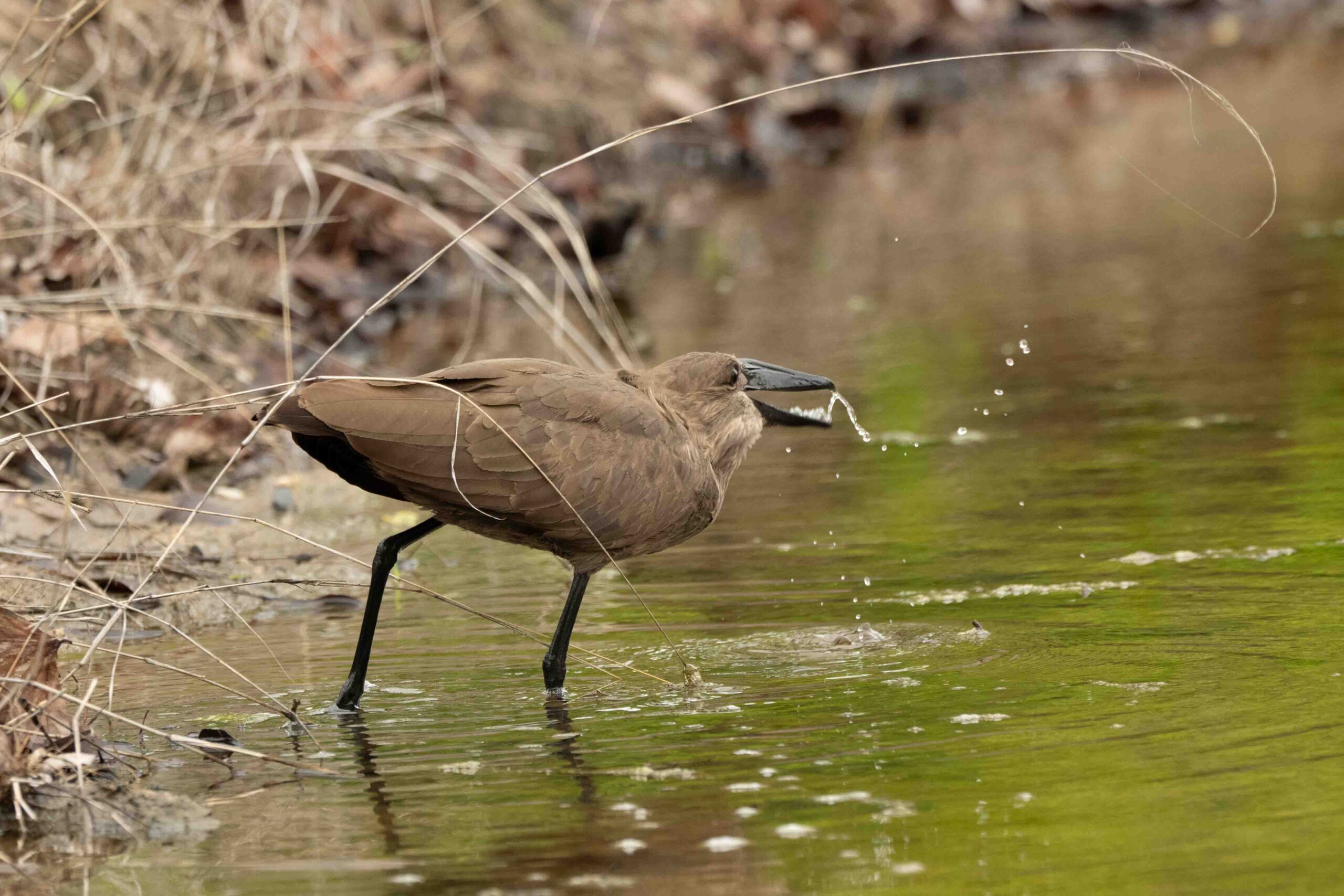
Hamerkop
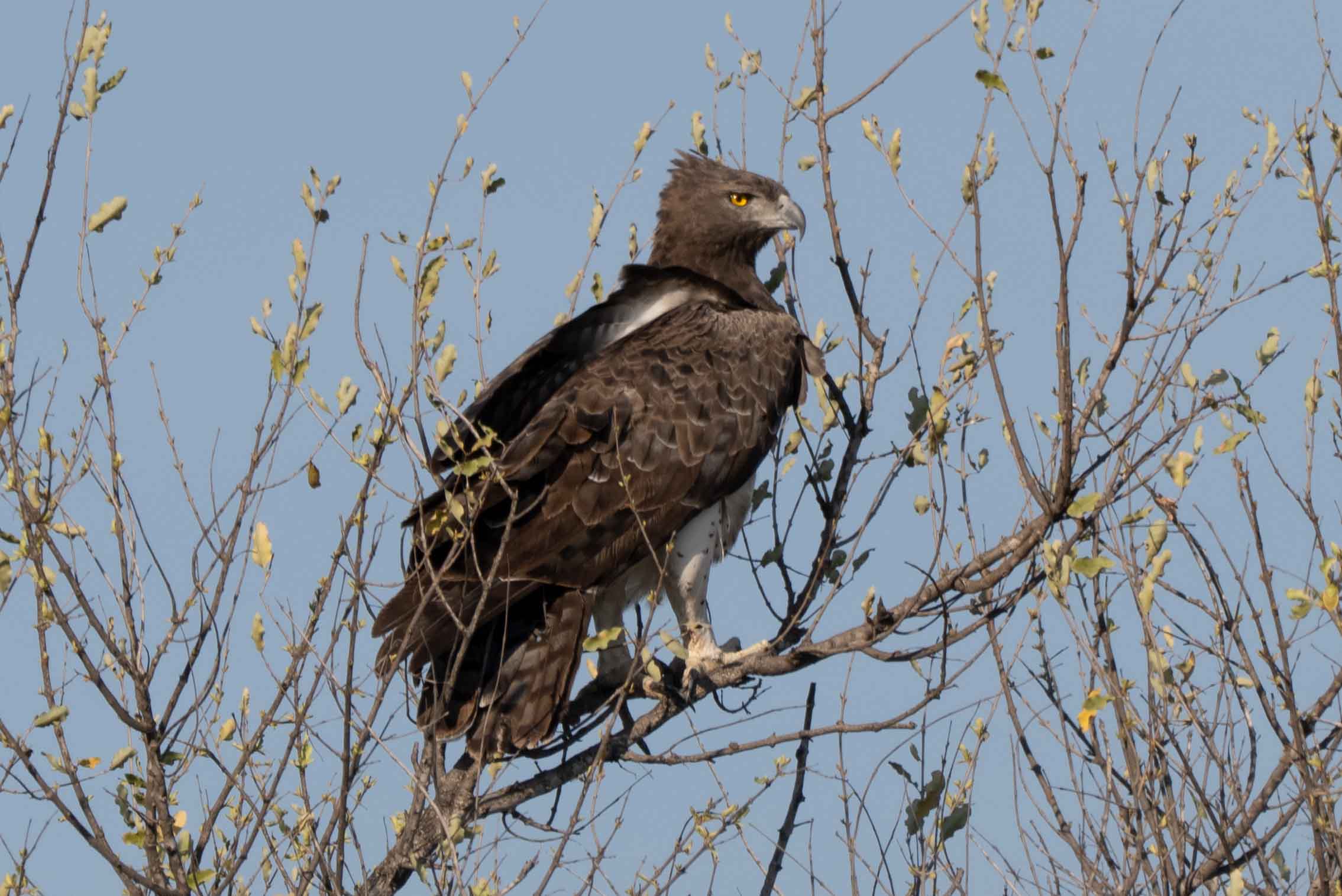
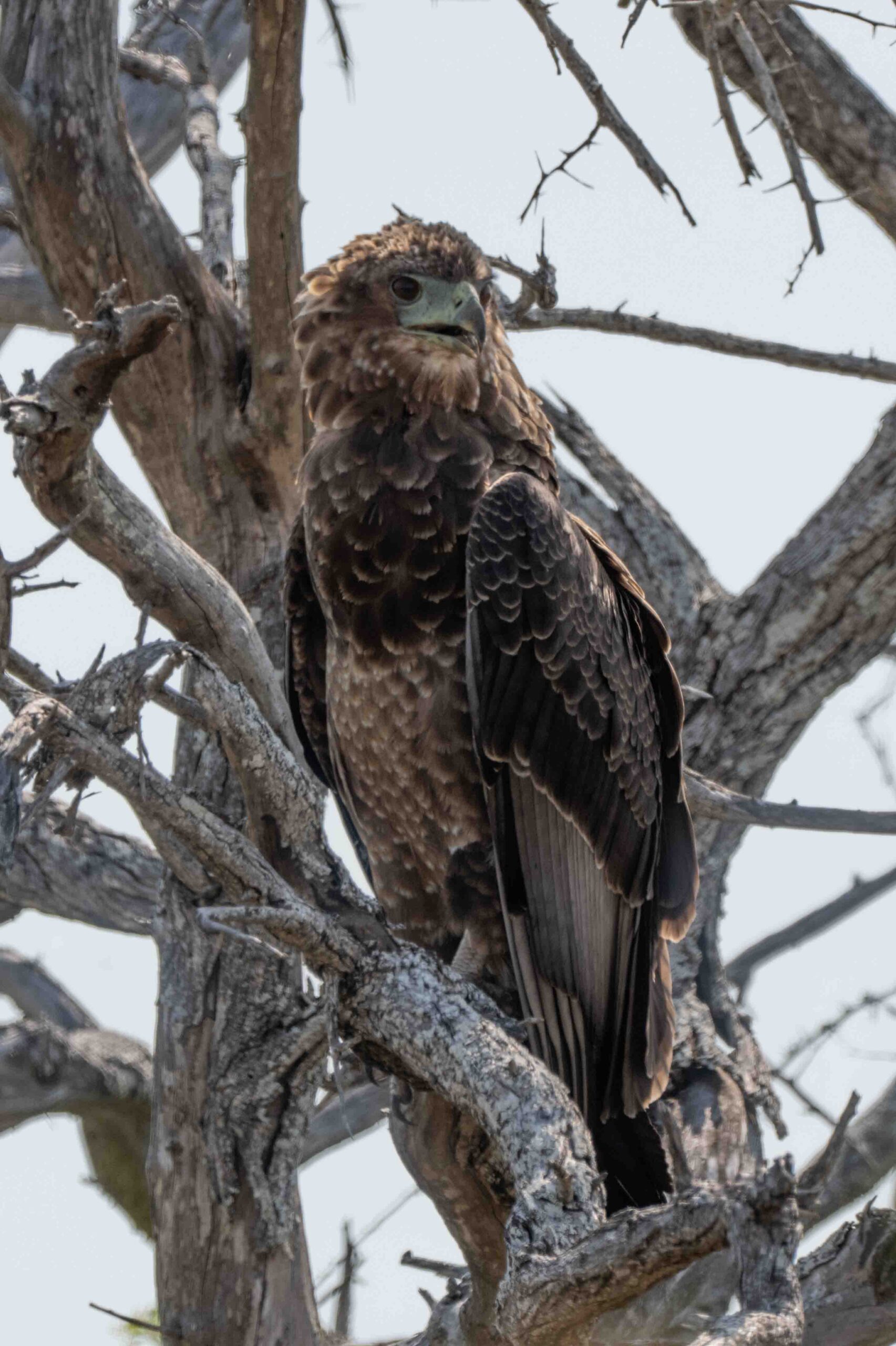
Immature Martial Eagle
Giraffe and Red-billed Oxpecker
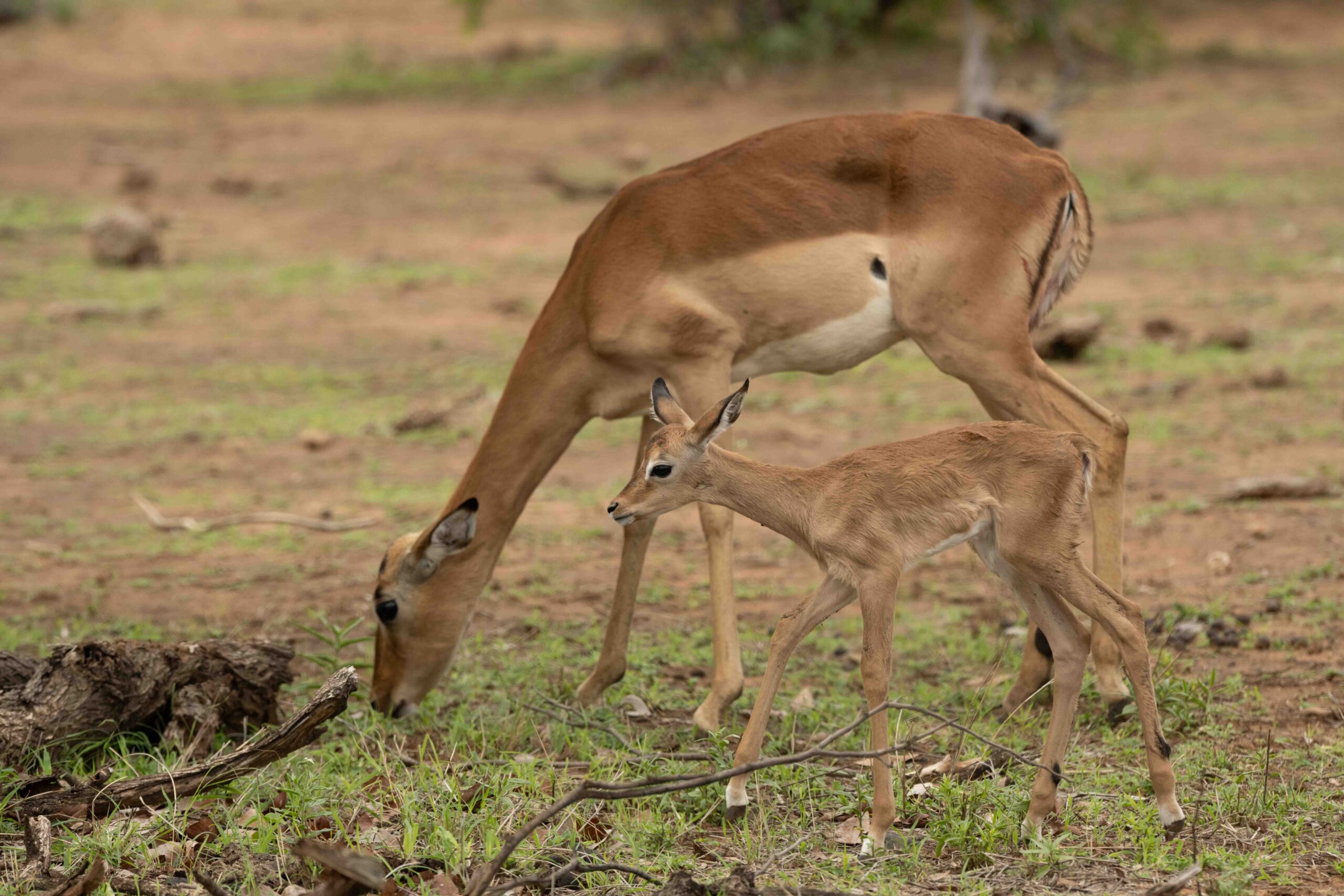
Mommy Impala with very new baby – mom still has blood on her from the birth
Jacobin Cuckoo
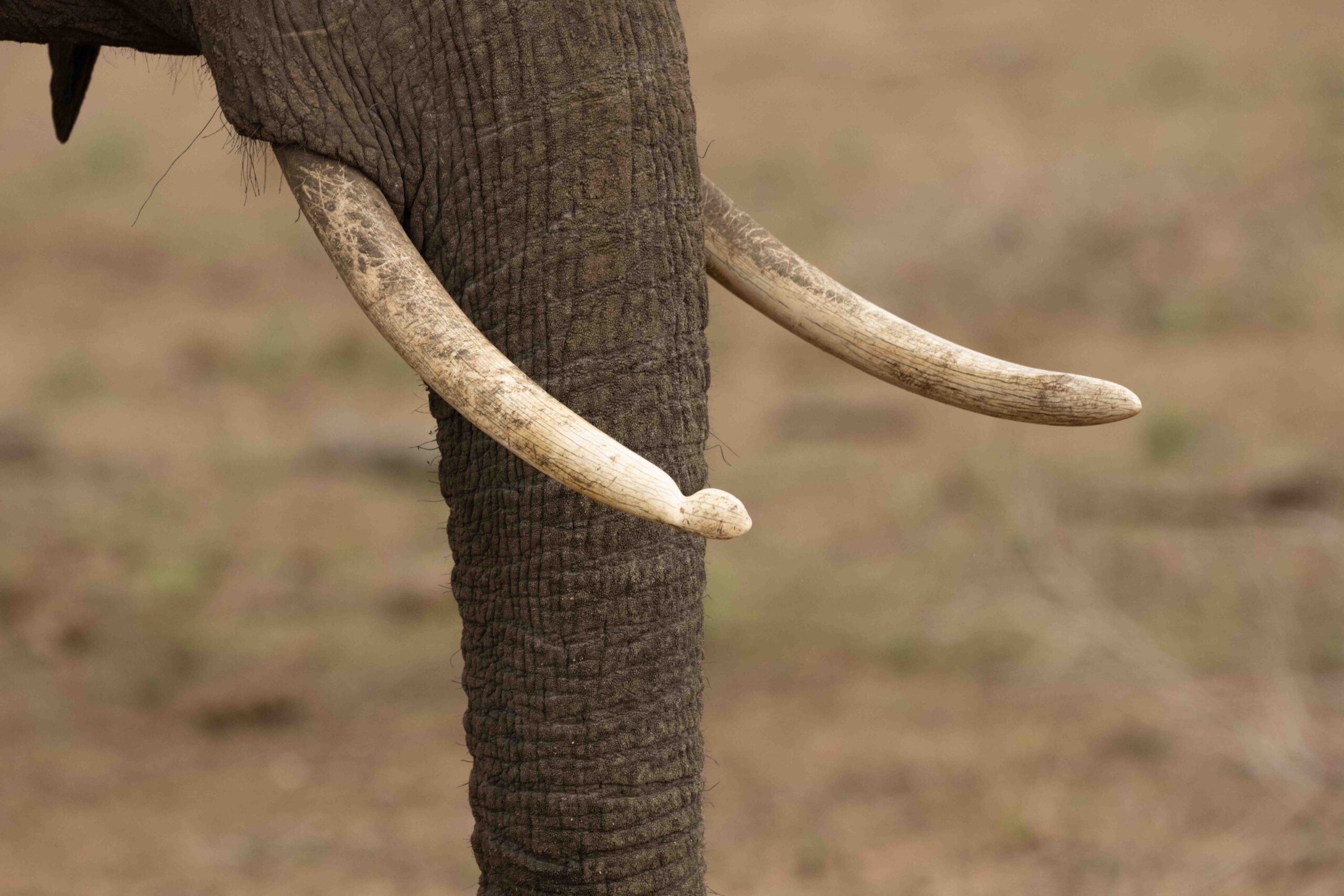
Elephants can be left- or right-tusked, with majority being right-tusked. Thus, this tusk gets used more often than the non-dominant tusk. It is therefore shorter due to wear and tear, and often a groove forms – this is caused by using the tusk to cut vegetable matter. Eventually, when the groove becomes too deep, the tip breaks off.
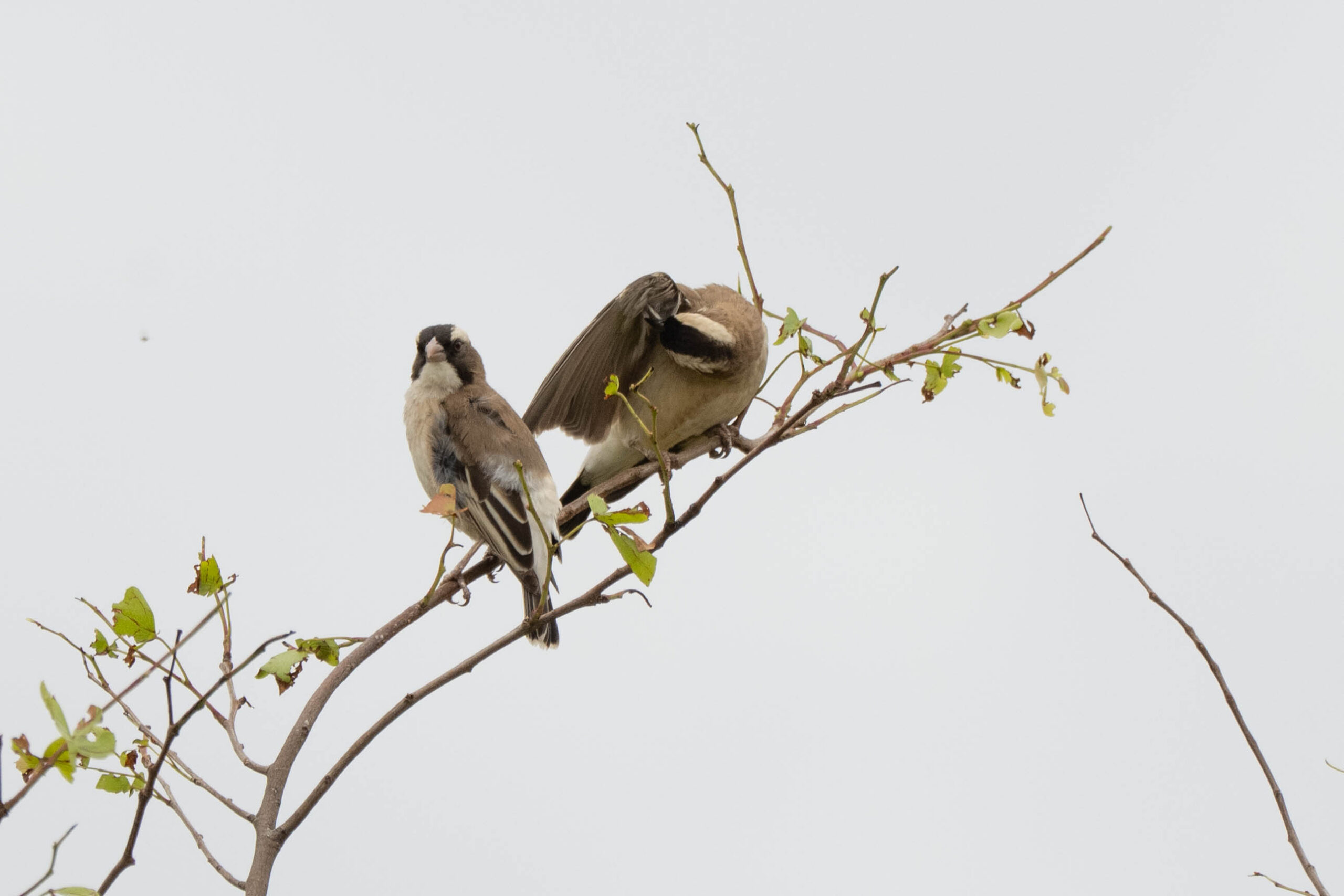
White-browed Sparrow-weaver
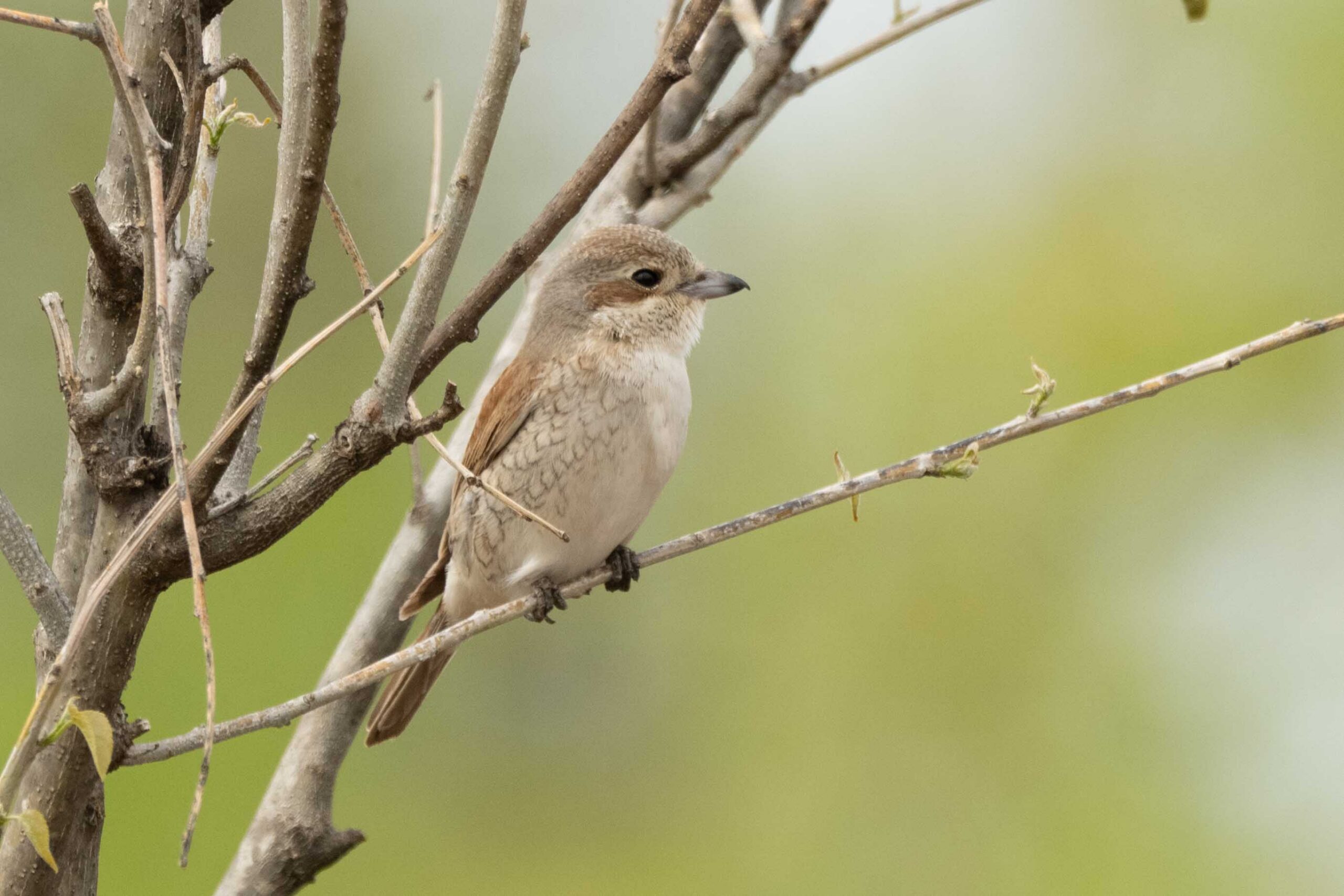
Female Red-backed Shrike
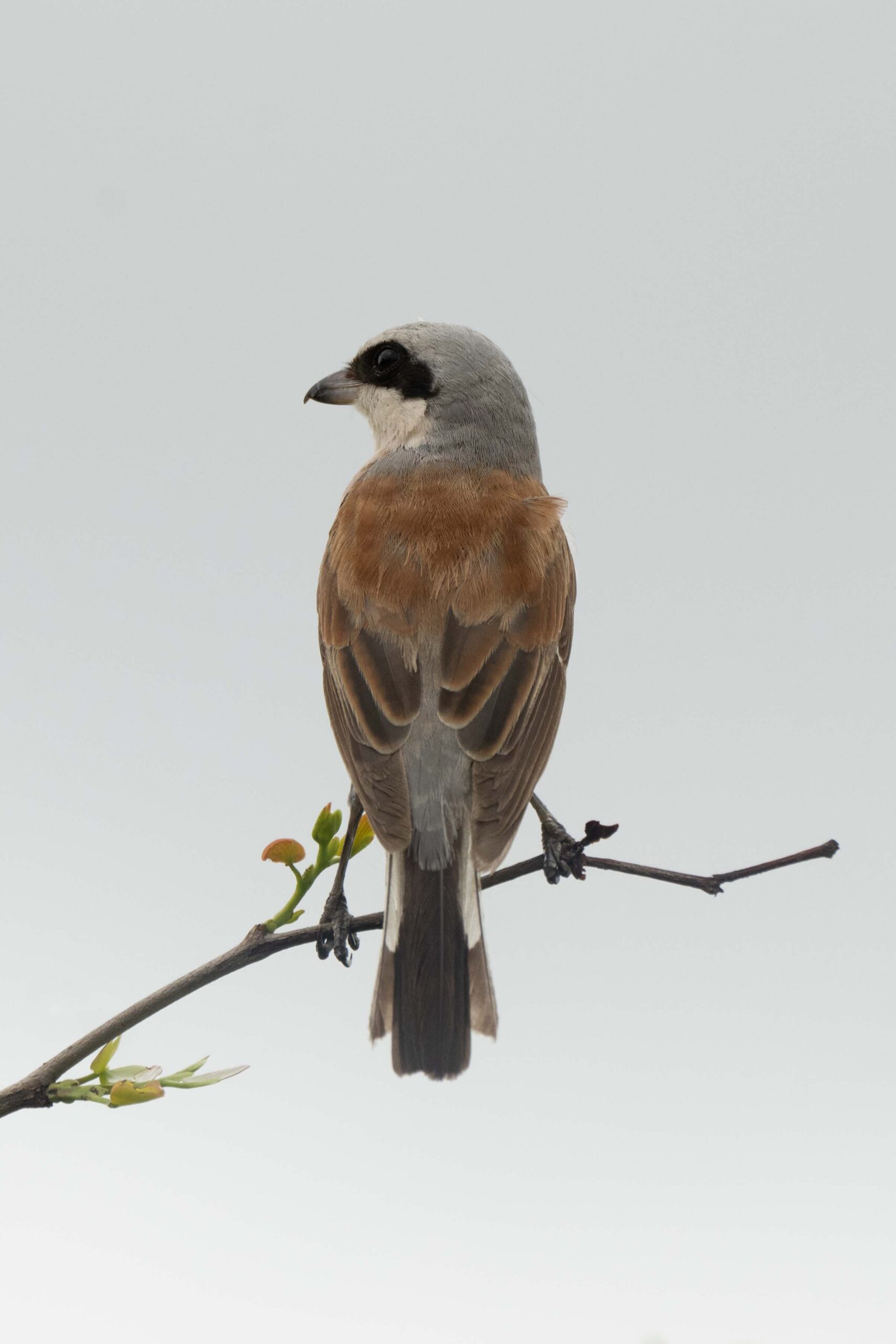
Male Red-backed Shrike
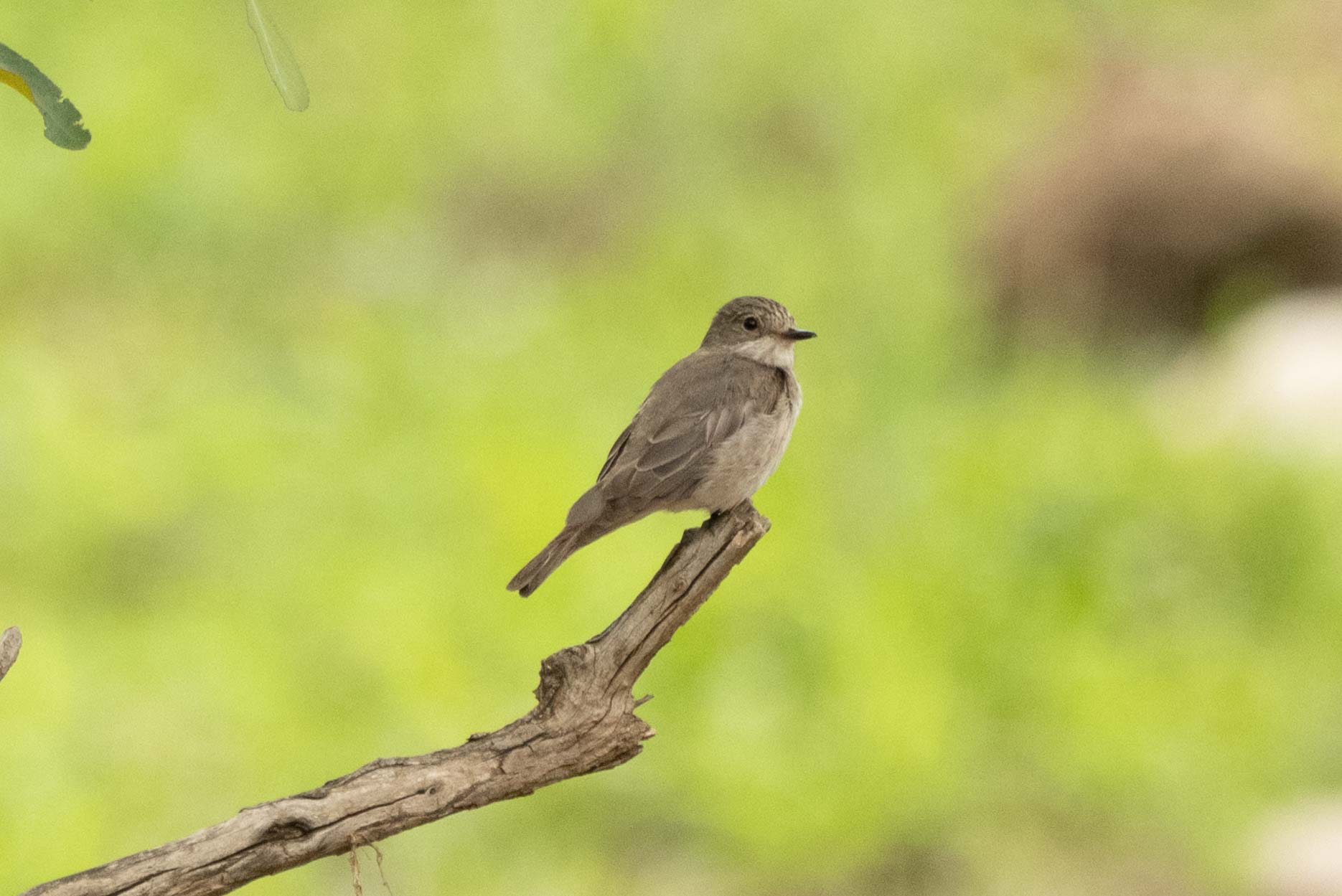
Spotted Flycatcher
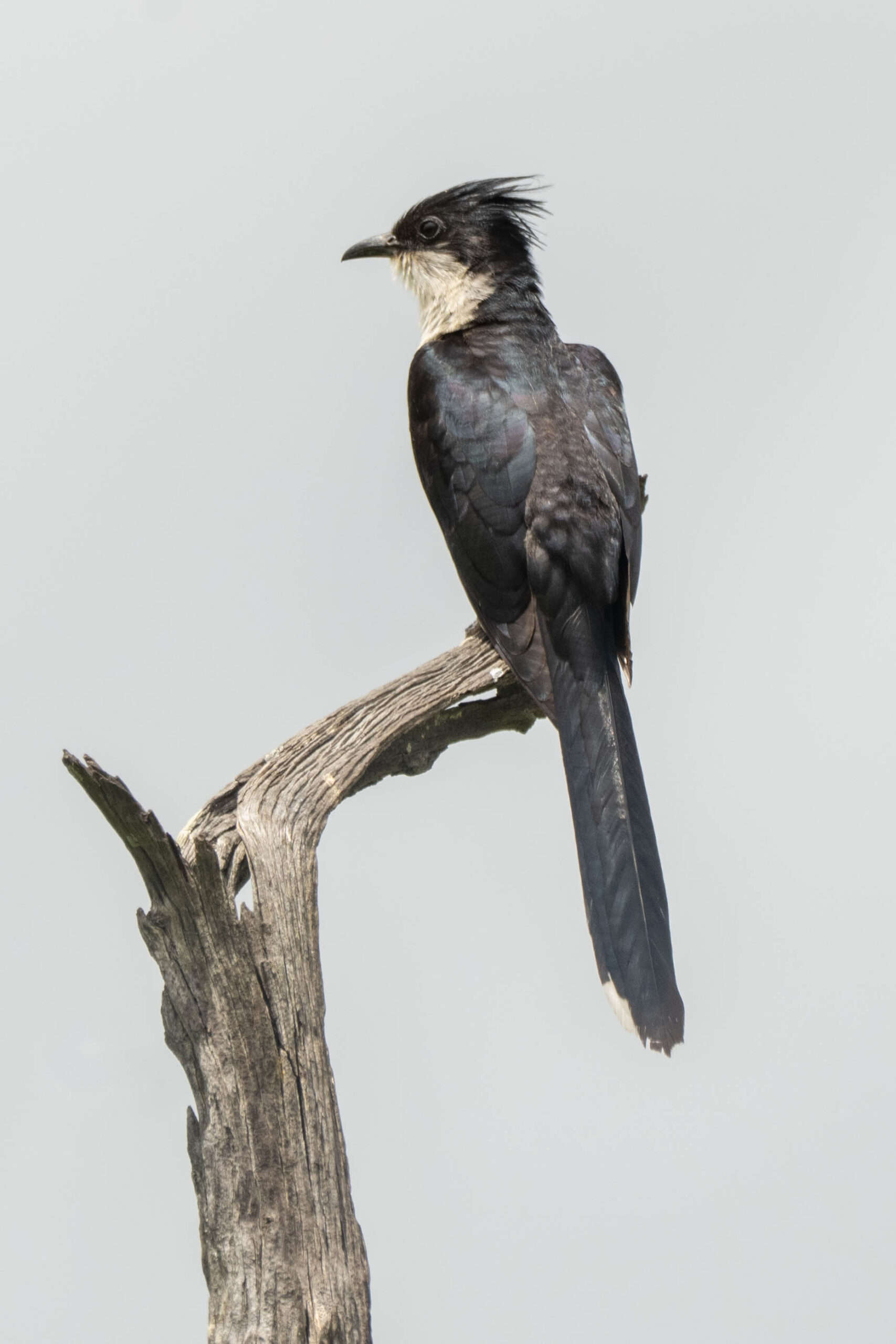
Jacobin Cuckoo
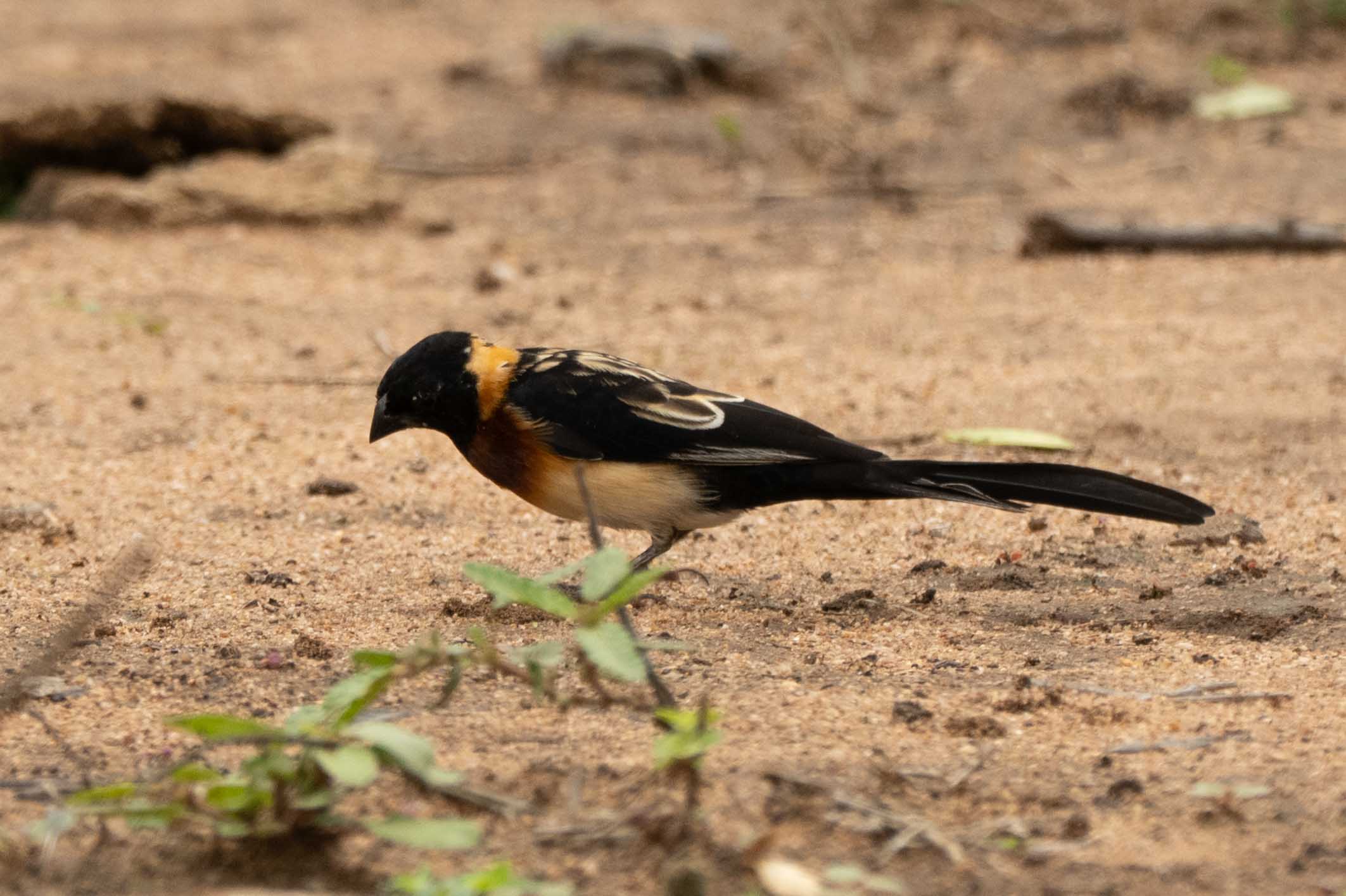
Male Long-tailed Paradise Whydah
Lilac-breasted Roller
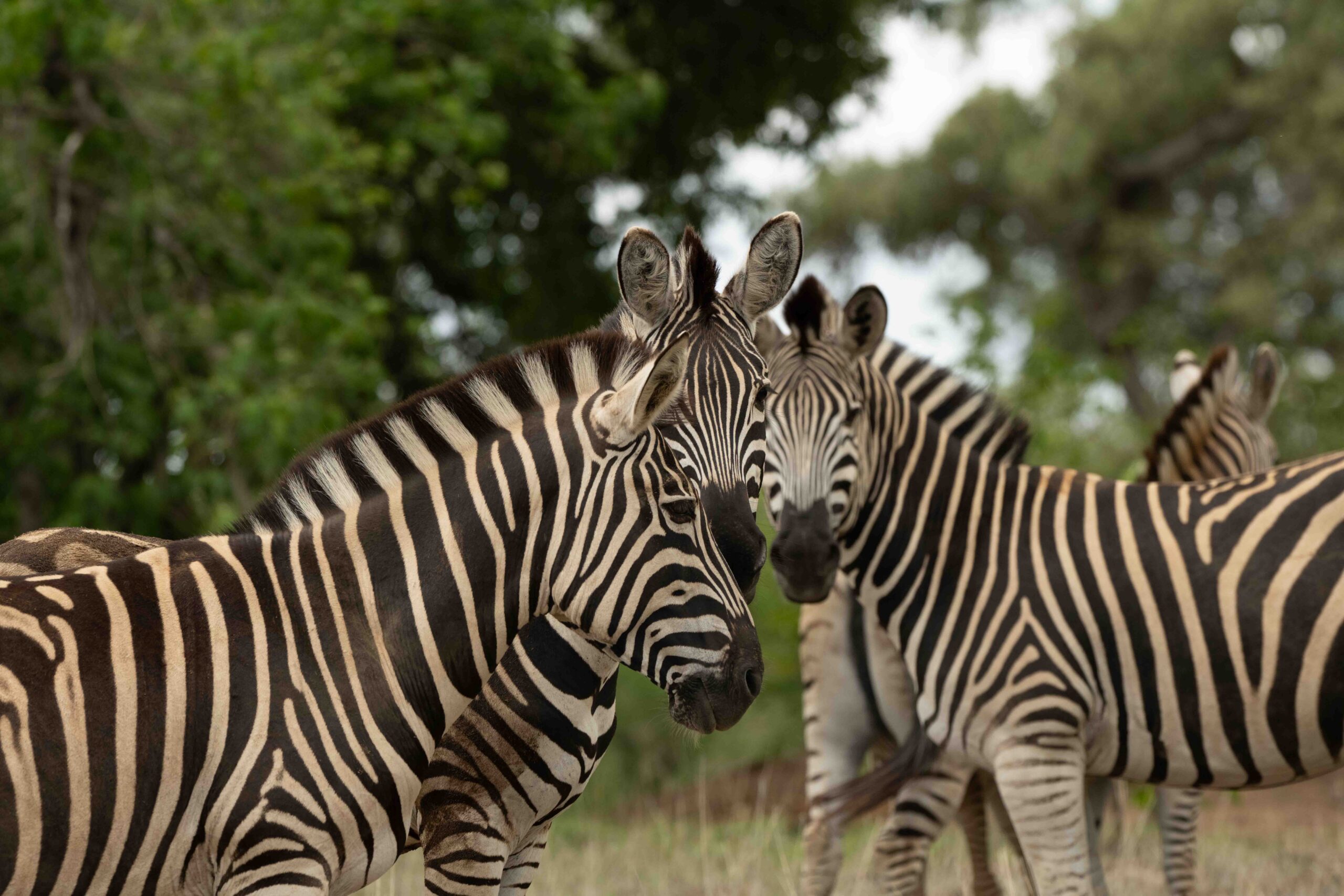
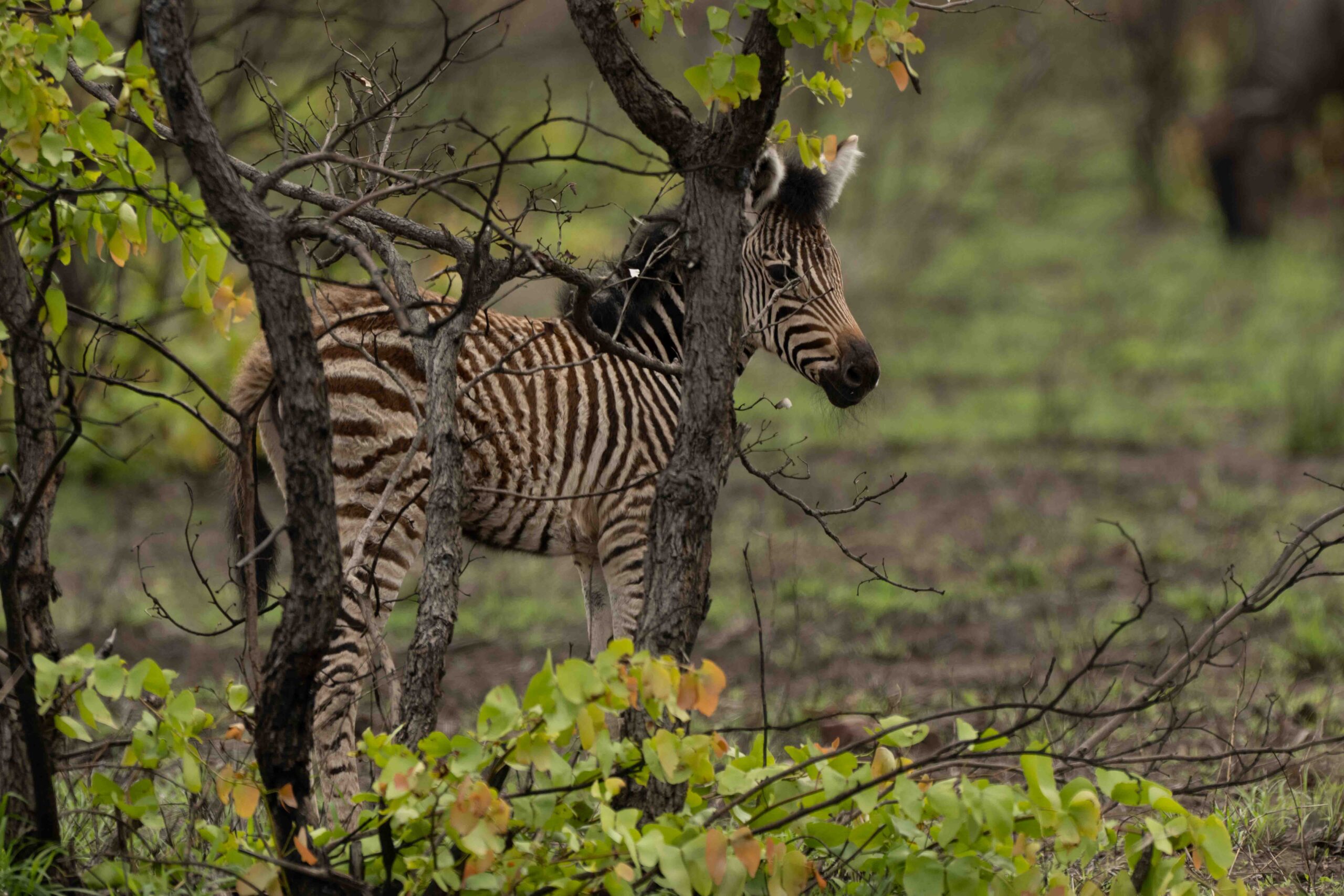
Soggy baby Zebbie
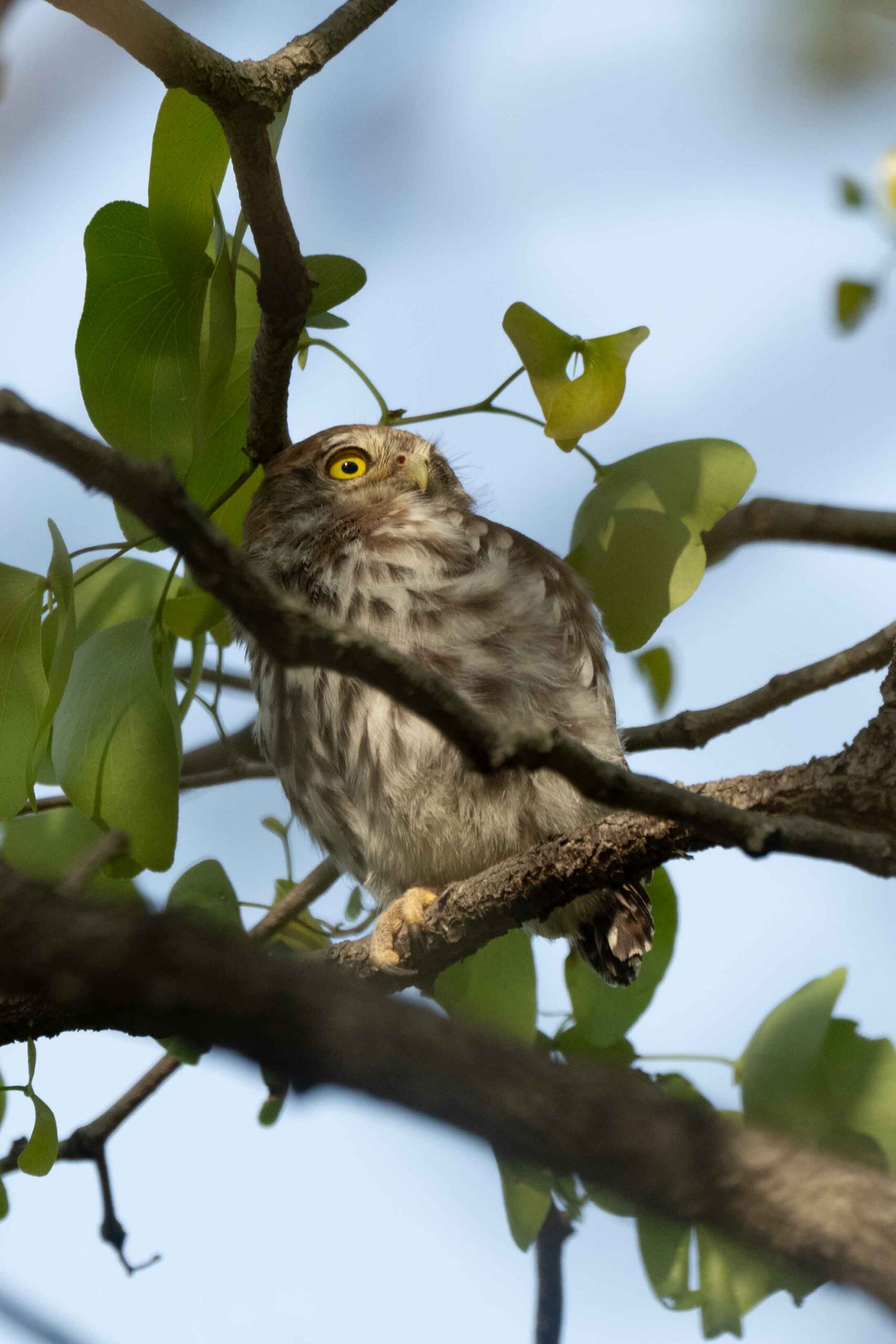
Pearl-spotted Owlet
Western Barn Owl baby in nest
African Scops Owl
Three-banded Plover
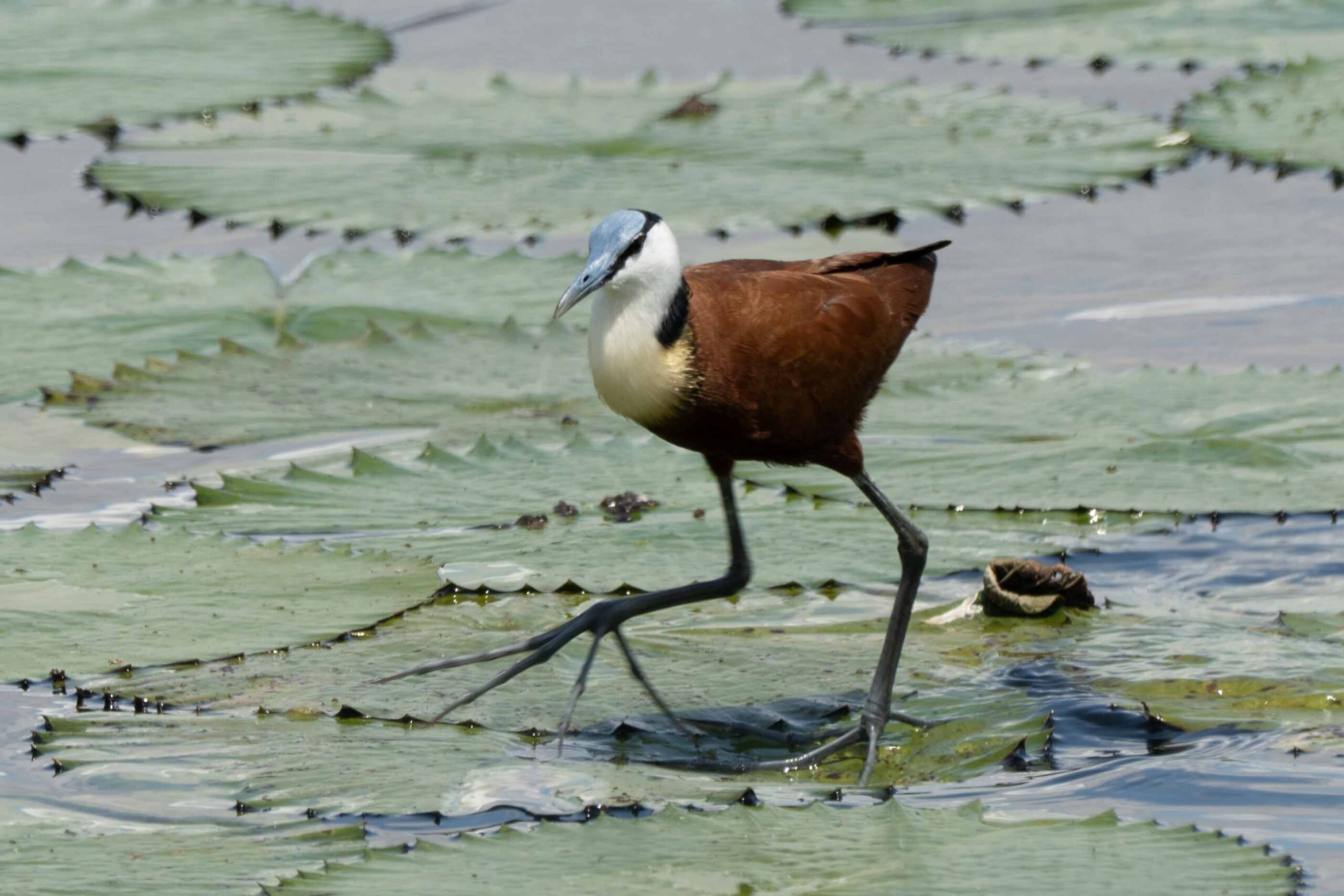
African Jacana
African Darter
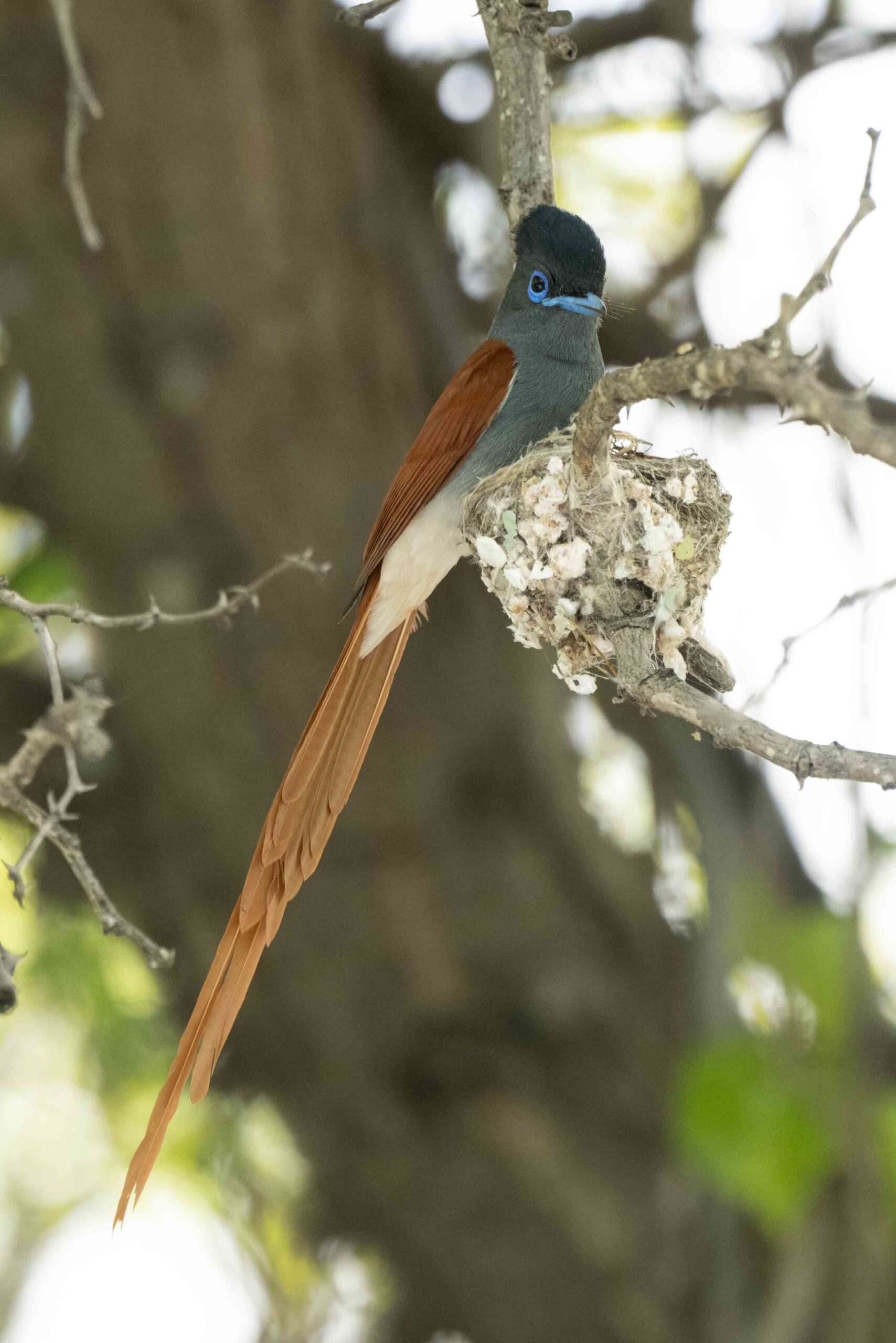
African Paradise Flycatcher
Southern Bushbuck
Pearl-spotted Owlet, one of my favourite birds!
African Scops Owl keeping an eye on the goings-on
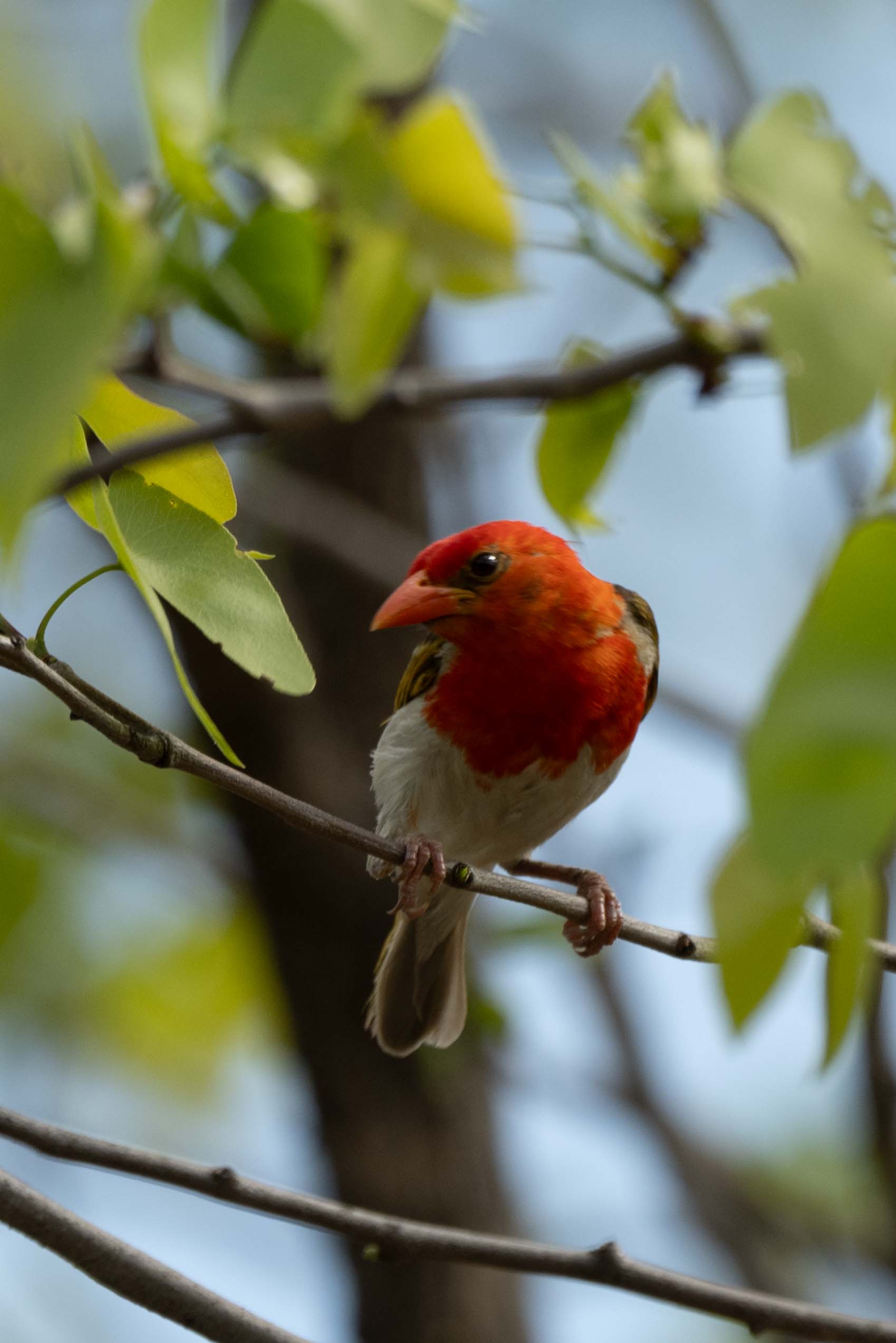
Red-headed weaver
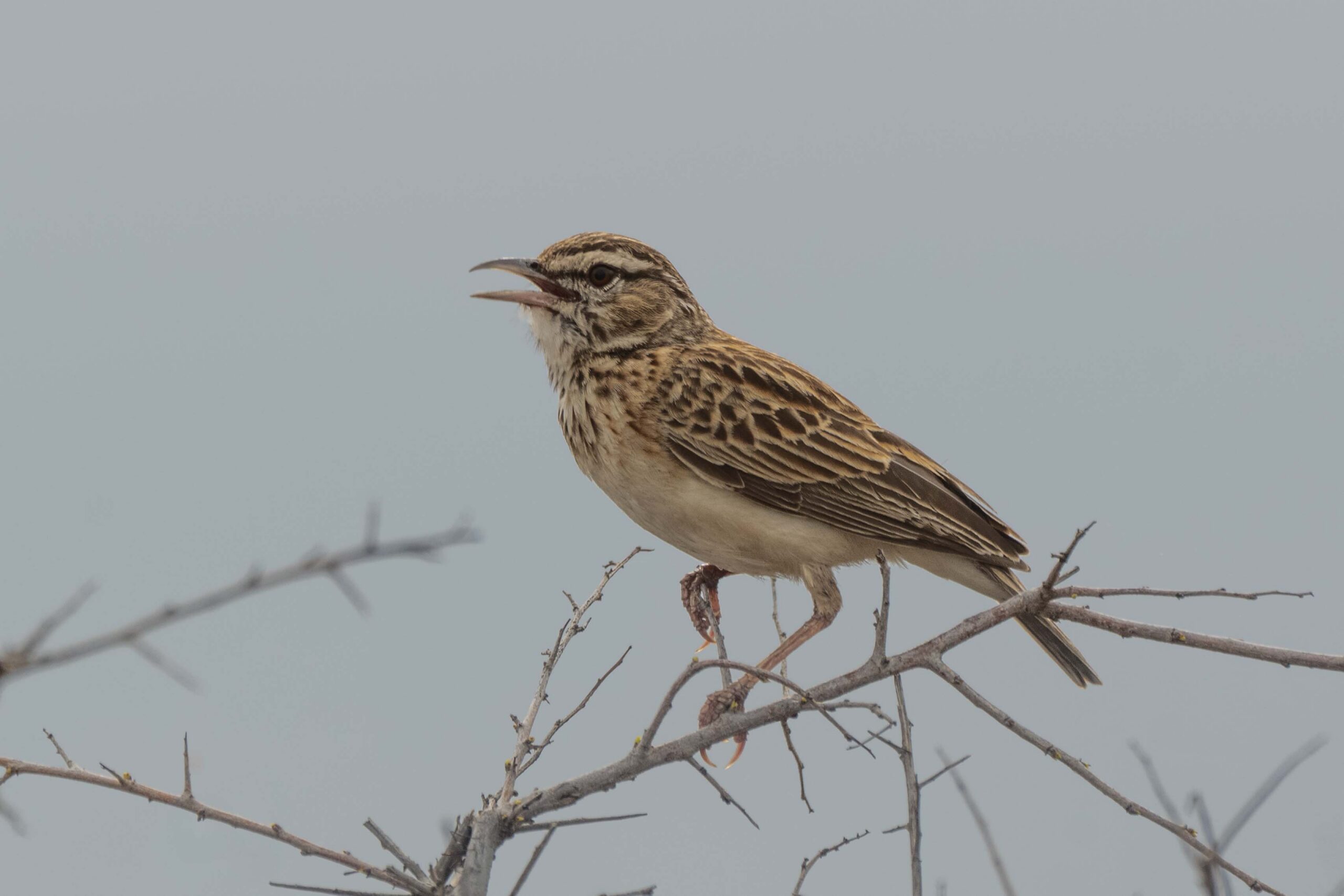
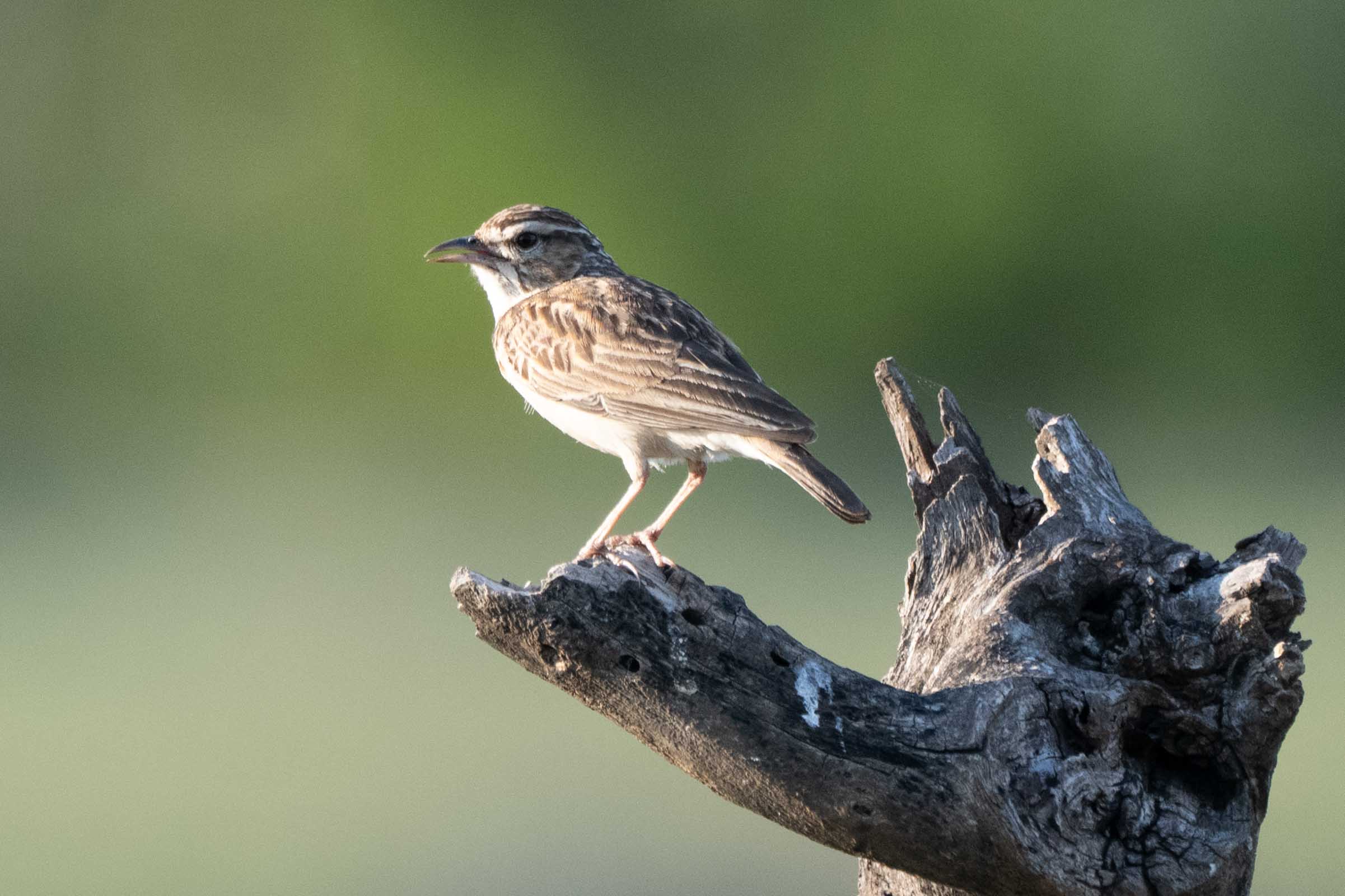
Sabota Lark
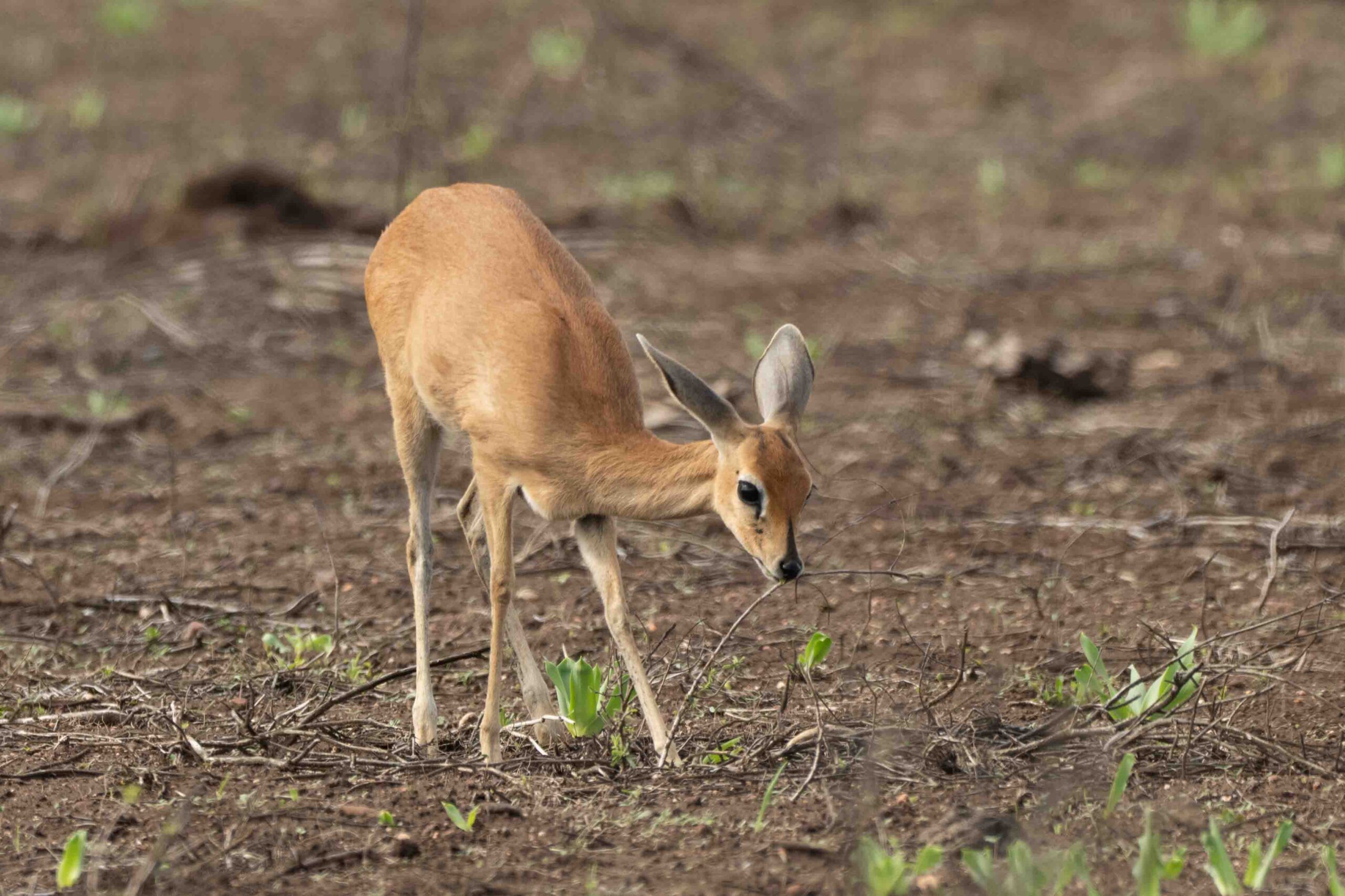
Female Steenbok
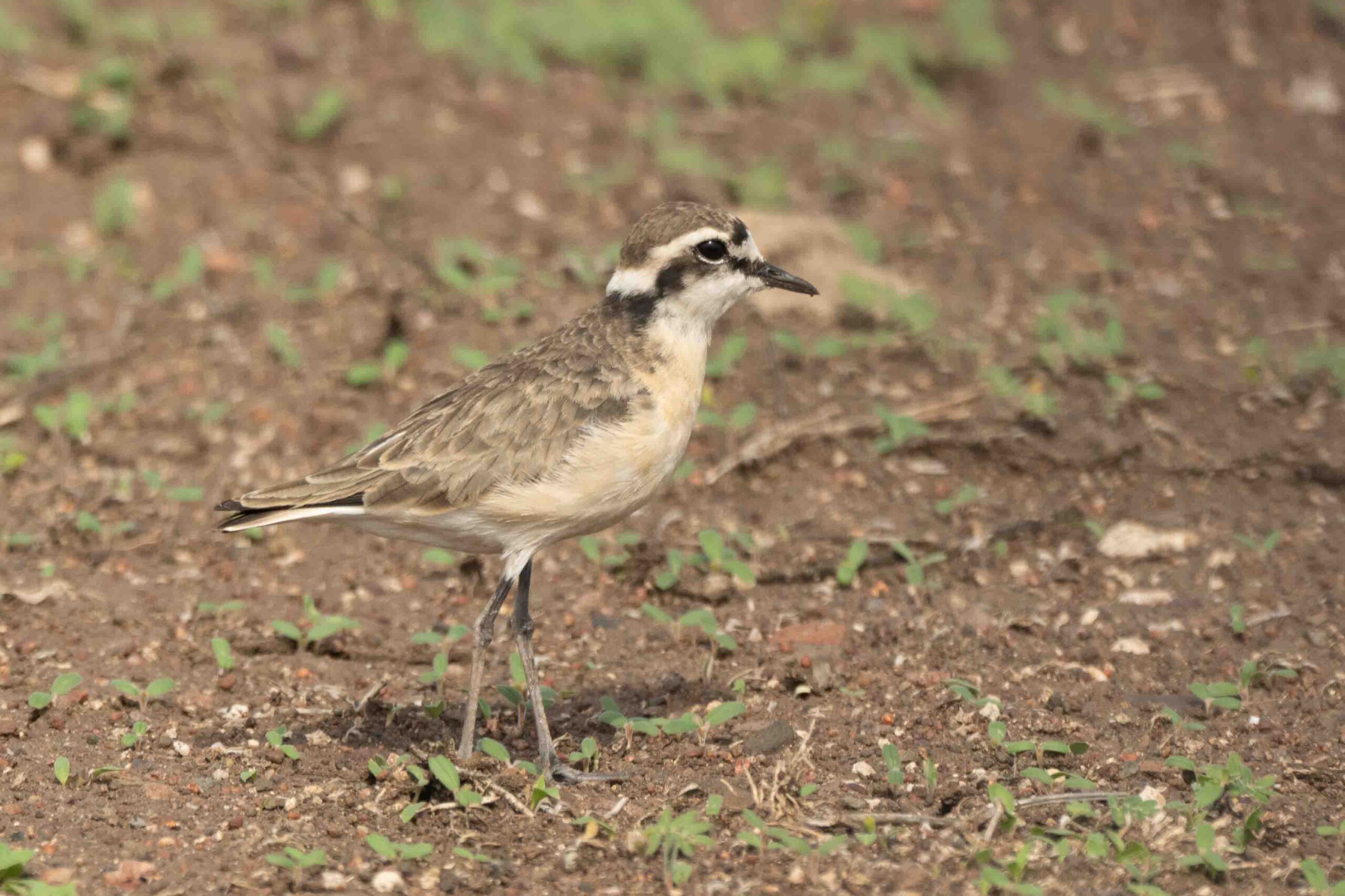
Kittlitz’s Plover
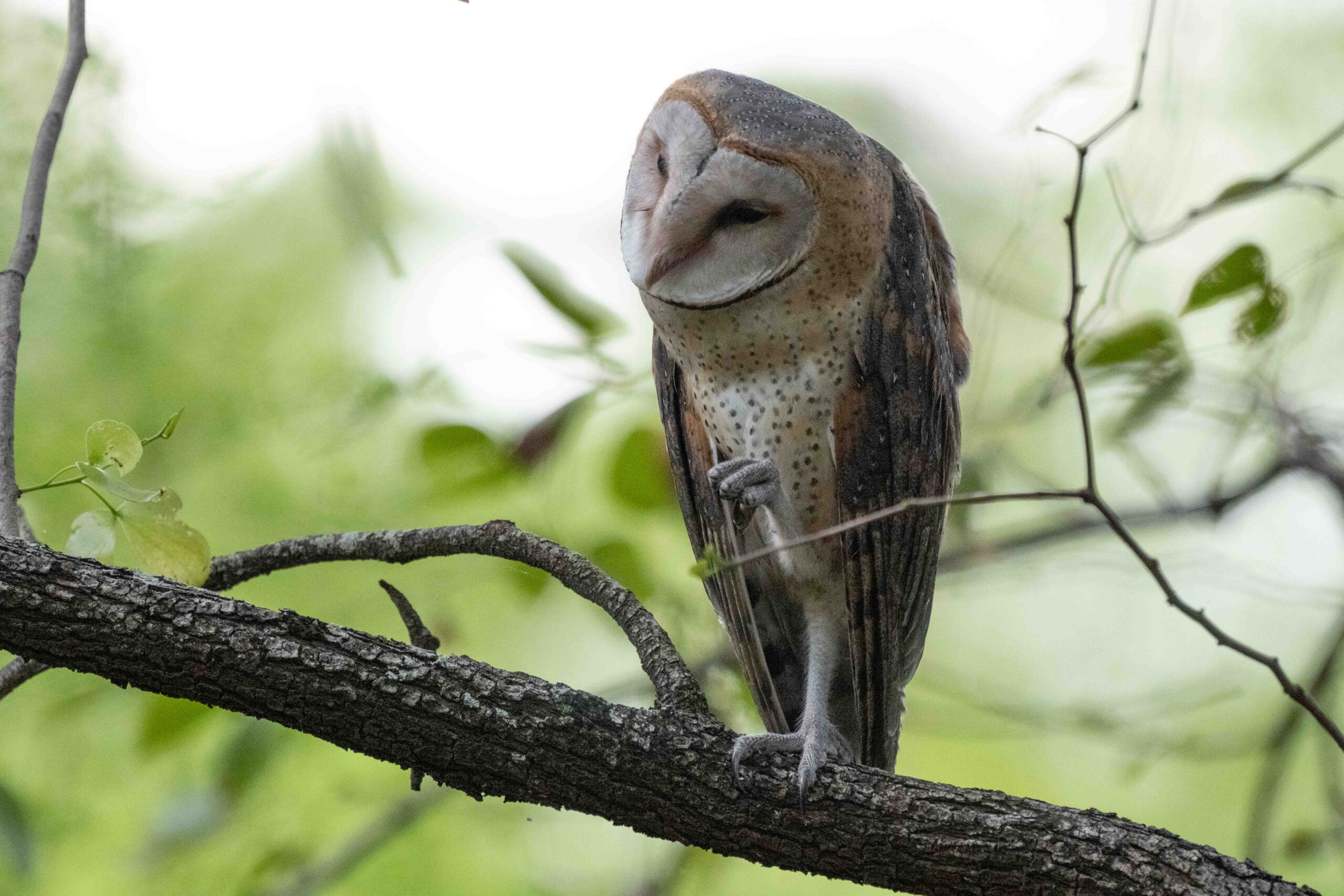
Western Barn Owl looking like he is about to impart a great wisdom
Southern Ground Hornbill with his lizard kill (endangered species – the bird, not the lizard!)
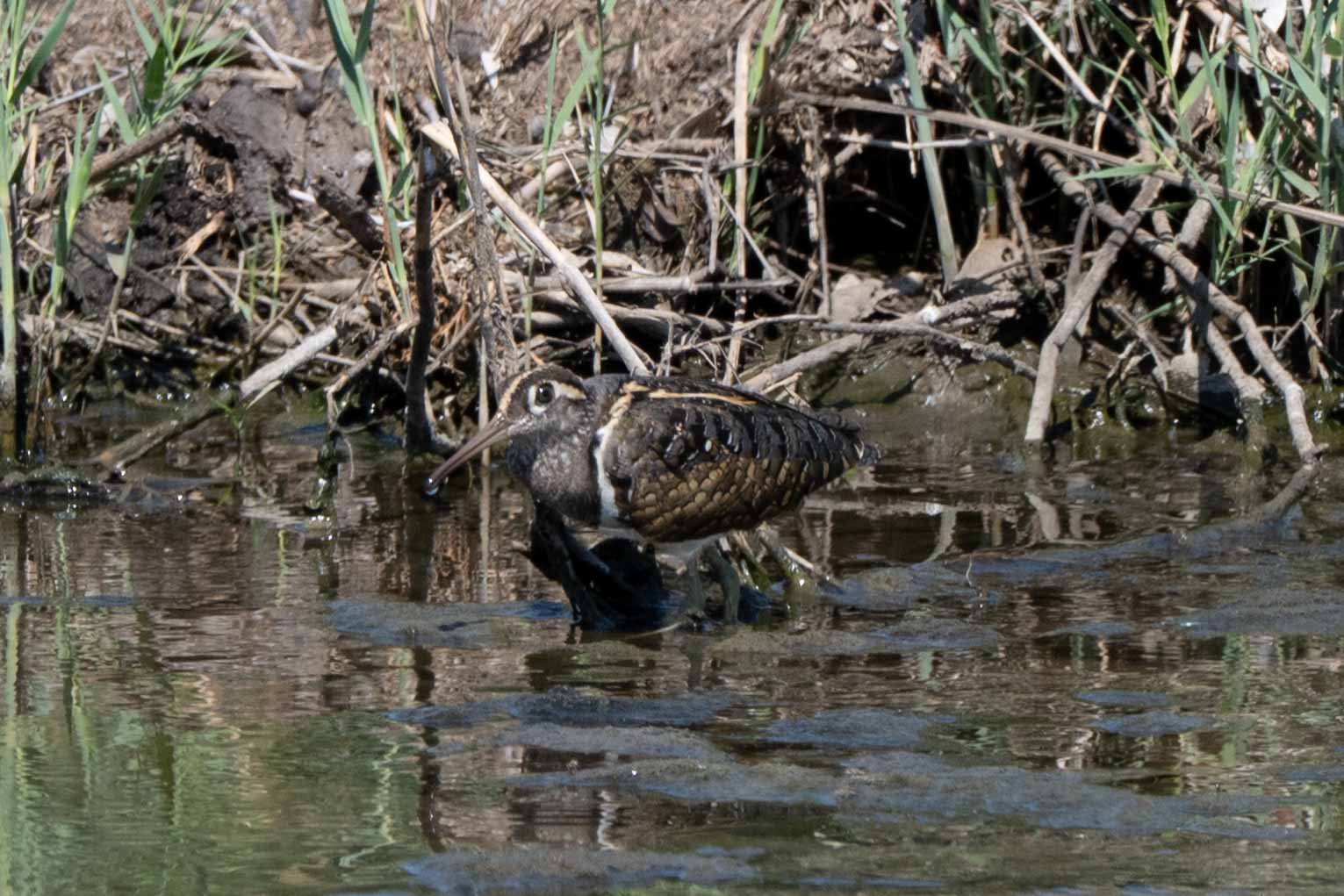
Greater Painted Snipe – not a great photo, but very difficult to photograph